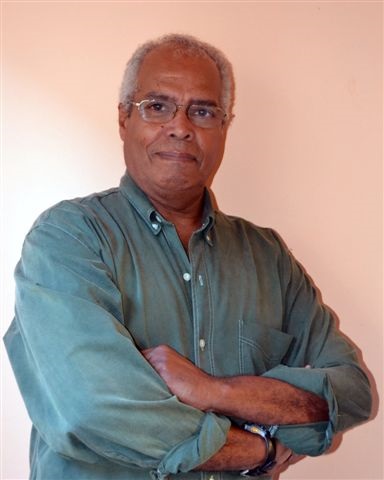
Summary: Dr. Miranda left a promising academic career to obey God's call, founding Lion of Judah as a vibrant multicultural and bilingual community in the heart of Boston. Guided by a vision of restoration and justice, he transformed the church into a beacon of hope that transcends cultural barriers and serves the entire city. Although he departed to the presence of the Lord in 2022, his legacy of faith and faithful service continues to impact generations.
Born in the Dominican Republic and raised in the United States, Dr. Miranda excelled academically at Phillips Academy, Princeton University, and Harvard University. Although his initial path pointed towards a distinguished academic career, God's call changed the course of his life, guiding him toward pastoral ministry. In 1985, he assumed leadership of a small congregation and dedicated himself to building not just a church, but a movement of spiritual renewal and social transformation.
Under his leadership, Lion of Judah became a vibrant, bilingual, and multicultural community that gathers people from over thirty nations. Its worship and service reflect the beauty of the Kingdom of God, where every culture and language has a place at the table. Pastor Miranda believed that faith should extend beyond the church walls, bringing healing, justice, and restoration to the city. From that conviction arose ministries to support immigrants, youth, families, and those most in need.
A decisive moment came when Pastor Miranda received a vision: a lion rising over the Boston skyline, embodying the authority and compassion of Christ spreading throughout the city. Inspired by this revelation, the congregation adopted the name Lion of Judah and moved to the heart of Boston, positioning itself as a beacon of light and hope. The ministry continued to flourish: it acquired new facilities, expanded its reach, and has become a model of bilingual and multicultural worship and service.
When Pastor Miranda departed to the presence of the Lord in May 2022, the city and countless lives mourned the passing of a faithful servant, whose life continues to bear fruit through the generations.
The passage from Ephesians 4:11-13 speaks about how God gives his people different gifts and endowments of the spirit to complement each other and allow the church to advance in its mission. These gifts are given to prepare God's people for works of service, so that the body of Christ may be built up and attain unity in the faith and knowledge of the Son of God. The unity in the faith refers to the uniqueness of belief, harmony, and affinity of confession of things held in belief. The author notes that there is a lack of unity in belief within the evangelical church and worries about a segment that is distancing itself from central doctrines of the faith.
The speaker is concerned about the disunity of belief within the church today and emphasizes the importance of sound doctrine. He believes that what we believe will determine our power, anointing, and nearness to God. He cites the example of the Apostle Paul in Galatians, who passionately confronted a false doctrine being circulated in the church. The speaker also believes that there is a place for honest confrontation and clarity in proclaiming the truth, even as we acknowledge our own brokenness and need for God's grace. He warns against compromising the truth in order to please men, as this is making a pact with the devil. Ultimately, we serve God by declaring His truth, not by pleasing men.
In Chapter 8 of the Letter to the Romans, the Apostle Paul emphasizes that salvation is by God's grace, not by works. He explains that the law, although good, cannot justify man and often exacerbates the tendency to sin. However, in Christ, there is no condemnation for those who have admitted their failures and received Jesus as their Lord and savior. To be in Christ means to prioritize the things of the spirit over the things of the flesh, and those who are led by the spirit of God are considered children of God. Living in the spirit brings freedom from condemnation and is the only way to truly advance the Kingdom of God.
In this part of the chapter, the Apostle Paul talks about how those who are led by the spirit of God are children of God. This means that they have been adopted into the Kingdom of God and no longer live in fear or slavery to sin. They can confidently approach God as their Father and have an inheritance as joint heirs with Christ. However, Paul also mentions that suffering may come as a result of identifying with Christ, but this is necessary for growth and transformation. It is important to have a positive attitude and expect good things from God. Trusting in the Lord and living for the spirit of life in Christ Jesus is key to living a fulfilling life as a child of God.
Chapters 9, 10, and 11 of Romans discuss God's plans for the Hebrew people and their relationship with salvation through Jesus Christ. Paul clarifies that not all Jews are children of God and that salvation is achieved through faith, not by works of the law. He also explains that God can do whatever He wants and uses sin to reveal spiritual truths to the world. The Hebrew people continuously rebelled against God, causing their hearts to become hardened and unable to enter into His plans. Lastly, the Jews stumbled on Jesus Christ, who became a stumbling block to their salvation.
The passage discusses how salvation is obtained through a simple confession of Jesus as Lord and belief in his resurrection, but many people stumble on this simplicity and try to find alternative plans for salvation. The passage emphasizes the importance of confessing Jesus with one's mouth and sharing the Gospel with others. It also discusses how the Jews, who could not accept Jesus as the Messiah, became a stumbling block to themselves. The passage encourages believers to be open and public about their faith, to be ready to share the Gospel, and to pray for opportunities to do so.
The passage being studied is Ephesians 4, and the focus is on the progressive nature of the Christian walk. The first level of maturity is confronting the baser instincts of the flesh, such as sexual immorality and greed. The second level is taking away negative attitudes, such as anger, lying, and lack of transparency. The third level is putting on virtues of the Christian character, such as compassion, kindness, humility, gentleness, and patience. The culminating virtue is love, which binds all the other virtues together. The goal is to become mature and attain the whole measure of the fullness of Christ. This enables believers to do works of service in the Kingdom of God.
In 2 Timothy, Paul emphasizes the importance of good doctrine and belief, as they ground and hold believers together. A mature Christian is solidly planted on the word of God and is not an infant who is tossed around by every wind of teaching. In today's world, there is an abundance of counterfeit Christianity and various variants of Christianity that can cause anxiety and restlessness in believers. Christians need to be grounded in what they believe and not be too critical of traditional Christianity, which is doing the best it can. Christians need to stand their ground and not be too restless, changing styles every week. Christians need to be grounded in sound doctrine, rebuke and correct when necessary, and keep their heads in all situations. Christians should not be blown here and there by every wind of teaching, but they should discharge all the duties of their ministry. There is a lot of heresy being passed around today, and Christians need to be careful about what they consume.
In Ephesians 4:11-16, the Apostle Paul speaks about the different gifts of the church and how they exist to prepare God's people for works of service, bring them into the unity of faith, and guide them in the knowledge of the Son of God. Paul emphasizes the importance of doctrine while also balancing it with the spirit of Christ, which is compassionate, merciful, and loving. He calls for believers to become mature and complete through a process of growth and progression. Scripture also addresses immaturity and childishness, urging believers to put away childish ways and become mature in their faith.
The Christian walk is supposed to be a journey into maturity and perfection, and God expects us to bear fruit. The Holy Spirit is always preparing us to bear fruit, and everything that happens to us is designed to lead us into conformity with the image of Jesus Christ. We should cooperate with this process and ask God to reveal the lessons and meaning behind every event in our lives. The more we resist, rebel, or protest, the tighter the discipline grows in our lives. The Apostle Paul exemplified a person who was always growing, and he pressed on towards the calling that Jesus Christ had given him. As long as we hold on to the Lord, nothing can separate us from the love of God that is with Jesus Christ.
The passage in 2 Kings 6:24-7:20 tells the story of the Syrian army laying siege to Samaria, causing a great famine in the city. Two women make a deal to eat their children, and the king is overwhelmed with grief at the state of his people. The prophet Elisha represents the true church of God and offers hope to the nation. The story illustrates the importance of spiritual warfare and the need for supernatural power through the Holy Spirit. The nation is saved when God intervenes and causes the Syrian army to flee, and the people are told the good news by four leperous men. The passage is relevant to our current time, where society has reached a point of spiritual deterioration and the enemy seems to have taken over. The true church of God must continue to seek spiritual power and be the hope for the nation.
God often waits for things to reach their point of maximum evil and crisis to then intervene. He wants a church with a supernatural mentality that is seeking more of the power of God and less of the show. The church needs to adopt a dead attitude here on earth to receive God's everything. We need to empty ourselves of our love for the world, for our self, for our comfort, or for our material possessions. Until God breaks us, we will not be able to see the glory of God. The situation has changed, but no one realizes it. We need discernment to understand the radical change in our lives.
The passage discusses the continuation of the story of the King of Syria attacking the people of Israel, despite having experienced defeat at the hands of the prophet Elijah. This highlights the constant spiritual warfare that the people of God are in, and the importance of having a supernatural mindset and seeking anointing from the Holy Spirit. The passage also emphasizes the mercy of God and the power of prophetic words to bring about change. The author encourages new believers to adopt a supernatural mentality and not to be formed by institutional or religious thinking.
The story of the four lepers in 2 Kings 7 teaches us that God uses those who are marginalized and desperate. We need to adopt a go-for-broke attitude and give everything to God in order to experience His glory. The situation has changed in the realm of the spirit, but we need to have discernment to realize it. We need to speak and act in faith, knowing that God will back us up and use us. We should adopt a desperate final attitude and take action, shaking off our own interests and comfort to advance God's kingdom.
The passage of Martha and Mary teaches us about setting our sights on things above and prioritizing our affection for God. Martha was concerned with many chores, but Mary chose the good part, which was to sit at Jesus' feet and hear his word. The Lord discerned something in Martha's complaint that He did not like, which was her attitude and heart. He wanted her to celebrate and enjoy his presence instead of being busy with service. The passage prompts us to examine our hearts and question if we are doing things to please God or ourselves. The sermon is relevant to Mother's Day as it highlights the hard-working and diligent women in our church.
The passage discusses how anxiety and worry stem from a misjudgment of priorities and a lack of focus on God. The author suggests that excessive self-awareness and pride can lead to anxiety, and that finding rest for our souls requires an adjustment of the heart and mind. The author emphasizes the importance of putting God first in our lives and seeking His Kingdom and justice above all else. The passage also touches on the idea that the quality of our offerings to God is determined by the state of our hearts and minds. Ultimately, the author encourages readers to purify their hearts and minds in order to please God and find rest in Him.
The resurrection of Jesus is not just a historical event, but something that has implications for our lives today. We can live in the power and triumph of the resurrection, which speaks of victory over adversity, healing, power in struggles, and guidance in difficulties. The story of Martha, Mary, and Lazarus shows the importance of turning to Jesus in times of need and the power of prayer. Developing a personal relationship with Christ in times of normality can help us instinctively turn to Him in times of trial. We need to cultivate this relationship every day of our lives and learn to know His voice.
The writer of Ecclesiastes advises to remember your Creator in your youth before the days of trials come. Seek the Lord in normal times and cultivate your relationship with Him. The Lord sees things in a divine perspective while we experience them in a minor key. Sometimes, God allows difficulties in our lives to glorify Himself through us and bless us. The closer we are to Jesus, the more struggles and trials we will have. Before things get better, they have to get worse. The Lord waited for Lazarus to die before intervening. The Lord is more than powerful to solve any situation. Ask the Lord to renew your vision and put courage in your heart. Undertake great things in the name of Jesus Christ.
In this Resurrection Day, we meditate on the Christ of the Resurrection and the positive implications it has for our lives. The story of Martha, Mary, and Lazarus illustrates how Christ has the power to intervene in our own deaths and situations. We must remember to turn to Christ in times of need and cultivate a relationship with Him daily. The power of prayer and intercession is also highlighted in the story. By establishing a relationship with Christ, we can live in the power of the Resurrection and expect eternal life and victory over adversity, sickness, and difficulties.
The writer of Ecclesiastes advises to remember God in times of normalcy, before difficult times come. Trials and difficulties can be used by God to bring about His glory and to refine us. Jesus delayed going to heal Lazarus, allowing him to die, in order to show His power over death. Our perspective should be transformed to see things through the eyes of Jesus, who is not afraid of any problem and can resolve anything. We should have faith in God's power to overcome difficulties and to bring about His glory.
The speaker discusses the story of Daniel from the Bible and how he was a man of integrity who was willing to take unpopular positions and make sacrifices for his beliefs. The speaker relates this to the current cultural climate where there is pressure to conform to values that go against the Kingdom of God. The speaker encourages listeners to be like Daniel and stand firm in their beliefs, even if it means being unpopular or making sacrifices.
The speaker discusses how Daniel is a model for Christians today, as we live in a culture that is contrary to the values of the Kingdom of God. To exercise integrity like Daniel, we must make a prior determination to honor God and stay pure, know the Word of God, trust in the faithfulness of God, and associate with others who believe like us. We must take risks and put God to the test, and seek affirmation and encouragement from a spiritual community. The speaker encourages listeners to make a resolution to live at a level of excellence and firmness in honoring the Lord.
The speaker discusses the character of Daniel in the Old Testament and how he exemplifies integrity, taking unpopular positions, and taking great risks for the values of the Kingdom of God. The speaker relates Daniel's situation to the current context of living in a society that is against Godly principles, specifically mentioning the legalization of homosexual marriage in Massachusetts. The speaker encourages Christians to take unpopular positions and remain firm in their principles, even if it means sacrificing relationships or careers. The speaker also challenges youth to stand firm in their beliefs and not be persuaded by the culture around them. The speaker emphasizes the importance of making deliberate decisions and weighing the consequences of one's actions.
Daniel made a deliberate decision to honor God and remain pure. He evaluated the consequences of his actions and chose to follow God's will, which he knew from studying the Scriptures. He trusted in God's faithfulness and was willing to take risks to honor Him. Daniel also associated with like-minded believers for support and encouragement. We should follow Daniel's example and determine to live a life of excellence for God.
In Luke 12:13-21, Jesus warns against greed and excessive attachment to material possessions. He uses a parable about a rich man who stores up his abundance of crops and goods, but dies before he can enjoy them. The man is a fool because he has focused solely on himself and his possessions, without recognizing God's sovereignty and the importance of stewardship. The passage teaches that everything we have belongs to God and that we should seek His wisdom and will in all our decisions. The attitude we have towards money and possessions can determine our level of blessing from God, both in this life and the afterlife.
This sermon discusses the story of a rich man who is focused solely on accumulating wealth and possessions, and does not consider spiritual or eternal matters. The sermon emphasizes the importance of surrendering to God and putting Him first, rather than pursuing material things. It also highlights the fragility of life and the need to prioritize eternal matters before it's too late. The sermon encourages listeners to reflect on their own priorities and consider whether they are truly seeking God above all else.
In this passage, Jesus warns against greed and an excessive attachment to material possessions. He uses the example of a rich man who hoards his wealth without recognizing God or practicing stewardship. Jesus emphasizes the importance of seeking God's will and wisdom in all decisions and recognizing that everything we have belongs to Him. By practicing stewardship and giving to God what belongs to Him, we can experience the fullness and blessings of God in our lives. These ideas have practical implications in our daily lives and can shape our priorities and attitudes towards our possessions and resources.
The parable of the rich man who stored all his abundant crops in a bigger barn is used to illustrate the importance of having a vertical perspective in life. A horizontal perspective, focused only on material possessions and achievements, is impoverished and miserly. It is important to consider the eternal implications of our actions and decisions, and to prioritize our relationship with God above all else. Only God can truly satisfy the God-shaped vacuum in our hearts, and the awareness of our own fragility should motivate us to trust our lives to Him. Giving our lives to God is the root of joy and happiness in life.
The passage from 1 Timothy 6 provides a prescription for how to positively relate to money and riches. The apostle Paul writes about how our attitude towards wealth, money, and possessions should be. The idea of stewardship is important, as everything belongs to God. The passage emphasizes the importance of contentment, recognizing God as the origin and owner of our possessions, dedicating time to the things of God, and giving a part of our money to the work of the Lord. We should not let our sense of identity and personal value be tied to material possessions. The person who loves God recognizes that they have lost themselves in God and that everything is now one single thing.
The speaker encourages listeners to prioritize God above all things and to be generous with others. They emphasize the importance of living in God and allowing him to guide the flow of possessions. The speaker also urges listeners to prioritize spiritual things and to be willing to part with possessions for noble causes, especially to advance the Kingdom of God. Happiness is found in giving to God and others, and God will bless those who are generous. The less we have, the more we are in God's eyes. The speaker invites listeners to commit to serving and loving God above all things.
In the parable of the foolish rich man, we see what not to do when it comes to money and riches. The man didn't acknowledge God, had no sense of stewardship, had no eternal perspective, thought his soul would be satisfied with material things, didn't take God into account when planning for the future, and didn't acknowledge the fragility of life. In contrast, in Timothy 6, we see a more positive and prescriptive attitude towards riches and possessions. We should acknowledge that God is the origin and owner of our possessions, dedicate a significant part of our time and energy to the things of God, give the Lord part of our money (at least the tithe), and be generous with our money towards those in need. We should also aim to be happy with what we have and not be attached to material objects, as ultimately, we can't take anything with us when we leave this world.
The writer discusses the importance of being generous with money and giving to those in need, while also using wisdom and discernment. They emphasize the reality of eternal life and making financial decisions in light of the coming Kingdom. Prioritizing spiritual things over material possessions is key, and letting go of possessions for a noble cause should not be a burden. The writer encourages being thankful for the privilege of serving God and being good stewards of His possessions. The ultimate goal is to love God above all things and work for His Kingdom.
In Mark 6:30-44, Jesus performs the miracle of the multiplication of the loaves and fish to feed the crowd. The disciples were initially afraid and unsure of how to feed the multitude with only five loaves and two fish, but Jesus commands them to divide the crowd into groups and have faith. When Jesus blesses and breaks the loaves and fish, there is enough food for all and even leftovers. This story teaches us to have faith and not be overwhelmed by problems, but to act in the power and wisdom of Christ. God is powerful enough to fill any need in our lives and make us instruments of His grace.
The passage from Mark, Chapter 6, culminates with the multiplication of the loaves and fish, emphasizing the importance of a compassionate church that meets the needs of the world. The church of Jesus Christ on earth should have a varied way of ministering, addressing not just spiritual issues, but also social issues such as feeding the hungry, helping the homeless, and intervening in the educational and academic affairs of the community. Christians must be doers of the word and not just hearers of it, doing works of mercy and being instruments of God's grace wherever they are. Every child of God, no matter how humble, has something of God's grace and can contribute to the Kingdom of God.
The story of Jesus feeding the crowd shows his compassion for those in need. He identified with their pain and ministered to them, even though he and his disciples were in need of rest. The disciples, on the other hand, wanted to send the crowd away and were focused on their own needs. God wants us to be compassionate and merciful, to identify with the pain of others, and to be agents of his grace. When we love and serve others, we find true happiness and blessings from God. We should aim to be generous and compassionate, and to do things in the name of Jesus Christ.
The passage in Mark 6:30-34 shows the compassionate ministry of Christ Jesus. Despite wanting to rest and have fellowship with his disciples, when he saw the crowd of people waiting for him, he had compassion on them and ministered to them. This speaks to the compassionate nature of God, who is always ready to extend his hand of mercy and grace to those who seek him. Christians should focus more on the God of mercy and love, rather than the God of judgment and condemnation. We should approach God just as we are, with our burdens and sins, because the Lord Jesus Christ came to seek what was lost and is the good shepherd who pities us and wants to minister to our needs.
It is important to take time to rest and replenish our physical and emotional energies. Our bodies and brains need time to recover from constant use, just like a machine needs maintenance. We should take time to reflect on spiritual things and seek God, and not let work consume us. God commanded the Hebrews to keep the Sabbath to rest and reflect, and we should take at least one day to do the same. Going to church and being in fellowship with our brothers and sisters in Christ can also give us strength for the rest of the week. Let us seek first the Kingdom of God and His justice, and the other things will follow.
The key to effective Christian service is a life of total dependence on God, cultivating an intimate relationship with Christ through prayer, reading the Word of God, and communion with other believers. This intimacy with God allows His power and glory to manifest through us, making us effective in our service to Him. We must seek God's wisdom in all aspects of life and consult with Him before making big decisions. Living in this attitude of dependence and consultation with God leads to success and the peace of the Lord being transmitted through us.
Roberto Miranda emphasizes the power of the word of God to transform lives and encourages listeners to not only listen to the radio but also seek a Christian community to grow in their faith. He shares the story of the apostles meeting with Jesus after a time of ministry and emphasizes the importance of living a life of fellowship, intimacy, and communication with Christ. He encourages believers to always seek strength and wisdom from God and not to live their lives on their own strength.
In this sermon on family life, the speaker reflects on Ephesians 5:21-6:4 and emphasizes the importance of mutual submission within the family. He acknowledges the difficulty of preaching the passage that calls for wives to submit to their husbands, but he emphasizes that this must be understood in the context of the husband's responsibility to love his wife as Christ loved the church. He also notes that authority must be exercised with respect, love, justice, equity, meekness, and humility. The speaker encourages all members of the family to abide by the biblical principles of submission and love, and to seek God's guidance in their family relationships.
The speaker believes that the Bible teaches that husbands are the spiritual leaders of their homes, and that wives should willingly submit to their husbands' leadership. However, the speaker emphasizes that this leadership should be exercised in a loving and sacrificial way, as Christ loved the church. Husbands should aim to earn their wives' respect and love, and make it easy for them to submit to their leadership. The speaker also acknowledges that some men abuse their authority and mistreat their families, and emphasizes that this is not acceptable behavior. Ultimately, the speaker believes that both husbands and wives should strive to follow the biblical model of marriage, with husbands loving their wives as Christ loved the church and wives willingly submitting to their husbands' leadership.
The sermon is focused on the importance of living a life of Godly values and character, rather than just displaying spiritual gifts or emotions. The speaker emphasizes the need for persistence, discipline, honesty, and excellence in our daily lives, which will ensure success and peace in the long run. The passage from Romans 12 is used to provide simple counsel for Christian living, such as loving without hypocrisy, hating evil, and rejoicing with others. The speaker calls on young people and couples to commit their lives to seeking God's word and embracing the values of the Kingdom of God, which will ultimately lead to blessings in their lives.
The speaker urges everyone, especially young people, to commit their lives to God and embrace the values of the Kingdom of God. He emphasizes the need to change one's mind, attitude, and values, and to prioritize God above all else. He believes that if one does this, God will show His power and transform their lives. He encourages everyone to raise their right hand in covenant with the Lord, asking Him to transform them. The speaker challenges everyone to test the Lord and live for Him seriously for a while, promising that they will see mighty changes in their lives.
The speaker discusses the importance of preaching "horizontal sermons," which focus on the ethical and moral dimensions of daily life rather than just spiritual concepts. He emphasizes the importance of values such as honesty, hard work, discipline, and persistence in achieving success in life. The passage from Romans 12 is used as an example of practical advice for the Christian life, including loving one another, rejoicing with others, and hating what is bad. The speaker calls on young people and couples to commit themselves to these values and to transform their thinking to align with God's will. He promises that by putting God first and living according to these values, one will see the blessing of God in their life.
The Bible says that God is looking for those with a perfect heart towards him and will show himself faithful in their favor. We need to change our mind and values and put them into practice every day. Test the Lord and see great things in your life. Thank God for his word and dare to believe and put it to the test like Daniel did. You will see transformative changes in your life.
In this message, the speaker concludes the study on grace and the attitude of grace, focusing on the concept of the cross and how it represents a scandalous idea to human sensibility. The Lord Jesus Christ asks us to embody the conduct of grace and carry the cross as He did. By assuming a posture of grace towards humanity, the Lord humbled himself, and God raised him from the dead and gave him a name more sublime, powerful, and royal than any other name in the universe. The key to mental health is adopting an attitude of grace towards others, blessing people, helping others, giving ourselves to others, accommodating ourselves for others, blessing those who do not deserve to be blessed, and being patient with those who irritate us. By living in a position of love, mercy, and grace towards others, we become powerful and happy people. Christ offers us the path to happiness by forgetting about being happy and living to make others happy. By opening our hearts to Him, we can start living like the Master.
In Luke 6:27-36, Jesus calls us to live a life of grace and love towards our enemies, those who hate us, and those who mistreat us. He contrasts this divine behavior with the natural way of living, where we seek personal interest and only relate to those who are advantageous to us. Jesus challenges us to live on a much higher plane, to act with benevolence and mercy towards others, and to lend without expecting anything in return. This ethic of life may be difficult to understand, but it is what God has done for us and what we should do for others.
In this episode of "A Date with Christ," the speaker discusses the golden rule, which is to treat others as you would like to be treated. The Lord Jesus Christ teaches us to be merciful and patient with others, just as we want God to be with us. The speaker uses the parable of the debtor and the king to illustrate this point. We have been recipients of God's mercy, and we are supposed to do the same with others. The speaker emphasizes the importance of looking at ourselves first and recognizing our own shortcomings before judging others. The call to action is to adopt the ethic of grace in our own lives and be blessings to the world. The presence of Jesus in our lives is the source of our ability to live up to these sublime commandments.
The attitude of grace is one that predisposes us to treat others with a benevolent, generous, and kind way. It forgives the offender and assumes good in others instead of assuming evil. This attitude is exemplified in the life of Jesus Christ, and as His disciples, we are called to adopt this behavior and lifestyle. We cannot consider ourselves disciples of Jesus Christ if we do not. God loves his enemies and does good to those who hate him, and we are supposed to extend the same grace to the people around us. The grace that we are supposed to extend to our neighbor, I call horizontal grace, from side to side. There is an intimate connection between God's grace towards us and the grace that we are supposed to have towards others. If you want to be a recipient of grace, you have to give grace, because God already gave grace to you first. If you want to be truly like God, then ask God to make you a man, a woman of grace.
In this sermon, Pastor Roberto Miranda discusses the importance of loving our enemies and doing good to those who hate us, as Jesus taught in Luke 6:27-35. He explains that this call to love and generosity is at the heart of Christianity and sets believers apart from the negative and unjust conditions of the world. Miranda emphasizes that God loves his enemies and that if we want to be like God, we must also love our enemies. He acknowledges that this can be difficult, but encourages listeners to ask the Holy Spirit for the strength and attitude of life that will allow them to live as Christ has lived.
In this final part of the study of the parable of the sower, the speaker emphasizes the richness of the word of God and the importance of receiving it with reverence, love, and humility. He encourages listeners to be like the good soil that hears, understands, and obeys the word, bearing fruit on different levels. The speaker laments those who underestimate the word of God and miss out on the opportunity to become truly happy. He hopes that this study has been a blessing to listeners and invites them to contact Lion of Juda Ministries for more information.
In this final part of the exposition of the parable of the sower in Matthew 13, the focus is on the seed that falls among thorns. This represents people who are so entangled in the cares of the world, such as wealth and the opinion of others, that they are deceived and do not receive the word in a correct way. The advice of the word of God is not to love the world, as the world and its desires pass away, but those who do the will of God remain forever. Christians are like pilgrims and foreigners in this passing world, and their love should be in the things of God. The only thing that remains forever is the will of God and the values of the Kingdom of God. Therefore, it is important to prioritize the things of the Kingdom and love God above all things.
In this session, the speaker continues discussing the Parable of the Sower from Matthew 13. They talk about the seed that falls among thorns and how it represents people who are too busy and focused on the material world to care about the Gospel. These people are distracted by the worries of life and the deceitfulness of riches, which prevent the seed from bearing fruit. The speaker emphasizes the importance of seeking the things of God and not becoming too obsessed with worldly success and material possessions. They share a story about an ambitious young man who was too busy to attend church and how this made him unhappy and lonely. The speaker encourages listeners to focus on the things of the spirit and not be like the seed that falls among thorns.
In this episode, the speaker reflects on the parable of the sower and specifically on the type of soil that is rocky. This type of soil represents people who receive the Gospel with enthusiasm but quickly lose interest when faced with persecution or affliction. The speaker emphasizes that following Christ does not necessarily mean an easy life, and that trials and difficulties will come. However, if one remains faithful to God, He will give the power and grace to overcome any challenge. The speaker encourages listeners not to be surprised by trials and to hold firm to their faith even in difficult times. The trials can purify and strengthen one's faith, just as fire purifies gold. The speaker reminds listeners that God will not allow them to be tested beyond what they can withstand and that they should cling to the Gospel during times of testing.
In this message, the parable of the sower in Matthew 13 is discussed, focusing on the second type of land - stony ground. This type of person hears the word and receives it with enthusiasm, but has no depth or persistence. They are impulsive and quickly lose their enthusiasm for the things of God when faced with trials or obstacles. The message emphasizes the importance of persistence and commitment in the path of the Gospel, and not letting anything or anyone separate us from our profession of faith.
The word of God is alive and effective, and it can bless our lives with prosperity, health, hope, joy, and more. We are all called to be sowers of the Gospel, spreading the message of Christ's sacrifice and the path to peace with God. The parable of the sower highlights the different types of people who receive the Gospel, with the first type being those who receive it superficially and without understanding its importance. We must be careful listeners and take the Gospel deep into our hearts to ensure that it cannot be snatched away by Satan. The Gospel is a matter of life and death, and we must give it the attention and importance it deserves. By fixing our gaze on Jesus Christ and receiving the Gospel with enthusiasm and zeal, we can ensure an eternal life in peace with God.
In this sermon, Roberto Miranda emphasizes the power of the word of God to transform lives and encourages listeners to seek a deeper relationship with God beyond just listening to the radio. He stresses the importance of congregating with other believers and living the Christian life in the context of a community of faith. Miranda then begins to discuss the well-known passage of the multiplication of the loaves and fish in Mark 6, highlighting the importance of leaving and returning to Jesus in fellowship and intimacy. He emphasizes the need for believers to live in constant communication with God, seeking His strength and wisdom in all aspects of their lives.
In Romans 12:1, Paul calls for believers to present their bodies as a living sacrifice to the Lord, meaning to consecrate themselves completely to God for His exclusive use. This includes surrendering the rebellious flesh and all aspects of one's being to God's control. Paul emphasizes that presenting one's body is not just symbolic but is a spiritual act of worship that pleases God. True worship is not just about attending church or performing religious rituals, but about having a consistent and surrendered life to God. Pleasing God is simple and requires a sincere and honest heart.
God is a simple God and pleasing Him is not complicated. He desires a heart delivered to Him, a mind given to Him, and a body that lives for Him. True worship is consistent worship that unites the ritual with the experience, the body with the spirit, and the mouth with the mind. To transform oneself, one must renew their mind every day by submitting it to positive stimuli and biblical thoughts. Humility is an important attitude that Christians must have, as spiritual pride and arrogance can prevent one from enjoying God and cause problems in their life.
In Romans 12, Paul calls on Christians to present their lives as a sacrifice to the Lord, to live a life of transformation through the renewal of the mind and understanding, and to not conform to the customs and culture of society. He emphasizes the importance of knowing oneself and having a sober, accurate, and modest view of oneself. Paul recognizes that his ministry and function as an Apostle come from the grace and gift provided by God. Christians should relate to each other with gratitude and humility, using the gifts and positions they occupy with a sense of debt to the Lord. Reading the Bible and other good books on emotions and human relationships can help Christians exercise the art of discerning themselves and measuring their family past. By knowing oneself accurately and modestly, Christians can conquer a nation and become powerful.
It is important to know ourselves honestly and accurately in order to live life with sobriety and simplicity of heart. We should accept ourselves as we are and not focus on one thing we may lack, as each of us plays an important role in human ecology. Our value is not given by external factors such as relationships or community, but by God who created us. We should see ourselves in what we are precisely and know that we have something to give and are worth it.
The book of Haggai is a message from God to the Hebrew people who had returned to Jerusalem from Babylonian exile. They had started to rebuild the temple, but opposition from pagan nations caused them to abandon the project. In the meantime, the people focused on their own material pursuits and neglected the house of the Lord. God sent Haggai to remind the people that the first priority should be the affairs of the kingdom of God. God's order is always to put the house of the Lord first and then worry about everything else. The Lord honors those who give generously and cheerfully out of their poverty, like the widow who gave her last two coins in the temple. The Lord wants us to give beyond what we feel comfortable so that we can honor Him and be blessed by Him.
The speaker encourages generosity towards God and emphasizes the importance of disciplined giving. He uses biblical references to support his message and emphasizes the importance of rebuilding the church to honor God and glorify Him in the community. He believes that through disciplined giving, the community will be blessed with ministries for youth, families, and adults. The speaker encourages commitment to rebuilding the church and creating an exemplary community that shows the world the beauties of the Kingdom of God.
In Romans 12, the Apostle Paul calls for Christians to have a modest view of themselves, knowing their gifts and limitations, accepting themselves, and discharging their gifts with gratitude and humility. He also emphasizes the importance of exercising gifts in the context of the church, working as a team towards a specific goal, and being secure in God instead of seeking approval from men. These principles are also applicable in the context of the family and leadership. The passage mentions prophesy as a gift, which is not just about foretelling the future but also forth telling God's specific will at a given moment. Christians are called to announce the word of God in the spirit of prophesy, allowing the Holy Spirit to use them as vessels for the blessing of others.
The passage talks about prophesy not just being about predicting the future but also giving the word of God with a special anointing. We should live life prophetically and always be ready to be a channel of God's grace in the world. Service is at the core of Christian leadership and we should be willing to serve in any capacity. Teaching is also important and we should be willing to learn and grow in our knowledge of the word of God. We should do all of these things with humility and a servant spirit.
In this sermon, the speaker discusses the importance of having a humble and grateful attitude when serving the Lord with our gifts and talents. We should not have a higher opinion of ourselves than we should and should accept ourselves as we are. Our abilities are gifts from God and we should discharge them with humility and in subjection to the Holy Spirit. Additionally, we should perform our gifts in the context of a community, as part of a whole, without seeking our own glory. The speaker emphasizes the importance of humility, meekness, and the fruit of the Holy Spirit in our work for the Kingdom of God.
What protects our ministry is the fruit of the holy spirit and the character of Jesus Christ. Prophecy is not just predicting the future, but declaring a truth from God for a specific moment. We should live in the spirit of prophecy and obey God's impulses. Serving is the essence of Christian leadership and we should serve in small things to be promoted to greater things. Teaching is important and we should have a desire to learn and study the word of God. We should serve with humility, meekness, and gratitude, with a sense of service to others and not ourselves. This is simplicity in service.
In 5 years, the church hopes to have a new, modern sanctuary that can accommodate more people and stage larger events. The church also wants to have a greater impact in the English-speaking community and share their strong and passionate spirituality. They want to be more involved in media and use it to reach more people. The church also wants to be more involved in community service and become a source of influence in all dimensions of community life. Additionally, they want to continue improving their administrative systems and maintain their financial resources.
The pastor envisions significant progress for their church in the next five years. They hope to have a modern sanctuary built on their parking lot, expand their influence beyond the Hispanic community, develop strong media ministries, impact all areas of society through social outreach, and improve their administration for better management of resources. The pastor believes that the church has a responsibility to impact all dimensions of human life and bring glory to God through their actions.
The author believes in prioritizing spiritual things and seeking the Kingdom of God. They pray for their church to maintain a high level of spirituality, be a model for other churches, and be an active presence in the community by contributing resources to help solve social problems. They caution against sacrificing the values of the Kingdom of God in order to cooperate with the secular world.
The speaker emphasizes the importance of three things to pray for the church. Firstly, that the church remains close to the values of the Kingdom of God and the teachings of the Bible. Secondly, that the church becomes a model and an example to other churches and ministers. Lastly, that the church becomes a resource to the larger community, involved in the daily life of the people it serves and seen by the secular world as an ally and resource. The speaker also cautions against the church being co-opted by the world and losing its distinctive values.
Being a parent is a lifelong and intensive commitment that requires continuous investment of time and effort to instill solid spiritual values, discipline, and a love for excellence in our children. It is important to approach fatherhood/motherhood with a serious and disciplined mindset and to create opportunities to spend time with our children, share experiences, and model good behavior. In urban societies, these opportunities must be created artificially, and the word of God is a great resource for guidance on effective parenting.
Being a parent is a full-time commitment that requires a lot of time and effort, especially in the early years when a child's personality and sensibility is being formed. Parents need to be a constant presence in their children's lives, spending time with them, playing with them, and interpreting the world for them. It's like discipling, where parents are in charge of the formation of their child and continually infusing them with the teachings they want them to receive. Every interaction with a child is an opportunity to add little seeds to their formation, and parents must see their role as a calling from God that requires utter seriousness.
The Book of Proverbs, written by wise men inspired by the Holy Spirit, offers valuable advice for life. Proverbs 3:9-10 instructs us to honor God with our possessions and first fruits, and in return, God will bless us with abundance. Honoring God with our possessions means supporting His work on Earth, such as donating to churches, charities, and helping those in need. By giving generously, we show our love for God and receive His blessings. It is not about the amount we give but the heart behind it. When we give our best to God, He blesses us abundantly.
The writer of Proverbs advises us to trust in the Lord with all our heart and not rely on our own understanding. Acknowledge Him in all our ways and He will make our paths straight. By putting our trust in the Lord, we become powerful and wise. We should consult God before making any decisions and acknowledge Him in all aspects of our lives. This will bring us happiness and good health.
In this Bible study, the writer emphasizes the importance of keeping the word of God in our hearts and minds, and not forgetting it. This includes reading the Bible daily, attending church, and memorizing verses. The benefits of keeping God's word include lengthening of life and peace. The writer also stresses the importance of showing mercy towards others, as this is an essential part of living according to God's truth. Those who are merciful will find grace and good favor in the eyes of God and others.
The writer of Proverbs urges us to remember and keep the law of the Lord in our hearts. It is easy to forget the teachings of the Bible during the pressures and difficulties of life, but we must make an effort to remember and treasure the commandments of the Lord. When we keep the word of the Lord, it can help us live a longer life and bring us peace. We must study, memorize, review, and meditate on the word of the Lord to make it a part of our personality and essence. Those who have a deep intimacy with the Bible are the ones who have the most impact in the spirit world, conquer great victories for God, know the mysteries of the Lord, have power through prayer, and see miracles done in their lives.
The third chapter of the Book of Proverbs contains practical advice on wisdom. The word of God is powerful and transformative, and faith is required to activate its power. The Bible is a reliable and living book that contains the deepest mysteries and wisdom of the Lord. It is accessible to all, regardless of education, and can satisfy the concerns of the deepest and simplest person. It is important to treasure and study the word of the Lord and to seek its truths.
The speaker shares a passage from the Book of Proverbs about the importance of treasuring and obeying the word of God. They emphasize that the Bible is God's revelation to humanity and contains wisdom for all situations in life. The speaker encourages listeners to make the Bible their daily meditation and to approach it with reverence and attention. They challenge Christians to deepen their knowledge of the Bible and make it the foundation of their lives. The speaker concludes by inviting listeners to make the word of the Lord their meditation.
The passage in Romans 12:9-13 talks about attitudes towards each other, rather than just serving. The emphasis is on how we should treat each other with love without hypocrisy, putting others before ourselves, being diligent, fervent in spirit, rejoicing in hope, resisting in tribulation, constant in prayer, sharing with the needs of the saints, and practicing hospitality. Love should be pure and not mixed with personal gain or manipulation. We should love freely, without interest, as God loves us. We should ask the Lord to purify our love and remove all impurities.
In this sermon, the speaker continues on verse 9 of Romans 12, which emphasizes the attitudes that Christians should have towards one another. The first command is for love to be without pretensions, without any dark element of manipulation or self-interest. Love should be an expression of the desire to bless someone, without any ulterior motives or expectations. The speaker urges listeners to ask God to purify their love and help them to love the way Jesus loved, devoid of all the baser interests. The sermon ends with a moment of repentance and a call to be like Jesus Christ in our love towards one another.
In this sermon, the speaker discusses the importance of Christians participating in the secular process, particularly in voting. They emphasize the need to discern what belongs to Caesar's realm and what belongs to the Kingdom of God, and to obey the laws of the land as long as they do not contradict higher laws of the spirit. However, if the claims of Caesar are in contradiction with the claims of Jesus Christ, believers are compelled to put priority on the Kingdom of God. The speaker also warns against a rebellious disposition and encourages an innocent but discerning approach to questioning and resisting laws. The story of Esther is used as an example of a polarized and urgent situation where a decision had to be made about participating in the political system. The speaker ultimately argues that voting is not optional for Christians and is part of respecting the law and allowing their voice to be heard.
In the Book of Esther, Esther had to make a decision to participate in a situation that could have resulted in the destruction of the Jewish people. Mordecay believed that Esther had been placed in that position for a purpose and that she could be the one to bring deliverance to her people. The Book of Esther does not mention God directly, but the presence of God is seen throughout the story. Sometimes God will use natural means to carry out supernatural means, and we can be the agents of God's action and will in the world. We are living in urgent times, and it is important to discern the times and make decisions that advance the interests of the Kingdom of God. There are two essential orientations of reality: one that is secular, humanist, and rational, and one that is God-oriented, humble towards reason, and respects the word of God. We must judge our candidates by their heart, spirit, and attitudes, discern the totality, and not just by rhetoric from the outside. We must participate in this time, and as a church, we must discharge our responsibility to help our members make a decision. We should register to vote and seek wisdom and guidance from God as we make crucial decisions that advance the interests of the Kingdom of God.
The sermon is about the political participation of Christians. The pastor reads a passage from the Book of Esther and discusses the importance of Christians being involved in the political process. He emphasizes that Christians should participate in the political process as citizens and be law-abiding, but also prioritize the principles of the Kingdom of God when there is a conflict between the two. He also talks about the importance of discernment and being respectful of laws, but not being afraid to break them when necessary. The pastor believes that Christians are currently at a crossroads where they must decide which worldview to follow, a secular human worldview or a spiritual one based on the word of God. He encourages Christians to consider the essential spirit of a political candidate or party before voting or participating in the political process.
The speaker discusses two views of the world - one that is focused on earthly concerns and one that is focused on divine revelation and fear of God. He encourages people to vote and participate in politics based on the principles of the word of God rather than personal interests or charisma of a candidate. He cites the example of Esther in the Bible who used her position to confront the king and bring about change. He urges people to take a leap of faith and participate in the political process, even if it is uncomfortable. He prays for wisdom and guidance in the upcoming elections and for justice, love, and truth to prevail in the nation.
The key to maintaining harmonious relationships with others lies in the character of humility, meekness, love, mercy, patience, and tolerance. It is important not to cling to positions or attachments in life, as they can cause suffering and conflict. Christians should walk through life lightly, letting the Lord give and take away what he wants. In serving the Lord, we must carry out our tasks with simplicity and without clinging to anything of this world. The principle of yielding is crucial, as it allows us to avoid conflicts and trust in the Lord to defend our interests.
The principle of being willing to give up our position for the advancement of the Kingdom of God is important. We must have a correct perspective of our position and be willing to let someone else take over when the time comes. It is important to cultivate the awareness that our position may be taken over by someone else and to have a willing attitude towards it. We must use the law of love and be generous towards others, avoiding conflicts and misunderstandings. Yielding and using the power of the cross is a powerful tool in releasing forces on our behalf. We should never be found fighting or vying for position in the Kingdom of God.
In Romans 12:9, the Apostle Paul teaches about love without hypocrisy, honesty, and holding on to what is good while hating what is bad. He emphasizes the importance of seeing ourselves with simplicity and humility, and loving others with a pure, disinterested love. He also warns against gossip and encourages Christians to resolve conflicts quickly with love and tenderness. The original Greek word for "hold on" in this passage means to cling or stick with tooth and nail, emphasizing the importance of holding on to what is good.
The passage from Romans 12:9-10 encourages Christians to hate what is bad and cling to what is good. Christians must not become numb to sin or accept it as a part of their culture. They must hate sin and avoid anything that is prohibited by God. Christians should also show affection and brotherly love towards one another, not just in theory but in practical ways. This requires making a firm decision to hold onto what is good and to show love towards others.
Dr. Roberto Miranda, representing the fellowship of Hispanic pastors of New England and the Latino Coalition for Community Initiatives, stated at a press conference organized by the Alliance for Marriage that they strongly support the institution of marriage as the union of one man and one woman. He expressed concern over the recent decision of the Massachusetts High Court and the challenges it may pose to traditional marriage laws around the country. He also questioned whether those who support traditional marriage laws are guilty of discrimination, as the court in his state believes. He concluded that the Alliance for Marriage's marriage amendment is essential for protecting the values of the Latino community under American law.
In Romans 12:9-12, the Apostle Paul urges believers to love without pretense, hate what is bad and cling to what is good, love each other with brotherly affection, and give preference to one another. He also encourages them to be diligent, fervent in spirit, and to serve the Lord at every opportunity. The two main concepts he highlights are to be joyful in hope and long-suffering in tribulation. The root of the believer's joy is the blessed hope of the second coming of Jesus Christ, which gives us encouragement to continue forward and endure everything. Love for God gives us emotional vitality to move forward in life and believe that everything is possible.
The love of God gives us emotional vitality to move forward in life. The believer should never despair, but always have hope. Even in times of trouble, the believer has options and a way out. The Apostle Paul encourages believers to be joyful and resist in tribulation, standing firm in the Lord. The believer's position is one of war and resistance against the enemy, and we must continually strengthen ourselves in the Lord to stay strong. We should put on the full armor of God to stand firm against the devil.
In Matthew 15:21-28, Jesus meets a Gentile woman who asks for help for her daughter possessed by a demon. At first, Jesus seems to ignore her, and his disciples ask him to send her away. Jesus then tells her that he was sent only to the lost sheep of Israel, but the woman persists, saying even the dogs eat the crumbs that fall from their masters' table. Jesus commends her faith and heals her daughter.
The woman's persistent faith, despite rejection from the disciples and Jesus himself, is an example for us to follow. We should keep our focus on Jesus and not let distractions, traditions, or rejection take away our faith. Even if we do not receive what we expect, our faith can leave a legacy and inheritance for those who come after us.
In Romans 2:13, the concept of sharing with the needs of the saints is discussed. The Greek word for sharing has the insinuation of fellowship, intimacy, and identification with those we are sharing with. We must be sensitive to the needs of others and participate in them. However, the Bible also calls for a special sensitivity to the needs of God's people, the members of our fellowship and the body of Christ. In Galatians 6:9-10, it is emphasized that we should not grow weary of doing good and should do well to everyone, but especially to the family of faith. As a congregation, we need to be attentive to the needs of each other and take care of them. However, we must not abuse the generosity of our brethren and exercise discipline, care, soberness, and wisdom.
The passage being discussed is about identifying oneself with the needs of others, particularly those of the faith. It is important to be generous and give to others while also being mindful not to abuse the generosity of others. It is also important to practice hospitality and love the stranger, even those who may not be attractive or cool. The passage emphasizes the need to exercise Christian virtues with passion and diligence, not just as a passive action. Christians must also embrace their gift and use them with a sense of naturalness and for the glory of God. The passage ends with a call to be a family of faith, supporting and loving each other, and greeting each other with blessings.
In Romans 12:12, the Apostle Paul emphasizes the importance of being constant in prayer and sharing for the needs of the saints. The Greek word for sharing, coinony, means fellowship and intimate participation. Christians must be attentive to the needs of others, especially those within the family of faith. However, there must also be balance and order in giving, and the saints themselves should attend to their own needs before seeking help from the church. The idea of hospitality, or filo xenian, involves actively pursuing love and care for foreigners and is not optional in the life of a Christian.
The passage discusses the importance of prayer, identifying with the needs of others, and practicing hospitality. The word for hospitality in Greek is filo xenian, which means love for the foreigner. It is important for Christians to actively pursue hospitality and serve others diligently. The passage also emphasizes the importance of loving others without grumbling and using the gifts God has given us to glorify Him. Christians should be a hospitable and loving community, expressing warmth and care to visitors and members alike.
The importance of gratitude and having a thankful attitude before the Lord is highlighted in Luke 17:11-19, where only one out of ten lepers who were healed returned to thank Jesus. Gratitude is a distinctive of the Christian life and permeates every aspect of it, as Colossians 3:15-17 emphasizes. Gratitude is also linked to deeper truths of the Kingdom of God and humility of heart is a pre-requisite for insight into these truths. The Samaritan leper who returned to thank Jesus demonstrated humility and a sense of unworthiness, which made him more disposed to bless Jesus. Gratitude is not just a simple, mundane kind of gratitude, but is linked to powerful truths of the scripture.
Gratitude is important and linked to deeper truths of the Kingdom of God. We should be grateful to doctors, nurses, teachers, and anyone who blesses us. It is important to have an affirming attitude and express thanks to people who help us. We should not underestimate the importance of expressing thankfulness. God revels in our thankfulness and misses us when we do not present ourselves before his presence to thank him. Gratitude engenders powerful feelings of approval and revelation from the heart of God. We should generate gratitude and ask God for a spirit of gratitude and worship.
The passage in Luke 17:11-19 reminds us of the importance of gratitude in the Christian life. Only one out of ten lepers who were healed by Jesus came back to thank him, and he was a Samaritan, an outcast in Jewish society. Gratitude is not a minor virtue, but something deep and connected to other important truths of the Gospel. Gratitude is also important in our daily lives, as we should express gratitude to people who bless us, such as parents, teachers, and doctors. When we have a chance to thank someone, we should do it, as it blesses both the giver and receiver. Finally, when we express gratitude to God and others, it leads us to worship and a deeper understanding of Jesus.
The story of the ten lepers teaches us about the importance of gratitude. Only one of them came back to thank Jesus for his healing, and Jesus praised him for his faith. Gratitude is important because it generates blessings and opens doors. We should ask God for a grateful heart and take time to thank Him for the blessings in our lives. May the grace and peace of the Lord be with us all. Amen.
In Second Timothy Chapter 3, the Apostle Paul advises Timothy on how he should conduct himself in his pastoral duties. Paul is concerned about the danger of the times they are living in and the danger of the future times. He describes the type of person that will be in those times and how they are very similar to what we see in these times. But Paul tells Timothy that he is a different person because he has followed his doctrine, conduct, purpose, faith, long-suffering, love, and patience. Paul puts himself as the norm and emphasizes the importance of fidelity to the values of truth, justice, and biblical doctrine. He talks about the importance of being an example and an inspiration for others. Paul also speaks of the persecutions and sufferings he has gone through, which is unexpected because one would expect a man with so many virtues to be protected from afflictions and trials. But affliction is often used by God to form and strengthen us.
The Apostle Paul went through many afflictions, even though he had love, faith, patience, doctrine, purpose, and good behavior. Sometimes God allows afflictions in our lives to strengthen and form us into the character of Jesus Christ. We should persist in our faithfulness to the Lord and remember who we learned from. It is important to teach our children the word of God from a young age so that when they are old, they will not turn away from it.
In Zechariah 9:9-10, the prophet speaks of a coming Messiah who will bring salvation and peace to the people of Israel. The Messiah is described as just, humble, and riding on a donkey. The passage calls for rejoicing and celebrating despite the suffering and oppression in the land. Christians are called to imitate the qualities of the Messiah, including justice, salvation, and humility. The weapons of the Messiah are those of light, love, and mercy, and Christians are called to use these weapons in their battles. The passage reminds us that God always has a good plan for our lives and that we should trust in Him even in the midst of tribulation.
In the book of Zechariah, the prophet speaks to Israel during a dark and oppressive time, calling them to rejoice in the Lord despite their circumstances. This call to joy is often seen in the Old Testament in the midst of challenging situations. The author emphasizes the importance of choosing to rejoice and celebrate the Lord's goodness, even when everything around us is not going well. By doing so, we invite God's power and blessing into our lives and defeat the devil's attempts to bring us down. Trusting in God's faithfulness, even when we don't see a solution, is key to living a joyful life.
The speaker talks about the importance of rejoicing and trusting in God's faithfulness, even in difficult times. They emphasize the personal nature of Christ's coming and the qualities of justice, salvation, and humility that he embodies. The speaker urges listeners to imitate these qualities in their own lives, using weapons of light such as humility, mercy, and forgiveness. They call for a resolution to walk humbly and transparently, seeking reconciliation and peace with others. The speaker ends by embracing the spirit of Jesus Christ and asking for a special portion of his meekness and love to be poured into their hearts.
The passage in Haggai 1 discusses the importance of prioritizing the house of the Lord over personal pursuits. Our lives are a process of formation, and we need to constantly reflect on the timing of our decisions and actions. The present moment also affects our lives, and we should discern how to communicate the word of God and behave towards those who do not know Jesus. Consumerism is a defining aspect of society today, forming needs we may not actually need. We need to be aware of its influence and prioritize our relationship with God.
The speaker discusses the impact of consumerism on our lives, where we are constantly bombarded with products that we don't really need. He emphasizes the importance of meditating on our ways and priorities, and taking action on what God is asking of us. He also talks about the transformative power of the Lord's Supper. The speaker encourages the audience to have an encounter with Jesus, and to obey God in an affirmative way.
The speaker shares his recent trip to Medellin, Colombia and the need for the gospel in the Latin American community. He talks about the extreme poverty and wealth in the city and the spiritual need of the people. The speaker also emphasizes the need for credible churches and pastors to provide a refuge for those in need of shepherding. He poses the question, "who will go?" and encourages living minimally and giving all to the Lord, like Paul did in Galatians 2:20. The speaker emphasizes the need for a new identity in Christ and dying to our old selves.
The speaker urges the congregation to die to their old selves and live for Jesus Christ, to be purified and sanctified so that they can be used as worthy vessels for God's work in a world full of need and impending cataclysms. He points to the story of Baruk in Jeremiah 45 as an example of someone who was too concerned with their own dreams and priorities instead of focusing on God's work. The speaker also highlights the need for the congregation to give generously towards the building of a new temple for the church, as part of their Christian walk and soldierly living. The message ends with a call for the congregation to consecrate themselves to God's purposes and allow Him to transform them.
The speaker reflects on his recent visit to MedellΓn, Colombia, and observes the great need for spiritual healing and support in Latin American cities. He emphasizes the need for churches and individuals to commit to serving as resources and refuge for those in need. He also discusses the importance of dying to self and living only for Jesus Christ, giving everything to Him so that He can use us to bear much fruit. The speaker encourages the congregation to make this commitment and to understand the true meaning of baptism, which symbolizes dying to self and rising to a new life in Christ.
The speaker talks about the importance of dying to oneself and giving everything to the Lord. He refers to the biblical story of Baruk, who was more concerned about his personal glory than the impending destruction of his city. The speaker emphasizes that in these difficult times, we need to focus on becoming sanctified instruments of God to help those in need. He also mentions the need for a larger temple for the congregation and asks for support in its construction. The speaker encourages the congregation to consecrate themselves to the Lord and to be willing to die for Christ.
The sermon is about stewardship and management of possessions, not just material possessions, but also the possessions entrusted to us by God. The goal is to build a sanctuary in the church parking lot, not just for the sake of building a building, but to enrich the congregation's understanding of stewardship in a biblical context. The preacher prays for God's blessing on the funds campaign and emphasizes that the campaign is not about manipulating people's emotions or sense of guilt. Rather, the goal is to inspire and stimulate others to give generously to the Kingdom of God. The preacher also presents a simple plan for raising a million dollars for the building project by having 200 people commit to giving $5,000 over the next two years. The sermon uses the parable of the rich man and his manager to illustrate the concept of stewardship and management of God's wealth.
The parable of the shrewd manager teaches us about the importance of stewardship, accountability, planning, and investing in eternal treasures. As stewards of God's riches, we will be called to account for how we used them. We must be diligent workers in God's kingdom and invest in eternal treasures, rather than being consumed by the present crisis of the moment. There is a connection between how we behave with respect to money and possessions here on earth and our situation in the coming life. We should commit ourselves to being grateful and joyful givers for the rest of our lives, embracing a giving attitude and rejecting the grasping mind. Fear should never prevent us from giving to the Lord.
The sermon focuses on the concept of stewardship in relation to the building of a new temple for the church. The pastor reads from the Gospel of Luke, where Jesus speaks about money in relation to the Kingdom of God. The pastor encourages the congregation to see the financial campaign not as an effort to get money but as an opportunity to reflect on Christian stewardship and the correct administration of goods. He shares a vision of having 200 people commit to giving $5,000 over two years, which would raise $1 million for the temple. The pastor believes that the congregation can achieve this goal without hiring an expensive company to guide them through the campaign. He encourages the congregation to pray and ask the Holy Spirit if they are called to be part of this vision.
The speaker encourages the audience to be joyful givers for the Kingdom of God. He emphasizes that everything we have belongs to God and that we will be held accountable for how we use it. He also notes the importance of planning for the future and investing in eternal treasures. The speaker encourages the audience to commit to a life of joyful giving and not let fear or anxiety stop them from giving to the Lord. The message ends with a prayer for wisdom and guidance in stewardship.
In the Book of Kings, there is a story about the prophet Elijah who is sent by God to a widow in Sarepta to ask for food. The widow only has a little flour and oil left, but Elijah tells her to make him a small cake first, promising that God will provide for her and her son. Miraculously, the flour and oil do not run out until the day it rains. This story is a reminder that God calls us to be builders and rebuilders in our community, and that we should be generous and faithful stewards of the resources God has given us. The Lion of Judah congregation is currently raising funds to build a temple, and everyone is encouraged to give what they can with joy, whether it is $5,000 in two years or more. We should all pray for the guidance of the Holy Spirit in how we can give to the Lord.
The sermon discusses the story of the widow of Zarephath and how God provides for his servants. The speaker emphasizes that God is a provider for those who honor and fear him, and that he can provide even in adverse circumstances. The speaker also emphasizes that God often uses unexpected ways to provide for his children, and that we must participate in the process of faith for miracles to occur. The sermon encourages giving to the Lord from a position of trust and faith in his provision.
The sermon is based on the story of Abraham and Isaac in Genesis 22, where God asks Abraham to sacrifice his son Isaac. The sermon focuses on the theme of stewardship and giving generously to the Lord. The pastor encourages the congregation to be ready to give generously to the church's temple project. He challenges the congregation to commit to giving $5,000 in 24 months and also encourages everyone to give something, even if it's a small amount. The pastor emphasizes that when we give to God, it should be in the zone of discomfort, where it costs us, and not something that doesn't bother us. He cites the story of Ornan the Jebusite in First Chronicles 21 as an example of a generous giver towards the Lord. The pastor concludes by saying that we should not sacrifice to the Lord something that does not cost us.
The principle of giving to God in a way that costs us is seen repeatedly throughout Scripture. The widow who gave all she had, the Macedonians who gave beyond their means, and Abraham who was willing to sacrifice his only son are examples of this principle. When God asks us to give, he often involves a process of crucifixion, where we must die to ourselves and our desires for comfort and security. God tests us in these situations to see if we truly believe in and honor Him. Trials bring to light what is within us, and God uses them to purify us like gold in fire. We must be willing to sacrifice what we love for God, and always remember that He tests us continually throughout our lives.
In this sermon, the preacher continues the study of Abraham and his spirit of giving and obedience, as seen in Genesis 22 where he is asked to sacrifice his son. The sermon focuses on four principles of giving: giving in the zone of discomfort, giving from a posture of sufficiency, giving with death to self, and giving in response to God's testing of our hearts. The preacher also emphasizes the importance of understanding God's heart and his jealousy for his people when it comes to giving. The sermon encourages listeners to give generously and sacrificially, trusting in God's provision and sovereignty.
Abraham's attitude towards God when asked to sacrifice his son Isaac teaches us how to react when God asks us to give up something precious to us. We should hold our possessions lightly, have a disposition of joy in giving, be specific in our obedience, declare our faith even when we doubt, and trust in God's provision. Abraham's faith in God's ability to resurrect his son shows us that we should trust the details to God and rely on His justice, love, and faithfulness. When we choose to give God what we most love, He is glorified and blessings come to both the giver and those around them. We should strive to have the same attitude as Abraham, being a giving, obedient, and sacrificial people.
In this sermon, the speaker continues the discussion of Abraham's sacrifice of Isaac and its lessons on giving and sacrifice. He emphasizes the importance of giving in the zone of discomfort and the need for death to self in the act of giving. The speaker also highlights the various reasons why God tests us, including to glorify himself, bring out what is in us, strengthen our faith, establish spiritual principles, and promote our growth.
The speaker then focuses on Abraham's attitude in the face of God's request for the final sacrifice of Isaac. He notes that Abraham obeys immediately and without negotiation, demonstrating a willingness to give the Lord anything. The speaker also emphasizes the importance of a good disposition and cheerful giving, as demonstrated by Abraham's early morning rise.
In Luke Chapter 5, the well-known passage of the miraculous catch, Jesus experiences a need as he tries to communicate with the multitude. He sees two boats owned by fishermen and asks to use one as a platform to speak from. This shows that the Lord needs our lives and resources to fulfill his purposes, just as he needed Peter's boat. We should yield ourselves to the Lord and say, "Father, all of my gifts, all of my properties, all that I have is yours, dispose of it as you will. I will merely depend on your grace for my daily needs." We should practice giving as a discipline and have a worry-free generosity, trusting in the Lord's promise of provision. As a church, we should be generous and not be so concerned about our physical plant and money, but instead, open up holes in our walls to let the blessing blow in and out.
This sermon is about the story of Peter and Jesus, where Jesus asks to use Peter's boat to preach and later asks him to cast his net, resulting in a huge catch of fish. The sermon emphasizes the importance of generosity and obedience to God's commands. When we give to the Lord, we are blessed materially, but more importantly, we are elevated spiritually and grow in faith and relationship with Him. The sermon encourages listeners to trust in God's faithfulness and to live a life of sacrifice and service. The speaker also prays for victory and provision for the church.
In Luke 5, Jesus uses Peter's boat to preach to the crowd and then tells Peter to cast his net to catch fish, even though Peter had caught nothing all night. This teaches Peter that when he gives to the Lord, the Lord will bless him and provide more than he could achieve on his own. The message encourages the congregation to be generous and not to be afraid to give beyond their comfort zone, trusting in God's provision. The need for generous giving is particularly important in the current administration where the church is needed to preach the Gospel to a world in need. The Lord asks for our resources to use for his purposes, just as he used Peter's boat.
The story of Peter and the miraculous catch of fish shows us that sometimes we need to act in obedience to the Lord, even if it goes against our own reasoning or experiences. When we give sacrificially to the Lord, we are not only blessed materially, but we also grow in faith and intimacy with God. This can elevate us to a new spiritual level and lead us to see the glory of God. If we believe that God is calling us to a new area of faith, we should not be shy to respond and trust in His provision.
The speaker reads out Second Letter to the Corinthians, Chapter 9 and emphasizes the importance of giving to the Lord as a reflection of one's lifestyle, not just a one-time act. He notes that throughout scripture, there are many references to how the use of money reflects one's spirituality. The Apostle Paul's financial campaign sets an example for raising funds for the Kingdom of God with integrity. The speaker encourages giving in a volitional and prepared way and notes that the blessings that derive from the Kingdom of God depend on the level of effort invested. The concept of sowing is equivalent to investing in modern language. The speaker emphasizes the importance of each person giving what they have decided in their hearts to give, without shame or harm. The goal is to have 100% participation in the campaign, and every member is encouraged to carry their responsibilities in the Kingdom of God.
The passage talks about giving to the Lord and how it should be done out of personal commitment and cheerfulness, not out of obligation or compulsion. The Lord promises to provide abundantly for those who give to Him, so that they may abound in every good work. The author encourages readers to adopt a mentality of giving to the Lord and to be a willing participant in supporting the Kingdom of God. The prayer is for God to help us be committed people who understand the principles that govern His kingdom and to bless and support those who do the same.
The sermon is based on Second Corinthians, Chapters 8 and 9, in which the Apostle Paul is raising funds for the saints in a needy area. The sermon emphasizes the principles of giving to the Lord with joy and according to one's strength, and the importance of giving beyond one's comfort zone. The concept of sowing is discussed in modern language as investing in the Kingdom of God. The sermon also emphasizes the principle of "each one" carrying their part of the responsibility for the maintenance of God's work. The sermon concludes by rejecting the spirit of judgment and encouraging each person to give according to what they feel the Lord has placed in their heart.
The sermon discusses the principles of giving to the Lord's work, based on 2 Corinthians 9:6-8. The speaker emphasizes that giving should be done joyfully and with a sense of personal commitment, not out of obligation or shame. Each person is called to consider God's call for their lives and give according to what they feel the Lord has placed in their heart. The passage also contains a promise that God is powerful to make all grace abound in us, providing for every situation and enabling us to abound in every good work. The speaker encourages the congregation to adopt a lifestyle of joyful giving and to trust in God's provision.
The Sunday service focused on the importance of children's ministry and the impact it can have on a child's life. The speakers shared personal stories and testimonies about the influence of their own childhood experiences with the Bible and the importance of passing on those experiences to the next generation. The pastor read a passage from Matthew 19 about Jesus blessing the children and emphasized the idea that God invests in us and cares for us throughout our lives. The congregation was encouraged to visit the children's ministry on the third floor and to take an active role in teaching their own children about the Bible.
The sermon was about the importance of valuing children and investing time in them. Just as God invests in us and cares for us, we as parents and the church should invest in the lives of children. Satan also values children and seeks to plant negative impulses and attitudes in their minds. Therefore, it is important for parents and the church to counter this by dedicating time to children, praying for them, and being an example to them. It is not an easy task, but it is a mission and vision as men and women of God. The church can complement what parents do, but we cannot do their work. The message encourages us to cultivate our garden, take care of our land, and value our children.
The historical books in the Old Testament, such as First and Second Samuel, First and Second Kings, and First and Second Chronicles, tell the story of the people of Israel and their relationship with God. Through studying these stories, God's people can extract spiritual biblical teachings for their lives. One character, King Hezekiah, is a model for how to live a prosperous and blessed life. Hezekiah had a heart that loved the Lord and sought to do God's will, and as a result, wherever he went, God prospered him. The connection between a passionate love for God and prosperity is a reality in the lives of the great heroes of the Bible.
The speaker believes that loving the Lord passionately is the key to prosperity in all areas of life. He emphasizes that a nation's spiritual foundation must be in order for it to prosper, and that leaders should prioritize God's affairs. He also stresses the importance of being wholeheartedly devoted to God, as lukewarmness is displeasing to Him. He uses the example of Hezekiah, who prioritized spiritual renewal before economic, political, or structural reforms. The speaker urges both spiritual leaders and members of the church to sanctify themselves and live lives of integrity before God.
In this sermon, the speaker reflects on the beauty and mystery of manhood and the role of men in the church and society. He emphasizes the importance of men being upright and exemplary fathers, and notes that men often struggle with their internal contradictions and fall short of God's model for manhood. He acknowledges the prominence of men in scripture and the masculine energy of God, but also clarifies that men are not ontologically superior to women and that women are co-heirs in the Kingdom of God. He emphasizes the complementary nature of men and women and the importance of both genders in the economy of creation.
God created man and woman to complement each other, and there is no superiority of one over the other. However, there are many negative models of masculinity in the world, including men who oppress and abuse women. In the church, there is also selfishness and injustice in relationships between men and women. The biblical model of a good man includes receiving instructions from the word of God, leading by example, and being a team player. A good man is not a lone ranger and values the opinions and needs of his family.
The speaker begins by discussing the laws and principles that govern prosperity and blessing in life. He notes that there are spiritual laws that determine whether a person lives a prosperous life or not, and that God wants to provide a state of fullness and blessing in all areas of life. He uses the example of King Hezekiah to illustrate some of these principles.
The speaker also emphasizes the importance of having an expectation of prosperity and blessing in life, and encourages listeners to change their mental program and embrace the fact that God wants to bless them. He notes that many people enter the Gospel with a negative or pessimistic outlook on life, and that this can prevent them from experiencing the fullness of God's blessings.
The sermon is about the importance of dreaming in the Lord and how God speaks to his people through dreams and visions. The pastor shares his own experience of having a dream about the city of Boston, which led him to start the Lion of Judah congregation. He also encourages the congregation to be a people of dreamers in the spirit and to appropriate the images and seeds that God puts in their spirits. The sermon is based on Genesis 37, where Joseph has two dreams that God uses to fulfill His plans.
The speaker discusses the importance of dreaming and having visions from God. He believes that God speaks through dreams, but it is up to individuals to appropriate and cultivate those dreams. He encourages the congregation to pray and ask God to activate the ability to dream and envision in them. He warns to be careful who to share dreams with and to cultivate and celebrate dreams. The speaker uses the story of Joseph as an example of a dream that took a long time to come true, but with faith and perseverance, it eventually came to fruition. The speaker encourages individuals to take steps towards their dreams and to visualize and celebrate them.
The sermon is about how to live a prosperous life as a child of God. Christians need to learn how to use the principles of the Kingdom of God to bring prosperity to all areas of their lives. This includes using their mind and intellect to their fullest potential, as God has given them the mind of Christ. Christians also need to assert their authority in the Kingdom of God and not give the devil a place in their homes or lives. One of the most powerful principles of the Kingdom of God is giving, and when Christians give generously to the Lord, the church, and others, they will prosper and be blessed. The sermon also emphasizes the principle that when one suffers loss or puts themselves at a disadvantage to honor or obey the Lord, God is pleased and promises to bless them. The example of Daniel, a pious young man who refused to eat food sacrificed to Babylonian idols, is given to illustrate this principle.
The sermon discusses the principle of impoverishing oneself to honor and serve God, and how God blesses those who follow this principle. The example of Daniel and his decision not to eat food sacrificed to idols is given, and how God blessed him with wisdom and understanding. The story of Solomon and how he asked for wisdom instead of personal gain is also shared, and how God blessed him with more than he asked for. The practice of tithing and fasting are explained as ways to put oneself at a disadvantage for the glory of God, and how God promises to replace and bless those who do so. The sermon ends with a discussion of Proverbs 11 and how those who distribute and become impoverished for God's sake are blessed, while those who withhold more than what is fair come to poverty.
Isaiah 40:27-31 speaks to those who feel demoralized and feel like God has forgotten them. Isaiah reminds them to focus on God's attributes and meditate on His perfect character, power, knowledge, and wisdom. God does not give up and knows all things. The passage also reminds us that God's works are not necessarily accomplished through human effort but through His grace and favor. We should trust in God's goodness, mercy, and faithfulness, and declare His grace against our problems and difficulties. Those who wait for the Lord will have new strength and will not grow tired or weary.
The key to a Christian's power is to focus on God, not on problems or difficulties. In Isaiah 40, the prophet encourages people to look towards God's attributes, power, and wisdom instead of being demoralized by their problems. When facing challenges, believers should not focus on the difficulty but on the greatness of God. The Apostle Paul says that we can do everything in Christ Jesus. The Lord loves problems because they are opportunities for Him to display His glory. God wants to work in our lives, and He can do anything. The important thing is to keep our gaze fixed on the greatness of the Lord.
The audio sermon is in Spanish, and the title is "El Poder De La Esperanza" (The Power of Hope). The speaker is Dr. Roberto Miranda, and the sermon is about the importance of hope in our lives and how it can give us strength to overcome difficult situations. Dr. Miranda talks about how hope is a powerful force that can help us to achieve our goals and dreams, and he encourages listeners to hold onto hope even in the midst of adversity.
The passage from Judges 7:9-23 tells the story of how God helped Gideon and his small army defeat the Midianites. This story provides spiritual life lessons and principles that can be applied to our current situation, where the Church is weak and surrounded by powers that are contrary to its interests. The author shares five elements that Christians can use to wage war against the enemy and bring revival to their communities. The values of the Kingdom of God are the only solution to the problems of our society, and it is important to learn and apply these principles to spread the Gospel and bring hope and healing to our communities.
The solution to the problems of our cities and communities lies in the values of the Kingdom of God. We need to learn and transmit these principles to others. God wants to give us a tremendous harvest for the Gospel, and we need to invest in the Kingdom of God to be used as instruments for His glory. The five things we need to possess the land and defeat the enemy are confrontation, anointing, prophetic discernment, visibility, and proclamation. When we speak of the enemy, we are referring to Satan, the enemy of souls, and not individuals or groups. The church must confront society with the word that all is not well and that certain behaviors and moral principles must be abandoned if we want productive and God-blessed societies.
In Judges 7, God tells Gideon that he will save Israel with only 300 men. This is a reminder that God can do mighty things on behalf of His people, even when they are outnumbered and facing great opposition. The church today needs to learn from these principles and apply them to their own lives. We must engage with the enemy, use anointing, have prophetic discernment, be visible, and proclaim the truth. We must confront the spiritual forces that oppose Christianity in our culture and not be afraid of being seen as militant or hateful. The enemy has used emotional blackmail to silence us, but we must resist this and confront the enemy boldly.
The church needs to confront the enemy and adopt attitudes that are unpopular at first but will be blessed by God in the end. The church must seek the anointing of the Holy Spirit to fight the battle against the enemy. Prophetic discernment is needed to hear from God and receive specific instructions for the battle. The church needs to be visible and strategic in its placement to have an impact on society. The church needs to be energetic, entrepreneurial, and restless in finding ways to bring more resources into the kingdom. Overall, the church needs to be systemic in its thinking and take the battle to the enemy until God's blessing is completely downloaded into the culture.
The sermon is based on Judges 7:7-23 and discusses the principles of confrontation, anointing, prophetic discernment, visibility, and proclamation. The church is currently weakened and surrounded by enemies, but God wants to show up and show that He is still present. The church needs to confront the enemies it faces, such as rationalism, apostasy, and spiritual rebellion, using the anointing of God and prophetic discernment. The church also needs to be visible in the world and use weapons such as proclamation of the Gospel. The preacher emphasizes the importance of being faithful to the word of God, even if it is not popular or may scandalize some.
Dr. Roberto Miranda speaks about the importance of staying faithful to the word of God, even if it is not popular among the congregation. He encourages the church to confront the enemy, be anointed, and proclaim the full Gospel of the Lord. He leads the congregation in making a pact with God to flow in His revelation and receive His anointing. The sermon was recorded on November 27, 2005, and links to other presentations from that day are provided.
In the Gospel of Luke, the angel Gabriel appears to Mary to tell her she will conceive a son, Jesus, through the Holy Spirit. Mary, a virgin, would give birth to this unique being that was a perfect mixture of humanity and divinity. This was necessary because Jesus was not just any old thing; He was the way, the truth, and the life, and no one comes to the Father except through Him. Jesus came to solve a problem that God had with humanity, namely that man had fallen and was deserving of death and damnation. Mary's virginity was important because it was necessary for the being that was to be born to be consecrated to the Lord and to open the womb. Through the incarnation, God was creating a being that was going to be able to give humanity what it needed to solve its dilemma, and that was to pay the price of all sins of all men. In his human nature, Christ was living the life we were supposed to live, both good and bad, and in his divine quality, of God, He could pay the debts of all of us. Today, we can look at Jesus and say, Lord, I believe that you completed that in your incarnation, you paid the price for my sin, and now I can have the freedom to come before Him.
The story of Mary being visited by an angel and told she will give birth to Jesus is a reminder of the importance of obedience to God. Mary was chosen not because of her status or education, but because of her character and inner beauty. While Mary is respected and venerated by evangelical Christians, she is not a mediator between God and men. The angel's greeting to Mary shows that she was highly favored and blessed by God, despite her humble background. The story reminds us to trust in God's plan and to have a heart of obedience to Him.
In this sermon, the speaker focuses on Matthew 1:18-25, which tells the story of Joseph's reaction to Mary's pregnancy and the angel's message to him in a dream. The speaker emphasizes the importance of understanding the true meaning of Christmas and celebrating it according to God's will. He also reflects on the cost that Mary and Joseph had to pay for Jesus to be born and encourages discretion and love in how we relate to one another in the church, especially in times of crisis or uncertainty.
The key to harmony in families and relationships is treating each other well, loving each other, and avoiding gossip and meddling. Joseph's character was exemplary, as he was a just and virtuous man who showed mercy and grace towards Mary when he found out she was pregnant. Instead of seeking revenge or causing a scene, he chose to quietly separate from her. The speaker emphasizes the importance of cultivating Christian character, which includes forgiveness, grace, and generosity towards others. By imitating the character of Jesus Christ, we can be blessed and receive more from God.
God calls us to a journey with Him that is both physical and spiritual. It's a journey of exploration and discovery within ourselves, where everything that happens has a purpose and meaning. Even in difficult times, we can trust that God is with us and nothing is wasted. God is infinitely creative and enjoys watching us grow and develop. We should not fear the journey, but embrace it with confidence because God is faithful to finish what He started.
God sends us on journeys in order to teach us different facets of his being and his relationship with us. These experiences can include failure, betrayal, sin, illness, economic crisis, marital problems, and more. Through these experiences, God forms our character, attitude, and ministerial mentality, and helps us to understand who He truly is. The journey also helps us to know ourselves, so that we can better serve God. We should not fear the journey, as God is always with us and will bring us to a successful conclusion. Even great biblical figures like Paul struggled with pride and weakness, but God used them anyway. God inspires the Scriptures, but does not dictate them word for word, allowing for the writers' personalities and experiences to shine through.
The speaker is sharing a message from the Book of Joel, emphasizing that God has good purposes for the church and wants to raise it up in the city. The passage speaks of God doing great things and restoring what has been lost. The speaker leads the congregation in a time of spiritual warfare and asks for God's anointing to fill the people. The main message is that God wants His people to be a Pentecostal people, filled with the Holy Spirit and moving in the gifts of the Spirit. The two key elements that God wants to make central in the believer's life are wine and oil, which represent God's anointing and provision.
The speaker talks about two elements that God wants to make central in our lives: oil and wine. These two elements defeat the devil and allow us to live a victorious life in Christ. The speaker believes that God wants us to move into the supernatural realm and experience the anointing of the Holy Spirit. The anointing is a spiritual fuel that enables us to understand spiritual things and live an effective life. The speaker encourages us to ask God to pour out spiritual understanding on our lives and to baptize us with His Spirit. The anointing seals us to the Kingdom of God and keeps us tied to Him even in trials and difficulties.
The church needs to evolve with the times and use new resources like the internet to spread the Gospel to all nations. God wants a powerful and agile church that can function in the 21st century. The recent conflicts and tensions faced by this congregation have been used by God to bless and develop them into a higher level of excellence and effectiveness. God is always speaking to us and using all dimensions of our lives to train us and prepare us for his purpose. God will design a training plan specifically for each individual based on their strengths and endowment.
The author shares their testimony of how they have seen God work in their life and ministry, and how God designs individual training plans for each person according to their qualities, circumstances, and purpose. They use the story of Peter and Jesus to illustrate the three levels of spiritual depth and ministerial development that Christians can experience, and encourage readers to not remain stagnant but always be in process and alert to where God is taking them. The author urges readers to develop hunger and thirst for God, to seek an individual relationship with Him, and to be useful for the Lord on earth.
The speaker discusses Joel 2:18 and emphasizes that when God calls us to his ways, it is to bless and prosper us, not to suffer. He encourages listeners to focus on emotional and character healing and to have an active expectation that God wants to bless them in all areas of their life. The speaker also believes in a healing God and encourages preventive health measures, such as visualizing and blessing different parts of the body. The speaker emphasizes the importance of discipline and living an orderly life as well.
The speaker believes that the power of God gives strength and discipline to live an orderly life and develop character. God wants us to use the principles of the Bible to bring order to our lives, not just rely on a magical mentality. God also wants to bless us financially, but there are conditions such as being faithful with tithing and not being stingy with the Lord. Prophetic actions and acts of faith, such as giving to the Lord, can attract God's blessings. The speaker shares a personal example of a financial blessing that came in the most wonderful and easiest way imaginable.
The atmosphere of a congregation is important in maintaining its health and attracting new members. Each member plays a role in maintaining this atmosphere by practicing forgiveness, tolerating differences, and not engaging in negative behavior. In 1 Kings 17, Elijah meets a widow who is desperate and ready to let herself die. He tells her to make him a small cake first, and then promises that her flour and oil will not run out until the Lord makes it rain. The law of development that the author wants to share is that spirit dominates over matter. What happens in the spiritual world affects the material world, and we must understand this principle.
The spiritual and material worlds are connected, and what happens in one affects the other. Giving is an important spiritual law that allows for prosperity in all areas of life. Giving should be a natural ethic of life, not just something to manipulate God for personal gain. Giving in the discomfort zone, when it's inconvenient or risky, is where great miracles can happen. The goal is to absorb the nature of the Father and be a giver from the heart, so that grace can flow from us and bless others. Churches should also adopt a generous attitude and give. The author's ministerial ethics are summarized in Ecclesiastes 11, which encourages giving and generosity.
The sermon is about the importance of having a vision and being patient in achieving it. The speaker refers to the passage from Abacuk, Chapter 2, which emphasizes the need to conceive a vision, declare it, and wait for it to come to fruition. The speaker shares his own experience of setting goals for the church and persisting until they were achieved. He encourages the congregation to do the same in their personal lives, emphasizing the adaptability and flexibility of human beings. The sermon concludes with the idea that with God's power, anything is possible.
The speaker encourages listeners to set specific goals and expand their mental capacity to believe in what God can do in their lives. He gives examples of areas in life that can be improved, such as weight loss, buying a house, overcoming character flaws, pursuing hobbies or careers, and developing relationships. He emphasizes the importance of thinking big and widening one's mental space to allow for bigger dreams and visions. The speaker uses Isaiah 54:2 as a reference to encourage listeners to enlarge the place of their tent, which represents their mental space. Ultimately, the speaker believes that one must always strive for more and never settle for small goals.
The sermon discusses the elements of a successful life and uses Deuteronomy 28 as a starting point. The passage outlines the blessings that God promises to his obedient people, including prosperity in the city and country, victory over enemies, and abundance in all aspects of life. The preacher emphasizes the importance of having the right attitude and disposition to receive God's blessings and obey his principles. The sermon also includes a testimony from a young woman who shares how God has blessed her life and work as a psychologist serving young people and Hispanics in the community.
Maribel QuiΓ±Γ³nez shares her testimony of how God has blessed her life. At the age of 13, she suffered from asthma attacks every day, but her mother refused to take her to a spiritualism center and instead moved to Massachusetts where God healed her asthma. She started tithing at the age of 14 and received a full scholarship to Boston College at 17. She later received scholarships to study at Yale University and to study minority races in China. She also prayed for and received a new house through a lottery. Maribel encourages others to expand their mental field and believe that great blessings can come into their lives. If they have small expectations, they will receive small blessings, but if they have ambitious expectations, God can bless them with greater things.
The passage in Mark 6:30-44 provides insight into a fulfilling life of ministry and impact. The disciples gathered around Jesus after their ministry trip to report to him and recharge their energy. To lead a successful and fruitful life, we need to continually be centered around the person of Christ and have intimacy with Him. We need to use the Word of God, times of fasting and prayer to recharge ourselves and remain close to the Spirit. It is important to report everything to the Lord, the good and the bad, and revel in the release and purity of letting it all out. This passage shows the importance of recharging ourselves with the power of God to lead fulfilling lives.
The speaker discusses the importance of finding rest in the Lord and being a normal, fun-loving person while also being spiritual. He emphasizes the need to let go of anxieties and to be close to God, and shares his own experiences of finding rest in the Lord. He also talks about the importance of being magnetic and attractive to others by being in the presence of the Lord and transmitting His power, joy, and grace. The speaker encourages listeners to cultivate compassion and love towards others, and to be gracious and generous with forgiveness and forgetting past offenses.
The speaker continues with the message from last Saturday, focusing on the feeding of the 5000 in Mark 6:30-44. He reminds listeners of the importance of being Christ-centered, finding rest in Jesus, and showing compassion towards others. He encourages listeners to live a life of ministering to others and seeing themselves as servants of God's grace. The story of the feeding of the 5000 teaches the disciples about their own identity and potential as servants of the Lord.
In this sermon, the speaker discusses the story of Jesus feeding the 5,000 and how it relates to our understanding of the role of the church and the potential of Christians. He argues that Jesus was breaking down the artificial boundaries between the spiritual and material realms and that Christians are called to minister to every aspect of life. He also highlights the importance of breaking down walls that prevent people from realizing their potential in Christ and encourages believers to understand the power that God has made to dwell within them.
The sermon is about the importance of specificity in achieving success. Using James 1:5, the speaker emphasizes the need to ask God for what is specifically needed, rather than coming with vague requests. He says that being clear and specific about one's dreams and goals is important because God is a specific being who appreciates clarity. Jacob is cited as an example of someone who had a clear vision and achieved success. The speaker also emphasizes the importance of defining one's talents and limitations in order to achieve success.
The speaker discusses the importance of defining dreams and pursuing them with determination. He uses the story of Jacob and Esau to illustrate how God honors defined dreams and the effort put into achieving them. The speaker emphasizes the need for prayer and depositing one's desires in a cup of prayer to accumulate and refine them. He also highlights the importance of bringing a raw material, such as defining one's dreams, to God for him to bless. The speaker notes that God values human dignity and free will, which is why he wants people to define their dreams and work in partnership with him. He encourages his audience to be daring and specific in pursuing their dreams, as God honors those who are well-defined and determined.
The Christian faith is based on a personal relationship with Jesus Christ, rather than just intellectual understanding or doctrine. Christianity is founded on a spiritual reality that cannot be fully explained by the mind, but must be experienced through the power of the Holy Spirit. The vitality of a Christian community is not based on material possessions or intellectual understanding, but on the presence of the Holy Spirit. Christians should constantly measure their spiritual vitality and strive to remain filled with the power of the Spirit in order to fight against negative emotions and experiences. We must always be athletes of the spirit, striving to stay in shape spiritually.
In this sermon, the speaker emphasizes the importance of keeping our spiritual energy levels high through regular prayer and seeking the Lord. He compares the Christian life to a car, where all the complex pieces and apparatus are useless without fuel, oil, and electrical charge - in the same way, all the teachings, theology, and worship in Christianity are meaningless without the power of the Holy Spirit. The speaker also notes that Christianity is trans-intellectual and emphasizes the importance of speaking to people's spirits rather than their intellects when ministering to them. Finally, he shares an anecdote about how he dealt with a person who was resistant to the gospel due to their exposure to other religions and cults.
The passage talks about David's mighty men, who did extraordinary things for God. The church needs people who love God with an extraordinary passion and are willing to do extraordinary things for Him. Just like David had a group of extraordinary men who accompanied him in his battles and struggles, the church needs an army of brave men and women who will fight against the devil and advance the Kingdom of God. These brave people have an extraordinary heart and love for God, and God uses them in times of crisis and need. We should strive to be one of these people so that God can count on us in moments of trial and need.
The sermon discusses the importance of being a strong and courageous person who loves God passionately and is willing to do extraordinary things for Him. The speaker uses the example of three brave men who risked their lives to fetch water from a well for their leader, David. These men wanted to do something that would please their king's heart, and their gesture touched David's heart in a special way. The speaker encourages people to live an extravagant life for God and to give the Lord the best, always preferring Him and doing things that please Him. He emphasizes that God blesses those who love Him in an extraordinary way and are willing to take risks for Him. The sermon concludes with a prayer for the congregation to become brave men and women who take seriously the Kingdom of God and love the Lord above all things, giving everything to Him.
The sermon focuses on the importance of balancing the gifts of the spirit and the fruit of the spirit in the Christian life and in the church. The gifts of the spirit refer to the supernatural power of God, while the fruit of the spirit refers to the character of the Christian, the Christ-likeness. The sermon emphasizes the need for the power of God in the life of the church, but also the importance of character and relationships, and the complexity of the spiritual world. The sermon warns against an overemphasis on either the gifts or the fruit of the spirit, and calls for a balanced approach that seeks to honor God in all areas of life.
The speaker discusses the importance of balancing power and character in congregations, using the story of Abraham and Lot in Genesis 13 as an example. Conflict is a natural part of human relationships, but it is important to address it early on before it becomes too overwhelming. The speaker encourages the development of discernment and critical distance in order to better navigate these situations, and emphasizes the importance of acting before things get out of hand. Overall, the message is one of seeking harmony and peace in relationships through Christ-like behavior.
The passage in Luke 5 speaks about the challenges of service and the rewards of service. When we are called into the Kingdom of God, we are called to serve sacrificially and to adopt a new way of looking at the world. The passage also illustrates how Jesus faced a dilemma with a multitude of people pressing upon him, and he chose a natural solution to step away from the crowd and preach from a boat. This serves as a metaphor for the need to proclaim the message of salvation to the world, and how God has chosen to assign that task to his church, human beings.
God could have chosen a supernatural way to proclaim the message of salvation, but instead, He chose to use human beings, specifically the Church. Our lives are like Peter's boat, the vessel that Jesus wants to use to solve the dilemma of the ages and proclaim His message to a needy multitude. We have a choice to allow Jesus to step into our boat and fulfill His need, whether it's through serving in a fellowship, visiting someone in the hospital, or becoming a pastor. Sometimes, we may have a crisis moment where God asks us to give sacrificially or serve in a project, but we must always say yes and obey God. Depending on our choice, certain rewards will emerge.
Fasting is a powerful tool for seeking strength and spiritual growth, despite not being a popular subject. The Book of Joel presents a paradigm of fasting, both at a collective and individual level. In times of crisis, fasting can be a way of giving more emphasis and momentum to our prayers and petitions before the Lord. Throughout scripture, key figures fasted in times of exceptionality, seeking answers from God and invoking His blessing. Fasting is a way of humbling ourselves before God and expressing our need for Him.
Fasting is a practice that has been used by key figures in the Bible and throughout history to seek God's help in times of need or to strengthen their spiritual power. Jesus himself recommended fasting as a spiritual discipline, and He fasted before beginning His public ministry. Fasting can be used to break bondage, consecrate oneself to God, gain consciousness and seriousness about a situation, and release supernatural power in one's life. It is not a way to gain favor with God, but rather a way to increase spiritual vitality within the grace of God.
The speaker discusses the importance of fasting and prayer in preparing for a revival that he believes God wants to bring to Massachusetts, New England, and the United States. He references Joel 1, which describes a negative situation where Israel has strayed from God and judgment has come upon them. The speaker believes that America and the church have also strayed from God, resulting in a decline of the anointing and joy. He believes that God wants to do something extraordinary in America, and that the church needs to prepare for it. The speaker sees signs of this revival already happening and believes that the church needs to prepare the way for the coming of the King of Glory.
The pastor is calling for a 40-day fast for the church in order to renew and strengthen its members, particularly the youth. He encourages everyone to seek the Lord and prioritize their relationship with Him above all else. The pastor believes that fasting and prayer are necessary for extreme situations and needs, and that it will bring blessings and anointing to the church. He also emphasizes the importance of reconciling families and educating children in spiritual matters. The pastor cites Joel 2:15-17 as a call to gather the people and seek the Lord's forgiveness and protection. The church has lost its power and authority because it has turned away from God.
The speaker presents a personal vision for revival in New England, acknowledging that it reflects their own theological and cultural views. They believe that revival will inevitably lead to controversy as the Kingdom of God confronts existing structures and false beliefs. The Church must be clear and bold in its proclamation of the Gospel, but also embody a servant spirit and humility. The revival will be characterized by an unprecedented degree of power, authority, and anointing imparted to the Church, but it will require a life of purity and holiness as a precondition. The speaker calls for the systemic penetration of society, rather than just rescuing individuals, as a key goal of revival.
The author disagrees with the idea that Christians should only focus on rescuing individuals and not try to influence the culture on behalf of the Kingdom. They argue that Satan understands the power of influencing cultural and political systems and Christians should not abandon this realm. They highlight the significant social achievements in Western history facilitated by Christians who understood the power of a Christian worldview to affect cultural and political systems. The author believes that societal systems must also be evangelized and discipled, and this can only flow from a concerted, well thought out strategy conceived in the spirit by individuals who have the mind of Christ. The author calls for Christians to be guided by the values of the Kingdom and exemplify the clarity of Christβs message, his servant leadership style, his undeniable power and anointing, his victorious holiness, and his systemic ambition to see the Fatherβs will established on earth as it is in heaven.
In John 14, Jesus promises his disciples the Holy Spirit as a comforter, encourager, strengthener, counselor, and instructor. He emphasizes the importance of obeying his commandments as a way to enjoy communion with God through the Holy Spirit. The Holy Spirit is characterized as a spirit of truth, confronting us with the truth and helping us to change. The Holy Spirit is within us and with us always, dispersed throughout our being. Jesus and the Holy Spirit are one with the Father. The key takeaway is to be obedient to the word of God and seek truth through the Holy Spirit.
The Holy Spirit is in us when we receive Jesus and we should constantly communicate with Him and ask for His help and strength. Pentecostals understand that the Holy Spirit wants to be used and cultivated in our lives. The Trinity is made up of God the Father, God the Son, and God the Holy Spirit, and they want to be accessed and used in our lives. We should cultivate an awareness of the Holy Spirit within us and use His resources. The Holy Spirit is a person and can be saddened by our actions, so we should ask for forgiveness and spiritual cleansing. We should not settle for a religious life but seek the manifestation of God's power in our lives. We should ask for a fresh dose of the Holy Spirit to clear away fear, doubt, and other negative emotions.
The passage in Mark 16 highlights the failure of Jesus' disciples to fully comprehend and honor the glory of his resurrection. Despite witnessing his miracles and teachings, they were demoralized and filled with doubts and unbelief. This is exemplified by the women who were too afraid to share the news of Jesus' resurrection, and the disciples who did not believe until they saw him in person. This passage reminds us of the human frailty and failure that exists even in the midst of God's glory and mercy.
Human nature is flawed and we are all in need of God's mercy and grace. God often chooses those who are humble and undeserving to be a part of his great movements in history. In the Old Testament, God chose the Jews, a people known for their rebelliousness and disbelief, and yet he still chose them to be his people. Similarly, Jesus rebuked his disciples for their lack of faith and disbelief, but he still commissioned them to go and preach the good news to all creation. This shows that God is not about performance, but about a humble and contrite heart that is open to his grace and mercy. God is willing to empower and endow us with all that we need to carry out his mission, even if we have shown that we are inadequate.
The key word for understanding our relationship with Jesus Christ and the Kingdom of God is disciple. Being a disciple means being subject to the Lordship and authority of Jesus Christ in all areas of our lives. However, statistics show that despite a large percentage of Americans attending church, there is still moral and spiritual deterioration in society. The distinction between being a Christian and a disciple is important, as disciples are radically committed to the Kingdom of God. Romans 14:7-9 and Luke 14:25-27 emphasize the importance of detachment from worldly attachments and prioritizing the Lordship of Christ in our lives. The Lordship of Christ was earned through his death and resurrection, giving him dominion over all creation. Therefore, being a disciple means recognizing and submitting to the Lordship of Christ in all aspects of our lives.
The Christian life is a life of complete detachment from material possessions and worldly desires. This detachment includes emotional ties to money, relationships, and the opinions of others. Christians must ask themselves what God thinks, rather than what others think. To be a disciple, one must renounce all possessions and prioritize the Kingdom of God. The Apostle Paul is an example of complete surrender to Christ. When Christians let go of worldly desires, they can experience true happiness and receive blessings from the Lord. Christians also receive spiritual power and authority when they surrender their lives to Christ.
The pastor talks about his series of sermons on the successful life and why he chose to preach on this topic. He believes that the Gospel is practical and can help people in their daily lives. One of the keys to success is expanding our mental panorama and believing that God can give us great things. We should look to the future with optimism and believe that God wants to bless us. Another important factor is obeying God's word and living according to its principles. The pastor encourages the congregation to believe that God actively wants to bless them and to open their minds to the big vistas that God has for them.
The speaker discusses the importance of obeying God's commandments and submitting to authority as a key to success. He emphasizes the need to honor parents and live according to God's values, aligning all aspects of life with the truth of the Gospel. The speaker encourages listeners to be specific in their requests to God and to believe in His blessings for them. He also cites examples of successful cultures, such as the Asian community, that prioritize discipline and specificity.
In Jeremiah chapter 29, the prophet sends a letter to the Jews who are in exile in Babylon, after God had punished them for their disobedience. The letter is a mixture of punishment and grace, as God tells them to settle down, seek peace and prosperity in the city and pray for it, and promises to fulfill his gracious promise to bring them back to their land. The passage shows the complexity of God's character and his ways of dealing with us, and the importance of not oversimplifying or impoverishing our understanding of him. We should respect and fear God, recognizing his justice and mercy, and seek to obey his principles and laws.
The speaker discusses the book of Jeremiah and how God reminds his people in Babylon that he has plans to prosper them and give them hope and a future. He emphasizes that God's love is both beautiful and sinister, and that we should have a complex and fulfilling life as Christians. He encourages listeners to change negative expectations and cultivate an attitude of victory, prosperity, and hope. The speaker shares a personal story of a woman who faced a difficult situation but ultimately found faith and joy in serving the Lord. He reminds listeners that sometimes sinister things happen in our journey, but we must trust that God has good plans for us.
The speaker reads Hebrews 12:1-2 and extracts key elements for living a successful life, such as visualizing goals, getting rid of negativity, being patient, having a clear direction, focusing on Jesus, and finding joy in the pursuit of goals. He emphasizes the importance of being aware of one's influence on others and setting an example, especially for children. He argues that people need models to form an image and that living a consistent message is crucial for representing the Kingdom of God. He also gives an example of how the church's composition can send a message to outsiders.
The speaker argues against same-sex marriage, stating that humans need a balance of masculine and feminine influences in their upbringing. He believes that children raised by same-sex couples will be missing out on certain aspects of parenting. He also emphasizes the importance of being an example to others and living a life of excellence. To achieve success and personal transformation, one must first get rid of negative habits and attitudes and renew their mind. The speaker encourages listeners to strip away anything that is holding them back so that they can run the race of faith with ease.
The passage of Mathew 25:14-30 focuses on the severity and seriousness of the coming of the Lord. The previous chapters dealt with the end of the age and the separation of the faithful and unfaithful. The parable of the talents emphasizes the need to manage one's resources well and use time appropriately, as we will have to give an account of our actions. Jesus is portrayed as a severe and business-like judge, but also a loving God who expects his people to adhere to his governing principles. The lack of holy fear and awe of God among American evangelicals is concerning, as it is necessary for us to have a diligent attitude to execute God's expectations. It is important to understand the complexity and contradictory character of Jesus and to have a balanced perspective of him. We need to rescue the fear and awe of God, as it excites and stimulates us to serve him.
The speaker emphasizes the need to have a healthy fear and awe of God, while also recognizing his love and grace. The parable of the talents is used to illustrate the idea that God expects us to use the gifts and talents he has given us for the advancement of his kingdom. The passage also suggests that believers will be held accountable for how they use their gifts and that there will be different degrees of rewards in the afterlife. The speaker encourages believers to recognize that they have been given gifts and talents by the Holy Spirit and to use them wisely for God's purposes.
In Luke 16:1-9, Jesus tells the parable of a manager who is accused of wasting his master's possessions. The manager realizes he will lose his job and decides to use his master's assets to gain favor with others. The master commends the manager for his shrewdness, and Jesus uses this parable to teach about the importance of using God's gifts appropriately and adopting a business-like mentality in the Kingdom of God. Christians should be diligent and intentional in their efforts to serve God and make a difference in the world. The lack of excellence and diligence in the church is a problem, and Christians can learn from the business world's focus on making a profit.
The lack of excellence and diligence in the Kingdom of God is a problem, and Christians need to adopt a more entrepreneurial and strategic mentality. Christians should be as active and vigilant in making profit for the Kingdom of God as they are in the business world. Christians need to plan ahead, be intentional, and think strategically in how they present the gospel to different people. The dishonest manager in the parable is not being praised for his dishonesty, but for his cunning, planning, and diligence. Christians need to be shrewd and wise in how they deal with people and pursue the Kingdom of God. The lack of capacity to think in terms of business and institutional development is a challenge for many churches, and Christians need to use the Holy Spirit to develop these skills. The author is challenging his Latino congregation to think in these terms to become an example to other Latino churches.
The passage from Hebrews 12:1-2 provides a framework for living a successful life in any area, including professional, artistic, ministry, marriage, and finances. The first step is to recognize the great cloud of witnesses around us and strive to live a life of excellence and high values as representatives of the kingdom of God. The next step is to remove all weight, including negative thought patterns and past hurts, to run with agility and efficiency. Finally, we must rid ourselves of the sin that besieges us, resisting the negative influences of the surrounding culture and choosing to live by Christian values of loyalty, faithfulness, and love. By following these steps, we can live a successful and prosperous life.
The Christian life is a marathon, not a sprint. It requires patience, persistence, and a long-term vision to reach the finish line. Christians must not conform to the values of the world, but instead, follow the values of the Kingdom of God. To succeed, one must plan and prepare for the race ahead, anticipating obstacles and difficulties. Whether it's in one's career or personal life, setting a goal and working towards it little by little is the key to success. Patience and a long-term vision are crucial in achieving any goal. Christians must focus on the race ahead, running with patience and perseverance, and always keeping their eyes on the finish line.
The sermon focuses on Hebrews 12:1-2 and the idea that Christians are called to live a successful and prosperous life. The speaker emphasizes the importance of defining one's goals and vision for the future in order to run the race of life with purpose and intentionality. He encourages the audience to ask themselves questions about their career, relationships, and lifestyle choices in order to align them with their values and vision. The speaker also stresses the need to fix one's eyes on Jesus and to look away from distractions and sin.
The importance of visualizing one's goals and setting a clear, specific, and well-defined vision for one's life is emphasized in this sermon. The ability to see things in 3 dimensions and in color on the screen of the mind is crucial to achieving success in life. The heroes of faith in Hebrews Chapter 11 are cited as examples of people who were able to visualize things that were not yet seen and had faith in them. It is important to take time to reflect and think about what one wants to achieve in life and visualize it as if it has already happened. Speaking positively and greeting the things that God has promised is also encouraged.
In this sermon, the speaker focuses on Ephesians 6:10-12, which emphasizes the need for believers to be strong in the Lord and in His mighty power. The passage goes on to discuss the idea of spiritual warfare and the need for believers to put on the full armor of God in order to stand against the devil's schemes. The speaker notes that while some churches may shy away from discussing the demonic or spiritual warfare, these concepts are an important part of the Christian worldview as presented in both the Old and New Testaments. The Christian life is portrayed as a war, and believers must be prepared to fight against the enemy. The speaker emphasizes the importance of living a life of power, which comes from our relationship with Jesus Christ, our dependence on the word of God, and a life of prayer, fasting, and holiness.
In this passage, the Apostle Paul is warning believers about the reality of the spiritual realm and the demonic forces that exist within it. He urges believers to put on the full armor of God in order to stand firm against the enemy's schemes. The Christian life is a constant battle against the powers of darkness, which are strategic and powerful. Believers must be aware of the demonic realm and take precautions to resist it. The struggle of the human race is not against flesh and blood but against the rulers, authorities, and powers of the dark world and the spiritual forces of evil in the heavenly realms. It is important for believers to understand this hidden dimension of the Christian life in order to navigate it and live a life full of the power of God.
The writer of Hebrews calls his readers to live a Christian life of integrity and purpose, and gives lessons on how to reach that spiritual, successful life. These teachings can also apply to living a successful life in any aspect. The writer encourages us to let go of excess weight and sin that holds us back, and to run with patience the race ahead of us. Patience is key to success, and we should be persistent, have a long-term vision, make small decisions that become habits, and not be discouraged by failure.
The speaker discusses five elements that lead to success: persistence, long-term vision, small decisions, not being discouraged by failure, and refining and improving little by little. He emphasizes the importance of focusing on Jesus Christ as the center of one's life and having a positive mindset. He also encourages the audience to think about the joy and potential of their efforts rather than the cost or limitations. The speaker shares personal examples of undertaking new things in his ministry and seeing the potential of his efforts. He concludes by saying that success comes from seeing beyond limitations and focusing on the joy that lies ahead.
The speaker is inviting listeners to explore the Book of Ephesians, which is a profound letter in the New Testament. He identifies himself as an Apostle of Christ Jesus by the will of God, and explains that an Apostle is someone who has been sent with a specific mission. He encourages listeners to discern their own calling and move within the perfect will of God. The speaker plans to explore different passages of the letter in the coming weeks.
In the first chapter of Ephesians, the Apostle Paul establishes his authority as an Apostle chosen by God. He addresses his letter to the saints in Ephesus, and begins with a blessing to God for the blessings he has bestowed upon them. Paul emphasizes the importance of praising and thanking God, and reminds readers that God has blessed them with every spiritual blessing in the heavenly realms. The passage also introduces several key doctrines, including election, predestination, adoption, and redemption, which are important teachings in the Bible.
In Acts 19, the Apostle Paul meets with 12 disciples who claimed to be Christians but had not received the baptism of the Holy Spirit. Paul asked them if they had received the Holy Spirit, and they replied that they didn't even know there was such a thing. Paul then asks them how they were baptized, and they said it was the baptism of John. Paul explains that John baptized with water but that Jesus would baptize with the Holy Spirit and fire. Paul then prays for them, and they receive the Holy Spirit and start prophesying and speaking in tongues. The author emphasizes the importance of seeking a fresh anointing of the Holy Spirit in our Christian lives and not settling for routine. The Holy Spirit is the gasoline that moves our faith apparatus, and we need it to preach the Gospel and resist the attacks of the enemy.
Receiving the Holy Spirit has an external manifestation, such as crying, laughter, joy, raising hands, dancing, prophesying, or speaking in tongues. The Holy Spirit is energy that connects with the energy of our nervous system and spirit, resulting in a reaction that externalizes what is happening in different ways. We should not settle for being a programmatic church, but rather a church that stirs up the waters of the Holy Spirit and allows the movement of the Spirit in our lives. It is not with a sword, army, money, program, physical plant, or effective administration, but with the power of the Holy Spirit that the construction of the church happens. We give all the glory and honor to God and invite Him to continue working in our lives and in our meetings.
The speaker discusses different considerations to take into account when studying the Bible, including historical and theological terms, linguistic and stylistic considerations, manuscript considerations, authorship, and the purpose of the book. They emphasize the importance of understanding the centrality of Jesus Christ in the Christian life, and how everything received from God is through and in Christ. The speaker also shares a personal example of taking a day off to pray and meditate on the Lord.
The speaker emphasizes the importance of yoking oneself to Christ and taking time to renew one's relationship with Him. He explains that God chose us to be holy and blameless, using the Greek words 'agios' and 'amomos'. 'Agios' means separated from and separated for, while 'amomos' refers to the quality of a sacrificial victim without defect or flaw. The speaker acknowledges that no one is perfect, but encourages striving towards blamelessness and holiness through Christ. He also notes that God sees us as blameless through the lens of Jesus Christ and His sacrifice.
In this passage from Ephesians, the Apostle Paul emphasizes the centrality of Christ and the sovereignty of God. He also discusses the concept of redemption, which was a term used in Greek and Roman culture to refer to buying the freedom of a slave. Paul explains that we have been redeemed through the blood of Jesus Christ and have been transferred from the power of Satan into the freedom of God's love. The mention of the blood of Christ has a powerful effect on demons, showing the archetypal significance of this symbol throughout human history. Finally, Paul notes that our redemption and forgiveness of sins are in accordance with the riches of God's grace.
Paul emphasizes the importance of grace in his letters, as everything we receive from God is freely given and not earned through our own works. In Ephesians, Paul speaks of how God has lavished his grace upon us with wisdom and understanding. Wisdom refers to the knowledge of abstract and divine things, while understanding is concerned with practical aspects of life. As believers, we should strive to acquire both wisdom and understanding, seeking God's help through prayer. The Bible places a high value on wisdom, and if we actively seek it out, we will receive it as a gift from God.
The passage in Deuteronomy Chapter 8 reminds us that sometimes God takes us through deserts and difficult journeys to test us, break our pride, and prepare us for success. It is important to be careful what we ask for and to be prepared for the process that God may take us through to achieve our visions. Sometimes success can destroy us if our character and soul are not healed and adequate. Therefore, God may first do a work of sanitation in us before giving us the success we desire.
To achieve our goals in life, it is important to have a long-term perspective and be willing to put in the hard work and discipline needed. God often uses difficult situations and processes to prepare us for our goals and to teach us important lessons about trust and faith. We should focus not just on the small goal, but the larger systemic goal and aim to be a long-term, marathon runner who persists until they reach their desired outcome.
The speaker continues their expository journey through the Book of Ephesians, focusing on key concepts and themes. They recap the previous week's discussion on wisdom and understanding, and how God has given believers both. The speaker then delves into verses 9 and 10, where Paul reveals that God's ultimate purpose is to bring all things in heaven and on earth together under one head, Jesus Christ. The speaker draws parallels to the Greek philosophy of the logos and John's gospel. They highlight how this insight is only accessible to believers in Jesus Christ.
The "mystery" that Paul refers to in his teachings is the revelation that gentiles have as much right to be called children of God as Jews. This was a secret knowledge that was only given to members of certain religions in the Greco-Roman world. God has now revealed this mystery to believers in Jesus Christ, and it is our job to administer and manage this knowledge. The ultimate goal is to unify the human race and the cosmos, with Jesus as the unifying element. The church has the responsibility to make known God's purposes and the manifold wisdom of God.
In 1 Kings 20, the king of Syria gathers his army and 32 other kings to besiege Samaria, the capital of the northern Jewish kingdom. The king demands silver, gold, wives, and children from King Ahab of Israel. A prophet comes to Ahab and tells him that God will give him victory over the Syrian army. Ahab leads his army to victory, but the prophet warns him that the Syrians will come back in a year. This story is a reminder that Christians are in a continuous spiritual war with the devil and must be cautious and watchful. Just as the devil hates God's chosen people, he also has a controversy against the people of God, and every believer must be prepared for the enemy's attacks.
The enemy, the devil, is always looking for ways to enter a person's life and cause havoc. Just like germs can enter through a wound, the devil enters through openings that we open for him. Therefore, we must be sober and watchful, taking care of our spiritual health and living a life of cleanliness before God. We cannot fight the devil by our own strength, but we must cultivate the power of Christ within us and put on the full armor of God. Our fight is not against flesh and blood, but against spiritual powers of wickedness. We must understand the seriousness of spiritual life and the dynamics of being a Christian in this radioactive world. The devil wants what we have, and we must decide what we are going to do with that request from an enemy more powerful than us.
The passage in 1 Kings 20 about King Ahab being besieged by King Ben Hadad of Syria teaches us about spiritual warfare and how the devil never gives up. The devil is always looking for ways to attack our lives and sow damage. We must be sober and vigilant, and surround ourselves with wise, mature people who can give us sound advice and discern God's move. Seek advice from proven people when making important decisions, and always pray and seek illumination from God.
The story in 1 Kings 20 is about a spiritual controversy underlying the conflict of nations. The Syrian king, Ben Hadad, blasphemed against God and poured out his anger and hatred against the people of God. God had a controversy with him, and there was a spiritual controversy between God and Ben Hadad. Israel defeated his army, and Ben Hadad was in trouble. His servants suggested that they put a noose around their necks as a sign of service, black and battered clothes as a sign of mourning, and ashes on their heads as a sign of humiliation. They would appear and ask for mercy so that Israel would spare Ben Hadad's life. The story gets dense when considering what to do after the victory. As Christians, we follow a Christ of love and mercy, who forgave the adulterous woman and had mercy on great sinners in Scripture. The Biblical precedent shows that after defeating the enemy, we should not kill them, but instead, we should give them food, cook them a big dinner, and send them free back to their nation, without touching a single one of them.
In Ephesians 1:15-23, the Apostle Paul expresses his gratitude for the faith and love of the Ephesian church. He prays that God would give them the spirit of wisdom and revelation, that they may know Him better, and that their hearts may be enlightened to understand the hope to which they have been called. He also prays that they would understand the power of God that is at work in them and the greatness of His love for them. Finally, he prays that they would know the fullness of Christ, who is the head of the church and who fills all things in every way. Paul emphasizes the importance of both spiritual power and ethical relationships in the Christian life.
In Ephesians 1:17-19, Paul prays for the spirit of wisdom and revelation for the Ephesians to know God better. He emphasizes the importance of dwelling in the spiritual realm and having insight into the deeper things of God. He also urges Christians to hunger for a revelation and desires to flow in God's intended will for their life. The ultimate reason for desiring wisdom and revelation is to know God better and move in sync with Him. Paul also highlights that the eyes of the heart need to be enlightened to know the hope, riches, and power of God's promises. He compares the transformation of a poor boy who discovers he is a prince and needs reprogramming to enjoy and dispose of his inheritance to the transformation of a Christian's mind to have access to the abundance, prosperity, and power of God's Kingdom. Christians need to expect great things from God, work hard, and invest in staying close to the Father and the principles of the Kingdom.
The passage in Second Kings 6 shows the need for balance in the Kingdom of God and in our attitudes. While there are times when we need to confront and even hurt to heal, our first choice should always be to seek peace. In the case of Elisha, he captured a Syrian army but chose to spare their lives and even offer them a feast, which resulted in armed bands never returning to Israel. We need to ask the Lord for a balanced spiritual personality and be a balanced congregation that mixes the truth of God with the grace of the Lord, the justice of God with the mercy of God.
God is both confrontational and nurturing, and we as the church need to find a balance between the two. We need to love and show grace to fallen people, but also speak the truth of God's word. We should exemplify the goodness and joy of God in our lives to attract others to the faith. In the story of Elisha and the enemy, we see that mercy can be used even towards enemies. However, we must also be discerning and not use the power of God in a carnal way. The church needs to be mature and balanced in order to handle the power and authority given by God.
In this sermon, the speaker emphasizes the importance of details in life and how they can make a big difference in any situation. He uses the parable of the two debtors to illustrate how a small detail can make or break a relationship, and how attention to detail is what sets extraordinary people apart from average ones. He also talks about how cultures and successful nations are characterized by their attention to detail and discipline, and how leaders who are disciplined and pay attention to detail can lead their organizations to greatness.
The key to greatness in any aspect of life, whether it be in marriage, work, or ministry, is attention to detail and persistence. Many people settle for mediocrity, but it's important to strive for excellence and go above and beyond what is expected. In the story of Simon and the woman who anointed Jesus, the woman stood out because she gave with extreme passion and attention to detail, while Simon only gave the basics. In practical terms, this means paying attention to details in reports, punctuality, dress, and studying the history of a company or organization. In ministry, attention to detail is also important, and even small mistakes can take away from the overall experience. Striving for excellence and attention to detail can lead to greatness and blessings in all aspects of life.
The Epistle, or letter, is a written sermon that instructs and teaches congregations in the principles of the Christian faith, correcting errors and providing important theological principles. Romans 8:1 states that there is no condemnation for those who are in Christ Jesus and do not walk according to the flesh, but according to the spirit. Living in the spirit comes with benefits and privileges of the Christian life. The Apostle Paul talks about the Jewish law, which was too demanding and oppressive, making it impossible to live under it. He acknowledges the human condition of being captive to sin, even as believers. However, there is no condemnation for those who are in Christ Jesus, under the mercy and grace of God. Christians must not abuse the grace of God.
The pastor emphasizes that we should not abuse God's grace and mercy but rather be grateful for it and live lives acceptable to God. He explains that living from a perspective of grace and mercy is easier and more freeing than living in fear and condemnation. The pastor also reminds us that the blood of Christ continually cleanses us from all sin if we are in Christ Jesus. He warns that those who are not in Christ Jesus are dead in their sins and under the control of Satan. The pastor encourages us to measure ourselves and ask where our priorities lie, whether we are living focused on the flesh or on things of the spirit.
The missionaries of 'Lazos de Amor' went to the Dominican Republic to spread the word of God and serve the needy. They had a medical operation where 443 people were treated, 83 people converted to Christianity, 483 children attended Bible school, and 143 haircuts were given. They closed 4 streets and even a sorcerer converted to the Lord. They encouraged others to join them in their mission and share the word of God fearlessly.
The speaker begins by discussing the concept of grace, particularly in relation to salvation. He then shares personal anecdotes about struggling with the need for control and over-preparation in his own preaching, but learning to trust in the Holy Spirit and let Him lead. The speaker emphasizes the importance of resting in God's grace and provision, citing Isaiah 30:15. He acknowledges the desire for revival and the discouragement that can come with it, but encourages the audience to learn to rest in God's strength and trust Him for His provision.
The speaker discusses the struggles and doubts that come with ministry and visionary work. He emphasizes the idea that God is the protagonist in the drama of salvation and that our role is to work passionately for the Kingdom of God while also cultivating the capacity to rest in the Lord. Our approval by God is not based on how much we do for Him, but rather on His grace and love for us. We are God's workmanship and are created in Christ Jesus to do good works. Understanding this should give us freedom, peace, and rest in our lives.
In this sermon, the pastor discusses Romans Chapter 8, a well-known letter from the Apostle Paul to the Christians in Rome. The chapter discusses the contrast between living according to the flesh and living according to the spirit. The pastor explains that living according to the spirit means prioritizing eternal and spiritual things, while living according to the flesh leads to death and destruction. The greatest benefit of being a child of God is eternal life, which provides comfort and consolation in the face of death. The pastor encourages listeners to focus on living in the spirit and not owing anything to the flesh.
In Romans 8, Paul explains that those who are led by the Spirit of God are considered children of God, and this status is only achieved by those who have recognized Jesus as their Lord and Savior. The concept of adoption is used to illustrate this, as those who were once slaves to sin and the devil are now adopted into the family of God and given all the rights and privileges of a child. The Holy Spirit serves as a witness to our adoption, and we are joint-heirs with Christ, able to inherit the blessings and promises of God. Christians must reject the spirit of fear and slavery to the flesh, and instead live in the freedom and victory of Christ.
In Romans 8:18-27, the Apostle Paul talks about the blessings of being a Christian and walking in the spirit. He emphasizes that there is no condemnation for those who believe in Jesus Christ and that we owe nothing to the flesh and the world. Rather, our loyalty and inheritance come from our alliance with the spirit. Paul also discusses the concept of adoption and how we are now heirs of God and joint-heirs with Christ. He then goes on to say that the afflictions of the present time are not comparable to the coming glory that God has in store for us. This promise of eternal life should be the most powerful hope and concept in our lives as believers.
The concept of the blessed hope of the believer is the promise that God has for us to enter into eternal life after we die, and for all of creation to be redeemed and entered into a glory that we cannot understand now. The Apostle Paul knew about this promise because he had been to heaven and saw the glory of Paradise. For the believer, death is a journey to eternity and the glory of God, and we should cultivate the certainty that we are saved and that what awaits us is something glorious. All of creation also groans for the day of our release, when we will be renewed and transformed, and creation itself will rejoice.
In Romans 8:28, the Apostle Paul emphasizes that everything that happens in the life of a believer works together for good. This includes difficult situations, trials, and tribulations. Paul says that those who love God are called according to His purpose and have an advantage because all things work together for their good. The believer must recognize the redemptive work of God in the midst of difficult moments and have faith that God can take any situation and bring it to a positive conclusion. The passage emphasizes the security and assurance that believers have in their salvation and their walk with Christ.
The passage discusses how Satan only knows how to kill, steal, and destroy, but Jesus came to provide abundant life. The author encourages readers to look at past difficulties through a positive lens, as God can redeem them for good. All events and issues of life flow towards blessing for those who love God. The author also discusses Paul's elaboration on God's plan of salvation, which involves foreknowing, predestining, calling, justifying, and glorifying individuals. Overall, the passage encourages faith in God's plan and trust in His ability to turn difficult situations into blessings.
The passage being discussed is Romans 1:16-17, which talks about the power of the Gospel for salvation. The Apostle Paul wrote this letter to instruct the Christians in Rome, who were still learning about the basic principles of Christianity. The Apostle Paul was proud to be a bearer of the Gospel, and he encourages all believers to also be proud to share their faith. The world needs more Christians who are happy and content to be believers and who will share the Gospel with others. Every child of God is called to do the work of evangelism and share the grace they have received.
The speaker emphasizes the importance of Christians not being ashamed to share the Gospel and be proud of their faith. He encourages all believers to be evangelists and share the Gospel wherever they go, whether it be at work, school, or in their daily lives. He reminds listeners that the Gospel is the power of God and that sharing it is not just about words or concepts, but about the life-changing power it holds. The speaker prays for a special anointing over the listeners to be effective evangelists and to lift up Christ wherever they go.
The passage is from Ephesians 2:11-22 and talks about reconciliation, peace, and tearing down barriers. The Apostle Paul is writing to non-Jewish Christians in the Greco-Roman world and describes what life was like before they knew Christ. The passage reminds us of the importance of remembering what life would be like without Christ and the values of Christianity, and how those values have positively influenced society. As Christians, we should strive to let the teachings of the gospel permeate every area of our lives.
In this passage, the Apostle Paul is urging believers to let the teachings of the gospel permeate every area of their lives. He reminds them that before they were believers, they were separate from Christ, excluded from citizenship in Israel, and without hope or access to the promises of God. However, through the blood of Christ, they have been brought near to God and can now enjoy the benefits of being a follower of Jesus. Christianity is not a system or process, but about a person: Jesus Christ. As believers, they can have instant communication with the Father through the power of prayer and are never far away from Him.
The Apostle Paul proclaims in Romans 1:16-17 that he is not ashamed of the Gospel, as it is the power of God for salvation to everyone who believes. He elaborates on this idea by stating that the wrath of God is revealed from heaven against all impiety and injustice of men who stop with injustice the truth. He emphasizes that the Gospel is for everyone, whether they are close to God or far away, and that it is through faith in Jesus Christ that salvation can be obtained. The Gospel is not just a set of teachings, but a power that can transform lives.
The Gospel is for everyone, whether good or bad. Salvation is only possible through faith in Jesus Christ. The wrath of God is revealed against impiety and injustice, and man knows the essentials of God. The Gospel is a matter of faith and believing God. The Christian life is a matter of faith, not works. The Gospel is the good news to humanity and includes the entire word of God. The wrath of God is a real concept in Scripture, and there is a heresy that cuts off a part of the personality of God that includes anger.
Dr Roberto Miranda, senior pastor of Lion of Judah Church in Boston, believes that the church must assume a bold and decisive stance in the face of the crisis unfolding in America regarding same-sex marriage. He urges Christians to renounce the spirit of timidity and false grace and embrace their prophetic call, just as biblical characters and historical Christians have done in the past. He warns that the aggressive homosexual movement, seeking to conform society to its own image and likeness, will inevitably impinge on and reduce the space occupied by other groups, such as the church. Therefore, the church must proclaim the whole gospel without compromise, with a child-like honesty that befits obedient disciples of Jesus Christ. The greatest harvest of souls that America has ever seen still awaits us, but it requires boldness, unity, and transparency in announcing the truth to the culture.
The speaker welcomes the audience and emphasizes the importance of remembering what life was like before knowing Christ. He emphasizes the importance of a relationship with Jesus rather than just knowledge of his teachings. He then goes on to discuss the idea of peace and reconciliation through Jesus Christ, explaining that before Christ, the world was divided and irreconcilable. However, through Christ's sacrifice on the cross, he released grace that potentially healed the cosmos and humanity, allowing for reconciliation and harmony among races and genders.
The message of this passage is that through Jesus Christ, we can have peace within ourselves and among different races and cultures. Jesus is the unifying element that can tear down the walls of hostility and division that exist between people. The author acknowledges the historical examples of wars and conflicts among Christian nations and societies, but argues that these were the result of a superficial application of the gospel and a violation of its teachings. When the ethical statements of the Bible are truly applied, there is no room for oppression, enslavement or any other form of discrimination. The author cites passages from Galatians and Colossians to emphasize that the moral implications of Christianity are clear and unambiguous.
The speaker is using Ephesians 5:21-33 to talk about healthy relationships between men and women, particularly in the context of marriage and family. He emphasizes that both men and women are called to love and submit to each other, and that love is not just an emotion but an act of discipline and a decision of the will. He also acknowledges that the curse of sin has affected relationships between men and women, but encourages men to exemplify the image of leadership that Christ offers and to play the role of a servant leader in the home. He acknowledges that there are women who are also scoundrels, but believes that most of the problems society is facing with respect to the family are due to men not playing the part that Christ wants them to play.
The speaker believes that many problems in society, particularly with regards to the family, are due to men not fulfilling their role as Christ wants them to. The devil is trying to destroy the original image that God wants to implant in men and women, and the church needs to fight to rescue and return to the word to learn what God wants from a man and a woman. The speaker believes that being a leader in the home means loving one's wife as Christ loved the church, and being responsible for the decisions and behavior that affect the well-being of the home. Women want security, communication, and a man who admits his fragility. The speaker believes that men should share leadership with their wives and encourage them to develop their spiritual leadership and grow as human beings. The speaker also discusses the crisis in society regarding homosexuality, and believes that part of the problem is that society, including the church, is not playing its proper role in helping men develop a healthy masculinity.
The sermon is based on Romans 1:18, which speaks about the wrath of God being revealed from heaven against all unrighteousness of men who hold back the truth in unrighteousness. The sermon examines how sin develops in humanity and how the wrath of God manifests itself in a systemic way. The sermon emphasizes the importance of preaching the truth of God with grace, love, justice, and truth, and not avoiding unpleasant areas of the Bible. The sermon also highlights the need for humility and meekness, as well as recognition of our own sin.
The main struggle of humanity is disobedience and rebellion against God, which leads to total depravity and the loss of the image of God. God's wrath is revealed against those who reject Him and rebel against His authority. Man prefers the pleasures and experiences that his own mind provides, which can lead to a perception of reality that only occurs when one moves away from God's grace. Rebellion against God can give man a certain perception and critical capacity, but it also leads to spiritual and moral corruption. God wants man to have innocence and humility, and His wisdom is a simple wisdom that does not destroy.
Dr. Roberto Miranda passionately demands that the people of Massachusetts be allowed to vote on the issue of gay marriage. He accuses the legislators of ignoring their duty to uphold the Constitution and manipulating the law to avoid allowing the citizens to express their views. He also criticizes the hypocrisy of the gay activists who claim to be victims but act as oppressors by pressuring legislators to suppress the civil rights of others. Miranda believes that the gay marriage issue is just the tip of the iceberg and warns that the powerful and politically sophisticated gay activist movement will exploit every avenue available to advance its expansive agenda. He urges people to put pressure on their legislators to fulfill their obligation to let the people vote and denounce the violation of the people's rights.
The book of Ephesians can be seen as having two parts: the first three chapters deal with the grandiose concepts of God's work in the universe, particularly as it relates to the human race, while the last three chapters focus on the down-to-earth implications and consequences of this work for behavior and relationships. The first 14 verses of chapter 1 explain the choosing of the church and God's investment in bringing it into existence. Chapter 2 describes the condition of a person before they know Christ and how God's saving work changes that. Chapter 3 reveals the mystery that the gentiles are also chosen to be part of God's saved humanity.
Paul, in Ephesians 3:6, speaks about the mystery of the gospel that unites gentiles and Jews as heirs together in Christ. He goes on to pray for believers to be strengthened in their inner being by the power of the Holy Spirit so that Christ may dwell in their hearts through faith. Paul emphasizes the importance of worship and seeing ourselves as part of a redeemed family. He also highlights the abundance of God's love and power for believers to grasp and utilize in their lives.
In Romans Chapter 2, the Apostle Paul condemns those who judge others, pointing out that they are also guilty of the same sins. He emphasizes that God's judgment is according to truth, and that there is no partiality with God. Paul also addresses the Jewish community, who believe they are superior because they have the law and know God's will. However, he reminds them that they must also practice what they preach and not just rely on their label as Jews. In order to understand this passage, it is important to understand the historical and cultural context in which the Apostle Paul wrote this letter and the purpose of the book as a whole. In Chapter 1, Paul condemns the pagan world for their rebellion against God and their moral decay, particularly pointing out homosexuality as a graphic illustration of estrangement from God. He argues that when humans distance themselves from God and begin to reason according to their own principles, they can reach a degree of perversion that leads to the deterioration of cultures and nations.
In Romans Chapter 2, Paul addresses both the pagan world and the religious Jews who judged others. He emphasizes the inexcusability of sin before God and warns against the danger of being judgmental. However, the Bible also allows for objective judgment in cases of immorality or disputes among Christians. The key is to approach judgment with humility, mercy, and grace, and to always examine oneself first. Christians should not shy away from calling out sin, but also approach it with love and a desire for healing and salvation for the sinner.
The passage in Ephesians 4 emphasizes the unity and diversity of the church. The first three chapters focus on God's work through eternity in the church, while the last three chapters focus on how we should live in the Christian walk. The Apostle Paul urges us to live in a way that reflects the great things God has done for us. The unity of God's people is a crucial aspect of the church, and the Holy Spirit will not manifest its blessing in a body that is not united. On the other hand, where there is unity, where there is love, the blessing of God comes. Believers are called to exercise the ethic of unity and closeness to each other, to protect each other and preserve our lives, and to be a light on to the nations.
The importance of unity in the Christian community is emphasized in the Bible, as it is a reflection of the character of Christ and a powerful apologetic for the truth of the gospel. The Apostle Paul urges believers to cultivate humility, gentleness, patience, and love towards each other in order to maintain unity. This requires a process of character formation, submission to God, and a desire to be transformed into the image of Christ. Conflict arises from our own desires and motives, but by submitting ourselves to God, we can achieve harmony and unity in the church.
In Romans 3:21-31, Paul explains that the justice of God has been manifested through faith in Jesus Christ, not through the works of the law. He emphasizes that all have sinned and fall short of the glory of God, and that salvation is only possible through grace and faith in Christ. He also confronts the pride and boasting of the Jews, who believed they were superior because of their adherence to the law. Paul concludes that all humanity is justified by faith without the works of the law, and that salvation is available to both Jews and Gentiles. He warns against the belief that good works can earn salvation, emphasizing that all are under sin and in need of grace. It is important for believers to be biblically literate and to study the word of God to understand these concepts.
In this sermon, the speaker discusses the concept of salvation through Jesus Christ. He emphasizes that no one can be saved through their own good works, as all have sinned and fallen short of God's glory. Paul's message in Romans is that salvation is only possible through faith in Jesus Christ, who died on the cross as a substitution for our sins. The speaker also discusses the role of the law in revealing our inability to save ourselves and the importance of humility and meekness in recognizing God's sovereignty. Ultimately, salvation is a gift of grace from God, and we must accept it through faith in Jesus Christ.
The speaker welcomes new visitors to the church and encourages them to see their attendance as a missionary investment in the Kingdom of God. He then shares the vision for the church, emphasizing qualities such as being a spiritual, balanced, excellent, socially impactful, evangelistic, holy, Bible-founded, diverse, worshipful, transformational, and radically committed community. The speaker encourages people to expect transformation and healing in all dimensions of life and to be radical in their commitment to the Kingdom of God.
The speaker is talking about radical Christianity and the importance of being radically committed to the Kingdom of God. He emphasizes the need for Christians to be rooted in their faith and to be sworn enemies of anything that goes against the abundant life that Jesus Christ has come to declare.
In Romans 4, Paul emphasizes that salvation is by faith and not by works, using Abraham as an example. God dealt with Abraham through grace and faith before Judaism came into effect, proving that God has always dealt with humanity in the same way. Paul argues that through faith, anyone can be saved, regardless of their background or behavior. In the Christmas story, we see the same theme of faith in the lives of Mary, Joseph, Zacharias, and the Magi. God calls them to believe in the impossible, and their willingness to have faith unleashes God's works in their lives. Mary's story, in particular, shows how faith can be difficult, but ultimately leads to God's blessings. In Luke 1, we see how God chose Zacharias and Mary to be the bearers of life that would bless humanity, despite their biological limitations.
The story of Zacharias and Mary in the Gospel of Luke shows how faith is essential in God's dealings with us. Zacharias doubted the angel's message that his wife would bear a child, while Mary simply asked how it would happen. Zacharias' doubt led to negative consequences. On the other hand, Mary's faith led to the birth of Jesus, who was born to save humanity. Faith is cultivated by reading the word of God, being with people who have faith, and putting God to the test, even if fear is present. By believing in God, impossible situations can become possible.
In this sermon, the speaker discusses the significance of Jesus' birth and how it relates to the theme of peace. He explains that Jesus came to bring peace and reconciliation to a creation that was divided and in conflict due to the fall of man. The speaker emphasizes the importance of believing in Jesus as the way to find peace with God and within oneself. He also touches on the idea that political leaders who do not believe in God may not be able to bring true peace to their nations. The speaker uses passages from the Gospel of Luke and the Epistle to the Romans to support his points.
The message of Christmas is that through the birth of Jesus Christ, a new era of blessing and redemption has been ushered in. Christ is the new Adam, who has neutralized the curse of sin and made it possible for humanity to live in a state of health, prosperity, and harmony. This is made possible through faith in Christ and obedience to his word. We must reject the lies and deceptions of the world and live by the principles of faith, trusting that God will bless and prosper us. The gift of Christ is a much better covenant than the old Mosaic covenant, and through him we have access to a life of abundance and blessing.
In this study of Romans, the focus remains on the fact that human beings cannot save themselves, but need a savior in Jesus Christ. The Apostle Paul emphasizes the importance of grace in salvation, but also reminds us of the need for holiness and obedience to God's commandments. In Chapter 6, he addresses the logical error of continuing to sin just because grace abounds, and emphasizes the importance of living a life that reflects the holiness that the Gospel calls for. God established the Jewish law as a legal precedent for all of humanity, knowing that no one could live up to it, and thus creating the need for grace. Paul marvels at the complexity of God's salvific plan, and acknowledges that all have fallen short of the glory of God, but have been saved by grace through faith in Jesus Christ.
Paul contemplates the complexity of God's plan of salvation and marvels at the abundance of grace that is poured out on humanity despite their sin. He warns against using grace as an excuse to continue in sin and emphasizes the importance of living in holiness and surrender to God. The devil sets traps for us to believe that we can live with impunity, but sin eventually possesses and masters us. Christians are called to submit to the Kingdom of God and not let sin reign over them. It is important to seek help and confess sins to break the trap of sin and live transparent lives. God seeks internal conflict to cover us with his grace.
In Second Chronicles, King Jehoshaphat faced a national crisis when a great army approached his land. He humbled himself and sought the Lord's guidance, proclaiming a fast throughout all Judah. He also gathered his people to the house of God to seek answers and strength. When facing crises, we should follow Jehoshaphat's example and seek the Lord's guidance through prayer and fasting, remember the things God has done throughout history and in our own lives, and gather with our Christian community to seek support and unity. There is power in prayer, fasting, and the house of God.
In this passage, King Jehoshaphat and his people are faced with a great army of enemies who want to take their land. They turn to the Lord in prayer, reminding Him of His promises and asking for His help. A prophet named Jaciel receives a message from the Lord, telling them not to fear, and that the battle is not theirs but God's. The people respond with praise and worship, and God causes their enemies to turn on each other, resulting in their victory. The passage emphasizes the importance of relying on God's promises and praising Him in all circumstances.
The passage in Ephesians 4 talks about how God gives different gifts and ministries to His people, such as apostles, prophets, pastors, teachers, and evangelists. Each of these individuals has their own strengths and weaknesses, and they work together like a body to build up the Church. The purpose of these gifts is to prepare God's people for works of service and to equip them for ministry, so that the body of Christ may be built up and matured. It is important for each believer to recognize their own gift and to work in complementary ways with others in the Church.
The Church is like a body, with each member having a specific gift and purpose. These gifts are given to equip and prepare God's people for works of service. The Church's mission is to prepare believers for ministry and service, not just to provide comfort or entertainment. The teaching ministry should be practical and diverse, and fellowship should serve to consolidate and provide rest for believers. Ultimately, believers are servants and ministers, called to address the needs of others as representatives of the Kingdom of God.
The Apostle Paul talks about the importance of identifying with the death and resurrection of Jesus Christ through baptism. He emphasizes the need for believers to die to their old ways and live a holy life, free from sin. This new life in Christ includes the concept of freedom from the empty rituals of religion, death to sin, submission to the authority of Christ, and presenting our bodies and lives to God as instruments of righteousness. The call to holiness and sanctification is crucial for believers to live a life that pleases the Lord and points out sin in the world.
The Christian's death to sin includes resurrection, which brings freedom from empty religious rituals, spiritual authority, and freedom from ties such as addictions and emotional illnesses. Christians should not live a mediocre life, but understand that they are seated with Christ in heavenly places and have great power. Christ has freed us from all sin and gives us a way out of temptation. Christians should not adjust to sin, but always seek the way out that Christ provides.
In this sermon, the speaker discusses Romans Chapter 7 and its themes of death and resurrection. He explains that dying to sin is the key to being freed from its control and that this process is symbolized through baptism. The speaker emphasizes the importance of understanding that the old life must be left behind and that everything belongs to the kingdom of God. He also notes that the Apostle Paul uses a rhetorical self to represent the human race in general. The chapter goes on to develop the concept of death and how it gives life and liberation from negative things in life.
In Romans 7:1-6, Paul explains that when a person dies in Christ and identifies with His death, they are not only freed from the power of sin but also from the power of the law and condemnation that comes through it. The Christian is now free to relate to God in a different dimension and not be bound by the rigid, ritualistic life that the law dictates. Paul uses the illustration of marriage to explain that the experience of death liberates a person from legal and judicial ties. By identifying with Christ's death, the believer is freed from the bondage of the law and can live a life of holiness and bear fruit for God. The law was used by God to set a legal precedent before mankind and prepare the ground for Christ's coming.
The central message of the epistle to the Romans is that man cannot be saved by his own righteousness, but only through Jesus Christ. The Apostle Paul uses several illustrations and concepts to explain this, including the idea of death and resurrection in Christ. He clarifies that identifying with death in Christ means dying to sin and the law, and rising to a life under the lordship of Christ, where we bear fruit for God. He also explains that the law is not bad in itself, but rather sin uses it as a platform to manifest itself. However, through the death of Christ, we are freed from the law and serve under the new regime of the spirit. Paul also differentiates between Jewish law and dead religion, which is religion of commandments without the grace of the spirit. Ultimately, God wants us to discern the spirit of Christ in every situation in life, rather than simply following a set of commandments.
God wants us to have a mature spirituality, not just follow a set of commandments. He wants us to learn principles of life and spirituality so that we can discern the presence of the spirit within us. The spirit of Christ within us will guide us and help us find solutions to any problem in life. We should aim for a flexible and living spirituality, not a sterile and stiff religiosity. Christians should be the nicest and most attractive people in the world, full of emotional and spiritual health. We should be informed about the culture we live in and have good conversations. We should be an honest church, acknowledging our own sins and weaknesses, so that we can minister to society and offer mercy and love to all who come to us. Paul recognizes that even he is inherently built to sin, and we all need a savior to pay the price for our sins.
In Ephesians 5, the Apostle Paul calls for Christians to live a life of purity and holiness, imitating God as dearly loved children. Paul explains that this call to holiness applies to all areas of life, including the mind, relationships, speech, and behavior. To imitate God, Christians must understand His character and attributes, observing and imitating the way Jesus acted in various situations. Although the challenge of imitating God is daunting, Paul encourages Christians to approach it with the innocence and simplicity of a child of God.
The Bible calls us to simplicity of heart and innocence of attitude. The wisdom of the child of God has a good-naturedness to it, which is different from the sophisticated and cynical rational mind. When we receive the mind of Christ, we can analyze anything, whether it be scientific, artistic, legal, governmental, logical or spiritual. Love is the sum total of every virtue, and it is the foundation and crowning virtue of being an imitator of God. The call to love is the essence of being an imitator of God. The life of purity begins with a life of love, of living a life that is a sacrifice unto God. The call to holiness is a very practical call, actually. Itβs a call simply for our own good. Itβs not because God wants to be a party pooper. The Bible also calls us to live such lives of purity that not even a hint of sexual immorality is present. The call to purity is a radical departure from the way the world sees these things. Christians should be careful about how they use their mouth and how they talk. Instead of using our mouths for silly or obscene things, we should use it to thank God for all that he has done. The Bible warns that no immoral, impure, or greedy person has any inheritance in the Kingdom of Christ and of God. We should not be deceived with empty words.
In Romans Chapter 14, the Apostle Paul addresses a controversy in the local church in Rome where some Christians were cautious about what foods they ate and what days they observed, due to their previous religious backgrounds. Paul reminds them that in Christ, they have been freed from these external rituals and should not judge or despise those who do not share the same convictions. He emphasizes the importance of unity and harmony in the church, and that each person will give an account of themselves to God. The passage serves as a reminder for Christians to respect and welcome those with different opinions and backgrounds, and to prioritize unity in the church.
The Apostle Paul teaches us to respect diversity within the church, and not to judge or belittle those who hold different opinions or practices. We must learn to tolerate each other and know that while we are on earth, there will be differences. We cannot put people in a straitjacket and make them holy in our image and likeness. We must learn to handle diversity and understand that we are part of a community, where we must respect each other's space. We must be aware that we are not the owners of our brothers or sisters, and that their conscience belongs to God. We must pray for them, bless them, and thank God that they are in the house of God seeking Him. The Lord is faithful to make them stand firm one day.
In Romans 12, Paul starts a new section of the letter with practical advice on how to live a life consecrated to God. He urges believers to present their bodies as living sacrifices, consecrated to be instruments of justice, love, kindness, and mercy. This means giving up sinful and harmful things and living a life consecrated to good and noble things. The Christian life is a continuous process of renewal and change, and believers must continually sacrifice their time, talents, money, and energy to be used for the glory of God. The term "rational worship" should be interpreted as true worship that is coherent, consistent, and reasonable. Overall, Paul emphasizes the importance of living a life consecrated to God and using our lives as instruments of blessings to others.
The true worship of the Son of God is living life as a sacrifice to God, consistently and with reason. Christians are counter-cultural and must not conform to the values of the world, but instead be in a continuous process of transformation and renewal through the study and immersion in the word of God. Reading the Bible daily and accumulating truths can bring wisdom and change understanding.
In Ephesians 4:17-5:2, the Apostle Paul calls for believers to live a life of holiness and separateness from the ways of the world, as they serve a holy God. He insists on this call to holiness and urges believers to no longer live as the gentiles or ethnics of the world do. Paul links this call to the earlier call in chapter 4, verse 1, to live a life worthy of the calling received. He then goes on to break down what he means by this, offering specific ways in which to live out that maturity and solemn, high calling. Christians must live in that tension of aspiring to be a holy people and not resigning themselves or yielding to anything that is not of God.
The church must not be afraid to speak about the radical call of the Kingdom of God to live differently from the world. This transformation starts with the renewal of the mind, which is the seat of emotions, will, and intellect. The Bible emphasizes the importance of the mind and the sinfulness of human kind in having futile and darkened thinking. Man has turned God into his image rather than being transformed into the image of God. This leads to the degradation of the body and exchanging the truth of God for lies. The knowledge of God is often disregarded in favor of man's own knowledge.
In Romans 12:14-21, the author discusses the attitude of mercy and the Christian concept of love. The passage disassembles love into its constituent parts and presents them in their possible manifestations in human relationships, both in the context of the church and the world. The author emphasizes the importance of love in congregational behavior and the relationship with each other. The author also discusses the importance of behaving lovingly towards outsiders and loving enemies. The essence of the Gospel lies in refusing to retaliate or seek revenge and instead embracing divine, angelic sensitivity. The author encourages Christians to try to live up to these high standards of love and grace, even though it is not always easy.
In this sermon, the speaker encourages the congregation to have a generous and forgiving attitude towards those who have wronged them. He emphasizes the importance of releasing grudges and letting go of bitterness, as it only harms oneself. The speaker also urges the congregation to be united and work towards harmony, despite differences in culture and background. He emphasizes the importance of humility and treating those who may be considered lower in society with respect and love. The message is that as followers of Christ, we should strive to live in a way that reflects his love and forgiveness towards others.
The mind is the central place from which everything else emanates, and it is crucial for believers to renew their minds continually. In Ephesians 4, the Apostle Paul insists that believers must no longer live as the gentiles do in the futility of their thinking. The gentiles' minds have become corrupted, dysfunctional, and imperfectly stamped, leading to a distancing of God from them, which results in corruption, dysfunctionality, and deterioration. Paul describes the same process in Romans, where he speaks of the renewing of our minds that leads to the transformation of the human being. As human beings become corrupted, they reject God and turn him into a projection of themselves, anthropomorphizing him and degrading him. This causes God to distance himself from them, leading to a hardening of their hearts and minds, which produces moral and ethical garbage. Despite this, some pathological people can produce great things, such as Van Gogh and Nietzsche. However, modern mankind can produce great things, but the mind is warped, and the reasoning is distorted, leading to the loss of all sensitivity and the hardening of the heart.
The passage discusses how as humans move away from God, they become more insensitive to immoral behavior and indulge in it more frequently. The importance of living a holy and pure life is emphasized, with the need to let go of old ways of thinking and behaving and replace them with a new Godly nature. Specific examples are given, such as speaking truthfully to others and controlling anger to prevent it from turning into bitterness. The passage advocates for a sense of community, where we see ourselves as part of a larger group and take care of each other. Overall, the message is to live a life that is different from the world and to strive to become more like God.
In Chapter 13 of the epistle to the Romans, Paul advises Christians to submit to authority, as all authority is established by God. He specifically addresses how Christians should behave towards civil authorities, such as the police or government officials, emphasizing the importance of being respectful and obedient. Paul also calls for Christians to pray for their authorities and to be law-abiding citizens, exemplifying good civil conduct. However, he also acknowledges the complexity of this issue, allowing for resistance to laws that go against God's law. Overall, Paul emphasizes the importance of respecting and submitting to authority, as it is instituted by God for the good of society.
The speaker discusses the importance of respecting authority and the consequences of rebellion against it. He emphasizes that Christians should first and foremost respect authority, but also have the right to resist unjust laws. The speaker also highlights the importance of honoring parents and all forms of authority, as it leads to blessings and prosperity. He warns against the negative effects of rebellion and bitterness towards authority, which can hinder one's ability to relate wisely to it.
The resurrection of Jesus Christ is a crucial event in the Christian faith, as it refutes the negative consequences of the fall and establishes a precedent that death is no longer unconquerable. The resurrection offers advantages and resources for living life today, and believers can live in the power of the resurrection and live above the challenges and inconveniences of this world. The resurrection has released a certain way of living for believers, and they are called to live in that power that God has made possible through Jesus Christ.
The power of the resurrection is already ours as believers, and we need to align our consciousness with what God has already done. Just as the women who went to see Jesus' body in the tomb did not know that the problems they were considering had already been solved, we need to understand that the power of the resurrection is already ours, even if circumstances seem to deny it. We attain this power through faith, not by eyesight or experience, and we need to trust in what God has declared and walk accordingly.
In Acts 2:22, the Apostle Peter gives a sermon to a crowd of Hebrews, proclaiming the resurrection of Jesus Christ. He boldly declares that Jesus is the Messiah and Lord, and that through his resurrection, humanity has received hope, deliverance, and blessing. Christianity has always recognized the importance of the resurrection, and it is a key component of the faith. Without a risen Christ, Christianity would collapse, and Jesus would be just another religious figure. The early Christians dared to proclaim the resurrection of Jesus, even in the face of persecution and death. The name of Jesus still has power today, and the church must be aggressive in proclaiming it to the world. As Christians, we must be sure of our faith and militant in our proclamation of Jesus Christ.
The speaker emphasizes the importance of actively proclaiming the Gospel and living a victorious life through the power of the Holy Spirit. He urges Christians to not be ashamed to announce Jesus and to find creative ways to do so, such as praying in public places or carrying a Bible. The speaker also encourages married couples to strive for happy, blessed marriages and parents to raise obedient and successful children. The speaker believes that God wants to bless communities and that Christians have the potential to be revolutionary in their neighborhoods, schools, and workplaces.
In the second part of Romans 13, the Apostle Paul reminds Christians to live a life of respect and love towards others, guided by the principle of love. He emphasizes that love is the fulfillment of the law and urges believers not to owe anyone anything but to love one another. He also calls on them to discard the works of darkness and put on the weapons of light, to live honestly and avoid sinful behaviors such as gluttony, drunkenness, lusts, and envy. The life of purity and holiness is the calling of God's children, and they must put on the Lord Jesus Christ and not provide for the desires of the flesh.
The speaker is discussing the importance of living with an eternal perspective in light of the coming of Jesus Christ. They believe that Christ's return is imminent and that Christians must live their lives accordingly. The speaker references the parable of the foolish and wise virgins and the need to be prepared for Christ's return at any moment. They also discuss the signs of the times, including the corruption of humanity and the speeding up of time, and emphasize the importance of living a holy and consecrated life. The speaker encourages Christians to cast off the works of darkness and put on the weapons of light, living lives of transparency and openness. They also reference various biblical passages that describe behaviors to avoid, such as gluttony, drunkenness, lust, and envy.
The story of the daughters of Zelophehad in the book of Numbers is a powerful reminder of the importance of questioning the status quo and fighting for justice, especially for women who historically had no legal status or inheritance rights. These five women dared to challenge the system and went to Moses to ask for their father's inheritance, which was traditionally only given to male heirs. Their bravery and determination led to a change in the law that allowed women to inherit if there were no male heirs. The message for us today is to listen to our conscience and not be afraid to question authority or challenge injustice, no matter how small or insignificant our actions may seem, as they can lead to significant changes in our families, communities, and even nations.
The speaker encourages people to question authority and make changes when something isn't right. However, it's important to first entrust the cause to the Lord and seek wisdom and discernment from Him. The speaker shares a personal story of how he helped a family regain custody of their daughter who was suffering from schizophrenia and had been taken by the mental health department. Despite facing opposition from the authorities, the speaker trusted in God and was able to win the case and reunite the family. The speaker emphasizes the importance of having the right spirit when questioning authority and seeking change.
In this sermon, the speaker discusses the relationships between children and parents, and slaves and masters as addressed in the book of Ephesians. He emphasizes the importance of treating all individuals with respect and recognizing their humanity, regardless of their position in society. He also stresses the importance of honoring authority and one's elders, and warns against abusing one's power in positions of authority. The speaker encourages parents to avoid exasperating their children in order to prevent resentment and rebellion. Overall, he emphasizes the importance of treating others with respect and love, as Christ would.
The Apostle Paul warns parents not to mistreat their children and lead them to resentment and rebellion. However, this does not mean that parents should not discipline and instruct their children. It is important to treat children with consistency and care, teaching them to obey and respect authority. If a child has been hurt or mistreated by a parent, it is important for them to forgive and seek reconciliation, as holding resentment can be harmful to their emotional well-being. In a culture where critical attitudes towards authority are prevalent, it is important to counteract this with innocence and a positive outlook towards parents. The story of Noah and his son illustrates the importance of honoring and protecting the dignity of parents.
In Romans 14, the Apostle Paul calls for harmony and tolerance among believers in the face of diverse opinions and spirituality. He references the issue of whether or not to eat meat previously sacrificed to idols, which was a problem in the Greco-Roman world of the early Christians. Paul advises both those who feel free in the Lord and those who do not to respect each other's attitudes and tolerate each other, rather than judging each other. He also warns against causing a brother to stumble or fall, and encourages Christians to follow what contributes to peace and mutual edification. In Chapter 15, he emphasizes the need for those who are strong in the Lord to endure the weaknesses of the weak and not please themselves. Paul's message is still relevant today, as believers must learn to govern diversity and avoid judging each other. We should instead refer our concerns to the Lord, pray for each other, and trust in God's justice and faithfulness.
The focus of believers should be on not causing stumbling blocks for others, rather than judging them. Christians should have a positive attitude towards the Kingdom of God, with a foundation of peace, joy, and justice. Paul emphasizes that the important things are righteousness, peace, and joy in the Holy Spirit, rather than food, drink, or minor details. Believers should be careful not to offend others with their freedom, and should prioritize the sensitivity of others in their actions. Christian love and maturity may require abstaining from things that are legitimate but could harm others.
The passage in Ephesians about slaves obeying their masters is a sensitive and complex topic, but it is important to understand it in the context of the ethos of the Christian faith and the time it was written in. The Apostle Paul, inspired by the Holy Spirit, calls for slaves to obey their earthly masters with respect and sincerity of heart, just as they would obey Christ. This idea of doing things in the Lord and in the light of eternity is a general principle for all relationships, including wives and husbands, children and parents, and slaves and masters. Christianity brought a totally new way of looking at human relationships, treating all people with equality and dignity. The passage may be scandalous to modern sensibilities, but it is important to try to understand it without doing violence to its meaning.
The scandalous nature of some passages in the Bible, such as the one about slaves obeying their masters, can be difficult to accept. However, it is important to understand the cultural and historical context in which they were written. Christianity was a new religion being persecuted and suspected by the authorities, so it was important for them to show that they were respectful citizens who did not seek to topple the system. This evangelistic approach aimed to win people over to Christianity and allow it to spread and become more influential in society. The Christian perspective is eternal and not history-bound, and the power of the cross is the most revolutionary, system-tearing weapon that was ever devised. Christians should use the instruments of the cross to neutralize and absorb power, rather than resist it. The Apostle Paul's advice to obey masters enthusiastically and do good to those who persecute you is an example of this principle. The goal is to overcome evil with good.
In this sermon, the speaker talks about how the parables of Jesus have always fascinated him. He mentions that sometimes people fail to understand the fuller meanings of these stories. He gives the example of the parable of the Good Samaritan and explains how it has a deeper meaning than just a random act of kindness. He then talks about the parable of the sower and explains that the main message is that unexpected things can happen in our spiritual life, but to make it happen, we need to carry on with our spiritual calling patiently and diligently. He says that this parable offers a word of encouragement and a challenge to be steadfast and patient in our faith. He also talks about the various factors that make being a Christian difficult in our current times, such as the hurried and busy lifestyle and the increasing cost of living.
The speaker discusses the challenges of living a Christian life in today's society, including external factors such as the cost of living and internal factors such as scandals within the church. He emphasizes the importance of deep study of the scriptures and the need for Christians to hold on to their faith despite frustrations and disappointments. The message of the parable of the sower is to hold on to one's faith and not become distracted by the things of the world. The speaker encourages the congregation to reflect on their spiritual lives and make a commitment to being better followers of Jesus. The article ends with an invitation for those who wish to rededicate themselves to their Christian vocation to stand up and be prayed for.
In Luke 5, Jesus is surrounded by a multitude of people who are pressing against him, making it difficult for him to communicate his message. He sees two boats and asks to use one of them to move back from the shore and better communicate with the crowd. Simon Peter allows Jesus to use his boat, and after Jesus finishes speaking, he asks Peter to take the boat out further into the water to catch fish. Despite having already fished all night with no success, Peter obeys Jesus and catches so many fish that his nets begin to break. Peter falls at Jesus' feet, recognizing his sinfulness and Jesus' power. Jesus then tells Peter that he will catch men, and Peter and his companions leave everything to follow Jesus. This passage shows that as we serve and yield our lives to God, we experience great blessing and prosperity in all areas of our lives. It also illustrates how God chooses to use human means to communicate his truth and redeem mankind.
In this passage, Jesus uses Peter's boat to complete his divine mission, but he is also thinking about Peter's condition and needs. Jesus takes Peter's boat out to sea and shows him that he can provide for him and care for him. God is never interested in just using us and extracting benefit from us; he invests in our renewal and is interested in the drama of our lives. When we give God our all and love him above everything else, he pours blessings on our lives. As Christians, we can go through three stages of the Christian journey: staying at the surface where everyone is, establishing distance between the ground and ourselves, and entering into the deep, deep waters alone with Jesus to receive a fresh, original, and unique vision of his divinity. When we allow Jesus to activate our gifts and begin to serve the Lord sacrificially, our boats become activated and enlivened, and they can be used to bless others and advance the interest of the Kingdom of God. We enter into the true Christian life and begin to experience the miraculous.
The passage in Ephesians 6 reminds believers to be strong in the Lord and to put on the full armor of God, as we are in a world that is populated by demonic beings and forces that want to kill, steal, and destroy. We live in a world that is ruled by Satan, and his principalities and powers have control over governments, institutions, and philosophies. Therefore, the believer cannot ally themselves with any institution or government, as they are all ultimately contaminated by the demonic. Christians need to become involved in politics, the marketplace, the arts, and philosophy and make their voices heard boldly, clearly, and uncompromisingly. We need to ask the Holy Spirit to give us the wisdom of Daniel, so that we can speak with lucidity, clarity, and skill. We need to be involved in history and politics, even though it's complicated, and we need to be reminded that we live in a sinister world.
The speaker discusses the importance of understanding the reality of demonic forces and spiritual warfare in the Christian faith. He believes that too many Christians focus on knowledge and ethics rather than on the power of the Holy Spirit and the need to cultivate that power. He also argues that Christians need to adopt an ethics of power and a worldview of power in order to deal with the sinister reality of the world we inhabit. The speaker encourages Christians to fill themselves with the power of God and to put on the full armor of God in order to stand firm in the face of evil. He believes that Christianity needs a dose of truth and darkness in order to prepare the next generation to be aggressive and unapologetic in their faith.
The passage from Matthew 14:22-33 tells the story of Jesus walking on water and Peter attempting to do the same before doubting and sinking. The author emphasizes the importance of God's intentionality in our lives and how every experience has a purpose, even if it may be difficult or lead to an outcome different from what we hoped for. The other side, referred to in the passage as the place of resolution, can represent arriving at a stronger, more developed version of ourselves after going through trials and learning from them. The author encourages readers to hold onto God through difficult times and trust in His plan.
The speaker emphasizes the importance of prayer and communion with God to renew our strength and perspective during trials and difficulties. He encourages planning and prioritizing prayer in our daily lives, even if it means sacrificing sleep or other activities. He reminds listeners that Christ is always interceding for us and praying for our faith not to fail, and urges us to have faith in God's promises even when the wind is contrary and we feel like we're going in circles.
The passage from Matthew 14:22-33 tells the story of Jesus making his disciples get into a boat and go ahead of him to the other side of the lake while he dismissed the crowd. He stayed behind to pray and when evening came, he walked on the water to reach the boat. Peter walked on the water towards Jesus but began to sink when he saw the wind. Jesus saved him and when they got into the boat, the wind died down. This passage has a message of encouragement for us in times of tribulation and difficulty. It shows Jesus' caring nature for people and his intentional teaching of his disciples through their experiences. It also suggests that God allows and engineers difficult experiences in our lives for a greater purpose.
The speaker discusses a conversation he had with a young man who is struggling with academic difficulties and depression. He encourages the young man to trust in God and see his experiences as opportunities for growth and development. The speaker also discusses the biblical metaphor of the disciples crossing the lake and being caught in a storm, noting that Jesus saw them struggling and prayed for them. The speaker emphasizes the importance of trusting in God during times of trial and seeing them as opportunities for spiritual growth.
The parable of the prodigal son in Luke 15 is a well-known story that is a challenge to add anything new to. However, the focus of this parable can be on grace, both from the Father towards us and the grace we must assign to others. Grace is an essential element of the Christian life, and this parable serves as an antidote to intense preaching and a reminder to live a life of grace. The 18th-century spirituality of agonizing over sins and salvation misses the aspect of God's mercy and understanding that Jesus portrays in the parables. This parable reminds us to extend the benefit of grace to others and not just assign it to ourselves. The younger son's entitlement and rebellion are a reminder that youth can be overconfident and entitled. The son's insolent way of asking for his inheritance before the father dies is an extreme insult in Middle Eastern culture.
The parable of the prodigal son teaches us about God's mercy and grace towards us, even when we offend him. Just as the father in the story allows his son to make mistakes and go his own way, God allows us freedom and space to find our way back to him, even when we sin. God's love is based on our freedom and maturity, and he will not force us. It's important to acknowledge our sins and repent, but not to let guilt paralyze us. Instead, we should trust in God's forgiveness and grace, and continue to seek holiness. God's forgiveness is overwhelming and abundant, just like the father's forgiveness in the parable.
The passage in Matthew 25:14-30 is about the parable of the talents and how the Lord gave his servants different amounts of talents according to their abilities. The servants who invested and gained more talents were rewarded by the Lord, while the one who buried his talent was punished. The speaker believes that the Church today has become numb and lacks important biblical teachings that are necessary for revival and effectiveness in spreading the gospel. He mentions that the Church has stopped talking about certain doctrines, such as the doctrine of hell, which is essential for having a passion for God. He emphasizes the importance of understanding that there is a dimension after death where souls will go and that it is a place devoid of God's grace. He believes that humanity needs to know about the bad things, such as the fear of punishment, in order to understand the consequences of their actions.
The doctrine of the second coming of Jesus Christ has been stolen from us, and pastors have lost enthusiasm for preaching about it. However, it is important to maintain this doctrine as an emergency modality because Christ can come at any time, and we must live as if he is coming tomorrow. The church has a responsibility to preach the gospel and warn people about what is going to happen, and each individual Christian must use their talents and gifts for the kingdom of God. There are many signs that point towards the second coming, such as earthquakes, famines, and moral decay. It is important to be vigilant and prepared for Christ's return because no one knows the day or hour. God does not want anyone to be lost, and salvation is available through receiving Christ as Lord and Savior.
In this sermon, the speaker acknowledges the blessing of having two newborn babies presented in the church by their pastor parents. He emphasizes the importance of consecrating and setting apart infants for the exclusive service of the Lord, as well as recognizing the privilege of being born into families that know God. The speaker then references Matthew 5:14-16, where Jesus declares that believers are the light of the world, and emphasizes the importance of following Jesus to have the light of life and not walk in darkness. The speaker concludes by highlighting the divinity of Jesus, who claimed to be the light of the world and those who follow him will have that light.
Jesus is the light that has come into the world, and those who believe in him no longer walk in darkness. Believers are separate from the world and must not be unequally yoked with unbelievers because there is an inherent conflict between Christ and the world. Believers are called to be a light in the world and share the truth of Christ with others. The world is in darkness and those who do evil hate the light. Believers have an obligation to exhibit the light of Christ within them.
God does not want the wicked to die, but rather to live and turn from their ways. This is shown in Ezekiel 33:11 and 2 Peter 3:9. God is a God of law and justice, and there are consequences for violating his laws. However, God desires reconciliation with humanity more than ever, despite our inveterate rebellion. The church has been called to warn people about God's love and to help them discern good from evil. False doctrines and the devil can blind people, but God's mercy and forgiveness are always available.
The church has a responsibility to warn people about the reality of hell and the consequences of disobedience. God is a God of justice and judgment, and every system of justice has punishment and reward. The only way to enter God's kingdom is through faith in Jesus Christ, who paid the price for our impurity. Hell is a place of terrible suffering, and God does not want anyone to go there. The church is called to be a watchman and warn people of the consequences of their actions. If the church fails to do so, God will hold them responsible for the punishment of those individuals. The most important thing we can do is to bring souls to the knowledge of Christ and save them from eternal damnation.
The sermon focuses on the importance of orthodox or doctrinal sermons that teach the legitimate and historical doctrine of the church, and the need for Christians to have a balanced understanding of the Bible's complex teachings. The sermon also emphasizes the importance of knowing the word of God and not relying solely on preachers. The preaching of the Gospel involves both faith and works, and the Christian life should reflect this balance. The church has been divided over the years over the exact balance between faith and works.
God respects the free will of humans and does not unilaterally force them to convert. He wants humans to return and change their behavior. God warned the Hebrew people for centuries to repent and sent them prophets and judges to help them, but they did not listen. The same applies to humanity today. Repentance involves a decision of the heart and mind, followed by a change in behavior. The justice of the just will not deliver them on the day they rebel, but the wickedness of the wicked will not hinder them on the day they turn from their wickedness. God erases sins when there is deep repentance. The righteous will not be able to live by their righteousness on the day they sin, and the wicked will not be lost by their injustice on the day they repent. The Bible emphasizes human freedom, which God respects even while in the ways of the Lord.
The parable of the Pharisee and the publican in Luke 18:9-14 illustrates that a person's justification in the presence of God does not depend on their actions, but rather on their heart and attitude. The Pharisee was proud and confident in his own righteousness, while the publican was broken and aware of his sin. The publican's repentance and confession of sin allowed him to receive God's grace and forgiveness, while the Pharisee's trust in his own works left him condemned. It is important to understand the interaction between grace and works in scripture, and that justification depends on humbly acknowledging sin and entrusting oneself to the mercy of God through Christ Jesus.
The speaker discusses the concept of sin and how humans are inherently sinful, even in small everyday actions like driving. He talks about Martin Luther's obsession with confessing sins and how he discovered the doctrine of salvation by grace through reading the Bible. The speaker emphasizes the importance of both grace and works in the Christian faith, and how God wants believers to live a life that is pleasing to Him. He also warns against abusing the law of God's mercy and becoming careless in one's behavior. The passage ends with an illustration of how the church takes precautions to prevent fires during renovations.
This sermon is about the faithfulness of God and our assurance in Him. The speaker begins by referencing a worship song about God's faithfulness and moves on to discuss the importance of Romans 8 in understanding our confidence in God. He acknowledges the struggles and sins that we all face in life but emphasizes that as long as we remain in Christ, we are not condemned. Being in Christ means grounding ourselves in Him and tying ourselves to Him like a man tying himself to a column in a hurricane. It is an attitude and affirmation of the will that Christ is our all and the seat of our identity. The speaker believes that those who struggle against sin but passionately serve the Lord are in Christ and covered by His blood.
The speaker talks about the assurance that believers have in Christ. They are not condemned and are covered by the blood of Christ. Believers are given the power to rebel against sin and with the power of God in their lives, they can overcome anything. Believers can come to God as his children and have access to all the blessings of the Kingdom of God. The hope of a new body and a new nature awaits them. The speaker also talks about the Spirit helping believers in their weakness, even interceding for them with groans that words cannot express.
In Mark 6:30-44, Jesus and his disciples are seen as a model for what a powerful congregation should look like. The disciples report back to Jesus both what they have done and what they have taught, seeking his interpretation and perspective. This highlights the importance of being Christ-centered in both action and teaching. Additionally, the disciples and Jesus had a visible profile in the community, with people following them because they knew Jesus had the answers to their problems. A powerful congregation should also be visible and known for its ability to provide solutions and help to those in need.
The church of Jesus Christ is called to be visible and active in the community, providing solutions to people's problems. It should be a place of compassion, feeling the pain of others and ministering to their needs. The church needs to provide clarity and truth through clear teaching of the word of God, and not just focus on spiritual matters, but also provide holistic ministries that encompass material needs as well. Jesus taught this by telling his disciples to give the hungry crowd something to eat, showing that the church has a call to minister in all the needs of a community. The gospel of Jesus Christ is a whole gospel that can shine a light on any darkness, and the church should be a resource for the community.
In Philippians 1:9, the Apostle Paul asks for the believers' love to abound in knowledge and discernment to approve what is excellent. In John 14:15, Jesus says that those who love Him will keep His commandments, and He will ask the Father to send another helper, the Holy Spirit, to be with them forever. The Holy Spirit is the key to living a life that pleases the Lord and bearing fruits of justice. It is important to activate the power of the Holy Spirit and have a personal encounter with Him. A church filled with the Holy Spirit is like a war tank that conquers and transforms lives.
The Holy Spirit is a crucial component of a victorious Christian life. It instructs believers, teaches them about Jesus Christ, and reminds them of the Gospel. Without the Holy Spirit, believers may feel stagnant or anemic in their faith. Jesus Christ promised to send the Holy Spirit to his disciples, and the Holy Spirit is available to all believers today. To prosper in the things of God, it is important to invite the Holy Spirit into our lives and continuously call on him to work in us. The ministry and anointing of the Holy Spirit enable believers to do the works of God on earth.
The importance of the Holy Spirit in the Christian life is emphasized in Luke 5. The Pharisees represent dead religion and works, while the disciples of Jesus represent a more vital spirituality that flows from the Holy Spirit. A rigid spirituality without the Holy Spirit can lead to legalism and doctrinal rigidity. It is the anointing of the Holy Spirit that lubricates the Christian life and keeps it flowing. A healthy spirituality is one that is spontaneous, full of joy, and in contact with the Spirit. The Lord cannot fit into a dead religion; the Holy Spirit requires a living, healthy, and open spirituality. The filling and baptism of the Holy Spirit can bring more power to the Christian life. Doubts and struggles are important, but a life defined by doubt and fear is not the result of an encounter with the Holy Spirit.
The speaker discusses the importance of continuously seeking the filling of the Holy Spirit in one's life. He emphasizes that it is the responsibility of the individual to seek this filling and not solely rely on others to pray for them. He also warns against rigid spirituality that results from distancing oneself from the Holy Spirit and becoming overly focused on external rituals and works. The more powerful the presence of God is in one's life, the less effort is required in their spiritual life. The speaker encourages listeners to regularly seek the presence of the Holy Spirit in their lives to maintain a fluid and effective spiritual life.
The speaker reflects on the idea of being the light of the world as Jesus instructed his followers. He believes that it is important to understand the tension between good deeds and grace, and to acknowledge our own brokenness and sinfulness. He also believes that Christians should not be apologetic about claiming that they have something unique and powerful in Jesus Christ, and that they should not be afraid to declare it. The speaker suggests that the church needs to have its self-esteem built up and wear its uniqueness proudly.
The speaker believes that the church needs to have more self-esteem and be proud of its uniqueness. Jesus spoke of a city on a hill that cannot be hidden and compared it to the gospel, which should be displayed and shared. The church's primary purpose is to announce the gospel and be a source of light to the world. The speaker shares a story of a committed Christian woman who is subversively fighting for the kingdom in her workplace and how the church should support and cooperate with her. The church needs to be more proactive in bringing light to the darkness and systemic change.
The Book of Philippians is a letter written by Paul to the Christian community in Philippi. The letter reflects Paul's spiritual outlook and his relationship with Jesus Christ. The Philippians church had a strong bond with Paul, and the letter is filled with positive sentiments and attitudes, despite the uncertainty of Paul's imprisonment. Paul introduces himself as a servant or slave of Christ Jesus, emphasizing his complete commitment to Jesus. This attitude of complete commitment is essential to the Christian life and releases blessings, joy, and power in our lives.
In Philippians 1:1-2, Paul and Timothy refer to themselves as bond servants of Christ Jesus, emphasizing the importance of complete yielding to the Lord. They address the letter to all the saints in Christ Jesus at Philippi, highlighting the idea of being set apart for a specific purpose and living a different, holy life. Paul also emphasizes the importance of being rooted in Christ and deriving life and energy from him. The church is starting to organize itself with overseers and deacons. The passage ends with a blessing of grace and peace from God the Father and the Lord Jesus Christ.
In this sermon, the speaker explores how the Apostle Paul was able to write a letter of joy and encouragement despite his suffering and uncertainty. The speaker emphasizes the importance of framing life and the essential platform from which we approach it. He also discusses how Paul's attitude towards his chains and imprisonment reveal the transformation that has taken place in his mind. The speaker encourages listeners to adopt a similar attitude and to seek God's perspective in all situations. Ultimately, the key to finding joy in the midst of suffering is to focus on the things that really matter and to trust in God's plan.
The Apostle Paul's positive perspective on life and death is rooted in his focus on living for God's kingdom and not for himself. He sees himself as an instrument of the kingdom and rejoices in the fact that his suffering is bringing renown to the gospel. He lives in the light of eternity and knows that all things work out for good. He sees his current situation, being in a Roman jail, as an opportunity to advance the gospel and serve the kingdom.
In this sermon, the preacher discusses the importance of the anointing of the Holy Spirit in the Christian life. He uses the story of Saul in the Old Testament to illustrate how even imperfect people can receive the anointing of the Holy Spirit. The preacher emphasizes the importance of using symbols and external actions in the Pentecostal tradition to access the depths of the spirit world. He encourages believers to live a life filled with the Holy Spirit and not be ignorant of the mysteries and subtleties of this spiritual dimension.
The anointing of the Holy Spirit is necessary for believers to fulfill difficult tasks beyond their own abilities. Praise and worship are important for the anointing to flow, but believers also need to actively seek and fan the flames of the anointing in their lives. The anointing opens up a supernatural dimension for believers, enabling them to perform extraordinary and supernatural works. Understanding the gifts of the Holy Spirit is also important for believers to grow and manifest these gifts.
In this sermon, the pastor discusses the importance of maintaining the anointing of the Holy Spirit in one's life. He compares the lives of King Saul and King David, noting that Saul lost the anointing because he did not submit his character to God and maintain the anointing, while David was able to maintain it. The pastor emphasizes the importance of studying the word of God and submitting one's life to the Lord in order to maintain the anointing, as well as being sober and vigilant to not give the devil any foothold. He encourages the congregation to use symbols in their lives to manifest the internal life of God and to appropriate things that remind them of the covenants they have made with God.
The sermon is based on First Samuel, chapter 16, where God sends Samuel to anoint David as the chosen one. The pastor emphasizes that God operates through processes that he has determined, and God sticks to these processes. He also explains that the anointing of the Holy Spirit is not just a matter of receiving Jesus Christ, but it is a special moment that can be received individually or in community. The pastor also stresses the importance of holiness and obedience to the Lord. He explains that the anointing of God can be for better or for worse, depending on the quality of one's heart. The pastor also talks about the Holy Spirit as the great equalizer, who takes the weak and fills them with his anointing, enabling them to compete effectively for the tasks of life. Finally, he encourages young people to humble themselves and receive the baptism of the Holy Spirit.
The preacher, Dina SantamarΓa, spoke about the Holy Spirit and what it means to be filled with His power. She shared her personal testimony of how God transformed her life and also talked about her business ventures. She emphasized the importance of having a business mentality and being good stewards of what God has given us. She read from Acts 1:5 onwards and discussed how the Holy Spirit gives believers power to be witnesses for Christ. She encouraged the congregation to believe and trust in the truth of God's word. She also reminded them that they come to church to receive what God knows they need, not necessarily what they want.
The speaker believes that when people come to the house of the Lord, they should not come to receive what they want, but what God knows they need. They share their experiences of visiting heaven and meeting Jesus, but also caution against relying too much on prophets and their prophecies. They emphasize the importance of seeking one's own relationship with God and not relying on others to interpret God's will. The speaker also shares their personal experience of being called to preach in Mexico despite their initial reluctance, and how they ended up falling in love with the Mexican people despite their initial resistance.
The author speaks about the importance of doing what God has called one to do, rather than just working for money. They share stories of people who were lifted out of poverty and into prosperity through faith and the anointing of God. The author also mentions the resurrection of Jesus and the impact it had on the disciples and the world. Overall, the message is one of hope and faith in God's ability to transform lives.
The speaker emphasizes the importance of the anointing in a believer's life, stating that it is not just for personal benefit but to change the world around them. They challenge the church to be more active in politics and not be indifferent to the issues affecting their nation. The speaker also shares personal experiences of using the anointing to bring about change in their neighborhood and encourages believers to believe in their ability to make a difference. They conclude by stating that God is looking for someone to use and that believers are the extension of Christ on earth.
The speaker discusses the baptism of the Holy Spirit and its importance in fulfilling God's tasks. He refers to the story of Cornelius in Acts 10, where God baptizes a Gentile without Peter laying his hands on him. The speaker emphasizes that God can do whatever he wants in baptizing individuals and that theological flexibility is necessary. He also describes the specific effects of the baptism of the Holy Spirit and addresses common errors associated with the doctrine. Overall, the speaker encourages believers to seek the baptism of the Holy Spirit to receive the extra anointing needed to fulfill God's tasks.
The baptism of the Holy Spirit is a personal experience that can happen in different ways and should not be boxed in. The baptism of the Holy Spirit has several effects, including imparting a supernatural mentality, passion for the things of God, increased strength and capacity to carry out tasks, authority to testify of Jesus, and access to supernatural gifts. The book of Acts provides a narrative of the Holy Spirit-filled church and serves as a model for the church today. The Holy Spirit can lead believers to divine appointments in evangelizing and connect restless souls with the gospel.
The church today is in a state of spiritual sterility and drought, much like the physical deserts that have spread throughout the world. This drought is both a reflection and a cause of the growing disorder in the church and in society at large. The prophet Joel saw a similar drought in Israel, and his words are relevant for the church today. The church must have a hunger for something more, a desire to see the glory of God manifested, and a willingness to confront the insults and challenges of those who do not believe in God. Only then can the church become a powerful force for good in the world, a town filled with the Holy Spirit, and a place where God's anointing is evident in all areas of life.
The speaker is addressing the lack of respect and influence that the church has in society. He believes that the church needs to cry out to God and seek his power in order to command respect and influence. The speaker references the book of Joel and states that the solution to the spiritual desert that humanity is in, is for the servants of God to strengthen themselves, to gird themselves, to prepare, to surrender to a search for the Lord. The speaker also addresses the need for repentance and a change in the mindset of the church towards God.
In this sermon, the speaker emphasizes the importance of being filled with the Holy Spirit and the radical commitment it requires. He notes that those who are filled with the Holy Spirit are loyal to the Kingdom of God above all other human allegiances and that their spiritual family is more important than their biological family. He also discusses the importance of a church filled with the Holy Spirit, which can cause a commotion in society and exert influence over the government, economy, arts, media, and academic world. He gives examples of how institutions like Harvard, Yale, and Princeton were founded by committed Christians to train men for Christian service and promote the values of the Bible, but have become corrupted and secularized over time. The speaker believes that when a community is filled with the Holy Spirit and founded on the word of God, there is prosperity, blessing, and influence.
The church gains influence and power when it is filled with the Holy Spirit and lives according to the values of the Gospel. Families that have come to LeΓ³n de JudΓ‘ have prospered and become successful. The devil cannot take away from the church what God gives it. When God's anointing is on your life, even the devil's curses are turned into a blessing. We must make sure our homes are places where the presence of the Lord can rest. The church must gain its authority and be a righteous, upright, and anointed church to speak with authority to leaders who are not working for the community. The crucifixion of Jesus Christ and the persecution of the first Apostles were not because they wanted to do it, but because it was God's will. We must ask the Lord for boldness to speak His word and for signs and wonders to be done in our midst.
In Ezekiel 37, the prophet sees a valley full of dry bones, representing the spiritual death and decay of the church and society. Only the direct intervention of the Holy Spirit can bring revival, and we must prophesy and declare it by faith. We must ask the Holy Spirit to send rain and anointing to all nations, including New England, the United States, Europe, the Middle East, and Asia. Only the Spirit of the Lord can bring life to the dry bones, and we must prophesy as we have been commanded. The end times prophecy is being fulfilled for both Israel and the church, and we must believe in the power of God to bring revival.
The speaker believes that God is bringing a revival for both the nation of Israel and the church. However, the church needs to experience its own revival first before Israel can fully enter into what God has for them. The speaker references the prophecy in Joel about God pouring out his spirit on all flesh and asks for a transformation in the lives of those present, comparing them to dry bones. The speaker calls for prophetic prayer to ask for the Spirit of God to blow on every area of their lives that needs revival and to raise up an army of warriors for God.
The apostle Paul encourages Christians to be wise, not foolish, and to make the most of their time because the days are evil. He instructs them to not get drunk with wine, but to be filled with the Holy Spirit. This filling of the Holy Spirit can be achieved through speaking with psalms, hymns, and spiritual songs, and through praising and giving thanks to God. A person filled with the Holy Spirit is someone who adores the Lord and has a passion for the kingdom of God. Praise and worship are important in unlocking the power of God and preparing the church to receive the word and power of God. God has unleashed a wave of praise and worship in these last days to prepare the church for His move in the world.
This sermon discusses the importance of praise and worship in the church, and how it releases the power of God. The speaker encourages listeners to praise God even in difficult times, and to sing spiritual songs and hymns from the heart. He uses examples from the Bible, such as the story of the woman who anointed Jesus with perfume, to illustrate the power of spontaneous and passionate worship. The speaker also emphasizes the importance of obedience to God, even if it means stepping outside of one's comfort zone.
In First Corinthians, Chapter 12, the Apostle Paul teaches about the gifts of the Holy Spirit and how to operate in the spiritual world. God does not want his people to be ignorant about spiritual matters and desires us to have access to all of his teachings. However, there are many churches and individuals who are ignorant of the deeper mysteries of the Holy Spirit and the gifts that he bestows. The Apostle Paul cautions the Corinthians to remember their past, when they were unconverted and led astray by mute idols. Idols have no power, and Christians do not need physical representations to communicate with God. Christians must be people of the spirit and have a direct communion with the Heavenly Father through prayer and faith.
The speaker emphasizes the need for Christians to be people of the spirit and have a direct communion with God. They caution against idolatry and the danger of including other gods alongside Jesus Christ. The speaker stresses the importance of discerning the spirits and testing them to see if they are from God. They warn about false prophets and the need to judge a spirit not just by verbal confession but by the fruits it produces. The speaker encourages Christians to study the word of God and navigate the complex dynamics of the spirit with wisdom and discernment.
The Apostle Paul wrote about the importance of the gifts of the Holy Spirit and the proper use of them in 1 Corinthians 12, 13, and 14. He wanted to correct misunderstandings and bad practices in the Corinthian church and emphasized the importance of balancing the gifts with the fruit of the Spirit. He also wanted to correct the pagan mindset of multiple gods and highlight that there is only one God and one Holy Spirit. The Holy Spirit is a spirit of order, beauty, harmony, and blessing, and we cannot control it but should allow it to manifest within the framework of God's order. We need to be careful not to misuse the gifts and maintain good teaching to keep the manifestations of the Spirit in the correct form.
The Holy Spirit is a spirit of order, peace, and beauty. We cannot control the Holy Spirit, it controls us. We must be careful not to try to control the Spirit or use gifts like prophecy to throw stones at others. The church should focus on the fruit of the Holy Spirit and unity within diversity. The gifts are given for the benefit of the church and for edification. Paul emphasizes the importance of the consciousness of the body in the diversity of the manifestations of the gifts.
The Holy Spirit is the third person of the Trinity and has an essential role in the life of the believer. It leads us towards all truth, communicates us better with Jesus, strengthens us when we are weak, illuminates our understanding, and pours out supernatural gifts. The Holy Spirit can manifest itself in different ways in the life of the Son of God, and there are not only 9 gifts but a diversity of gifts. God wants to distribute His gifts among His people and raise up a varied people. The Lord is saying that He has no limits in His ability, and He can hold any problem and any situation to His good will and give a solution to your problem. The teachers are called to believe for a special endowment of power to be life in those classrooms and to be a presence of the Kingdom of God in those places. God is going to spread His spirit specifically through the believing teachers, the Christian teachers. There is a new anointing, a fresh anointing on God's deer and His hinds, who are placed in places of influence to influence lives. We are not going to continue living on the defensive, complaining about the devil that roams our schools and wreaks havoc among our children.
The pastor prays for different groups of people in the church, including those who work in education, social services, healthcare, and various ministries within the church. He emphasizes that each person has a unique gift from God that can benefit the church and the world. He encourages everyone to use their gifts and trust in God's power to accomplish great things. He also believes that a great harvest of souls is coming and more people will be needed to use their gifts in the Kingdom of God.
In First Corinthians, Chapter 12, the Apostle Paul talks about the diversity of gifts of the Holy Spirit and how they are all part of one concerted body, with Christ Jesus as the head. He points out that although there are many gifts, the spirit behind them is the same. Paul lists nine supernatural gifts that God has put into manifestation in his church, but he was not being exhaustive in the list. The word of wisdom is a gift that allows a person to understand the complexities of life in a supernatural way, find solutions to problems and have a deep understanding of the mysteries of human life and the things of God. Solomon is an example of a person who received an extremely powerful gift of wisdom in the Bible.
The Bible mentions two people who received a powerful gift of wisdom - Solomon and Daniel. Wisdom is a supernatural gift that allows a person to solve problems in life in a divinely given way. The gift of wisdom is needed in the church to navigate this time in history. The gift of knowledge is closely related to the gift of wisdom and has to do with specific matters, such as executing tasks. God gifts people with knowledge to fulfill specific tasks that he entrusts to them. The church needs both the gift of wisdom and the gift of knowledge to function effectively. We should pray for God to unleash these gifts in us and develop them through exercise, study, prayer, and fasting.
The Christian life is meant to be lived on a supernatural plane, using the power of God within us. The Apostle Paul lists 9 gifts of the spirit in 1 Corinthians 12, but there are many more gifts that can be used in the church, including counseling, leadership, finance, and science. To access these gifts, we must have a supernatural mentality and dedicate our talents to God. Daniel is an example of someone who had a passion for God and did not compromise his faith, even when it came to his diet. We must consecrate ourselves to the Lord and honor Him with our dedication in order to fully manifest His gifts in our lives.
The story of Daniel and his friends in Babylon teaches us about the power of faith and dedication to God. Daniel and his friends refused to eat the king's food and instead ate only vegetables and water, but they made a deal to only do so for a number of days and if they were not healthy at the end, they would stop. Because of their faith in God, they believed that what they ate would do them more good than anything else. This is the same principle behind the tithe and living in faith - everything we do with God is multiplied and rendered more powerful.
The speaker emphasizes the creativity of God and how every human being reflects that creativity in some way. He also highlights how God has blessed his people with every spiritual gift, including musical, literary, scientific, educational, organizational, leadership, and supernatural gifts. However, many people fail to develop these gifts because they do not believe in themselves or receive affirmation from others. The speaker encourages people to fan into flame the gift of God within them, just as the Apostle Paul advised Timothy in 2 Timothy 1:6. He believes that the community has great potential to do great things for the glory of God, especially young people who have the potential to become doctors, lawyers, musicians, academics, governors, and politicians. The important thing is to believe in the spark of God within each person and undertake the journey of developing that gift to its full potential.
The author emphasizes the importance of developing the gifts that God has given us. He gives examples of people who have worked hard to develop their gifts, such as Billy Graham. He encourages readers to invest time and effort into their passions and talents, and to believe in their potential to achieve great things for the glory of God. The author also reminds readers that God has given us a spirit of power, love, and self-discipline, and that we should not be afraid to pursue our dreams and use our gifts to bless others.
In First Corinthians, Chapter 12, Paul mentions nine gifts of the Holy Spirit, including the gift of faith. This gift is not just for the beginning of the Christian church, but for the entire time the church is on earth. God wants a church that moves forward, with musical gifts, prophetic gifts, and gifts of knowledge and miracles. The gift of faith can be given to anyone at any time, and can be combined with other gifts. Faith is essential in the life of a believer, and can be seen in examples such as the Syro-Phoenician woman and the woman with the issue of blood. The faith of the friends of the paralytic is another example of strong faith. God wants to use us as instruments of his glory, and we should be careful not to rob him of that opportunity by lacking faith.
The sermon discusses the power of faith and how it can stop divine processes. The speaker emphasizes the importance of exercising faith, even when it may seem difficult or ineffective at first. The sermon cites examples from the Bible, such as the story of Elijah and the widow of Sarepta, to illustrate how God can bless those who have faith, even in difficult circumstances. The speaker encourages listeners to believe in God's promises and to persist in their faith, even when they do not see immediate results.
The passage from Luke 2:8-20 describes the angel's announcement of the birth of Jesus to shepherds in the field. This event was prophesied in Isaiah 9:2-7, which describes the birth of a child who would be called Wonderful Counselor, Mighty God, Everlasting Father, and Prince of Peace. The shepherds were chosen because they were available and open to God's message. The passage also reminds us to always be open to God's truth and to be hard-working and available for His call. The shepherds also remind us of Jesus' mission as the Good Shepherd who guides and advises His people.
The birth of Jesus is a personal and joyful event that brings hope and light to our lives. The shepherds were chosen to receive the news of Jesus' birth because they reminded us of His mission as the good shepherd. The glory of God that surrounded the shepherds showed that God's power was invested in the birth of His Son. Isaiah had also prophesied about the birth of Jesus, emphasizing that He was born "to us" and "for us." We should never allow Christ to become merely religious but maintain a personal relationship with Him. Christians should be the most joyful people in the world, and we should cultivate the joy of the Lord in our lives. The news of Jesus' birth is good news of great joy for all people, and we should not allow dark thoughts to enter our lives this Christmas. Despite difficult situations, we can always rejoice and celebrate because Christ has overcome the world.
In this sermon, the speaker encourages the audience to have faith in God's promises for the new year. He uses Isaiah 43 to highlight God's faithfulness to Israel despite their unfaithfulness and sin. The speaker emphasizes that God is committed to his creation and that he will fulfill his promises. He urges the audience to believe that God has a good purpose for their lives and to not let past mistakes or failures affect their faith. The speaker concludes by reminding the audience that God created them and has a purpose for their lives, and that he will always be with them.
God created us and is intimately involved in our lives. He has redeemed us and knows us by name, giving us a destiny and purpose in Him. When we face obstacles and difficulties, God is with us and will give us victory if we have faith and believe in Him. We should trust that God will open roads and part seas for us, just as He did for the Israelites.
In this sermon, the preacher discusses the importance of finding joy in the Lord and showing kindness and gentleness towards others, even in difficult situations. He uses the Apostle Paul as an example of someone who went through many trials but remained firm in his faith and was able to write a letter of joy to the Philippians even while in a Roman jail. The preacher encourages listeners to remember that the Lord is always near and to seek comfort in His word during times of hardship. He also reminds them to keep an even-tempered and affable character, so that the beauty of Christ's character can shine through them and be evident to the world.
The Lord is near, and as believers, we should take comfort in knowing that. Even in times of trial and difficulty, we should remember that we are citizens of eternity and that God is always with us. We should not let anxiety overcome us, but instead, trust in God's ability to solve every situation. The Apostle Paul reminds us that all things work together for good for those who love God. We may go through difficult times, but we should trust that God has a plan and a solution for every situation.
The purpose of these sermons is to encourage a mentality of faith and to understand that the Christian life is navigated with the power of the Holy Spirit and the gifts that God provides. The gifts are given for profit, or blessing, and are necessary for the Christian life. The gift of wisdom is a supernatural provision of practical knowledge for any situation in life. The gift of knowledge is an endowment of specific knowledge about something that is not normally accessible. The gift of faith is central and necessary to maneuver in other gifts. The gifts of healings are given to some believers who move in a gift of healing, but healing is not always manifested for various reasons. We live in a mysterious world and must trust in God's sovereignty.
The speaker believes that healing is not given sometimes due to obstacles that we put up ourselves, such as a lack of faith or immaturity. He believes that God wants his church to increase their level of collective faith so that the gifts of healing can be manifested with fluidity, frequency, power, and magnitude. He also believes that healing can manifest in different dimensions, such as emotionally, physically, and from demonic oppression. The power of God to heal knows no limits or barriers, and the speaker encourages cultivating a sense of faith in our lives.
The Christian life is a life of power and the Holy Spirit is the source of that power. God has given each believer a manifestation of the Holy Spirit for their benefit and for the benefit of the Kingdom of God. One of these manifestations is the gift of healing, which can be manifested in a concentrated way in certain individuals, but can also be manifested in the life of any believer at any time. Therefore, believers should not waste any opportunity to minister healing to someone in the name of Jesus, as the Holy Spirit can use anyone who is available. Believers should also not abandon the gift of supernatural healing because of the advances of science. The Christian life is a supernatural matter and God wants to move to heal the sick.
The speaker believes in the gift of supernatural healing, even in the modern age of science. He believes that God wants to heal the sick and that the church needs to renew its mind and hunger for the supernatural manifestations of God's power. He cites examples from the Bible, such as Moses healing the bitter waters, and reminds the audience that God identifies himself as Jehovah Rafa, the God who heals. The speaker encourages the audience to pray and develop their gift of healing to become healing agents in their community. He also cites several Bible passages that promise healing to those who live in the Lord.
The speaker is discussing the gifts of the Holy Spirit mentioned in First Corinthians 12. They explain that these gifts are available to every Christian and are provisions of power from God for his people to carry out tasks such as evangelism and healing the sick. They focus on the gift of miracles, which is a powerful work of God through a human instrument that violates the laws of nature and is generally for a merciful purpose. They give an example of a man with Parkinson's disease who experienced a miraculous healing through an experimental medical procedure. The speaker emphasizes that God can use human and circumstantial means to carry out a miraculous work and that Pentecostals and charismatics should not exaggerate their experiences.
Sometimes Pentecostals and charismatics exaggerate their experiences with God, which can bring discredit to the Lord. It's important to speak honestly and with sobriety and not try to help God. Miracles are a sovereign intervention of God superimposing the laws of nature for a definite purpose. Examples of miracles include Jesus walking on the sea, stilling the storm, changing water into wine, and Elisha making an ax float. Symbols, such as raising hands or kneeling, can help activate the power of the supernatural and develop faith. It's important to use symbols properly and not idolize them.
The gift of prophecy is the special ability that God gives to members of the body of Christ to receive and communicate an immediate message from God to an individual, group of people, or congregation for a specific purpose. These purposes can include confrontation, edification, or consolation. The prophetic gift can also include communication of doctrine. The speaker encourages the proper use and understanding of the gifts of the Holy Spirit, and the need for pastoral care and counseling in the modern world. The church is encouraged to take advantage of and use these gifts for the edification of the people of God.
The gift of prophecy is a special ability given by God to communicate an immediate message for a specific purpose such as confrontation, edification, consolation, direction, instruction, or commission. Prophecy exists because God is a communicative God who speaks and communicates his truth in history. Prophecy supplements but is inferior to God's general revelation, the Bible. It is important to discern if a prophetic word aligns with the word of God and to have spiritual discernment in these dangerous times.
The speaker discusses the gift of discernment of spirits, which is one of the gifts listed in 1 Corinthians 12. They explain that this gift is important when the church opens up to spiritual manifestations, as there can be errors, carnality, excesses, falsehood, and even demonic intervention. The ability to discern between manifestations that are from God and those that are not is necessary. The speaker emphasizes that every believer needs a measure of spiritual discernment in their life, and cites examples from scripture where discernment is requested, such as King Solomon asking for discernment to judge his people. The speaker also emphasizes the importance of balancing love with knowledge and intelligence, and cites passages from Philippians 1 and Hebrews 5.
The ability to discern spirits is important for navigating the spiritual world and understanding the things of God. It is a gift given by God to those who seek it and is developed through practice and experience. Discernment is needed to distinguish between good and evil and to know who is of God and who is of the devil. It is important to ask the Holy Spirit for discernment and not believe every spirit, as false prophets and false teachers will arise. Miracles can also be performed by those who are not from God, so it is important to have discernment in all areas of life.
In Luke 13:10-17, Jesus heals a woman who had a spirit of infirmity for 18 years in a synagogue on the Sabbath. The ruler of the synagogue was angry that Jesus healed on the Sabbath, but Jesus rebuked him and said that it was appropriate to heal on the Sabbath. The passage teaches us about the heart of Christ, his ministry, and our relationship with him. We should seek the word of God first and be people of prayer and character. When adversity comes into our lives, we must be prepared to confront and defeat the powers of darkness. Many churches fail to detect and confront demonic presences, and there is a need for more spiritual knowledge and power in the air to extract them.
The passage discusses a woman who had a spirit of infirmity and was unable to straighten herself up for 18 years. The speaker believes that this woman represents humanity in a broken and shackled state, and that many people today may be similarly burdened by the demonic. He encourages believers to cultivate an attitude of desperation and cry out to God for deliverance, as therapy and reasoning alone may not be enough. The speaker also mentions a dream he had about a demonic archer demarcating a territory, possibly indicating the need for spiritual warfare.
In his final sermon on the gifts of the Holy Spirit, the preacher discusses the last two gifts mentioned in Chapter 12, verse 10: divers kinds of tongues and interpretation of tongues. These gifts are given by the Holy Spirit to the church to move in a supernatural dimension and fulfill its tasks, to address crises and needs, and to impact the world with manifestations of God's power. The preacher explains that tongues are a sign from God of supernatural communication, and can be human languages or new, unique spiritual tongues. The Apostle Paul clarifies in First Corinthians Chapter 14 how the gift of tongues should be manifested in the context of congregational worship, and the preacher notes that excesses and errors need to be corrected. Overall, the gifts of the Holy Spirit are specific provisions of power that require anointing and abundance of God's power to manifest.
Speaking in tongues is a way to communicate with God beyond human language and reason. It allows for the expression of inner feelings and experiences in a brand new, private language. The ability to speak in tongues is within everyone, but it requires letting go of mental control and having a childlike spirit. It is not necessary to be in a state of ecstasy to speak in tongues, and it can be used to communicate with God in a looser, more spontaneous, and fluent way. Tongues interpretation means the spiritually God-given ability to interpret, not translate, word for word, but interpret what that other person has said in the spirit. This interpretation is not a word-for-word translation, but an interpretation of the feeling and essence of the communication taking place between God and the individual speaking in tongues. The gift of tongues is important and useful, but it is not the only gift of the Holy Spirit.
In Philippians 3:13-11, the Apostle Paul speaks about how he considers everything he had gained as loss for the sake of Christ. He counts everything as rubbish in order to win Christ and be found in him. The resurrection of Christ has at least three dimensions: it promises us eternal life, validates the messianic and divine nature of Jesus, and allows us to live in resurrection power now in this life. However, living in resurrection power comes at a cost. The Apostle Paul knew how to live in the power of the resurrection, but it was not easy. He paid a heavy price in suffering, adversity, and trials throughout his life and ministry. Despite this, he was able to write a letter full of joy, peace, and encouragement while in a Roman prison.
Paul had to suffer and face many trials to achieve the power and authority he had in preaching the Gospel. He had to give up his past achievements and credentials to follow Christ, and this required sacrifice and suffering. Likewise, if we want to know Christ and experience the power of His resurrection, we must be willing to give up things we love and value and submit to divine discipline and training. This may require discomfort, sacrifice, and bleeding, but it is necessary to achieve spiritual growth and victory in the Christian life.
The speaker reflects on the mixed feelings of Good Friday, where there is a tension between the solemnity of Christ's suffering on the cross and the joy of his resurrection. He notes the importance of holding both aspects in tension, as they are both integral to the Christian life. He then looks at Isaiah 53, where he sees a price, process, and prize in Christ's sacrifice on the cross. The price is the sin of mankind, the process is the judicial satisfaction of God's justice, and the prize is eternal life. The speaker emphasizes the importance of understanding the mind of God and the divine nature in understanding the significance of Christ's sacrifice.
The article discusses the price and process of Jesus' sacrifice on the cross for the salvation of humanity. The article emphasizes that Jesus had to pay the price for our sins and suffer immense physical and emotional pain. The article also highlights the prize for humanity, which is salvation, eternal life, and reconciliation with God. Additionally, the article mentions the prize for Jesus, which is exaltation and authority over all creation. The article concludes by emphasizing the importance of recognizing our sins and seeking forgiveness through Jesus' sacrifice.
The speaker emphasizes the importance of living a spirit-filled life and draws a contrast between this and a religious, institutional life. He explains that the spirit-filled life is internal and organic, while the religious life is external and mechanical. The New Testament speaks of the spirit-filled life as a departure from Judaism, which was based on external rituals and depended on human intermediaries to connect with God. The speaker uses the conversation between Jesus and the Samaritan woman to illustrate this contrast between the Old and New Testaments. The Apostle Paul also emphasizes the importance of living in the spirit.
The speaker discusses the difference between external religion and internal spirituality, using the story of the Samaritan woman at the well. External religion is associated with work and effort, while internal spirituality is associated with rest and a personal connection with God. The speaker emphasizes the importance of having Christ within oneself, rather than depending on external factors such as churches or pastors. Internal spirituality allows for tolerance and acceptance of diversity within the Kingdom of God. Overall, the speaker encourages listeners to focus on cultivating a personal relationship with God rather than relying on external religious practices.
The passage of John 4, where Jesus meets the Samaritan woman, illustrates the difference between a formal and external religion and the religion of the spirit. Formal religion is outwardly oriented, while the religion of the spirit is inwardly oriented. Formal religion tends to be mechanical, while the religion of the spirit is organic. In Judaism, for example, one had to go to the temple to meet God and perform external rites, but Christianity represents a different way for men to relate to God. The Apostle Paul speaks often about life in the spirit, emphasizing the importance of a vital relationship with God. It is necessary to ask ourselves if we are filled with the Holy Spirit and strive to live a life filled with the Holy Spirit.
This passage discusses the differences between external, institutional religion and a personal relationship with God. External religion relies on rituals, human intermediaries, and external laws to connect with God. In contrast, Christianity emphasizes a direct relationship with God through the Holy Spirit dwelling within us. The passage also highlights the temporary effects of external religion compared to the continuous satisfaction and refreshment of a personal relationship with God. The dialogue between Jesus and the Samaritan woman illustrates the contrast between the old system and the new system of Christianity. The passage emphasizes that one can still be religious and not have a true experience with the Holy Spirit, regardless of denomination. The ultimate goal is to have an intimate relationship with God that continually refreshes and satisfies us.
In this sermon, the speaker discusses the differences between a natural mentality and a supernatural mentality. He explains that our mentality is like a program that determines the possibilities of our experiences with God and the world. To expand our experiences, we need to broaden our mental space and expectations. The speaker uses examples from the Bible, including Isaiah 54 and 1 Corinthians 2, to illustrate his points. He emphasizes that Christianity is not just a religion of doctrine but is based on the person of Christ Jesus and the actions of God. The goal is to have a mindset that is oriented towards the internal and the supernatural, rather than the external and the natural.
The foundation of Christianity is not just doctrine, but a person - Christ Jesus - and the acts of God recorded in the Bible. It's important to have an experience with the power and reality of the Holy Spirit before focusing on teaching and doctrine. The encounter with God should lead to introspection and interpretation. The Christian life requires confrontations and experiences with the power of God, which is then followed by knowledge and understanding. Paul emphasized the crucified Christ to break the addiction to reason and intellect, and to think in supernatural terms. The natural man cannot understand the things of the spirit, but the spiritual person can navigate the mysteries of the spirit and also understand intellect and science. Christians should hunger and thirst for deeper things of the spirit.
The passage from the wedding at Cana in the Gospel according to Saint John reveals a healthy relationship between Jesus and his mother, Mary. Jesus behaves like a wise son, while Mary expresses wise motherhood. Lessons that can be learned from this passage include the importance of maintaining intentional relationships with parents and sharing social experiences with them. It also highlights the need for balance in family relationships, including a balance between independence and intimacy, subjection and personal authority, and exercising privileges as a parent while respecting barriers and limitations. The proper family relationship is a delicate dance that requires a continuous search for balance.
The relationship between parents and children, like marriage, is a delicate dance that requires balance and negotiation. Both parents and children need to understand their respective authorities and responsibilities, and there should be a healthy tension between the two. Children need to individuate themselves and become independent, but parents should also respect their children's adulthood and authority. Jesus and his mother exemplify a constructive and loving tension between parent and child, with Jesus reflecting a healthy maturity and self-confidence. It is important to honor and please parents and authorities even when there is disagreement. The concept of authority and honoring authorities has been lost in modern times.
The passage in Luke 13:10-17 tells the story of a bent-over woman who was healed by Jesus Christ in a synagogue on the Sabbath. The sermon emphasizes the importance of being filled with the Holy Spirit and having a supernatural mindset that allows us to process life events from a spiritual perspective. The speaker notes two types of churches: one that has the power of God and is effective, and one that is weak and lacks what is needed in times of need. The importance of knowing the word of the Lord and having a balanced Christian life is also emphasized, rather than being obsessed with miracles and power alone.
The pastor emphasizes the importance of being filled with the Holy Spirit and having the ability to solve any need that comes along the way. He uses the example of Jesus, who showed compassion, love, knowledge of the word of God and anointing when it was necessary. The pastor then analyzes the story of the woman who was bent over in the synagogue and explains that her illness had a demonic origin. He calls for the church to seek more of the power of God and not settle for just coming to church. The pastor emphasizes the need for an environment of power in the church, where the demons have to reveal themselves, be reprimanded and cast out. He calls for the church to cultivate more of the power of God and to do things the way God wants them to be done.
The passage from Colossians 1:15-20 highlights the divinity of Jesus Christ and his role in creation, as well as his preeminence in the church. The doctrine of the divinity of Jesus is essential for the health of the church and should not be compromised. Scripture upholds this doctrine in many different ways, and the church was led to the conclusion that Jesus Christ is God by reading the Bible. Other verses that highlight Jesus' divinity include Colossians 2:9 and Hebrews 1:3. The exclusivity of Jesus' claims about himself emphasize his essential role in the health and salvation of humanity.
The doctrine of the deity of Jesus Christ is a fundamental belief in Christianity. The Bible teaches that Jesus Christ is God, and there are many verses that support this belief. The writer of Hebrews speaks of the Son as being appointed heir to all and being the very image of God's substance. In Colossians, Paul lays out three ways in which the deity of Jesus Christ is manifested: with respect to the Father, with respect to creation, and with respect to the church. Christ is the image of the invisible God, the creator of all things, and before all things, and all things subsist in him. The church believes that Christ is above all created things, including principalities and powers, and has authority over them. As believers, we have the authority to exercise that authority through Christ.
In Luke 19, Jesus tells a parable about a nobleman who goes to a far country to receive a kingdom and returns to find out what his servants have done with the money he gave them. The nobleman represents Jesus Christ, who has gone to heaven and is waiting to return to judge the living and the dead. The servants represent us, who are expected to work and serve in the Kingdom of God, using our talents and gifts to contribute to the Lord's work. The nobleman tells his servants to "negotiate," to invest and strive until he returns. We are all given something by the Lord, and it is our responsibility to use it wisely and for His glory.
This sermon is about the parable of the ten servants, in which a nobleman gives each of his servants a mina to invest while he is away. The pastor emphasizes that each of us has been given a provision of power and life by God, and that we have all been called to greatness and to do mighty things for the Kingdom of God. He encourages us to be restless and to constantly wonder how we can use our gifts to render the measure of grace and life that God has placed in us. The pastor also stresses the importance of being faithful in little things, and of being liberal and generous with God. He says that the church has a big call to be entrepreneurial, mission-minded, and apostolic, and that we should be brave, aggressive, and militant in advancing the Kingdom of God. Finally, he talks about the need to build a larger sanctuary for the church in order to continue growing and doing more things for the Lord.
In Revelation 12:11, the children of God, the saints of God, the church of Jesus Christ, those who follow Jesus, have defeated Satan using three spiritual weapons: the blood of the lamb, the word of their testimony, and despising their lives to the point of death. The passage is part of the book of Revelation, which contains symbolic images and mysteries that are difficult to understand. The church is going to be on earth during the great tribulation, and God will give grace to withstand whatever may happen on earth. The important thing is to see that the woman in the passage represents the church, and the passage speaks of the victory of the church against Satan.
The woman in the vision represents the church, which has been called to give birth to a glorified Christ who will subdue the nations and manifest God's truth in all its beauty and glory. However, the devil is waiting to destroy the church and prevent the truth of Christ from being born in and through believers. Christians must understand that they are at war with Satan and his demonic powers and must live as powerful Christians, filled with the Holy Spirit, capable of praying, healing, understanding the word of God, and living a holy life. When the church of Jesus Christ stands up and lives as God wants it to live, in the power of the Holy Spirit, the devil has no power over it.
The speaker reflects on the promise of God's presence in Matthew 28:20, where Jesus says, "And behold, I am with you always until the end of the world." He emphasizes the importance of remembering that God is with us every day, in every situation, and that this is a hallmark of Christianity. The speaker also draws on other Bible verses, such as Isaiah 41:10 and 43:2, to emphasize God's promise to be with us through trials and challenges. He encourages listeners to cultivate the sense of God's presence in their lives, as it can give them strength and encouragement to face anything in life.
The author discusses how one can lose the sense of God's presence in their lives when they become too focused on the worries of life. They emphasize the importance of cultivating the sense of God's presence and seeking Him every day, not just on Sundays. The author shares a personal story about how their mother's strong belief in God's presence allowed her to undertake seemingly impossible tasks and come out victorious. They also highlight how God is with us in our daily lives and blesses everything we do when we have faith in Him. The author encourages readers to cultivate a sense of God's active blessing in their lives and environments.
The sermon is about obedience and the importance of following God's commandments. It is based on the story of Saul in the book of Samuel where God commands him to destroy the Amalekites but he spares their king and takes the best of their livestock. This act of disobedience angers God and Samuel is sent to confront Saul. The sermon emphasizes the need for obedience to God's word, even when it is difficult or goes against our desires or affections. Disobedience is rooted in pride and rebellion, which is why God hates it. The story of Saul also highlights the danger of spiritual pride and the temptation to make monuments to ourselves. The sermon calls for a deep respect for God's character and obedience to his word.
The passage from 1 Samuel 15 highlights the importance of obeying God's specific commands to the letter. Saul was given a clear order to destroy everything in the city of Amalek, including the king and all the animals. However, Saul spared the king and some of the best animals, which resulted in God's judgment. The passage emphasizes the importance of knowing and respecting God's commandments, as well as obeying them completely without compromise or partial obedience. It also highlights the danger of justifying disobedience or blaming others for our actions.
In Numbers, Chapter 12, Miriam and Aaron spoke against Moses, their brother, who had been placed in authority over Israel by God. They questioned his authority and why he had taken a non-Israelite wife. God takes rebellion against authority seriously and blesses meekness and humility. God spoke directly to Moses and saw him as faithful in all His house. Miriam was instantly covered in leprosy as a result of her rebellion, and Moses interceded for her. The Bible emphasizes the importance of authority, including the authority of parents. The sermon stresses the need to submit to authority and live under it.
The universe and the spiritual world are governed by the principle of authority, and all sin and tragedy in the world are born of rebellion and disobedience. The physical world, including the planets and the human body, is governed by physical laws that are authoritative. The spiritual world, including angels and demons, is also governed by hierarchies and levels of authority. Rebellion against authority is exalted in modern culture, but submission to authority is necessary for a harmonious society and for the church to function properly. All evil in the world comes from acts of rebellion and disobedience, including the rebellion of Lucifer, the origins of Satan.
The sermon discusses the importance of living under authority, including human and governmental authority. The speaker emphasizes that authority must be exercised with a spirit of meekness, service, consideration, and respect for those under the authority. The sermon cites the Bible passages from Romans 13 and the story of Jesus washing his disciples' feet as examples of the importance of living under authority. The speaker notes that while there may be imperfections in authority, it is important to strike a balance and submit to authority.
The speaker emphasizes the importance of respecting authority and submitting to superior authorities. He believes that questioning authority leads to problems and rebellion is condemned by God. He gives examples of how respecting authority can bless both the individual and the society. He also believes that the police and the army are blessings and Christians can serve in them. The speaker emphasizes the need to do good and avoid doing wrong to receive praise from authority and avoid punishment.
The passage in Luke 7:1-10 discusses the story of a centurion who understands authority and how it works. He is a man under authority, but also has soldiers under his orders, and he knows how to handle authority. The physical world and the spiritual world also move under concepts of authority, and God has given us authority over illnesses, demons, and obstacles in life through the name of Jesus Christ. However, it is important to know how to move in that authority and earn respect from others. Army officers are taught to speak and give orders in a certain way to maintain their authority.
The church has lost its understanding of the mysteries of the Holy Spirit, especially regarding authority. Many Christians do not know how to handle the issue of authority and do not understand how the world of the spirit works. Christians must understand the requirements for moving in authority, as they must earn authority and move according to the laws of authority. However, many Christians do not know how to exercise authority and are therefore powerless. A church that moves in authority can tell the world what to do and the world must obey because it has to obey. The church must be a spokesperson for the word of God and not adjust its form to society. The church must live in integrity to have authority and not transact with the devil. Daniel and his friends' refusal to eat the food dedicated to idols in Babylon is an example of living in integrity and standing by spiritual principles of authority.
The sermon is on the topic of authority and its importance in the church at this time. The pastor believes that God is preparing to open a new era in the history of humanity, and the church will receive unprecedented authority. In order to properly exercise this authority, the church needs to understand the principles of authority and have people who know how to submit to authority. Apostolic authority will be needed in the church that God is raising up. The pastor gives examples of how even in unexpected areas, such as art or an orchestra, authority is needed to function properly. He emphasizes the importance of adhering to authority and receiving it with pleasure. The more humble one becomes, the more room there is for the spirit of God to dwell.
In this sermon, the speaker emphasizes the importance of submitting to authority in the Kingdom of Jesus Christ. He explains that it is not about the individual, but about the authority they represent and the values they embody. He stresses that humility, brokenness, and simplicity are essential for the glory of God to flow through an individual. He also emphasizes the importance of building a church on solid, lasting foundations and principles. The speaker uses biblical passages to illustrate the dangers of not following principles of authority, such as the case of Nadab and Abihu, who offered strange fire before God. He concludes that submission to authority is essential for growth and blessings in the Christian life.
The sermon focuses on the concept of authority and its importance in the church and in everyday life. The speaker emphasizes the need for leaders to exercise authority with a spirit of service and for those under their leadership to submit to authority with respect and obedience. The Bible is seen as founded on a structure of authority, with God establishing authorities and expecting them to be respected. The Apostle Paul's words in Ephesians 5 illustrate how concepts of authority penetrate the most normal things in life, such as relationships between parents and children and at work. The speaker emphasizes the importance of harmony in relationships and the blessing that comes from submitting to authority.
In this sermon, the speaker discusses the concept of authority in family and work relationships, as explained by the Apostle Paul in the Bible. The speaker emphasizes the importance of mutual submission and respect, and explains that the authority figure should consider the dignity and rights of those they lead. The speaker acknowledges that the Bible instructs wives to submit to their husbands, but also emphasizes that husbands have a responsibility to love and honor their wives, just as Christ loved and sacrificed for the church. The speaker encourages men to lead their homes with the spirit of Jesus Christ, and to make it their goal to help their wives reach their full potential. Overall, the speaker emphasizes the importance of treating others with love, respect, and healthy fear before God.
The sermon is part of a series on authority and obedience to God. The speaker emphasizes the importance of aligning oneself with the heart and mind of God, using the analogy of synchronizing a computer with an iPod. He argues that there is much content in the church and in human thinking that does not come from God and needs to be removed in order to properly align oneself with God's program. The speaker believes that God wants to reconcile with humanity and preserve his creatures, but human disobedience and self-destructive behavior prevent this. He calls on listeners to humble themselves and align with God in order to fulfill their immense potential.
The speaker discusses God's dilemma with humanity and the need for reconciliation. He believes that God wants to restore the church's authority and governance, but the church must first learn to submit to authority and align with God's principles. The speaker emphasizes the seriousness of the times and the need for the church to take the Christian life seriously. He believes that the church will have an important role to play in the coming dispensation, ruling over nations and systems, but it must be prepared to exercise authority in the way that God wants. The speaker also emphasizes the importance of reverence and understanding the holiness of where one walks as a child of God.
The passage in Luke 12:22-34 reminds us not to worry about material things such as food or clothing, as God knows our needs and will provide for us. Instead, we should seek the Kingdom of God and focus on eternal, spiritual things. The Lord tells us not to fear, as it is his pleasure to give us the Kingdom. We should sell what we have and give alms, storing up treasures in heaven where they cannot be destroyed. Our heart will follow where our treasure is.
The current financial crisis has led to a rise in suicides, as people lose their material security and their sense of control over their lives. The article describes several tragic cases where people have taken their own lives due to financial difficulties. The author argues that the perspective of the children of God is different from that of the world, as they place their trust in God and have their affections set on the eternal. They are able to work hard and make great efforts without worrying excessively about material things. The author also references the parable of the rich fool, who had his life planned out but was ultimately unable to control his fate.
The speaker welcomes the audience and emphasizes the importance of leaders being hard-working and courageous. He encourages leaders to be in a perpetual state of development, investing in themselves for the benefit of God's work. The speaker references biblical passages, such as Titus 1, to emphasize the importance of character in leaders. He divides the character of a leader into six categories, including personal virtues, relationships with others, self-control, ego control, accountability, and vision. The speaker emphasizes the importance of leaders mastering their emotions, impulses, and fears. He also stresses the importance of ego control, noting that leaders should not be overly concerned with their image, and should be willing to admit when they make mistakes.
The six areas of character for a leader are: ego control, teamwork, teachability, integrity, ethics, and spirituality. A good leader needs to have a balance of all of these qualities in order to effectively lead and influence others. It's important for a leader to be able to work with people who have different perspectives and be open to criticism in order to continue growing and improving. Integrity is a key aspect of a leader's character, and it involves being consistent in words and actions, admitting mistakes, and unifying ethics with spirituality. A leader's public and private lives should also be in harmony, and their character should be whole without any compartmentalization.
In this sermon, the pastor discusses the importance of spiritual authority and preaching sound doctrine. He references the epistle to Titus and the importance of pastors speaking with authority and preaching the truth of God's word. The pastor also emphasizes the importance of the congregation being open and submissive to the word of God, even if it challenges them. He encourages young people to be hungry for the word of God and to take the privilege of sitting at the feet of Jesus through pastors and teachers seriously. The pastor believes that the healing of communities begins with a church that feels free to announce the whole counsel of God's word and by people who come to church hungry and thirsty for the truth of God.
In this sermon, the pastor speaks about the importance of respecting authority and the value of older members of the community. He encourages young people to seek mentors and advice from older, experienced individuals, and he urges older individuals to use their wisdom and experience to bless and guide younger generations. He emphasizes the importance of healthy family relationships and the need for Christians to live out their faith in a way that is different from the dysfunctional patterns of the world. By following the patterns of authority set out in the Bible, the pastor believes that families and communities can experience the peace and blessing of God.
The fifth virtue of effective leadership is knowing oneself. It is essential to take time to reflect and examine one's life in order to grow as a human being and as a leader. The effective leader knows how to balance work with intentional rest and solitude, and takes time to recharge their batteries and sharpen the saw. It takes courage to prioritize intentional rest, but it is important for personal growth and effective leadership. The ability to know oneself is related to the ethic of intentional rest and reflection.
Knowing yourself is crucial for effective leadership in ministry. This requires reflection on your life, environment, and spiritual journey. It also involves being honest about your past and how it has affected you, including any family system dynamics. Understanding these aspects of yourself can help you compensate for your weaknesses and tendencies, and make better decisions in leadership, including choosing a team that complements your strengths. It's important to know your gifts and spend more time in those areas, while also being aware of your limitations. Surrounding yourself with people who are strong in areas where you are weak can help you achieve balance and be a more effective leader.
The book of Haggai in the Old Testament talks about the rebuilding of the temple after the Jewish people returned from captivity in Babylon. The people were hesitant to rebuild the temple, saying it was not the right time. However, God spoke through the prophet Haggai to remind them that there is never an ideal time to give to the Lord or build his house. The church of Jesus Christ needs to be rebuilding temples at this time as a sign that the devil has wanted to destroy the testimony of God's people, but he will not be able to do it. The church needs to resist the devil and be rebuilding and building its temples as a sign of faith and spiritual discipline.
The sermon is about the importance of not waiting for the "right time" to do God's work, but to trust in His provision and start working towards it. The speaker uses the story of the Hebrew people building the temple in Jerusalem and the opposition they faced as an example of how the devil will try to stop God's work. He encourages spiritual warfare and the use of the word of God as weapons against the devil's attacks. The speaker also expresses the desire for the community to be prosperous and blessed so that they can contribute to building God's temple without having to rely on outside financial authorities.
The importance of character in a mature leader is emphasized in the Bible. The six areas of character are personal virtues, relationships with others, self-control, ego control, teamwork, and teachability. The first family of qualities is virtues, which includes integrity, sobriety, humility, transparency, knowing oneself, observing the environment, and being tolerant of imperfection. Tolerating imperfections means having patience and understanding that there is a tension between the search for excellence and tolerance. A mature leader seeks excellence but is not a perfectionist and looks for practical solutions. They must also consider the context in which they are working, such as the level of education or sensitivity of the people they are working with.
The last quality in the virtues family is empathy, which is the ability to get in tune with the feelings or situation of others by identifying with them and seeing things from their perspective. This quality is important for effective leadership because it allows leaders to understand and minister to the needs of their followers. However, there is a tension between being empathic and demanding from people, as leaders must also push their followers to improve and not be manipulated. Leaders with empathy must also have emotional and spiritual strength to exercise patience and mercy, and maintain a balance between compassion and integrity.
God is preparing to offer humanity the terms of reconciliation, which have already been established in His Word. A new order in history is being prepared and we, as God's people, need to be preparing as well. The rebuilding of the Temple is crucial for us and we need to rebuild it with all the elements that constitute true worship. God is preparing to bring His people into authority once more and the manifestations of His glory and power will be much greater in the coming time than anything we have seen up until now. We need to be possessed by a holy fear and worship Him with reverence, awe, and holiness.
In Numbers 13-14, Moses sends 12 spies to reconnoiter the land of Canaan, which God had promised them. 10 of them come back with a negative report, saying that the people who inhabit the land are strong and the cities are fortified. However, Caleb and Joshua have a different attitude, saying that they can take possession of the land with God's help. The people become discouraged and want to appoint a new leader to take them back to Egypt. Caleb and Joshua remind them that the Lord is with them and they should not fear the people of the land. The attitude of the mind is crucial in determining whether one lives a life of abundance and sufficiency or one of timidity and defeat. We must continually examine our minds and align them with the word of God to receive His blessings.
The passage discusses two mentalities that can determine the outcome of one's life. The Joshua and Caleb mentality is one of abundance and sufficiency in Christ, while the 10 spies mentality is one of scarcity and fear of the enemy. The way one deals with challenges and negative situations will determine their final destiny. The Apostle Peter reminds us that we are kept by the power of God through faith during times of trials and difficulties. The difference in mentality manifests in how one looks at themselves versus how they look at the enemy. It is important to realize the power and inheritance we have in God.
In this sermon, the speaker discusses the two announcements of impossible births in Luke 1:11-25 and 1:26-38. Both announcements promise life where there was not supposed to be life and are made by an angel of the Lord. However, both Zacharias and Mary question how these miracles could happen, which the speaker relates to the fear and doubt we feel when faced with impossible situations in our own lives. The speaker emphasizes that the Christmas story is a reminder of an active, present, and miraculous God who works wonders in humanity, and that when God wants to perform a miracle in our lives, there is usually an announcement or a harbinger of something magical that has been brewing within us.
When God wants to perform a miracle in our life, there is usually an announcement, as seen in the stories of Mary and Elizabeth. The announcement can come through a little voice, an impulse, a concern, or a tickle inside our being. It is up to us to recognize and obey the announcement, and let it transform our lives. The Christmas message is that God wants to turn our sterility into abundance and our lack into fruit. We must cultivate a perspective of abundance and start walking the path towards our vision. When an announcement comes, we must ask the Lord for wisdom and clarity, but not with disbelief like Zacarias. Our life is supposed to be a life of miracles, and how we react to the announcement will determine what follows in our life.
The passage from Luke 1:26-38 highlights the question that Mary asks when the angel Gabriel announced to her that she was going to be a mother. Mary asks, "How will this be?" The angel tells her that the Holy Spirit will come upon her, and she will give birth to a holy being who will be called the Son of God. Similarly, when the angel announced to Zacharias that he and his wife would have a child, Zacharias asked, "How shall I know this?"
The dynamic is similar in both cases, and God always wants to turn our sterility into creativity. God wants to turn our gaps into presences and our blind alleys into avenues for the flow of his spirit. The stories in the Bible are paradigms that we can apply to our lives. Christmas is a message that God wants to deposit his power in human life that is stuck, closed, empty, and activate it with his power so that we give life.
In Second Chronicles 20, we see the power of faith and the principles of spirituality expressed in a clear and simple way. It begins with a national crisis in Israel, as an army approaches to conquer and destroy the land. King Jehoshaphat takes action and turns to God in prayer, and God responds to their faith with divine intervention and victory over the crisis. This passage illustrates the essential elements of faith: crisis, clamor, divine intervention, and victory. It reminds us that faith is essential in the Christian life and that God can use ordinary people with feet of clay to move through faith, not perfection. Jehoshaphat recognized the danger and defined his situation, and he humbled himself and consulted the Lord, seeking God's wisdom and advice. These are important principles for us to apply in our own lives, as we face crises and challenges that require the power of faith.
Jehoshaphat dealt with a crisis by recognizing the danger, humbling himself and seeking wisdom from the Lord, proclaiming fasting and praying in community, and giving prayer national importance. He then presented a model prayer, praising the Lord and pointing out his mighty deeds, grounding his prayer in divine realities, and strengthening himself in his faith and God's people. He also clearly described the specific situation they were facing and presented a specific petition to the Lord, expressing their weakness and need for His intervention. It is important to be specific and passionate in prayer and to present our needs and situations clearly to the Lord.
The essential structure of the Kingdom of God is faith, and as we enter into the ways of God, we must change our minds and think in a different way. In Second Chronicles 20, we see a crisis where King Jehoshaphat and the people of Israel faced a powerful army that they couldn't resist. They cried out to the Lord and a man of God named Jaaziel received a prophetic word telling them to believe that the battle is God's and not theirs. We are living in difficult times where we must put spiritual principles into practice and live by faith. God wants us to be people of one hundred percent faith, not just with an evangelical layer on top. In times of trial is where God's people truly get what they have, and we must believe that God is with us. Ultimately, the final card that the son of God plays is that we are citizens of eternity and no one can touch our souls.
The speaker discusses the importance of living a life of faith and detachment from material possessions. He encourages listeners to focus on the essential things in life, such as sustenance and shelter, and to learn to live in community and support one another. He also emphasizes the power of spiritual principles and the importance of living by faith, even in difficult circumstances. The speaker references the biblical story of Josaphat and the prophetic word that God would perform a miracle without the need for Israel to fight. The speaker encourages listeners to trust in God and his ability to work miracles in their own lives.
The text from First Kings, chapter 17, verses 8 to 16, represents the spiritual emblem and theme of giving to God extraordinarily in times of scarcity to be extraordinarily blessed. The text shows Elijah fleeing from a king who wants to kill him and God providing for him through a complicated and zigzagging process. The primordial law of good stewardship is that the Lord must always be given first, and then everything else will come in addition. Giving to God must be done with a position of trust that God will provide for us in all situations, and so we can give to God with joy. The miracles of God's provision are not only for the anointed, but for every person who believes. God wants to show his people that he is their provider.
God chose to provide for Elijah through a poor widow in Sarepta to show that miracles of provision are not only for leaders, but for every believer. He also implemented the principles of faith and dependence on Him through the Year of Jubilee, where the land was left untreated every 7 years and debts were forgiven every 50 years. Giving to the Lord is a matter of discipline and legal transaction, and failure to tithe can result in spiritual debts and blockages. God may choose to work through unlikely sources, like the poor widow, to bring blessings and revival to communities.
The passage in Mark 10:17-31 tells the story of a rich man who asks Jesus how to inherit eternal life. Jesus tells him to sell everything he has and give to the poor, but the man is unable to do so. The focus of the message is on the way Jesus looks at people and how he sees beyond their external appearances to their struggles and issues. Jesus looked at the rich man and loved him before administering difficult advice. The speaker believes that Lion of Judah's attitude toward people is based on this same approach of seeing and understanding people's complexity and struggles. God also sees people and understands their issues, as seen throughout the Bible. The message emphasizes the importance of seeing people with eyes of mercy and compassion.
God sees us in all our weaknesses and loves us. He sees our potential and looks at us with eyes of mercy and faith. This is the DNA of Lion of Judah Church, accepting broken people and letting them come into an atmosphere of mercy and forgiveness where they can change. When we realize that God looks at us this way, we are empowered to look at others the same way. We need to approach people with generosity, tolerance, and a willingness to give them a second chance. With the measure we use, it will be measured to us. So, let's approach others with a generous eye and a gift of mercy, and we will create an atmosphere of healing.
The speaker discusses the importance of giving and serving the Lord, using the story of the poor widow who gave everything she had as an example of sacrificial giving that touches the heart of God. He also shares a personal dream he had about the spiritual darkness in the area of the Lion of Judah Congregation and how God brought them to that place to do spiritual warfare. The speaker believes that the congregation has the prophetic incarnation of the Lion of Judah and encourages them to rise to the call they have received.
The pastor speaks about the importance of giving to the Lord in a way that costs something and involves risk, just as David and the widow did in the Bible. He emphasizes that God is a God of covenants and has given authority to His church, making the state of the house of God important to Him. When we give to the church and care for its resources, God will provide for our needs and bless us. The pastor's desire for the congregation is that they become a desirable land, with prosperous and successful members who represent the kingdom of God well.
In Luke 8:40, we see the story of the woman with the issue of blood who had suffered for 12 years and spent everything she had on doctors but was not cured. She approached Jesus from behind and touched the edge of his cloak, and instantly the flow of her blood stopped. Jesus asked who touched him, and the woman came forward and declared why she had touched him and how she had been healed. Jesus told her, "Daughter, your faith has saved you. Go in peace." This story is about the power of faith and how it can change circumstances and alter history. Faith begins in the mind and requires a shift in our way of thinking to think in terms of faith. Faith is like the connecting thread between God and the world of the spirit and the human world, and without it, there is no connection with God. Faith can affect the heart of God from a temporal, human perspective, and it can alter the state of our lives. We should pray to the Lord, fast, and cry out to God to increase our faith.
In this passage, the speaker discusses the story of the woman with the issue of blood in the Bible who had faith and received her healing from Jesus. The speaker contrasts her with Jairus, a respected religious leader who also approached Jesus for healing for his daughter. The woman was poor and ritually impure, but her faith equalized the playing field with Jairus and she received her healing before him. The speaker encourages listeners to have faith and persevere in prayer, and not to give up too quickly in the face of challenges.
Faith is a belief system that impacts every aspect of one's life, from moral beliefs to relationships and worldview. It requires taking risks and often leads to action, even in the face of uncertainty and contradiction. Faith can be costly, but it remains despite unexpected results or delays. It requires persistence, obstinacy, and insistent focus. The only way to access God and receive from Him is through faith. The story of the woman who touched the hem of Jesus' garment exemplifies many of these qualities, including belief, conviction, and trust in Jesus' power.
The story of the woman with the issue of blood teaches us about the power of faith. This woman had faith that Jesus could heal her, and she took action to get to him despite the obstacles in her way. Her faith opened access to the power of Jesus, and it made her different from the crowd. We can learn from her example and apply these principles of faith in our own lives to become powerful men and women of God.
The passage in Luke 5:17-26 tells the story of a paralyzed man who is carried by his friends to Jesus for healing. The friends climb onto the roof of the house where Jesus is teaching and lower the man down to Jesus. When Jesus sees their faith, he tells the man that his sins are forgiven, which causes the Pharisees to question his authority to forgive sins. Jesus then tells the man to get up and walk, which he does, causing amazement and fear among the people. The sermon focuses on the importance of preparing our minds and hearts to receive God's truth and to be flexible and open to his plans for our lives, even if they are unexpected or challenging. Faith is characterized by boldness and the ability to overcome obstacles.
Faith is about overcoming obstacles and removing deficiencies. It dares the improbable and specializes in removing obstacles. The paralytic in the story had to be taken to Jesus, but the house was full of people and there was no way to enter. However, the men found a way to bring the paralytic to Jesus by removing some tiles from the roof. Faith always involves risk, as seen in the story of Esther. There are times when sustained fasting and prayer are necessary to open spaces for God to work. Fasting also opens up mental clarity and lucidity. Salvation is free, but everything else requires a price to pay.
The power of the mind is important in shaping our reality and what we expect to receive from God. We should ask the Lord for stronger faith and greater expectations of what He can do. The story of the paralyzed man being healed by Jesus teaches us about the importance of living life in community and being generous with others. Faith is often about overcoming obstacles, difficulties, and deficiencies that stand between us and what God wants to give us. We need to be strong and steadfast in our faith, even in the face of adversity.
Faith is about overcoming obstacles and deficiencies, daring to undertake the improbable, and risking things for God. Sometimes faith requires desperate or reckless actions, but God honors those who have nothing to lose and are willing to be aggressive in their pursuit of Him. The kingdom of heaven is for strong, daring people who believe that God is more powerful than any situation, and God likes those who are enterprising, dynamic, and militant in their faith. These are the people that God chose and blessed throughout the Bible, and they are the ones who fall and get back up and serve the Lord with even greater determination.
The sermon focuses on the topic of faith, which is essential for pleasing God. Different people acquire different levels of faith, and it is important to increase one's faith through resources like prayer, fasting, reading the Word of God, serving the Lord, and rubbing shoulders with other people of faith. The sermon then introduces the blind Bartimaeus, who exemplifies the element of faith. The sermon discusses the qualities of faith, including taking risks, overcoming obstacles, acting desperately, being rude and aggressive, doing the improbable, looking for a solution, and taking action. The preacher emphasizes that faith always looks for a solution and that God is always with us. Emotions should not be allowed to take over one's life, and one should live by principles and what the Word of God says.
The speaker discusses the importance of faith and how it can make people hard-working and enterprising. He emphasizes that people of faith should not be controlled by negative emotions or past wounds, but should live by the principles of the Word of God. The speaker encourages people to believe that God is with them and that there is always a way out. He also discusses the nature of the kingdom of God and how people should strive to resemble it. The speaker then delves into a passage from Matthew 11, discussing how the kingdom of heaven is violent in its struggle against the kingdom of darkness.
In this sermon, the speaker discusses the importance of persistence in faith. He uses examples from the Bible, such as the parable of the friend at midnight in Luke 11 and the parable of the persistent widow in Luke 18, to illustrate the power of persistence in prayer and in achieving one's goals. The speaker emphasizes the need to persistently ask, seek, and knock in prayer and to not give up or become discouraged. The speaker also acknowledges the difficulty of applying these truths in one's life and cites Jesus' question about whether he will find faith on earth when he returns.
In this sermon, the speaker talks about the importance of persistent prayer in our lives. He uses the example of a man who goes to his friend's house at midnight to borrow coffee and illustrates the fragility and neediness of human beings. He explains that prayer is born from a recognition of our weakness and insufficiency, and it is when we turn our eyes to God that we find the strength we need. The speaker encourages cultivating a sense of fragility and recognizing that we always depend on God. He emphasizes the importance of knowing God and having a deep knowledge of His character and resources through studying the Bible, attending church, and taking discipleship classes.
In Luke 22:54 onwards, we see Peter's denial of Jesus during his time of suffering and crucifixion. This moment serves as a reminder of the divine drama in God's relationship with humanity. God has passions like us, and his heart aches for intimacy and communion with his creation. Through the centuries, God has been betrayed time and time again by his sons and daughters who do not love him as he wants to be loved. This is the number one pain in the heart of the Father. God lives eager to find men and women with a heart that truly honors him. We must give God the first fruits, the best, the choice, the preference, and the fierce passion, to show him the honor and respect he deserves.
The sermon discusses how humanity has a tendency to abandon God and not give Him the honor and respect He deserves. The suffering of Jesus on the cross included not only physical pain but also the pain of loneliness, abandonment, and betrayal. The sermon urges listeners to examine their lives and strive to love and honor God more, and to not be prideful and believe themselves better than others. The only way to have the strength to love Christ as He deserves is by seeking the power of the Holy Spirit and living a life of consecration, fasting, prayer, and reading the Word.
The passage in Luke 24:36-43 describes the moment when Jesus appears to his disciples after his Resurrection. He tells them to touch him and see that he has flesh and bones, emphasizing that he is not a spirit or a ghost. The pastor explains that the Resurrection was a powerful event that invaded human reality and has consequences for the now and the here. He urges Christians to understand that they inhabit a new reality in Christ, where the power of God can manifest in their lives. The Resurrection mixed the human and the divine in a new way, transforming the body of Jesus into a glorified one. Jesus walked on Earth after his Resurrection to declare God's victory over death and to let us know that we now inhabit a new potentiality and power.
In this sermon, the speaker discusses the importance of understanding the corporeality of Jesus and how it relates to our own humanity. He emphasizes that Jesus did not leave his humanity behind when he ascended to heaven, but instead ascended with a glorified body that still had the marks of his wounds. This allows for a real connection between Jesus and humanity, as he understands our struggles and pains. The speaker also stresses the importance of being accessible and down-to-earth as Christians, rejecting self-righteousness and embracing our humanity.
This is a transcript of a book launch event for Dr. Roberto Miranda's book "In the Land of Pilgrims - The Hispanic Evangelical Church and its Redeeming Call." The event began with a prayer led by Fanny RodrΓguez, followed by an introduction of Dr. Miranda by Pastor Omar Soto. Dr. Miranda then presented and read from his book. Panelists Rev. Eliseo Noguera, Dr. BenjamΓn ValentΓn, and Pastor Sergio Perez provided comments, and there was an open space for questions and answers. The event concluded with farewell and thanks by David Diaz. Dr. Miranda spoke about the title and cover of his book, explaining that "pilgrims" has a double meaning referring to both the original settlers of the United States and to Hispanic Evangelical Christians who are also pilgrims in a spiritual sense. He also discussed how the book came about and the vision that animates it.
The Hispanic community in the United States has the potential to positively influence the nation's culture and society through its strong relationship with faith and spirituality. With a growing population and increasing purchasing power, the Latino Church is positioned to exercise decisive leadership over the Hispanic community. The Hispanic Church has the potential to play a determining role in the standard of living that the community reaches in the future. It also has the potential to integrate healthily into the general society in this country and exert an important influence on that majority culture. God has a doubly benevolent purpose in bringing the Latino people to this country: to bless them by allowing them to participate in the opportunities and resources that this prosperous nation offers, but also to bless the nation by fertilizing and renewing it with the spiritual wealth that they embody.
The last chapter of the book is a summary that talks about the LeΓ³n de JudΓ‘ Congregation, the Latino community in New England, and Hispanic-American immigration in the United States. The author discusses how Hispanics who come to this nation have more in common with the pilgrims of the 17th century than their descendants who have turned away from the Christian faith. The author uses Jeremiah Chapter 29 to encourage Hispanics to embrace their new home and become an active and positive influence in the physical and spiritual life of the nation. The author also discusses the responsibility of spiritual authorities to guide the community and develop prosperous, well-managed churches that can effectively serve the Latino community. The chapter ends with God's promise to bless His people with thoughts of peace and goodwill.
The author, Samuel Rodriguez, speaks about the potential for Hispanic people in the United States to bless the nation with their spirituality, racial diversity, family values, and experience of suffering. He believes that the Hispanic evangelical community is a people of the Spirit, who can bring about a powerful revival in the country. Rodriguez encourages readers to spread his message to others, and hopes that the Hispanic community can be a leaven of blessing for the entire nation. He also asks readers to use the envelopes provided in the books to handle any book-related transactions, rather than using tithe or pro-temple envelopes.
Dr. Roberto Miranda delivered a sermon on Mother's Day, addressing the challenges faced by single mothers in the Latino community. He acknowledged their bravery, hard work, and persistence in the face of overwhelming challenges, and recognized them as valuable resources for the church when provided with the necessary support and resources. He also called for education and counseling programs for youth, particularly young men, to prevent harmful behavior and promote healthy sexuality. Overall, he blessed and honored all mothers and recognized their important role in the church and community.
The story of Hannah in the First Book of the Prophet Samuel is about a woman who desperately wanted to be a mother and prayed to God for a child. Despite her husband's love and support, Hannah suffered from the cultural stigma of being a barren woman. She made a vow to dedicate her child to the service of God if he granted her a son. The story highlights the importance of being specific in prayer and entrusting our children to God's purpose. As parents, we should prioritize investing in our children's spiritual education and character formation. Being a mother or father is not a part-time job, but a full-time commitment.
The speaker emphasizes the importance of being a dedicated parent, particularly as a mother, in raising children. They stress the need to sow good seeds through education and prayer, even if immediate results are not seen. The speaker also calls on fathers to step up and take on their role as spiritual leaders and priests in the home. They urge listeners to take time for passionate, persistent, and detailed prayer, and to seek advice from those with a strong spiritual vision. The speaker uses the story of Hannah from the book of Samuel to illustrate the power of prayer and the importance of not losing one's spiritual vision.
In Matthew 15:21-28, there is a woman from an enemy nation who cries out to Jesus for her daughter who is tormented by a demon. Jesus does not answer her at first, and then the disciples try to send her away. The woman persists and shows great faith, and Jesus eventually heals her daughter. This story teaches us that prayer is a process and sometimes God's answer is silence or wait. Prayer is an interaction between God and the person who asks, and sometimes there is spiritual warfare involved. Even people who do not understand our visions may oppose them, but if we discern that it is from God, we should persist in our faith.
The message is about persisting in our faith and prayer, even when faced with obstacles and scandalous responses from God. It emphasizes the importance of discerning God's will and not letting people take away our blessings. The story of the Syro-Phoenician woman shows the power of standing on a specific word from God and using it as a battle motto. The message encourages us to find that specific word and saturate our spirit with its message, even in the midst of challenges and struggles.
Psalm 103 declares all the positive works of God in our lives, including the renewal of the believer. The psalmist David emphasizes that Jehovah does justice and right to all those who suffer violence. Although there is injustice in the world, ultimately and ultimately, the justice of God makes itself felt and is established in a definitive way over all injustice in the world. This should fill us with joy and hope, knowing that the universe is ruled by a God-like and God-fearing person, and ultimately the God-seeking person will be blessed. As the children of God, we move under a cover of justice that covers and directs us at all times. This should govern our lives 24 hours a day and affect our behavior, thoughts, and attitudes.
Believers should have a peaceful, joyful, and optimistic attitude knowing that God governs their lives. They should not be bitter or cynical but instead, trust in God's perfect love which casts out fear. Believers should not envy or imitate those who prosper through unfair conduct and should not become bitter when contemplating the injustices of the world. When injustice affects their lives, believers should adopt a long-term perspective and trust that God's justice will prevail. They should defend themselves but not become compulsive or neurotic in fighting against evil.
In this passage from Mark 5, we read about a woman who had suffered from an issue of blood for twelve years. She had tried everything to find healing, but nothing had worked. When she heard about Jesus, she believed that if she just touched his cloak, she would be healed. And she was right - as soon as she touched his cloak, the source of her blood dried up and she was healed. Jesus recognized that power had gone out from him and asked who had touched him. The woman came forward and told him the truth. Jesus responded by telling her that her faith had made her well and that she should go in peace.
Through this story, we see that no matter who we are or what our condition is, we can approach Jesus with our needs and have faith that he will hear us. We also see that our faith can have a powerful impact on our lives and that we can even change the dispositions of God when our faith is focused and powerful enough. However, we must remember to approach God with a balance of confidence and humility, recognizing that he is sovereign and that his will ultimately prevails.
In this sermon, the speaker discusses the encounter between Jesus and Simon Peter in Luke 5:1-11. He highlights the personal and intimate nature of Jesus' ministry, and how He leads individuals through a process of growing confrontation and clarity about His power and divinity. The speaker identifies three central stages in the passage: Jesus ministering to the crowd with Peter's help, a personal encounter between Peter and Jesus, and an interpretation of what has happened. He argues that if we obey Jesus' call, He reveals His glory to us, provides for our needs, and gives meaning and purpose to our lives. The speaker emphasizes the great need for people to encounter Jesus in the world today and for believers to share the message of salvation.
The world needs to hear about Jesus and it is the responsibility of Christians to preach the Gospel. Jesus chose to work in partnership with Peter, using his boat to preach to a crowd. Peter represents the defeated man trying to live without God. Modern man is like Peter washing his nets after a night of unsuccessful fishing. Jesus wants to minister to our needs and give us a victorious life, but we must follow the pattern established by Christ for a successful Christian life.
The speaker was asked to give a presentation on creating a relevant church for a training for church planters. He believes that a relevant church is one that stands out and has a presence that is impossible to ignore. It glorifies God and has a good reputation in the community. It is an agent for the transformation of lives and a showcase for the kingdom of God. A relevant church is healthy, outward-facing, and has a world mentality. It is always developing creative ways to do ministry and reach the world. Leaders should be creative, aggressive, and always looking for ways to enrich the ministry. The church is like yeast that should be distributed throughout the community to have a total blend.
Pastor Roberto Miranda speaks about the need for churches to have a holistic approach to evangelism and impact all dimensions of the community, including institutions and structures. He encourages individuals to educate themselves and take positions of authority in strategic places to carry out God's work. He emphasizes the importance of being a learning church, always experimenting with new things and seeking God's call in our lives. He concludes by saying that while God gives the growth, our part is to sow, water, and yearn for fruitful and impactful lives that reflect God's passion for the world.
In these meditations, the speaker wants to study the lives of men and women in the Bible and extract fundamental truths and principles that can be used as spiritual laws to govern our lives in every situation. God has a detailed plan for our lives and has provided us with a way to overcome any negative situation we may face. However, we must activate that plan through our faith and attitude towards God's purpose for our lives. Trials will come into our lives, and sometimes God will be the source of affliction. We must understand that not all negative situations come from Satan and that God may have a purpose in our affliction. The speaker uses the example of Abraham and his test of sacrificing his son to illustrate how God can use affliction in our lives.
The speaker discusses the idea that not all negative situations in life come from Satan, but may come from God's purpose to refine and strengthen us. He uses the example of Abraham's test with sacrificing his son to illustrate how God may test us to bring out certain things in our hearts and character. The speaker emphasizes that God has good purposes for our trials and that we should trust in His sovereignty and submit to His will. The principles of obedience and submission are highlighted as important in facing trials. The speaker concludes with a blessing for the listener.
In Ephesians 4:17-32, the Apostle Paul speaks about the importance of holiness for Christians. He emphasizes that holiness is not an option, but a requirement from the Lord. He contrasts the way the Gentiles walk with the way of Christ, and encourages Christians to put off the old man, which refers to the external carnal man that has been strengthened by sin and cannot conceive the things of God. Christians are called to renew themselves in the spirit of their minds and put on the new man created in righteousness and holiness of truth. This requires discarding lies, speaking truth with others, controlling anger, not stealing, using words that edify, and forgiving one another. Christians must get rid of everything that does not glorify God in their lives, including attitudes, fears, and speech that dishonor the Lord.
The speaker emphasizes the need for Christians to let go of their old ways, to get rid of the "old man" who is corrupted by the desires of the world. He compares Satan to a skilled hunter who sets traps for humans in the form of deceitful desires. The only way to overcome this is through renewal in the spirit of the mind and plugging into the divine energy of God. The speaker encourages young people to focus on the things above, to prioritize the search for God's glory in their lives, and to make their bodies a temple for the Holy Spirit. Ultimately, the speaker reminds us that although our outer man may wear out, our interior spirit is renewed from day to day, producing an even more excellent and eternal weight of Glory.
In this sermon, the speaker discusses the importance of understanding the context of the Corinthian Church in order to fully grasp the meaning behind Chapters 12, 13, and 14 of First Corinthians. The Church was divided and there was an overemphasis on certain gifts, such as tongues, at the expense of others. The speaker emphasizes the need for balance and proper use of the gifts of the Holy Spirit, which are given for the benefit of the whole Church. The gifts listed in this chapter are not an exhaustive list, and there are many other gifts that God has given to his people. The ultimate purpose of these gifts is to build and strengthen the Church of Jesus Christ.
In 1 Corinthians 12, the Apostle Paul discusses the various gifts of the Holy Spirit, such as wisdom, knowledge, faith, healing, prophecy, discernment, tongues, and interpretation of tongues. He emphasizes that these gifts are given by the Holy Spirit as He desires and that they are all important for the unity and diversity of the church. Paul also clarifies that not every believer has the same measure of each gift, and that the purpose of these gifts is to enrich the church and glorify God. He uses the metaphor of the body to illustrate this unity and diversity in the church.
In 1 Corinthians 4, the apostle Paul expresses his agony in the midst of a controversy with his congregation, who have been filled with intellectual pride and dazzled by flashy preachers. He reminds them that the true nature of the gospel resides in the Cross of Jesus Christ. The chapter reveals the loneliness and suffering that comes with pastoral ministry, which Henry Nowen describes as that of a wounded healer. Solitude is a perpetual wound that comes with the ministry, and every servant, not just pastors, is alone with the Lord in service. Like Moses, Nehemiah, and Jesus Christ on the Cross, Paul fights for the integrity of his people and feels alone in his struggle. In 2 Corinthians, Paul's desperation in his conflict with his congregation culminates in a cry of despair. As a pastor, the author identifies with Paul's drama in general terms.
In this sermon, Pastor Roberto Miranda discusses the agony of ministry and the struggles that pastors and those who minister face in their relationships with congregants. He draws from the example of Paul in First and Second Corinthians and discusses the loneliness, expectations, and wounds that come with ministry. He also speaks to the importance of separating the sin from the person and avoiding unnecessary grudges. Ultimately, he encourages listeners to understand and appreciate the complexity of the ministry and to approach it with grace and compassion.
The Book of Exodus, chapter 1, reminds us of God's purpose for our lives and his desire for us to be prosperous and healthy. The Jewish people were blessed by God and multiplied, and God has the same purpose for us in the new covenant. We are the new Israel, chosen by God, and the language used to describe us is similar to that used to describe the Jewish people in the Old Testament. God's plan for us is not inferior to his plan for the Jews, and he desires for us to be blessed and prosperous. Trials and difficulties may come, but God is working in our lives and in history to carry out his purpose of salvation and redemption.
The message is about God's plan to bless His people abundantly and how Satan tries to prevent this plan from coming to fruition. The speaker draws parallels between Pharaoh's attempts to keep the Jewish people small and Satan's attempts to tire and limit the Church. The speaker emphasizes the need for Christians to have a positive and optimistic attitude, grounded in the belief that God wants to bless them. The message encourages Christians to pray, seek God's wisdom, and increase their spiritual pressure through the word of God, prayer, fasting, and serving in the Church.
In Deuteronomy 11:18, God instructs the Jewish people to keep His word close to their hearts, bind it as a sign on their hands, and teach it to their children. This is a promise for success and victory over their enemies. Similarly, today, a believer's relationship with the word of God determines their success, blessing, and effectiveness in the Kingdom of God. The Jews have survived as a nation for 2,000 years because of their love for the Old Testament, even though some may not believe in God. The power of the word still blesses humanity, and believers must be people of the word because it is living, effective, and sharper than any two-edged sword.
The Bible is a unique and powerful book that contains all the secrets of the universe. It is a living and effective tool that discerns the thoughts and intentions of the heart. Reading the Bible should be a priority, as it provides direction, illumination, wisdom, and freedom. The Bible helps us know ourselves and assures us of success in life. It is important to make time to read and study the Bible regularly.
The sermon discusses the importance of freeing oneself from the negative baggage of the past in order to live in the present. The story of Moses' birth and adoption by Pharaoh's daughter is used as an example. The sermon also references Bible verses about leaving childish ways behind and becoming a new creature in Christ. The speaker emphasizes the need for mental and emotional hygiene, examining past experiences in the light of God's word to heal and cleanse hidden areas of one's life. Three psychological mechanisms are discussed, including the retention of past experiences in the mind like a lake, repressed experiences that distort present actions and reactions, and the importance of allowing the spirit of God and the word of God to shine on hidden areas to bring healing and cleansing.
The author discusses three mechanisms that affect our subconscious and influence our behavior: retention, repression, and transfer. Retention refers to how every experience we have remains within us and can affect us positively or negatively. Repression is the mechanism by which we hide negative experiences or memories that threaten us in some way, and transfer is when we transfer experiences from one domain of expertise to another. The author emphasizes the importance of being aware of these mechanisms and being honest with ourselves in order to grow and prosper.
The speaker discusses the importance of the Christian's mental and emotional life, and how it is often overlooked in spiritual discussions. He emphasizes the need to renew and transform oneself through the Holy Spirit, and to confront past experiences and emotions that may be blocking the flow of God's energy in our lives. The speaker also discusses the mechanisms of memory retention, repression, and transference, and how they can affect our present experiences. He encourages listeners to become more aware of their internal lives and to take steps towards healing and growth.
The speaker discusses the importance of childhood formation and how it affects our future identity. He emphasizes the role of parents in shaping their children's personalities and how the environment they provide can either positively or negatively impact their children's lives. He suggests that the word of God is the perfect manual for parents to instruct their children and that we should not underestimate the importance of a word well said or badly said, a gesture of rejection, or unjustified abuse in those first months and years of our children's lives. The speaker also discusses how our family past can distort us in various ways, including our sexual identity, attitudes towards marriage, authority figures, and our relationship with God.
The passage from Matthew 5:38-48 speaks of using spiritual judo to overcome evil with good. Judo uses the momentum and aggressiveness of the opponent to defeat them, and the same principle applies to using the aggressiveness and evil of others to neutralize and defeat them. The resistance to this principle comes from our natural intuition and individualistic view of life, rather than seeing ourselves as part of a network of relationships. Understanding this network of relationships allows us to practice the principles of love, forgiveness, and harmony in the face of conflict and aggression. The principles of spiritual judo can be applied to situations such as suing for a tunic or being compelled to carry a load, by using the opportunity to go above and beyond and show love and generosity.
In order to understand and practice the principles that Christ teaches, such as turning the other cheek and going the extra mile, we must see ourselves as part of a larger system, such as a family or community. The actions and reactions of each individual within this system affect everyone else, and thus it is important to approach conflicts with a sense of unity and meekness, rather than seeking revenge or trying to solve problems unilaterally. By doing so, we can avoid damaging relationships and the name of God, and instead bring about blessings and harmony.
The passage from 1 Peter 1:3-12 speaks about the glorious hope that God has called every believer to. Peter begins with praising God and emphasizes the Fatherhood of God over Jesus Christ. He then goes on to talk about how God, through his mercy, has made believers reborn for a living hope through the resurrection of Jesus Christ. This hope is based on a historical fact, the resurrection of Christ, and it is a solid, sure, and dynamic hope. The hope is described as an inheritance that is incorruptible, undefiled, and unfading, which is reserved in heaven for believers. Overall, this passage emphasizes the importance of praise, the centrality of Christ in our salvation, and the hope that believers have in the resurrection and the inheritance that is waiting for them in heaven.
In this passage, the Apostle Peter speaks about the inheritance that God has left for his people through the death of Christ. This inheritance is incorruptible, uncontaminated, and unfading. It is a holy inheritance that contains the highest and noblest values of the entire universe. As Christians, we must live up to this inheritance by living uncontaminated lives. We must continually renew the interior shine of the inheritance through daily prayer, praise, service to the Lord, and gathering together with other believers. We are kept by the power of God to reach this inheritance, and we can have confidence in this promise. Our success in the Christian life depends on God, not on ourselves.
In Genesis 13, Abraham shows his moral and spiritual greatness through a dispute between the shepherds of his employees and his nephew Lot. Abraham maintained a continuous communication with God, building altars and seeking God's blessing on his life. Abraham's attitude of giving, surrendering, and yielding, and his spirit of reconciliation, is a powerful spiritual weapon that violates the rules of reason and Darwinism, and neutralizes the devil, shames him, binds him, and unleashes the power and grace of Jesus Christ. Possessions divide brothers, and unless there is a gentle spirit and a detached spirit that refers the cause to the Lord, there will always be fights in churches, homes, workplaces, and society. Abraham's example teaches us to maintain a healthy worship life and continuous communication with God.
In this sermon, the speaker discusses the importance of communication with God in maintaining peace and resolving conflicts. He highlights the example of Abraham, who was in constant communication with God and used that wisdom to make peace with his nephew Lot. The speaker emphasizes the need for diligence in maintaining peace and putting spiritual principles above material ones. He also encourages the use of the yield principle, giving up one's rights to resolve conflicts. Overall, the focus is on the importance of being spiritually mature and strong in order to be a peacemaker.
In Luke 13 and Matthew 5, Jesus compares the church to salt, light, a mustard seed, and yeast, highlighting the new nature that believers have in Christ. When we enter the kingdom of God, we receive a new nature that includes power, influence, and grace. However, many believers are not aware of this new nature and fail to cultivate it. We must fight against the devil and the natural inertia of this world to enter into our inheritance and use our power. Trials and struggles will come, but if we persist in the name of the Lord, we will ultimately win.
The world is full of conflict and struggle, but as Christians, we are called to be warriors and soldiers in God's army. God has given us a vision, but we must persist and resist the devil's lies. We must cultivate a warrior mentality and understand that we are here to establish the dominion of Jesus with power and wisdom. Our call is to conquer and establish our influence, not for our glory, but to bring blessing and life to those who need the knowledge of Jesus. The church was called to establish the dominion of God on earth and politically, socially, and culturally dominate the culture, but power can corrupt. As the church awakens to its power and moves in the way God has established, it can easily go back up and establish the kingdom of heaven on earth.
In this passage, Paul exalts the person of Jesus Christ and emphasizes his unique, essential character as the only mediator between God and men. He lists five fundamental attributes of Jesus: God, Creator, Sustainer, Head, and Reconciler. These attributes are linked together and lead to the ultimate goal of Christ having preeminence in everything. Christ is the visible expression of the invisible God and is the portrait of the Father. It is important to keep our focus on Jesus Christ and avoid anything that takes our gaze away from his uniqueness and essential character.
In Colossians 1:15-17, Paul emphasizes that Jesus Christ is the image of the invisible God and the creator and sustainer of all things. Christ is the perfect representation of the Father, and everything in the universe, including thrones, dominions, principalities, and powers, was created by Him and for Him. This implies that everything belongs to God and Christ, and we should live our lives to please and honor Him. Additionally, Christ is involved with us every day, and we must remain rooted in Him to bear fruit in our spiritual lives. Understanding Christ's deity and role in creation and sustenance should revolutionize our lives and transform our relationship with Him.
In 1 Samuel 4, Israel believes that bringing the ark of the covenant will solve their problems, but there is a deeper issue of spiritual sterility. God raises up Samuel as a prophet to minister to Israel, and they engage in battle with the Philistines. The life of God is often accompanied by the judgment of God, and when God begins to speak to Israel, they feel His demands to put their national life in order. When we come to the ways of the Lord, we are blessed, but God also wants to put our lives in order and work in all areas of our being. This may result in times of trial and difficulty, but it is a sign of God lifting up things that were numb and dirty and making them clear and mended.
Entering the ways of the Lord may involve times of struggle and conflict, as God brings to light and mends the areas of our life that need fixing. These times of difficulty are not a sign of God's absence or judgment, but a necessary part of the process of purification and growth. Many people give up on the Gospel during these critical times, after the honeymoon period has ended, because they fail to understand that it requires a deep commitment and a willingness to confront and overcome our inner demons. We must not blame God for our problems, but take responsibility for our actions and seek to deepen our personal relationship with Him. Holiness is not just about external acts or rituals, but about a total transformation of the way we think and relate to God. We must allow the life of God to penetrate every aspect of our being and mentality, and not simply seek external solutions like bringing the ark.
The passage from James chapter 4 speaks about our relationship with the world as Christians. The Apostle expresses that the friendship with the world is enmity against God and that anyone who wants to be a friend of the world becomes an enemy of God. The world, in this context, is the culture, customs, and daily efforts that are not subject to the life of God. It is the life of society outside the redeeming grace and transforming power of God. The speaker emphasizes the importance of divorcing ourselves from the world and declaring our total love only to Jesus Christ and to things of the spirit. The world and the Kingdom of God are mutually exclusive, and we must make a decision which of those two Lords we are going to serve. The speaker urges us to submit ourselves to God, resist the devil, and draw near to God. We must clean our hands and purify our hearts, and humble ourselves before the Lord, and he will exalt us. The word of God must govern our lifestyle, values, ethical decisions, family structure, thinking life, and interpretations of what is beautiful, well, and kind. We also need to submit to the discipline of a congregation, establish long-term relationships, and incorporate ourselves into the life of a church to grow and prosper in the ways of the Gospel.
The speaker is expressing a desire for a church that is not just focused on being respectable and part of the bourgeois lifestyle, but rather a church that has had a total experience with Jesus Christ and is completely committed to the interests of the Kingdom of God. He warns against having a love for the world and its desires, as they are temporary and will not lead to the fullness of the Father's love. He encourages a radical commitment to Christ and turning away from the world, as the presence of God cannot land within one if the runway is covered with love for the world. He emphasizes the importance of doing the will of God, which will lead to eternal life.
In Colossians 2:1, Paul expresses his concern for the spiritual welfare of the Colossians, who were being threatened by false doctrines. He wants their hearts to be strengthened and united in love, and for them to have a full understanding of the mystery of God and Christ. Paul emphasizes the importance of the person of Jesus Christ as the center of the Christian faith, and urges the Colossians to maintain a simple faith in Him. He also stresses the importance of unity and harmony in the church, as a hallmark of spiritual health. As a congregation, we should make a pact to love and support each other, and be united in loyalty to Jesus Christ.
In this sermon, the speaker discusses the importance of maintaining a solid and simple faith in Jesus Christ. He emphasizes the danger of being swayed by false teachings and the importance of being rooted in the basic doctrines of Christianity. The speaker warns against constantly seeking new experiences and sensations, and instead encourages listeners to remain loyal to the person of Jesus Christ and the foundational teachings of the faith. The speaker also acknowledges the presence of false doctrine and encourages listeners to develop discernment in order to distinguish between teachings that come from man and those that come from God. Ultimately, the speaker emphasizes the importance of remaining firm in one's faith and cultivating a deep, personal relationship with Christ.
Paul reminds the Colossians of the importance of remaining focused on Jesus Christ as the foundation of their spirituality. He warns them of false doctrines and urges them to remain firm in the faith. Paul contrasts the solid and consistent work that Christ has accomplished for believers with the false promises of the doctrines of men. Christ has given believers access to all the blessings and power of God, freed them from the slavery of sin, forgiven their sins, removed the accusation against them, dispossessed principalities and powers, and defeated the powers of hell. In light of all this, believers cannot be moved easily and must not be led astray by false teachings. True holiness and spirituality consist of remaining rooted in Christ and focusing on what He has done for us.
In Colossians 2, Paul warns against the danger of legalistic and ritualistic religions, which seek to enslave people and deprive them of the freedom that Christ has achieved for them. He reminds the Colossians of all that Christ has achieved for them on the cross, including giving them life, forgiving their sins, and defeating the powers of hell. Paul urges them not to be judged by such religions or to meddle with lesser beings, but to focus on the prize of direct access to Christ and the Father. He also warns against asceticism and the use of symbols and projections instead of true spirituality. The primary achievement of Christ for us is freedom, and our lives as individuals and as a church should reflect that value. We should project a lightness of spirit and confidence in God's love and approval, rather than fear and condemnation.
The speaker encourages the congregation to attend a health service that will focus specifically on seeking the healing and miraculous anointing of God. He reminds them that healing is their inheritance through Christ Jesus, and that the Christian life is one of abundance and prosperity. He urges them to have faith and trust in God's power to provide for their needs, even if they do not have the resources themselves. The speaker emphasizes the importance of obeying God's commandments in order to receive His blessings and prosperity, and cites Deuteronomy 7 as an example of this principle. He concludes by encouraging the congregation to keep their part of the covenant with God, so that He may keep His part and bless them abundantly.
The speaker discusses the importance of consecrating oneself to God and keeping His commandments to receive blessings and healing. He cites various passages from the Bible, including Exodus 15 and Isaiah 53, that promise healing and health to those who follow God's will. The speaker encourages believers to fill their minds with positive images and expectations of health and prosperity, and to get behind Jesus and His work on the Cross to live a more blessed and prosperous life. The speaker emphasizes the power of faith and positive confession in receiving God's blessings.
The sermon is about the importance of faith in our lives, using the story of the widow in 2 Kings 4 as an example. The widow cries out to Elisha for help because her husband had died and creditors were coming to take her children as slaves to pay off their debt. Elisha tells her to gather empty jars and fill them with oil from the one jar she has at home. The oil miraculously multiplies and she is able to sell it to pay off her debt and provide for her family.
The preacher emphasizes the need for faith to activate the promises of God in our lives. Just as the widow had to take action by gathering jars and pouring out the oil, we need to take action in faith to see God's promises come to fruition. The preacher also encourages people to be specific in their prayers and to testify to others when God works miracles in their lives.
The passage from Second Kings Chapter 3 tells a story about the cooperation of three Jewish kings in a war campaign against the king of Moab. The sermon highlights the character of King Jehoshaphat, a man of God who loved and feared God but had a weakness for being impressed by wicked people and allowed them to lead him into ways that were not approved by God. The passage also speaks to the tension that exists in Scripture between Christians and the world and the difficulty in managing that relationship. Christians must be careful not to let the world dictate their path and keep a healthy distance that makes them distinctive. It is a balance between putting on a nice face of the gospel and standing firm on principles that go against the world's practices.
The speaker discusses the delicate balance of being a Christian in a world that often intimidates and tries to bribe us into compromising our values. He uses the example of Jehoshaphat being invited into a military campaign by Joram, and Jehoshaphat's insecurity and desire to compare himself with Joram. He warns against Christians trying to prove themselves to be "cool" or like the world, as this does not attract the world to Christ. Rather, it is the presence of God in our lives and the fruit of the Holy Spirit that will make a difference. He encourages Christians to be careful when the world invites us into its affairs, as it can be a trap to co-opt and change our way of being. The speaker emphasizes the need for wisdom and discernment in navigating these tensions and dangers in our current times, and the importance of studying the Word of God and praying.
The Shunammite woman from Second Kings Chapter 4 is an exemplary woman who showed dedication, consecration, surrender, and preference for God. She was not absorbed by her position but saw it as a way to bless and advance the kingdom of God. She insisted on inviting the servant of God, Elisha, to stay in her house and wanted to bless him as an extension of the ministry of the Church. She understood that in the visit of this man of God, there was going to be a blessing for her in her house. We need to pray insistently for God to visit our homes and fill our lives with His blessings.
The speaker urges the audience to abandon a casual approach to Christianity and instead be passionate and insistent in seeking God. He encourages them to turn off the recorder of previous teachings and to seek God with all their hearts. He uses the story of the Shunammite woman who persistently invited Elisha into her home as an example of how to approach God. He also emphasizes the importance of discernment in choosing a good church or ministry to support and bless. Additionally, he encourages men to take on spiritual leadership in their homes and communities.
The sermon is about the importance of being a community as a church and maintaining good relationships with the brothers and sisters in the church. The speaker emphasizes the need for Christians to be aware of both the vertical and horizontal dimensions of their life, as the cross goes up and to the sides. He also reminds fathers to be involved in the spiritual care of their children and not to leave it all to the mother. The sermon then focuses on the story of the Shunammite woman and her son, who was given to her by God but later dies. The speaker underscores the fact that difficulties and trials are part of life, even for those who are in the will of God, and encourages listeners to remain attached to God's promises and seek strength in their faith during times of affliction.
The speaker discusses the importance of being prepared for the bad days that will come in life. He encourages listeners to put on the whole armor of God, filling themselves with the power of the Holy Spirit and God's provision. He emphasizes the need to identify when difficult times come and to stand firm on what God has promised. He uses the story of the woman in 2 Kings 4 as an example of someone who was spiritually and emotionally prepared for the crisis when her son died. He also references the story of David and Goliath, encouraging listeners to have the same faith and confidence in God's ability to deliver them from their problems.
The sermon is based on Second Chronicles chapter 20 and focuses on King Jehoshaphat's crisis and how he appeals to God's promises and the word of God. The speaker emphasizes the importance of knowing the Bible and studying it regularly to be able to use it as a weapon in times of crisis. He also encourages admitting powerlessness before God, which opens up a void that God can fill. The message is relevant to the Church of Jesus Christ, which is facing a crisis and needs to turn its eyes to God.
The church is in a time of crisis and needs to admit its helplessness and turn to God for guidance. The story of Jehoshaphat in the Bible shows the importance of worship and prophetic gifts in allowing God to work through his people. The Church needs to learn to flow in the true gifts of the Holy Spirit and receive apostolic teaching to channel the power of God. There are hidden truths in the word of God that are being released for the Church to worship the true God and for his glory to manifest on earth. The battle is not ours, but God's, and we should not fear or be discouraged.
The sermon is based on the story of Jehoshaphat in Second Chronicles Chapter 20. Jehoshaphat, the king of Judah, received news that an army was coming to invade his land, and he called for a meeting with the people to cry out to God for a miracle. The Holy Spirit fell upon Jahaziel, a Levite, and he prophesied that they should not fear the army because the battle was not theirs but God's. The author emphasizes the importance of cultivating intimacy with the Holy Spirit, flowing in the gifts of the spirit, and seeking prophetic instruction from God. The time that the Christian church is living in is a time of great crisis, and it is crucial that the church seeks the prophetic word to know God's plan and purpose.
The church of Jesus Christ needs a prophetic word in this time of crisis and great enemies. We cannot depend on human words and need a direct message from God. Sometimes, we need to stand on the word God has given us and trust in it. We need to fill ourselves with the power of God and move by faith and strict obedience to the Lord. We need to learn to live in the spirit and the prophetic word. The story of Jehoshaphat teaches us to trust in God's word, even when it seems contrary to reason. We need to prostrate ourselves, adore, and believe that God has spoken to us.
In First Chronicles chapter 13, David decides to bring the Ark of the Covenant to Jerusalem as one of his first official acts as King of Israel. The Ark was a symbol of God's presence among the Israelites, but had been neglected since the time of Saul. David consulted with the military leaders because the Ark was often taken into battle as a symbol of God's company. The Ark had been taken by the Philistines in a previous battle when God's presence was not with Israel. David understood the importance of the Ark and mobilized the people to bring it back to its rightful place. The neglect of the Ark represents a neglect of the Glory of God, which is something the Church needs to seek more fervently. The Church needs to understand the mysteries and power of God and activate it through worship and a hungry heart.
The speaker believes that God wants to bring His glory back to the Church, but it requires a hunger for His presence and a genuine adoration. Adoration unleashes the power of God and David was a great worshiper. When we come to Church, we come to minister to the Lord and give Him all the glory and honor. Fasting is also powerful and we need to understand the combination of praise, adoration, ministry of the word, and prophecy. We need to ask the Lord to teach us how to make His presence fall in love and how to unleash His presence in our meetings.
The sermon is based on Chapter 4 of the book of Ephesians, which is a call from God towards maturity. The speaker highlights the importance of unity in the spirit within the congregation of the Lion of Judah, and how God wants everyone to flow in commitment to Him. The speaker also talks about the different functions of the body of Christ such as apostles, prophets, evangelists, pastors, and teachers, and how they are designed to perfect the saints for the work of the ministry. The audience is encouraged to understand that they are called to live a life consecrated to the service of the Lord, and to work for the ministry by visiting the sick, doing personal evangelism, serving in the congregation, and giving their tithe. The overall message is that God wants an army activated for service, with men and women preaching the word of Christ in their communities.
The message of God for these times is for an army of men and women to be activated for service, preaching the word of God in the community. God wants us to perfect ourselves for the ministry, building up the body of Christ until we all reach the unity of faith and knowledge of the Son of God. Christians are not meant to stagnate but to continually grow and evolve. God wants us to invest and multiply what He has given us for His kingdom. We need more leaders and a warlike mentality of people radically dedicated to the interests of the kingdom of God. We are called to maturity, commitment, consecration, and to give ourselves fully to God. Let us be a growing, evolving, and holy people, dedicated to the Lord's work.
The story of Samuel in the temple as a child teaches us about the importance of ministering to children and preparing them as a generation in the spirit of Samuel. Eli represents spiritual laziness and corruption, while Samuel represents new life, anointing, and a new generation. God wants to communicate with his people, including children, and we need to learn how to discern his voice and respond to him. Samuel's prophetic vision from God about Eli's house shows the weightiness of the calling God has for children. We must not overlook or underestimate the potential of children to hear from God and impact the world.
The speaker discusses the story of Samuel in the Bible and how God is calling for a generation like Samuel's to be raised up in the church. He believes that God is preparing a time for the church to have great authority and impact in the world, including in areas like government, media, and education. He also emphasizes the importance of valuing and raising up children in the church, as they will be the ones to bring change and transformation in the future. The Latino community is highlighted as a prophetic community with a duty to disciple and evangelize its members to make a difference in the country. Overall, the speaker encourages the church to prepare for a new era and to focus on raising up a new generation of leaders.
In Chapter 13 of the Book of Numbers, God commands Moses to send 12 men to spy out the land of Canaan before the Israelites enter it. This reconnaissance is important because it allows them to prepare for the battles that will come with the enemy tribes in the land. Similarly, in our Christian lives, we must study and understand God's promises and the battles that come with them. We must believe God and understand that He is more powerful than any opposition we may face. Ultimately, we must be prepared to fight for the blessings that God has for us.
The speaker discusses the importance of having a sufficiency mentality in life, as opposed to a lack mentality. A sufficiency mentality focuses on the abundance of God's provision and sees obstacles as opportunities for growth and victory. On the other hand, a lack mentality focuses only on limitations and problems and can lead to discouragement and defeat. The speaker encourages listeners to cultivate a mentality of abundance and to focus on the blessings rather than the curses in life. The story of the twelve spies sent to explore the Promised Land is used as an example of how one's mentality can determine their attitude towards God's promises and ultimately their destiny.
The passage in Luke chapter 10 highlights God's call for his people to be missionaries and evangelists. He appointed seventy anonymous individuals to go out and share the gospel, emphasizing that evangelism is not just for the select few, but for all believers. The passage also gives guidelines on how to effectively carry out the work of evangelism, such as going two by two, being part of a Christian community, and putting the person in direct contact with Jesus Christ. As believers, we have the authority and power of Jesus Christ within us to share the word and leave a seed in people's lives.
The Gospel should be announced to people to put them in direct contact with Jesus Christ. Christians are called to be evangelists and introduce individuals to a personal relationship with Jesus. There is a great need for evangelism, and it should be linked to prayer and spiritual warfare as there is opposition from the devil who tries to shut the mouths of Christians and put fear in them. Christians should not be intimidated and must push people towards the kingdom of God. The devil puts up obstacles, but Christians must rebuke him in the name of Jesus.
In Matthew 2, Wise Men from the East come to Jerusalem looking for the King of the Jews who has been born, guided by a star. They eventually find Jesus and present Him with gifts of gold, frankincense, and myrrh. The journey of the Wise Men reminds us of the journeys that God calls us to take in our Christian lives, which often require faith and trust in God to reveal the way step by step. We should also remember that God reveals Himself to those who are seeking Him, regardless of their level of knowledge or theological understanding. We should be open to the mystery and sovereignty of God, recognizing that He can reveal Himself to people in ways that we may not expect or understand.
The Christian life is a journey of faith where we must trust in God and take steps even when we don't have all the details. We should be daring and live creative lives, trusting that God will be with us and guide us even when we make mistakes. God recycles everything we release for His glory and our blessing. We should keep taking one step of faith ahead of the other, even when we face challenges, because God knows the details of the journey. Ultimately, we will see Christ face to face and all the details of the day will be left behind. We should begin our journey of faith with joy and trust in God's mercy and goodness.
In this sermon, the speaker reflects on the story of the Magi visiting Jesus after his birth. He ponders the faith-filled journey that they took to worship the Messiah, and how God revealed himself to them in their seeking. He also dispels some myths about the Magi, emphasizing that they were not necessarily three kings or magicians, but rather a group of seekers of truth. The speaker also emphasizes the importance of leaving room for mystery in one's journey of faith and being respectful of the beliefs of others.
The Christian journey is full of mystery and uncertainty, but we should trust in God and take one step of faith at a time. We should not be afraid of the path and should live creative lives for the Lord. Like the journey of the Magi, our journey may be complex and contradictory, but we should have faith and honor God no matter what happens. We may not understand why certain things happen in our lives, but our faith in God will redeem the uncertainty. We should take the journey and trust in God, knowing that He knows the end from the beginning and has carefully planned every detail of our lives.
The pastor encourages the congregation to read the book of Esther during the week of fasting and prayer. He sees Esther as a woman called by God to intervene at a critical time in the history of her people, and believes that the book has a message for both personal and collective levels. He sees parallels between the situation of God's people in Esther's time and the current state of the church, which he sees as impotent and captive in a world dominated by antichrist spirits. He believes that God is working behind the scenes to protect and advance his people, and that there are many "Esthers" being prepared for a time like this. He urges the church to be prophetic, clear, and insistent in defending the values of the Kingdom of God, and not to be neutral or afraid of being clear about things. He sees every member of the church as an instrument for the preservation of life and urges them to live intentionally, like heroes and warriors with their swords always in hand. He cites the example of a couple from the church in Colombia who decided to get married after living together for many years, as an example of people whose lives have been transformed and who are witnessing to their unconverted family about Jesus Christ.
The speaker attended a wedding of a couple who decided to get married after living together for many years because they wanted to honor the Lord and organize their lives. The couple also wanted to witness to their unconverted family about Jesus Christ. The speaker believes that we should all live a strategic life, wondering how we can use our resources to be an instrument for people to come to know Jesus. We should not underestimate our value and power to affect our environment. The speaker believes that each of us is like Esther, called to live a conscious and urgent life dedicated to God's great purposes. The speaker prays that this church and community will make a difference and be part of God's redemptive purposes in the nation and throughout the earth.
The speaker is starting a series of teachings on the Book of Acts and how the early Christian community's values and way of living should be a model for us today. The passage she focuses on is Acts 4:32-37, which highlights the importance of unity and generosity in the community. When there is harmony and generosity among God's people, the Holy Spirit can move powerfully in their midst, and the community can be a blessing to those around them. This passage also emphasizes the importance of ethical behavior and living out the Gospel in our daily lives.
In this sermon, the speaker emphasizes the importance of generosity and living a life according to the values of the Kingdom of God. He cites examples from the Bible, particularly the early Christian community in Acts, where people shared their possessions and helped each other according to their needs. The speaker encourages the audience to be cheerful givers and to understand that everything belongs to God. He also emphasizes the importance of forgiveness, humility, and serving one another. The ultimate goal is to create a community that glorifies God and manifests the values of the Kingdom of God in all dimensions of life.
The Book of Acts exemplifies a church living on the edge of the supernatural, and God wants his people to adopt a supernatural mindset. The Book of Acts serves as a bridge between the Old and New Testaments, and emphasizes the importance of a supernatural life through the Holy Spirit. The introduction to the Book of Acts shows the importance of a mindset and attitude towards life, and highlights the centrality of Jesus in a supernatural mentality. Meditating on Jesus has incredible life-giving power and revitalizes one's power and authority.
The importance of remaining attached to Jesus, using his name as a weapon against life's problems and challenges, and exalting his name above all else is emphasized in this passage. The supernatural mentality includes a hunger for the manifestation of God's glory and power through works and actions, not just teachings and words. The centrality of the resurrection of Christ and the baptism of the Holy Spirit are also highlighted as key components of the Christian life. The passage encourages believers to seek and long for these experiences in their walk with God.
This sermon focuses on the supernatural mindset found in the Book of Acts and highlights several key elements of this mentality, including the centrality of Jesus, the importance of the resurrection, and the agency of the Holy Spirit. The speaker emphasizes the need for believers to seek the filling of the Holy Spirit and to submit to authority structures within the church. The sermon also notes the importance of the Apostolic church and the role of the Apostles as central leaders and authorities within the early Christian community.
The early church operated under the principle of authority, with God choosing and anointing leaders who were respected and followed by the rest of the church. This is seen in the example of the Council in Jerusalem, where the Apostles made a decision that was accepted and followed by the rest of the church. The importance of respecting and submitting to authority is emphasized, as it brings blessing and protection to the life of a congregation. The doctrine of the Ascension is also discussed, with Jesus ascending to Heaven and sitting at the right hand of the Father until his second coming.
In this sermon, the speaker discusses the importance of prayer and the power of the Holy Spirit in the life of the Church. He uses the example of the early Christians in the Book of Acts, specifically focusing on their decision-making process following the ascension of Jesus. The speaker emphasizes the need for a balanced perspective on the role of Mary, the mother of Jesus, and the importance of following Jesus' instructions for the number of apostles. He encourages listeners to be people of prayer and to seek the fresh anointing of the Holy Spirit.
The passage discusses the church's need to replace Judas as an apostle and the decision-making process that followed. Peter emphasized the importance of obedience to the Lord's instructions and the use of the Word to guide their decisions. The passage also highlights the church's transition from being directly directed by Jesus to relying on prayer, the Word, and mature advice to make decisions. The author suggests that prayer, studying the Word, seeking advice from wise people, and avoiding impulsive decisions are essential to making wise decisions.
This passage in Acts 2 is the foundation of the church and the inauguration of the movement of the church on earth. The disciples had the potential for power that Christ had accumulated in them through his ministry, but they needed an infusion of energy from the outside to trigger that potential. This is similar to how a firearm needs a spark to unleash the potential of the projectile. The Lord Jesus Christ told them not to leave Jerusalem until they received power from on high, referring to an experience qualitatively different from the first. The first experience is like a calm lake with limited usefulness, while the second experience is like a powerful river with the potential to break, change, transform, and move things. The infusion of power is necessary for the potential of the disciples to become actualized.
The energy that Christ brings to believers is like a river that breaks, changes, transforms, and moves things. The industrialized Western world, including the United States, is held captive by secularism and modernism. The church needs to learn to unleash the power of God within us and gain experience in navigating both the calm and stormy waters of the Holy Spirit River. We need to let go of our appetite for control and the spirit of the program to let the Holy Spirit take control. The Holy Spirit wants us to learn to move in His power and respect His priorities and prerogatives. We need to learn to flow in the energy of the Holy Spirit and be a church that moves in the unpredictable wind of the Holy Spirit.
In Acts 2:1-4, the Holy Spirit comes down upon the disciples, igniting their potential power and initiating the foundation of the church. The difference between the ministry of John the Baptist and Jesus was that Jesus had the authority to manage the creative power of God and ignite the potential in others through the baptism of the Holy Spirit. The church before Pentecost had the potential power of God within them, but it needed to be ignited by an infusion of energy from the Holy Spirit. The controversy between theologians about whether the Holy Spirit is received only once or through a second baptism is irrelevant, as the baptism of the Holy Spirit is a transformative experience that releases the potential power within us. Without the baptism of the Holy Spirit, the church can still do important and useful things, but its capacity to release energy is limited.
The church needs to have a transformative experience with the power of the Holy Spirit in order to truly make an impact. A classic evangelic johanin church is not equipped with the power and the energy to move the rocks and change the ultimate landscape necessary for the revival that we are expecting. We must learn to release the gift of God that is innate within us and learn how to move in the power of the Holy Spirit. We need to be comfortable in the order of God and the creative chaos of God, and we need to learn how to navigate both the placid lake and the torrid rivers of the Holy Spirit. We need to experience these areas and learn how to manage the substance of the power of God. We must lose the appetite for control and release the spirit of program, surrendering control to the Holy Spirit. We need to be a church that moves in the unpredictable wind of the Holy Spirit.
The speaker talks about the need for a revived church that flows with the Holy Spirit, rather than following a set ritual. He explains that the early Christians had to improvise everything, and the first Christians did not have a set ritual. However, he warns that if spontaneity becomes routine, it can become a ritual, and the devil can get into it. The speaker believes that the church needs to catch the new wave of the Holy Spirit and flow with it. He also talks about the need for a conquest of the systems that sustain society and a repossession of the earth, claiming Jesus Christ and the values of the Kingdom of God. The speaker mentions Provincetown, where the pilgrims arrived seeking religious freedom and made a pact with the Lord to found a land dedicated to Him. The speaker believes that God is preparing for a great revival and a mighty outpouring of the Holy Spirit.
The speaker discusses the need for the church to reclaim the structures of society, such as government, education, media, and the arts, for Christ. He argues that many churches have lost their vision and become captive to heretical teachings. He encourages believers to meditate on the Book of Acts and seek the outpouring of the Holy Spirit to fuel their efforts to conquer the land for Christ. He also challenges the traditional eschatological view that the world will only get worse and worse until Christ returns, and suggests that there is still work to be done to reconquer the earth for Christ before his return.
This sermon discusses the biblical and theological foundation for social and community work in the church. The speaker emphasizes the importance of balancing spiritual piety with ethical social behavior, and cites Isaiah 58 as an example of God linking spiritual activities like fasting with social justice and compassion. The speaker also notes the importance of the church being a moral voice for society, advocating for the needs of the voiceless and powerless, and denouncing injustice by governments and institutions. The sermon concludes with a call for a balance between social action and an awareness of God as the foundation of everything the church does.
The speaker emphasizes the importance of having a balanced ministry that includes both social action and a strong connection to God. They use biblical texts to support this idea and encourage the congregation to be agents of transformation in their community. They pray for God's guidance and resources to continue their work.
In Isaiah Chapter 58, the Lord emphasizes the importance of balancing spiritual and social action. The text highlights that itβs not enough to fast, worship or pray, but one must also care about the needs of the society and complement spiritual activity with ethical actions. The Lord calls for a comprehensive vision that encompasses both spiritual and ethical aspects of the Gospel. The church needs to be a moral voice for justice in the society and advocate for the voices of those who are powerless. The text also emphasizes that social efforts without the power of the Holy Spirit are fruitless, and without morality and holiness, social action is destine to fail. Therefore, there is a need for a balanced vision that includes both spiritual and social action. Churches and religious groups have historically been to bind to one extreme or the other, but the Lord requires a complete and integral approach.
The church is called to have a balanced ministry that includes social action, mercy, and passion, while also staying close to the source of power, which is God. This involves helping those who are refugees, homeless, uneducated, addicted, or in need of a relationship with Jesus Christ. The Social Transformation centre and the work of this congregation are examples of this balanced ministry. The church commits to being obedient to God's call to be agents of transformation in the city and consecrates its resources to this cause.
The Apostle Paul exhorts Christians to live a humble and selfless life, putting aside pride and conflict. He calls for a mentality that esteems others and seeks their well-being. This attitude is exemplified by Jesus Christ, who, despite being God, humbled himself and became a servant, obeying the Father's will. This mindset should be present in every believer and govern their conduct towards others. The exaltation of Christ's deity is a result of this attitude of humility and obedience to God.
Jesus Christ is God himself and when he came into the world, he emptied himself of his glory and privileges, but not his deity. Christians should detach themselves from things they cling to and not feel entitled to receive certain treatment or gifts. This principle of giving up what belongs to oneself for the love and well-being of others is the central principle of the Christian life. As a consequence of Christ's humility and obedience, God exalted him and gave him a name that is above all names. The name of Jesus is more powerful than any disease, Satan, or energy in the universe, and Christians should live their lives in the name of Jesus. When Christ ascended, he did not leave his humanity behind, but ascended as both God and man, seated at the right hand of God the Father.
The writer of Hebrews is comparing the altar of Christ to the altar of the tabernacle in the Old Testament, and pointing out that believers have access to something much more significant and real. He goes on to explain that in the Old Testament, the bodies of animals used for sacrifice were burned outside the camp, and Jesus also suffered outside the gate to sanctify the people through his own blood. The writer concludes by urging believers to go out to Jesus without the camp, bearing his reproach. The sacrifice of Christ on the cross is the consummation of everything that the Old Testament foreshadowed, and believers now live in the reality that the Old Testament only pointed towards symbolically.
The passage in Leviticus describes the sacrifices made by the Israelites to atone for their sins with the blood and lives of animals. The sacrifice of Christ is seen as the ultimate sacrifice, as it was able to pay for the sins of all of humanity once and for all, rather than needing to be repeated annually. The writer emphasizes the difference between the Old Testament sacrifices, which required effort and strength, and the grace and healing offered by Christ. He encourages readers to find rest in Christ and not to condemn themselves for their sins, as Christ has already paid the price. The sacrifice of Christ is seen as the culmination of God's plan, which was rehearsed and carried out in the Old Testament sacrifices.
The pastor discusses the reasons for studying the book of Acts and the desire to return to the roots of the Christian faith. He emphasizes the need for a supernatural mentality and an even church where everyone is passionate and committed to the Kingdom of God. The pastor then briefly recaps the previous discussions on the beginning of the book of Acts and the ascension of Jesus. He moves on to discuss the inauguration of the church of Jesus Christ on earth in chapter 2, where the Holy Spirit descends on the first 120 Christians who were waiting and praying for the visitation. The pastor emphasizes the importance of waiting expectantly and actively for the Holy Spirit, and encourages listeners to pray for a personal touch from the Holy Spirit.
The speaker talks about the importance of seeking a fresh anointing of the Holy Spirit in our lives and in the church. He shares his experience at a conference focused on the Holy Spirit and encourages listeners to actively wait and search for a visitation from God. The speaker also highlights the significance of the day of Pentecost and how God intentionally chose this Jewish festival to pour out His Spirit. He emphasizes the importance of both crying out and waiting for God's timing in receiving a visitation from the Holy Spirit.
In this sermon, the speaker discusses the importance of cultivating a supernatural mindset and sensitivity to the Holy Spirit. He focuses on Acts 2, where the Holy Spirit comes upon the disciples on the day of Pentecost. The speaker emphasizes the importance of unity and harmony in a congregation for the Holy Spirit to manifest. He also stresses the need for humility, meekness, and submission in relationships, especially in marriage. The speaker encourages listeners to cultivate love and manifest the love of Christ above all else.
The speaker discusses the importance of listening to the Holy Spirit and being guided by Him in one's life. He shares personal experiences of being led by the Holy Spirit, and encourages the congregation to seek the baptism of the Holy Spirit for boldness, effectiveness, and miracles in ministry. He also reminds them that the Holy Spirit can discipline and punish, and that holiness is required in the presence of the Holy Spirit. He believes that we are entering a season of great manifestation of the Holy Spirit and encourages the church to prepare themselves for it.
The book of Acts describes the beginning of the active ministry of the Holy Spirit in the lives of believers, with the Holy Spirit living within them. The Holy Spirit empowers them to carry out the tasks of the Christian life, as seen in the book of Acts. The coming of the Holy Spirit is accompanied by three distinct elements: a rushing wind, tongues like fire, and speaking in other languages. Speaking in tongues symbolizes the universal and worldwide character of the Gospel, as well as the key role language plays in communicating the Gospel. The wind represents the spirit of God, which is the driving force of humanity. Lastly, tongues and wind together symbolize the consecration of human language to preach the Gospel and the unification of languages that was disrupted at the tower of Babel.
The wind, fire, and tongues of Pentecost had symbolic meanings. The wind symbolized the uncontrollable and unpredictable nature of the Holy Spirit, as well as the mysterious and supernatural aspect of God. Fire symbolized the consuming power of God, as well as the passion and commitment to testify to the Gospel. The tongues symbolized the ability to communicate sublime, supernatural, and spiritual things. Overall, God was sending a message about what the life of the church of Jesus Christ should be and what the nature of the Holy Spirit is. The church should be animated, strengthened, and energized every day by the power of the Holy Spirit. Miracles were also asked for in the lives of God's people.
The speaker talks about the two mentalities in God's people: scarcity mentality and abundance mentality. He uses the example of the story of Joshua and Caleb and the spies in the Book of Numbers to illustrate this. The ten spies saw only the obstacles and difficulties of the task ahead, while Caleb and Joshua believed in the vision through the eyes of God and trusted in divine provision. The speaker encourages the congregation to have faith and not be discouraged by the challenges ahead, as God has been faithful in the past. He shares the experience of building two buildings and renovating them, and how it has strengthened the congregation's faith and ministry vision. He sees the building of a new temple as a prophetic act, a holocaust raised before God for His glory. He invites the congregation to participate in a ceremony to celebrate the new building.
The passage from Acts 16 tells the story of Paul and Silas being imprisoned after a girl possessed by a divining spirit was healed by them. Despite being beaten and chained, Paul and Silas chose to worship the Lord, which led to an earthquake and their release from prison. The power of worship and praise is highlighted in this story, and the author suggests that it can lead to a powerful visitation of the Holy Spirit, which can change a nation's situation overnight. The author also challenges the idea that cultural change is impossible and advocates for the use of spiritual weapons like worship and praise to bring about change.
In this sermon, the speaker emphasizes the importance of worshiping the Lord and how it can lead to a paradigm shift in society. He uses the example of Paul and Silas in prison, where their worship led to their release and salvation for their captor. The speaker also shares a dream he had about the spiritual state of the area surrounding the church and how it is a center for those who are struggling with addiction, homelessness, and mental health issues. He believes that God has chosen this place for a purpose and that the congregation has been called to be warriors for Christ. The speaker encourages the congregation to live up to their calling and to declare the glory of God against all odds. Worship, according to the speaker, is the key that unlocks the presence of God and can change circumstances in society.
The importance of worship is highlighted in the Book of Acts Chapter 16, where Paul and Silas are imprisoned in Philippi. Despite their situation, they choose to worship God and this leads to a series of events that result in the jailer and his family being saved. The Pentecostal movement has emphasized the importance of worship, recognizing that it facilitates the manifestation of the Holy Spirit. Worship is not just a formality, but a dynamic and complex process that requires breaking through to allow the presence of God to emerge.
In this sermon, the speaker emphasizes the importance of praise and worship in the church. He uses the example of the woman with the alabaster vase to explain that sometimes we need to break ourselves in order to release the perfume of worship and fill the space with the presence of God. He encourages each individual to take responsibility for their own worship and not to depend on the pastor or worship leaders. He explains that praise unleashes the Holy Spirit and can break chains and bind demons. The speaker urges young people to worship God and not be afraid to open their mouths and praises the Lord. He ends with a prayer for a congregation that loves to worship and a deeper awareness of the importance of worship in their lives.
The speaker discusses the importance of having a specific mentality or mindset when approaching challenges and tasks in life. This mentality involves strategic thinking, planning, and a scientific approach to problem-solving. The speaker notes that many Christians may not have had the opportunity to develop this mentality without rigorous academic preparation, but it can be acquired over time. The speaker also references the story of the unfaithful steward in Luke 16:1-9, where the master praises the steward's shrewdness in dealing with his situation. The speaker emphasizes the need to think in a way that aligns with the challenges and complexities of the 21st century in order to achieve excellence and effectiveness.
The parable of the unjust steward in Luke 16:1-13 highlights the importance of strategic, specific, and systematic thinking and planning. The Lord praises the steward for his way of thinking, not his lack of honesty. This mentality is characteristic of secular, non-spiritual rational people, who control all other worlds of culture through money. However, this way of thinking seems to be in conflict with the supernatural or spiritual mentality that believers subscribe to. The Church must learn and cultivate this way of thinking while not neglecting the spiritual dimension. The Church moves on the margins of power and influence because it resists this strategic, entrepreneurial mentality. The secular world manipulates the evangelical vote because of their strategic thinking, while the Church lives in a parallel world. It is complex to change the culture, but the Church must operate in that way.
In Deuteronomy 11, God commands the Hebrew people to love Him and obey His commandments. He promises to bless them if they do so, providing rain and prosperity. The speaker suggests that the Latino community can apply this principle by living lives that reflect the love and values of God's kingdom. By doing so, they can put spiritual pressure on rulers to change their hearts and make just decisions regarding immigration. The speaker emphasizes the importance of teaching children these values by first embodying them in our own lives and studying the Word of God.
The speaker encourages parents to prioritize their spiritual lives and fill their homes with the values of the Kingdom of God to raise God-fearing children in a culture hostile to those values. He emphasizes the importance of creating a positive atmosphere in the home that reflects Christian values, even in difficult moments. Parents have a sacred responsibility to their children and must prioritize their well-being over their own desires. The speaker also encourages working on marriages to ensure they are a positive influence on children. Overall, the focus is on the importance of the home as a place of spiritual nourishment and formation for children.
In Acts 2, Peter clarifies to the crowd that the disciples are not drunk, but experiencing the manifestation of the Holy Spirit. He emphasizes the importance of order and discipline in worship, but also acknowledges that strange manifestations can occur in the presence of the Holy Spirit. It is important to consider others in worship and maintain a balance between freedom and consideration for those around us.
The speaker talks about the importance of seizing opportunities to share the Gospel and sensitize people to the things of God. He cites the example of Peter, who took advantage of the confusion and turmoil during Pentecost to preach about Jesus. The speaker emphasizes the need to be prepared when God opens doors to share the Gospel, whether it's at work, in the neighborhood, or during a crisis like the current situation in Boston.
In this passage, the Apostle Peter preaches to the people gathered at Pentecost, using the prophecies of Joel and Psalms to explain the outpouring of the Holy Spirit. He directs their focus towards Jesus, stating that God has made him Lord and Christ, despite the fact that they had crucified him. Peter emphasizes the importance of preaching about sin, but also of offering hope and grace through Christ. He sets an example of how to balance a call to repentance with a message of mercy and forgiveness.
In this sermon, the speaker talks about the importance of repentance, baptism, and receiving the Holy Spirit in the Christian life. Repentance means changing one's way of thinking and acting, and it should be a daily practice for Christians. Baptism is a public display of one's faith and a symbolic act of dying to the world and being resurrected in Christ. The speaker clarifies that baptism does not forgive sins, only Jesus can do that, but it is an important expression of repentance and forgiveness of sins. Finally, the speaker emphasizes the importance of receiving the Holy Spirit as a gift from God and encourages believers to ask for it. The Holy Spirit gives believers a special anointing and empowers them to live a passionate life for God and serve Him in different ways.
In Acts 2:42-47, the writer gives a report on the early Christian community and the things that characterized their life as a church. They persevered in the Apostles' doctrine, had fellowship with one another, broke bread together, and prayed together. They sold their possessions and shared with one another and ate together with gladness and sincerity of heart, praising God. The Lord added to the church every day those who were to be saved. The writer emphasizes the importance of persevering in the Apostles' doctrine and having a loving, welcoming, and family-like community. The church should strive to be a place where everyone knows each other's names and where visitors feel welcomed and loved.
The pastor is encouraging the congregation to strive for a church of love, and to show hospitality to one another. He emphasizes the importance of coming together for prayer and worship, and living an exemplary Christian life. The result of this will be a healthy fear of God in the community, and the Lord will add those who are to be saved to the church. The pastor shares examples of how the church's good testimony has brought people to Christ.
In Acts Chapter 3, Peter and John go to the temple and encounter a lame man at the Beautiful Gate. Peter tells the man to look at them and says, "I have neither silver nor gold but what I have I give you. In the name of Jesus Christ of Nazareth, get up and walk." The man is healed and enters the temple with them, jumping and praising God. This is the first formal miracle in the age of the church after Christ's ascension. The disciples still follow Jewish customs and consider themselves Jews who have found their messiah in Jesus Christ. The presence of the Holy Spirit transforms ordinary moments into extraordinary moments. Peter's gaze is used as a way of channeling God's power into the man's life. Even though the man has an imperfect understanding of what is happening, God performs a miracle and blesses him. Peter gives a verbal command in the name of Jesus Christ of Nazareth, implying the deity of Jesus Christ.
In this sermon, the speaker discusses the healing of a paralytic in the book of Acts. He notes that the miracle was performed in the name of Jesus Christ, which implies his deity. The speaker also emphasizes the importance of taking action and cooperating with the Holy Spirit to receive healing. He notes that God chooses strategic people to perform miracles and that the healing is always complete. The power of God is more valuable than money or material possessions, and every Christian should look away from themselves and focus on Jesus. The speaker also warns against worshipping pastors or churches and emphasizes the importance of putting faith in Jesus Christ alone.
This chapter of Acts discusses the theme of persecution that comes with the preaching of the Gospel. Whenever the Gospel is proclaimed with power and effectiveness, the Holy Spirit moves and the devil unleashes his fury against the church of Jesus Christ. The enemy is behind the persecution that Peter and John face after converting 5,000 people. The Kingdom of God advances with violence and is attacked with violence. Christians must adopt the mentality of war, dying to the world and living for God. The Gospel is a matter of war, the advance of a kingdom of light against a kingdom of darkness and death. Satan is behind the empire of death and persecution. The devil's attack comes immediately when the Gospel is most powerful, but Christians must take courage and continue to preach the Gospel.
The passage in Acts 4 teaches us that when the Gospel is preached with power, there will be opposition and persecution. Therefore, Christians need to adopt a warrior mentality, willing to suffer and die for Christ. The Christian's mentality needs to be aggressive and ready to fight for the Kingdom of God, and not be attached to the world or its values. The modern church has lost this mentality, and as a result, it has become powerless. Christians need to be wise and watchful, as the devil is always trying to misrepresent things and destroy our love for God. We need to live for the Kingdom of God, and not be afraid to say what we believe.
In Acts 5, we see the story of Ananias and Sapphira, who sold their inheritance but lied about the price and kept some of the money for themselves. Peter confronts them and they both fall dead, causing fear to come over the church. This passage shows the humanity of the early church and the need to be watchful against the enemy's attempts to undermine God's blessings. The three tones of the book of Acts are the power of God, persecution, and the enemy's attempts to harm God's children. We need to be vigilant and put on the armor of God to protect ourselves from the devil's schemes.
The passage in Acts 5 discusses the imperfections and humanity that exist in every Christian community, and how the enemy can use them to do harm. Christians must ask God to deliver them from evil and temptation and cover themselves with the blood of Christ. The passage also emphasizes the importance of actions, thoughts, and words, as there are consequences to everything. The church must have a healthy fear before God and aim for the power of God to heal, liberate, and manifest in all dimensions. The passage ends with a new wave of persecution, emphasizing the importance of living Christianity as a lifestyle that penetrates all dimensions of life.
The pastor emphasizes the importance of both spiritual and strategic aspects in the Christian life, and the need for a balanced approach. He encourages the development of a new mindset in the church, one that values structure, organization, planning, and execution. The pastor also emphasizes the need for decentralization in the church to create a healthy institution. He briefly discusses the importance of an entrepreneurial mindset and diversification, citing Ecclesiastes 11 as an example. Overall, the pastor emphasizes the importance of persistence, diligence, and excellence in all aspects of church life.
The author discusses the importance of a business mindset in church leadership, emphasizing qualities such as high energy, initiative, and attention to vision. He encourages experimentation and establishment of new projects, and emphasizes the need for alignment between activities and vision. The author also highlights the importance of persistence in pursuing the vision, and the value of open communication and discussion in achieving common goals.
In Acts 6, we see the election of the first deacons in the early church. The church was growing, and there was a problem of neglecting the Greek widows in the daily distribution of food. The Apostles decided to choose seven men of good testimony and full of the Holy Spirit and wisdom to take care of this work. The proposal pleased the crowd, and they chose seven deacons, including Stephen, who would later be martyred for his faith. The problem arose because the church's social justice work created division between the Jews of different cultural backgrounds. The multi-ethnic church had to work hard to maintain harmony and fairness. Conflict is natural and to be expected in any human group, but what's important is how we navigate and resolve conflict according to biblical patterns. Conflict can be a great opportunity for hidden things to come to light and be resolved, and if resolved properly, relationships can become stronger than ever.
The speaker discusses the importance of handling conflict in a biblical manner within the church. Communication and honesty are emphasized, as well as the need for an atmosphere of openness where problems can be addressed before they become destructive. Solutions should align with the values of the church and be governed by patience, love, and tolerance. The speaker also emphasizes the importance of being generous and sometimes suffering loss for the sake of God's blessing. The Apostles' approach to solving the problem in Acts 6 is highlighted, including their choice of qualified individuals and establishing clear requirements for those chosen. Finally, the speaker encourages individuals to prepare themselves to serve the Lord and to understand that every Christian has a calling and purpose in the church.
The pastor shares his conviction that God has a great plan for the church, and that they are on the verge of a great explosion, both numerically and spiritually. He encourages the congregation to have a vision and commitment that aligns with God's vision for them, and to prepare for the harvest. The pastor also emphasizes the importance of sanctifying and consecrating themselves to serve God. He then turns to the story of Stephen in the book of Acts, highlighting the importance of not being deaf ears and retaining the teachings of the Holy Spirit. The pastor encourages the congregation to listen reverently and interact with the word of God, and to embrace it in their daily lives.
This sermon teaches that as Christians, we may suffer persecution and attacks from the enemy even when we are faithful to God. However, we must stand firm on the word of God and resist the devil. Through suffering, we can draw closer to God and receive spiritual blessings that compensate for physical suffering. The example of Stephen's martyrdom is used to highlight that even in suffering, God has a purpose and can use our experiences to bless others. The sermon concludes with a call to participate in the holy supper and remember the sacrifice of Christ on the cross.
The pastor believes that there is a great move of the Kingdom of God coming and that they are a small part of it. He sees the role of a senior pastor as keeping the space open for the people of God to step up and do the ministry that God has given them to do through the church. He believes that God is calling the church to a new level of consecration, where everything they have belongs to Him. He urges the congregation to prepare themselves for the harvest, as God is looking for men and women who are radically committed to the Kingdom of God.
The pastor then turns to the book of Acts, where he discusses the martyring of Stephen and the importance of being prepared to pass through times of suffering and persecution in a way that glorifies God. He notes that sometimes our sufferings and problems do not happen because we are outside of the will of God, but because we are following the Lord. He also emphasizes the importance of not letting the teaching of the Lord just pass through us, but listening with an open and teachable heart so that it can change us.
In this sermon on Acts 8, the speaker focuses on the triumph of the Gospel despite opposition and persecution. The first few verses of the chapter paint a gloomy picture with the martyrdom of Stephen and the persecution of the church, but the speaker emphasizes that the Gospel still advances forcefully. The biblical model is one of triumph in the midst of opposition through the proclamation of God's truth and the work of the Holy Spirit. The believers in Acts 8 demonstrate faith and persistence in preaching the Gospel, even in the face of persecution and being scattered throughout the land. The speaker encourages listeners to have a healthy respect for the word of God and to be students of it, learning how to read and savor it. Finally, the Gospel must be preached, even if it's the hard way, because it's the responsibility of the church to do so.
The Gospel must be preached outside of the comfort of church walls. The devil may try to harm us, but God can use even Satan to bring about His plans. When we go through trials, if we maintain our faith, we will come out stronger and blessed. The Apostles recognized the importance of the baptism of the Holy Spirit and prayed for the Samaritans to receive it. While there may be controversy around the experience, those who have received Christ should seek the baptism of the Holy Spirit for an impartation of power. Manifestations of the Holy Spirit may come in different forms, and individuals should not be afraid to express themselves in worship. However, people should not force or fabricate the baptism of the Holy Spirit.
This sermon continues the discussion of Acts 8, focusing on Simon the magician who believed and was baptized but still needed a transformation of his inner being. Simon witnessed the laying on of hands by Peter and John, and offered them money to receive the same power. Peter rebuked him, saying that the gift of God cannot be obtained with money. The sermon emphasizes the importance of seeking the baptism of the Holy Spirit and the ongoing journey of experiences in the Christian life. It also discusses the institutional identity of the early church and the importance of being clear about the Gospel message.
In this sermon, the pastor discusses the story of Simon the magician in Acts 8:9-25 and the need for discipleship in the Christian faith. He notes that when a person enters the Gospel, they enter a different universe from the one they were in before, with different ways of thinking and computing life. The mind of the secular man is compared to a computer with a virus that can do great things but also terrible things and cannot be trusted. Thus, when a person enters the Gospel, they must undergo a transformation process and change their ways of thinking and seeing life. The pastor notes that the church of Jesus Christ needs to do a better job of discipleship to help people understand this transformation and learn how things are done in the Kingdom of God. In the story of Simon the magician, the pastor notes that Simon believed but needed a change of mind and culture, and the church needs to do a better job of helping people understand how things are done in the Kingdom of God.
The sermon is about the importance of perseverance and chasing after goals even when tired and exhausted. The preacher uses the story of Gideon in Judges 8 as an example of men who were exhausted but still chasing after the enemy. The preacher encourages the congregation to live according to God's word and not be controlled by emotions or circumstances. He also reminds them of the importance of pursuing God's vision for their lives and not giving up until it is fulfilled. The sermon also touches on the ongoing financial campaign of the church and encourages members to give generously and have faith in God's blessings.
The speaker compares the story of Gideon in the Bible to the current situation of the church he leads. He believes that like Gideon, God calls them to free his people from oppression and demonic influence. He encourages his congregation to keep chasing their commitments to God, even if they are tired. He reminds them that God works in community and they are part of a team. He invites them to renew their commitment and vision for the future, and to build new places for God's anointing to expand. He also invites newcomers to the church to make a commitment to God. Finally, he prays for a prosperous and blessed people who will be an example of God's faithfulness.
The speaker reflects on the true meaning of Christmas, which is the coming of Christ into the world to undo the works of the devil. This includes not only the obvious manifestations of evil, but also injustice, oppression, lies, and manipulation. The speaker denounces the decision to kill the Dream Act and believes that Christ came to establish grace and mercy in the world. The speaker urges the rulers of this world to exercise compassion towards the poor, weak, and needy. Overall, the speaker emphasizes that Christmas has a conflicting side and a dimension of war, but also a promise of redemption and hope for humanity.
The speaker discusses the true meaning of Christmas and how Christ came to undo the works of the devil in the world. He emphasizes the need for individuals to examine themselves and surrender their negative traits to God in order to become more like Christ. He also stresses the importance of grace, love, and mercy in the church, and the danger of religion devoid of these qualities. The speaker encourages individuals to pursue holiness not to please God, but to celebrate His goodness and do good works that supplant the works of the devil. Overall, the message is a call to introspection and action to undo the works of the devil in oneself and in the world.
Holiness means being set apart for God's purposes, not just avoiding sin but actively pursuing a life that pleases God. It is a call to consecration, dedication, and surrender to the Lord. As a people of priests, we are called to live a life of holiness and surrender to God. Holiness is also a prerequisite for God's blessings in our lives, and obedience to God's commandments is essential for abiding in his love. We must present our bodies as a living sacrifice to God, pursuing his good, pleasing, and perfect will.
Holiness is a crucial aspect for Christians and is a process rather than a state. It involves consecrating oneself to God, which is a platform for the manifestation of God's power. Holiness protects us from attacks and accusations from the enemy, and it is a requirement for service to God. The process of holiness involves inner conflict and deliberate decisions, and it lasts a lifetime.
The sermon focuses on the importance of holiness and obedience to God. The speaker emphasizes that holiness is not about perfection, but about surrendering one's will to God and adapting one's life to His preferences and desires. The story of Joshua in the Book of Joshua, Chapter 7, is used to illustrate the concept of holiness. The speaker argues that obedience to God leads to joy and blessings, and that God wants us to enjoy the world but within the framework He has established. The devil is portrayed as a force that tries to spoil our enjoyment and convince us that obeying God is enslavement. The sermon concludes by urging the listeners to pursue holiness with joy and desire, and to obey God's will in all aspects of their lives.
The story of Adam and Eve in the Garden of Eden is a cautionary tale about obedience to God. The devil tempted them to eat from the tree of knowledge, telling them that God was trying to enslave them by withholding knowledge. The devil encouraged them to use their intellect and human prerogatives to make the Bible say what they wanted it to say. When they disobeyed God and ate from the tree, they were cursed with conflict, unhappiness, and addiction.
The passage in Philippians Chapter 4 is a recipe for happiness and maintaining peace of heart, even in difficult circumstances. The Apostle Paul wrote this epistle while he was in a Roman prison, but his letter overflows with joy and tranquility. Paul's secret to joy was his knowledge that he was in the hands of God and that everything that happened in his life had a purpose. He had given up all attachments that keep us clinging to the world and focused on the eternal. The Christian's natural position should be joy, and depression should be like something to be cut off right away. Rejoicing is a decision and an effort that one has to make in life. The believer should always be charging their battery in the Lord and cultivating the presence of Christ in their lives. Rejoicing in the Lord will make one seem more kind and attractive to others.
In this sermon, the speaker emphasizes the importance of cultivating kindness, joy, and prayer in order to live a happy and peaceful life. He emphasizes the need to be gentle, forgiving, and gracious to others, and to cultivate a sense of the presence of Christ in one's life. He also highlights the importance of prayer as a means of releasing anxiety and finding peace. The ultimate result of these practices is the peace of God that surpasses all understanding, which will keep one's heart and mind in Christ Jesus.
The author explains that he felt called by God to continue writing many years ago, and that he has been waiting for the right moment to start writing again. He wants to write something original and different, not just something that will sell in the market. He chose to write about King Jehoshaphat because he sees a lot of himself in Jehoshaphat's imperfections, and wants to explore his own journey through the life of this man of God. The author commends his book to his church and asks them to take it seriously, read it with intentionality, and share it with others. He reads a segment of the book and discusses Jehoshaphat's prayer and the principles that emerge from it. He encourages his church to tie themselves to things publicly and to declare things publicly.
In Second Chronicles 20:17, the prophet Jaasiel tells the people of Judah to "stand still, be still, and see the salvation of Jehovah with you." This is an almost scandalous invitation to do the complete opposite of what reason dictated at that time. But sometimes, God chooses to work in an almost unilateral way, over and above our efforts. Other times, God expects us to gird up our loins, roll up our sleeves, and go to work hard. However, in most cases, God wants us to operate in the way of effort and initiative, and he promises to bless us in what we undertake. When a crisis comes, we need to stand on what God has said and see the salvation that God will do with us. We need to focus our energies on letting God know what we need and experience his inexplicable peace.
The book "Pies de Barro" is about the life of King Jehoshaphat and his prayer to the Lord when a great army came to destroy Judah. Jehoshaphat left behind principles for prayer, including being specific about defining and acknowledging one's situation. He recognized the great danger he faced and accurately saw what was coming against him. Specificity is key in the Christian life and being specific in approaching life situations is one of the most powerful principles for success. We must look inside ourselves, recognize our flaws, and acknowledge our problems. We must also be well-informed about the weapons of the enemy and our own weapons. The author shares his experience in planning the construction of the new temple and how he has had to be extremely lucid, specific, and detailed in his planning process while operating from a position of faith.
In order to operate from a position of faith, one must be specific and pay close attention to detail, avoiding carelessness or superficiality. Moses' specific and detailed instructions to the two spies in the Bible are instructive in this regard. One must inform themselves in their lives, read, study, inquire inside, ask the Lord for wisdom, and bring specific requests. One must have a lucid look and a detailed awareness that allows them to go before God with specific requests that allow them to receive strategy and resources for the battle that lies ahead.
The passage in First Chronicles 4 tells the story of Jabez, who was named after the pain his mother experienced during his birth. Jabez prayed to God to bless him, enlarge his territory, be with him, and keep him from harm. God granted his requests, and his life became a contradiction of his name. The message is to be careful with the names we give our children and to be people of sound word, using our voice to declare blessings and open doors. We should also learn to pray like Jabez, believing God for miracles and rebelling against negative identities placed on us.
The story of Jabez in the Bible teaches us about the power of prayer and the importance of suffering and desert times in our lives. Jabez was given a name that meant pain, and he prayed to God to bless him and free him from evil. His suffering prepared him to make a distinctive prayer, and he was more honorable than his brothers. Jabez's cry to God was full of hope, frustration, rebellion, and delight, and it touched the heart of God. We need to get to the "Oh" point in our prayers, where we visualize something different and rebel against the chains of the enemy. The second week of prayer and fasting is an opportunity to put our "Oh" before God and ask for the visitation of the Holy Spirit.
In this sermon, the speaker reflects on the power of prayer and the privilege of approaching the throne of grace with our needs and requests. He uses the example of King Hezekiah, who in the face of a death sentence, turned to God in prayer and received a miraculous healing. The speaker encourages listeners to pray with faith, without doubting, and to ask God with conviction, removing any subconscious barriers that may hinder our prayers. He emphasizes the importance of practicing prayer, fasting, understanding the word of God, sanctification, and communion with the people of God to strengthen our prayer life.
The passage discusses Hezekiah, who had experienced great miracles from God, but then suffered a terrible illness and was given a death sentence through disease. However, Hezekiah did not collapse, but knew what he had to do and cried out to the Lord. The passage emphasizes the importance of being prepared for times of crisis by strengthening the inner walls of one's spiritual life during times of peace. It also highlights the power of prayer and the importance of being a passionate person of great emotions and convictions in front of God.
The key to harmony in any institution is not in more protocols, rules or written agreements, but in the heart and the proper Christian stance. Conflict is inevitable and a result of the fall of Eden, but it can be managed constructively and profitably within appropriate criteria and processes. Living according to grace instead of law changes everything, and it is important to celebrate the process and the diversity of gifts, cultures, races, languages, calls, and temperaments. Conflict should be seen as natural and not necessarily sinister, and it is important to keep it in check within constructive and profitable limits.
Conflict is a normal and necessary part of life and relationships. Rather than seeing conflict as a problem, it is important to normalize it and recognize its inevitability. Conflict can be an opportunity to learn, grow, and improve relationships. Conflict resolution and reconciliation are essential for healthy relationships and institutions. Sometimes what appears to be conflict is actually complementarity or diversity of perspective. We should strive to understand and appreciate these differences. Overall, conflict can be a positive force in our lives if we approach it with the right mindset and intentions.
The sermon discusses the importance of spiritual warfare and the need to liberate cities, regions, and nations from the influence of demonic powers. The speaker references the story of Saul's conversion and explains that just as God gave Saul a new destiny and name, God has given the Lion of Judah congregation a prophetic DNA packed name that reflects their calling to be a warrior people. The speaker shares personal experiences of conducting liberation sessions and explains that demons do not want to leave their hosts because they bring relief from their own miserable existence. The speaker also discusses the history of the United States and suggests that God wants to restore the nation to its original purpose of serving Him. Overall, the sermon emphasizes the need for Christians to engage in spiritual warfare and declare Jesus' lordship over cities and nations.
The speaker discusses the importance of crying out to God in times of oppression and spiritual struggle. He uses the example of Moses being called by God to free the Israelites from Egypt as a metaphor for the church's role in liberating people from spiritual bondage. He emphasizes the need for recognition from God and for God's authority to be exercised over the powers of darkness. He also discusses the challenges and obstacles that the church faces in a secular society and how God can use ordinary people to perform extraordinary tasks.
The Book of Acts is a foundational book that teaches us about the acts of the Holy Spirit in the early church and inspires us to believe that the same can be done in our time. It helps us form a supernatural mentality and believe that God still works miracles. The book shows the Holy Spirit working in miraculous ways, even in the midst of persecution and struggles of the fledgling church. The Holy Spirit is moving in our lives and in our church, even if we don't see it. In chapter 9, Saul, a young Pharisee who was hostile to the movement of the Gospel, is introduced. He played a determining role in the history of the church and wrote two-thirds of the New Testament. He had a sincere heart but was misguided until he had a miraculous conversion on the road to Damascus. The Lord had purposes for Saul since before the foundation of the world.
Saul's life reminds us that God is merciful and compassionate, even when we have failed him. God saw Saul's sincere heart and his qualities, and he knew that he needed a man of great physical courage who could argue and write theologically. Saul was walking on the wrong path, and God had to knock him off his horse to change his direction. The conversion process means changing our path, turning to God, and humbling ourselves. We need to let ourselves be held by the hand of Christ and recognize that he is the Lord of lords and the king of kings. We are at a time in humanity's history where the consequences of straying from God's path are being felt, and we need to turn back to him.
The book of Acts emphasizes the role of the Holy Spirit in the formation and growth of the church. It records how God moved in the early church and emphasizes the importance of having a passion for first love and the role of the Holy Spirit in church life. The baptism of the Holy Spirit is a common theme throughout the book, and the flexibility to follow God's will, even if it goes against established beliefs or prejudices, is crucial. The church's theology and understanding of God's beneficent intention to save all of humanity evolved over time, and God used unexpected circumstances and people to spread the Gospel. The restless and curious people in the church can bless the church by keeping it on its toes to see what God is doing.
In this sermon, the speaker discusses the importance of remaining open and flexible to God's revelations, even when they may come in unexpected ways. He uses the example of Peter and the early church's acceptance of Gentile believers, despite initial resistance from some, to illustrate the importance of being attentive to what God is doing and adjusting accordingly. The speaker also emphasizes the importance of remaining humble, open to the Holy Spirit, and seeking the wisdom of others, regardless of their background or status. Overall, the message encourages listeners to trust in God's sovereignty and to remain flexible and open to His guidance in all aspects of their lives.
The passage in John 11 about the resurrection of Lazarus reminds us of the power and meaning of the resurrection of Jesus Christ. The resurrection brings hope, joy, and power into our lives, and it reminds us that Jesus is the embodiment of life itself. The fact that Jesus has life in Himself means that everything in the universe has coherence, meaning, purpose, and unity in Him. The resurrection is not just an event that happened two thousand years ago, but it is something that is fulfilled in our lives today. The resurrection gives us the strength to face the struggles and difficulties of life, knowing that Christ has already won the ultimate victory over death.
The passage in Colossians reminds us that Jesus is the image of the invisible God and the source of all creation. We should live our lives connected to Christ, who is the source of our energy and renewal. Through the resurrection of Christ, we have the hope of our own resurrection and eternal life. Death is not the end but a transition to a perfect, pure life. We should not mourn our loved ones too long as they are now enjoying an existence that we would like to enjoy. We need to understand that this world is not everything, and our death here is simply fleeting. Christ's resurrection opened a path for us to eternal life, and we should aspire to our own resurrection day.
In this sermon, the speaker reflects on the love of mothers and how it exemplifies the love of God. He believes that God encompasses both masculine and feminine energies and that motherhood is the ultimate sacrifice. The speaker shares a personal encounter with an African-American mother and her two children, whom he describes as lionesses protecting their children in a dangerous world. He concludes by emphasizing the importance of taking care of adolescents, especially in these times where they are vulnerable to harm. The church is called to give generously to support this cause.
The speaker talks about a woman named Rispa who protected the bodies of her dead children from birds of prey for days. He compares her fierce love to the love of mothers fighting for their children in different cities, neighborhoods, and countries. He encourages the church to become like a lioness and fight against the devil trying to take control of the lives of their children. He blesses those mothers and teenagers and declares victory in the name of Jesus.
In chapter 12 of the book of Acts, we see the theme of persecution as Herod, a Jewish king with civil authority, begins to mistreat and even kill members of the church, including James, one of the twelve disciples. Herod imprisons Peter with the intention of killing him after Easter, but the church fervently prays for his release and an angel of God miraculously frees him. This chapter also shows Herod's character as a pleaser type who seeks popularity and praise from others, leading to his downfall when he accepts praise as a god and does not give glory to God. The book of Acts deals with five fundamental themes: anointing, expansion, persecution, definition, and imperfection.
The story of Herod in Acts 12 highlights the danger of pride in leadership and the importance of giving glory to God. Herod, a pleaser who cared about the opinions of others, imprisoned Peter with the intention of pleasing the Jews during Easter time. He was also filled with pride when people praised him for his eloquence, and he did not give glory to God. An angel of God touched him, and he died eaten by worms. The story also reminds us that angels are real, and they play a significant role in carrying out God's work on earth. Demonic forces also exist, and Christians have authority over them through the name of Jesus. The story of Peter's imprisonment and miraculous escape also shows the power of angelic intervention.
The passage in Acts 13:1-3 describes the church in Antioch and the ministry of Paul. This chapter marks a defining moment in the early church as it defines key moments in the ministry of Paul. Saul, who was initially a Pharisee and persecuted the church, had a great conversion and became an apostle of Christ. God prepared Saul for his ministry by educating him under the teaching of a godly man, Gamaliel. Similarly, Moses was educated in the best possible way in Egypt before being put in the desert to cool off and think. The man of God or woman of God is formed by listening to God and receiving His word, seeking the Lord, and receiving from God.
God works in his own time, and we must wait for his call and timing in our lives. Many ministries fail because of impatience and rushing into things prematurely. We must discern God's moments and be faithful in the place where he has put us. God prepares us for his purposes and calls, and we must be ready and willing to serve him with all our hearts. We should give our best to God wherever we are, and be faithful in the small things, because that is what truly matters to God.
The speaker discusses the importance of building a temple for the glory of God and advancing the kingdom of God. He references King David's speech in 1 Chronicles 29 where David emphasizes the great work that is being done for God and calls for the people to contribute to the building of the temple. The speaker stresses the need for prayer and financial support, and encourages the congregation to focus on this effort and limit other activities for the time being. He expresses gratitude for the church's past efforts in building, and emphasizes the importance of continuing to sacrifice for the glory of God.
The speaker expresses gratitude for the church's growth and the lack of extreme sacrifices that have been needed for its development. He encourages people to donate to support the church, which is a stronghold of the kingdom of God. He reminds people that everything they have is from God, and giving to God is an act of generosity. The speaker lives under the premise that everything belongs to God and seeks His guidance in all aspects of life.
In Judges 7, God tests Gideon's army of 32,000 men by taking them to the waters. Those who drink eagerly and on their knees are dismissed, and only 300 men who drink with their hands are chosen to go to war. This test reveals who is mission-hearted, self-controlled, and up to the task. God always tests us in the small actions of our lives, as they reveal our character and temperament. We must be prepared and have a heart that conforms to what God wants and needs. We should seek excellence in how we serve the Lord and be careful who we associate with, as it will determine our destiny. We must obey the Lord and escape with our life, living what God says.
God tests the hearts of men and women to see who is committed to the mission, who is self-controlled, and who is only interested in their own needs. The actions of a person reveal their character and temperament, and God is always watching. It is important to have a heart that pleases God and to let Him shape our personality, psychology, and heart. God cares more about the heart than anything else, and He blesses those who have a perfect heart towards Him. We must continually remember that God is always watching and looking for passionate servants of excellence.
The importance of having a heart that pleases God is the topic discussed in this sermon. The speaker emphasizes that we often don't know what is in our own hearts and need God to test us through people, situations, and environments that influence our lives. Time and trials also reveal what is hidden in our hearts. The speaker uses examples such as Solomon and Lucifer to illustrate how even the most perfect creation can have something inside that comes to light, distorting their perspective and hurting them. The Psalmist David and Deuteronomy 8 are referenced to show the importance of asking God to examine our hearts and bring out what is inside.
The heart is the most important thing to God, and it is what attracts His favor and blessing. Therefore, we must examine our hearts and allow God to shape and form them through a process of testing and experiences. We must seek to have a healthy and honest heart that is pleasing to God, and we can do this by filling our hearts with the word of God, making a pact with the truth, giving our lives to God, asking Him to continually search our hearts, and putting the acquisition of a well-formed heart above all other goals in life.
The speaker reflects on Mark 11:12-14, where Jesus curses a fig tree for not bearing fruit when it was not yet the season for it. The speaker sees this as a call to integrity and a prophetic message about rebuilding ruins, both physical and spiritual. He shares his personal experience of renovating his own home and how God has spoken to him through symbolic actions. He encourages listeners to pay attention to the ways God speaks to them through everyday elements of life.
The speaker has felt God urging him to fix his physical house, and in doing so, he has seen it as a symbolic act of preparing the house of the Lord. He emphasizes the importance of focusing on the foundation and inner workings of one's life, not just the external appearance. He uses the story of Jesus cursing the fig tree as a metaphor for failed spirituality that focuses only on external displays of religion. He calls on the congregation to put their own houses in order and live lives of integrity.
In Acts 13, we see the first event of the first missionary journey of the Apostle Paul and Barnabas. They meet a Roman government official named Sergio Paulo who is interested in hearing the word of God. However, they also encounter a false prophet named Bar Jesus who tries to prevent Sergio Paulo from converting. Paul rebukes Bar Jesus and declares a word of curse and judgment, preventing him from continuing to hinder the preaching of the gospel to Sergio Paulo. The lesson for us is that there will be opposition to the church of Jesus Christ when it wants to preach the gospel, and we must fill ourselves with the conviction and power of God to overcome it. We must adopt a positive mentality towards non-believers and believe that they are going to come to the gospel. We must also not be afraid to tell unbelievers about the Lord Jesus Christ.
The message encourages a positive mentality towards non-believers and to believe that they will come to the gospel. The devil tries to intimidate and prevent preaching the gospel, but Christians have a unique message and must stop fearing to share it. The story of a young woman who was murdered by her boyfriend and resisted the gospel is used as an example. The opposition to the gospel is highlighted, especially in the case of preaching sexual abstinence and homosexuality being wrong. Christians must not be afraid to preach the truth and must arm themselves with courage and wisdom. Spiritual warfare and intercession are necessary to bind the strong man and order Satan to release souls. The message ends with the story of the preacher who made a call and dozens of young people and adults raised their hands to receive Jesus.
The speaker talks about the importance of fidelity and being faithful to God, even in difficult times when emotions and circumstances can be overwhelming. He uses the example of Ruth, who was faithful to her mother-in-law Naomi and ultimately became an ancestor of Jesus Christ. The speaker emphasizes that faithful people are blessed in the end and encourages listeners to persevere through the ups and downs of life. The Bible also emphasizes the importance of faithfulness, with the Apostle Paul calling himself and others servants of Christ and administrators of the mysteries of God.
In this sermon, the speaker emphasizes the importance of being faithful in all aspects of life, whether it be in serving God, in marriage, or in other commitments. He notes that being faithful requires a person to be reliable and steadfast in their principles, even in times when emotions may not be at their peak. The speaker also discusses the challenges that come with marriage, but stresses the importance of being faithful to one's spouse through thick and thin. He concludes by saying that being faithful brings glory to God and leads to a richer and more fulfilling life.
In Acts 13, Paul and Barnabas arrive at Antioch of Pisidia and enter a synagogue to preach the Gospel. Synagogues were like Jewish churches, where Jews gathered from all over the world. A minimum of 10 men was required to establish a synagogue in any community. Paul and Barnabas preached on a Sabbath day, which was a Saturday, as the Christian church had not yet begun to hold its meetings on Sundays. The reason behind the change from Saturday to Sunday for Christian meetings is uncertain. The passage also mentions John leaving them and returning to Jerusalem, which later causes a division between Paul and Barnabas.
In this passage, Paul and Barnabas arrive at a synagogue and are asked to speak. Paul emphasizes the importance of reading the entire Bible and speaks to both Israelites and Gentiles who were interested in Judaism. He retells the history of the Jews, from their time in Egypt to the reign of David. God was offended when the Jews asked for a king, but eventually raised up David as a man after His own heart. Overall, the passage highlights the importance of knowing and respecting God's word, and being mindful of new believers in the church.
Psalm 1 teaches us the importance of having a personal relationship with God and living based on His Word. The psalmist begins by highlighting what the blessed person does not engage in, such as associating with evil, sinners, and mockers. There is a progression in the decline of a person, beginning with associations and ending with mocking. It is important to observe what we consume in our minds and hearts, as it can dull our spiritual desires and lead us down a path of evil. As children of God, we must redeem our time and take care of what we listen to, see, and with whom we associate. The blessed person lives a life under the blessing of God, even in times of affliction and struggle.
In this sermon, the speaker discusses the importance of delighting in and meditating on the word of God. He warns against the dangers of being too intellectual and humanistic in one's approach to the Bible, which can lead to rejecting simple truths and being mocked by non-believers. He emphasizes the need for Christians to cultivate an innocence and simplicity in their relationship with God and to have a hunger for His word. The speaker also uses the image of a tree planted by streams of water to illustrate the blessedness of a person who delights in the word of God and meditates on it day and night. Ultimately, the message is that the word of God is a source of nourishment and strength for the Christian, and that it should be the object of their meditation and reflection at all times.
The first psalm in the book of Psalms talks about the importance of having an intimate relationship with God and being committed to following His word. It also emphasizes the idea that as Christians, we should expect blessings and prosperity in our lives. However, this does not mean that we will not face difficulties or problems. The psalm also warns against associating with wicked people and indulging in sinful behavior, as this can lead to a hardening of the heart and a rejection of the things of God. Ultimately, the psalm encourages us to stay focused on God and His teachings, and to trust that He will guide us through the ups and downs of life.
The speaker talks about the danger of becoming a mocker and losing the childlike attitude towards the word of God. He emphasizes the importance of delighting in and meditating on the word of God day and night, and how this leads to a blessed life. He uses the image of a tree planted by streams of water to illustrate the strength and vitality that comes from constantly feeding on the word of God. He also talks about the danger of losing vigor and becoming tired as one goes through life, but how the word of God can constantly refresh and renew one's spirit.
Chapter 15 of the book of Acts is significant in the history of the Christian church. It involves a theological controversy about whether Gentile converts to Judaism needed to be circumcised, which caused serious difficulty for the rising Christian community. The Apostles and elders gathered to discuss the matter, and the issue of how to relate to diverse people in the church emerged. The passage highlights the importance of seeking wisdom, tolerance, love, mercy, grace, and commitment to the holiness of God in dealing with new converts with different customs and backgrounds. The passage also shows how God was preparing the Jewish community to become a holy leaven that touched all humanity, not just Israel.
In Acts 15, the early church faces a controversy over whether Gentile converts need to follow Jewish customs, such as circumcision and observing the Law of Moses, to be saved. Paul argues that salvation comes through faith in Christ's sacrifice on the cross, not through works of the law. The Apostles in Jerusalem ultimately decide that Gentile converts do not need to follow Jewish customs. The decision demonstrates the importance of authority in the church and the use of human reasoning, illuminated by the Holy Spirit, to make moral and ethical decisions. The controversy also serves as an example of how the church must grapple with difficult issues and adapt to changing circumstances.
In Numbers Chapter 13, God instructs Moses to send spies to explore the land of Canaan, which He has promised to give to His people. The spies return after 40 days with a report that the land is fertile and abundant, but also inhabited by strong, fortified cities and giant people. Most of the spies express fear and doubt, except for Caleb who believes that they can conquer the land with God's help. The people of Israel ultimately do not believe Caleb and God punishes them by making them wander in the desert for 40 years, one year for each day they doubted His promises. The lesson is that we must have faith in God's promises and not let fear and doubt prevent us from moving forward with His plans for us. The sermon also touches on the church's current construction project and the importance of strategic planning and attention to detail.
The speaker talks about the construction of a new sanctuary for their church, which has been in the planning stages for eight years. The project has faced challenges, including dealing with city officials and neighbors, but the speaker emphasizes the importance of thinking long-term and having faith in God's plan. The construction has already made progress, with the steel frame finished, but there is still a lot of work to be done, and financial resources are needed. The speaker outlines the sources of funding, including a loan from the bank, savings in construction costs, and savings in church operations. The speaker emphasizes the importance of giving generously and having faith in God's work.
The passage in Second Corinthians, Chapter 4, reminds us that God always has a way out for us, even in difficult situations. The Apostle Paul speaks of how we are fragile vessels, but that the excellence of the power belongs to God and not to us. We are troubled, but not anguished; in trouble, but not desperate; persecuted, but not helpless; knocked down, but not destroyed. This message applies to all dimensions of our lives, whether it be our marriage, children, career, work, personal, at home, in the neighborhood, friendships, personal overcoming of emotions, or financial difficulties. We must live believing in God and not settle for what is certain, because God promises to be with us and there is always a way out.
The original Greek phrase "perplexed but not in despair" reveals that although we may feel restrained, there is still space for us to move and get out of our predicament. We just need a foothold with God to move forward. Even in difficult situations, we should never stop believing in God's goodness and mercy. The children of God may be in spiritual warfare, but we are not defenseless. We may be knocked down, but we are not destroyed. God has called us to greatness, and we should dare to believe big things and throw ourselves to the maximum, trusting that there is always a way out.
The speaker discusses the importance of being radically committed to the Kingdom of God, using the example of the Sons of Issachar who could discern the move of God at a specific time. He emphasizes the need to actively unite with God's work and not criticize or remain indifferent. The speaker also reminds the audience that God is continually looking for people whose heart is fully committed to Him so that He can show His power on their behalf. The speaker encourages the audience to discern the times and prepare vessels for the anointing of God that is going to fall.
The speaker emphasizes the importance of discerning God's move and joining it, referencing biblical examples such as the midwives who helped the Hebrew women, Raab the harlot, and Michal, David's wife. He stresses that there is no neutrality when it comes to God's work and that those who despise or reject it will face consequences. The speaker encourages the congregation to be fully committed to God's purposes and to be willing instruments in performing his miracles.
The passage in Luke 7 illustrates the simplicity of prayer and the power of Christ to overcome any situation. The story of the centurion shows that we can approach the Lord with all confidence, and what is needed is something very easy to unleash the power of Christ in our lives. Many times we have to overcome obstacles to come into the presence of Jesus and receive what we need. However, the heart of God is much simpler than what we give credit to Him. God is a simple God, and what He is looking for is a contrite and humiliated heart that recognizes that no one has the right to come before the presence of God. The only thing that God wants is for us to reach that point of acknowledging that we are nobody, we have no right to Him, but He loves us and we are His children. When your heart is given to God, even if you mess up, God is always willing to heal you, forgive you, lift you up and bless you.
The heart of God is simple, and what pleases Him is when we serve Him with sincerity, love, and dedication. The story of the centurion in the Bible exemplifies this, as his simple heart full of faith and trust in Jesus was all that was needed for his servant to be healed. Sometimes, the most powerful prayer is the one that is not said but is there in the heart, so real that it does not even need to be verbalized. We should adopt the centurion's faith and trust that our requests have already been granted because our hearts are right with God. We should rest in the Lord and trust that He will give us the desires of our hearts because He loves us.
The passage in Luke 7 emphasizes the simplicity of prayer. The centurion, a foreigner, had a noble and simple heart. He didn't need all kinds of religious ceremony and protocol, all he needed was to understand how God works and the simplicity of Jesus' authority. God is looking for a contrite and broken heart that knows it doesn't have a right to come into His presence. When we learn to rest in an atmosphere of the acceptance of God, it frees us to make better decisions and to live a more holy life. God's heart is simple, generous, and fatherly. He is looking for a childlike, humble, and free heart.
Sometimes the most powerful prayers are those that are not even spoken verbally, but instead are a faith so strong that it unlocks the blessings of heaven. It's important to trust God and rest in His hands, even when we have prayed and asked for something repeatedly. We should pray from a posture of rest and confidence, knowing that God desires to bless us and give us the desires of our heart. We declare the good purposes of God over our lives and trust in His mercy and love for us.
The speaker wants to inspire the audience to not only give towards the construction of a new temple but also enrich their lives with principles that go beyond this project. He believes that God wants a people who are aggressive and visionary. He shares the Proverb 3:9-10, which says to honor the Lord with your possessions and first fruits, and your barns will be filled with abundance. He explains that honoring God means preferring Him, flattering Him, exalting Him, and giving Him a special place. The speaker believes that this is the essential ethics of a Christian and the principle that should always define one's life in the Kingdom of God. He also reflects on the mysterious nature of the universe and encourages the audience to seek more from God.
The essential ethics of Christianity is to honor and glorify God with all of our possessions, talents, time, and aspirations. Unlike secular human beings who believe they can use their possessions however they want, those who are touched by divine revelation understand that everything they have is from God and exists for Him. The primary use of our goods is to bring honor to the Lord and to serve as instruments for His glory. The more we consecrate our goods to God and serve Him with them, the more we will be blessed and prospered. We may go through difficult times, but in the end, the good guy always wins in God's movies, and He has good things in store for us.
The pastor discusses the LeΓ³n de JudΓ‘ Congregation's position on spiritual gifts, the Pentecostal experience, healing, spiritual warfare, deliverance, prosperity, social justice, political involvement, and other complex topics. He states that the church does not fit into a traditional denominational Pentecostal position or a purely evangelical church that does not give place to the gifts of the Holy Spirit. The pastor emphasizes the importance of seeking a spirituality and congregational life that aligns with the model established by Scripture, not a denomination or ministry. He also notes that the manifestations of the Holy Spirit are potentially infinite, and the gifts of God are potentially infinite in their various manifestations.
The speaker emphasizes the importance of preaching in accordance with the tone established in Scripture. He cautions against laziness and imitation of other pastors or ministries. He believes in the complexity and balance of Scripture and discusses the topic of healing as an example. He believes in the God of healing and miracles but also acknowledges that healing is a complex issue and that not everyone is healed. He encourages pastors to provide their congregations with a deep understanding of the Bible and its themes, rather than only giving them small phrases or sentences to recite. He wants to create a congregation of mature people who can navigate the difficult waters of life with the full counsel of God's word.
The pastor discusses the complexity of their church's vision and how they try to balance different strands and extremes of the Christian life. They believe in both lively worship and stillness of the spirit, and they do not force things or manufacture gifts. The pastor then explores various biblical passages that show the different ways in which God manifests himself, including expelling and exterminating nations, sending fire down from heaven, and striking Ananias and Sapphira dead. The pastor rejects the idea of excusing God or making up excuses for these actions, and instead emphasizes that God is sovereign and does what he wants. The church tries to maintain a balance between the God of judgment and the God of mercy and grace.
The Bible is complex and expresses itself in different ways. We must approach it with humility and tolerance, understanding that each culture sees it through its own lenses and prejudices. We cannot judge Scripture, but let it judge us and speak to us. We must accept the mysteries of God and not try to fit the Bible into our cultural boxes. God does what he pleases and we must walk over the pages of Scripture cautiously, with holy fear. We cannot fully understand all things and must respect what the Bible says.
The sermon discusses the concept of complex faith and how God sometimes behaves in ways that are difficult to understand. The speaker cites several biblical examples, including the story of John the Baptist's death at the hands of King Herod. The message encourages believers to maintain a balance between faith and mystery and to be careful not to presume God's plans for their lives. The sermon also emphasizes the idea that we can never fully understand reality as it is, due to personal and cultural filters.
The way we see reality is subjective and influenced by our culture, biases, and interpretations. This applies to how we approach the Bible and its teachings. We all approach the Bible through our previous experiences and training, which can shape our interpretation of its messages. There are also great interpretive principles that govern the way we read the Bible, and these principles can be subjective and change over time. An example of this is the relationship between the Old and New Testaments and what teachings apply to us today. Ultimately, our understanding of the Bible is influenced by many factors and is not always a clear-cut, objective truth.
In Luke 2, we read about the presentation of Jesus in the temple, where Simeon and Anna encounter him. Simeon, a just and pious man, had been promised by the Holy Spirit that he would see the Messiah before he died. When he saw Jesus, he blessed God and spoke of him as a light for revelation to the Gentiles and the glory of Israel. Anna, a prophetess, had been a widow for 84 years and spent her time serving in the temple with fasting and prayers. Both Simeon and Anna embody virtues that we can learn from, and their encounter with Jesus highlights the role of the Holy Spirit in the ministry of Jesus and throughout history. The Holy Spirit has always been at work in Scripture and in the great moves of God in history.
The spirit of God is a powerful force that works through the judges, prophets, and anointed individuals in the Old Testament. Christians must also strive to live their lives directed and governed by the Holy Spirit. The Holy Spirit is the executive element that makes everything possible for the children of God. The church and Christians must focus on the Holy Spirit as a continuous focus of life. Simeon and Ana are examples of people filled with the Holy Spirit who are humble and faithful, and Christians must retain their first love and cultivate it continuously. The Holy Spirit is the normalizer and leveler of human inequalities in the church.
In this sermon, the speaker discusses the messianic and evangelistic nature of the book of Isaiah, particularly focusing on Chapter 9, which speaks about the darkness of humanity and the light and glory that comes with the birth of Jesus Christ. The speaker emphasizes that without Christ, humanity is in a state of darkness, death, oppression, and despair, but that the coming of Christ brings hope, redemption, and life. The speaker also notes that even today, there are still segments of humanity and entire nations that are living in darkness and oppression, and calls for prayer for these situations.
The speaker talks about the darkness and hopelessness in some nations, such as North Korea, and how Christ wants to enter and change those realities. He urges the audience to invite Christ into their lives, to affirm their faith, and remember that they are children of light. He also invites those who have not yet accepted Christ to do so. Some members of the audience raise their hands to do so, and the speaker blesses them. He ends by singing a Christmas hymn about Christ leaving his throne to be born for us, and invites the audience to confess it with him.
Isaiah 9 talks about the darkness being invaded by light through the birth of a child, who is recognized as divine and holds titles such as "wonderful counselor, mighty God, ever lasting Father, prince of peace." This child brings hope and redemption to all humanity, relieving oppression and bringing freedom. Without Christ, humanity is in darkness and under the dominion of Satan and his demons. The Gospel message is that Christ comes to turn the natural tendency of the world towards darkness, towards life, light, and redemption. Luke 2 shows the fulfillment of Isaiah's prophecy with the shepherds seeing an explosion of light in the night sky and hearing a message of great blessing for all humanity. The birth of the child changes everything and when Jesus is born in our hearts, we can never go back to living in darkness. Today, many sectors of humanity are still living in darkness and need the light of Christ.
The speaker discusses how this nation, which once knew the light of Christ, is now choosing darkness and oppression. However, Jesus wants to invade this darkness and bring new birth to the neighborhoods around us. It's up to us to remember that we are sons and daughters of light and to carry that light into the darkness around us. The speaker invites those who haven't received Christ to do so and invites them to raise their hands or accept Him in their hearts. Several people raise their hands, and the speaker prays for them. They then sing a song about Christ leaving his throne to be born in Bethlehem and ask Him to come into their hearts.
The word of the Lord for this year is a call to define ourselves and not to falter between two thoughts. We need to make a clear decision to follow God or follow the world, and not try to have both. This call to define ourselves applies not only to our beliefs, but also to our attitudes and actions. We must take a clear stand in our lives and commit to serving God wholeheartedly. As a church, we need to define ourselves and our beliefs in order to prepare for the great purpose that God has for us. We are a diverse congregation with people at different stages in their faith, but we must all strive to define ourselves and live for God.
The speaker talks about the importance of defining oneself in the Christian faith and in life. While the church is welcoming to new members, it is important to have a clear set of values and commitment to God. The speaker uses the story of Esther to illustrate the need for taking a stand and using one's gifts and position for God's purposes. The speaker also emphasizes the importance of defining oneself in all areas of life, such as in relationships and work. Finally, the speaker hopes for the completion of the church's sanctuary and urges the congregation to fulfill their commitment to God.
The passage of Joshua 1:1-7 talks about the transition from one era to another, and how God spoke to Joshua and the people of Israel about the land that awaited them. The author notes that we are also in a new year, with unknown experiences ahead of us. He highlights the importance of remembering that God is in control, and that we may experience losses and difficulties, but God can recycle and turn them into blessings. The author encourages readers to trust in God's grace and mercy, and to have faith that everything that happens in their lives has a purpose. The passage ends with a positive tone of resolution and victory, while acknowledging the necessary shadows and struggles in the Christian life.
The Christian life is defined by moments of struggle and suffering, which are necessary for truly enjoying the blessings of life. God always speaks in the present, and in His mind, there is victory for every person. It is important to cultivate a positive mentality of faith and sufficiency, and to consume materials that promote this attitude. God is with every one of His children, and His good will and purposes are eternal. Don't be discouraged by battles lost or yet to come, as the important thing is to win the war and learn from the losses.
The speaker reflects on Psalm 32 and the importance of seeking forgiveness and confessing sins before God in order to receive guidance and direction. The psalmist emphasizes the blessings of being forgiven and covered of sin, and not being accused of iniquity by God. The speaker calls for a continuous examination of oneself in humility and repentance, without falling into paranoia or abusing God's grace. The speaker also stresses the importance of balancing sorrow for sin with trust in God's mercy and grace. Overall, the message encourages a life of confession and recognition of one's faults before God, in order to receive guidance and blessings.
The psalmist encourages a life of healthy confession and recognition of one's sin before God. He warns against hiding or disguising sin, as it leads to spiritual decay and sterility. Confessing and repenting of sin allows for God's mercy and forgiveness to flow. The psalmist lists additional benefits of a life of confession, including rescue in times of distress and the ability to trust in God as a refuge.
In this sermon, the preacher focuses on the doctrine of salvation by grace, as expounded in the New Testament. He connects this doctrine to last week's sermon on forgiveness by grace, and notes that perpetual recognition of our sinful condition is key to living in grace. The preacher cites Romans 3:21-26, which emphasizes that our salvation is by pure grace of God, and not by works. He also refers to Psalm 32, which anticipates the doctrine of salvation by grace. The preacher notes that Paul, in Romans 4:6-10, also cites Psalm 32 as an exposition of the blessedness of the man to whom God attributes righteousness without works. The preacher emphasizes that salvation by grace is available to all, not just to the Jews, and that faith in God is what pleases God.
The Apostle Paul explains that our justification before God is based on faith, not works. Just as Abraham believed God and was justified, we too can be justified by believing in Jesus Christ. Confessing our sins and believing in Jesus' substitutionary sacrifice on the cross is the essence of justice in our lives. Good works are not a requirement for salvation, but they are evidence of our condition as children of God. The law was a scaffold that God used to prepare humanity for the coming of Christ, to make people conscious of sin and realize that they cannot save themselves. God's justice is now manifested through faith in Jesus Christ, and anyone who believes in him is saved, regardless of their background or behavior.
In this sermon, the speaker discusses the importance of being mature in one's thinking and reasoning about the Bible and living the life of the spirit. He references 1 Corinthians 14:20-33, where Paul talks about the use of tongues and prophecy in the church. The speaker emphasizes that prophecy is not just about predicting the future, but can also be a word of correction or encouragement from God. He also notes that the use of tongues should be done in a way that is understandable and edifying to others. The goal is to transform lives, not just have a spiritual party. The speaker urges listeners to judge things of the spirit and prioritize edification in all aspects of their gatherings.
The speaker discusses the importance of having a balanced and practical spirituality that is grounded in the teachings of the Bible while also embracing the gifts of the Holy Spirit. He highlights the contradiction between Pentecostal churches that emphasize the gifts but often struggle with financial and societal impact, and non-Pentecostal churches that may not emphasize the gifts as much but are often more prosperous and impactful. The speaker argues that it is possible to have the best of both worlds and that a balanced spirituality can lead to prosperity and growth for both individuals and the church as a whole. He advocates for a long-term vision and wise use of resources in building the Kingdom of God.
The sermon discusses the concept of spirituality and the different types of spiritualities that exist within the Christian faith. These include liturgical and orthodox spirituality, Pentecostal spirituality, evangelical spirituality, activist spirituality, prophetic spirituality, and fundamentalist spirituality. The sermon emphasizes the importance of recognizing and understanding these different spiritualities to avoid becoming disoriented in one's faith. The sermon also highlights the importance of expressing gifts within the framework of love and consideration for others.
The different spiritualities within the Christian faith, such as Pentecostal, holiness, and separatist, all emphasize different aspects of the truth found in Scripture. It is important to recognize and appreciate these different traditions and the people who have influenced them, as they enrich and qualify our religious thinking. In LeΓ³n de JudΓ‘, the church values and includes elements of each tradition, such as social justice, holiness, and emphasis on Scripture. The church also emphasizes the importance of maintaining balance and a reverence for the presence of God.
The church of Jesus Christ exists to worship and work for the glory of God, proclaim the Gospel, preserve the teachings of Jesus and the Apostles, and make disciples. The church is a community of men and women who have been called to be saved by the blood of Jesus and exemplify the values of the Kingdom of God. As a worshiping community, the church exists to give glory and honor to the Lord. The church also has a responsibility to defend and preserve the revelation of God in the Scriptures, and to make disciples by instructing and preparing the saints for the service of the Gospel.
The church has multiple functions, including equipping the saints for ministry, transforming society, testifying to principalities and powers, modeling a redeemed humanity, and providing fellowship and support for believers. The church is not just a place to attend once a week, but a school, hospital, and training ground for effective witnesses of Jesus Christ. The church is called to change the structures of society and confront injustice, immorality, war, poverty, and disease. Christians must be involved in all areas of society and be agents of transformation. The church must model a redeemed humanity before the world, living in community and exemplifying the best values of the word of God. Finally, the church should provide fellowship and support for believers, creating a family-like environment where people love and support each other.
The pastor discusses the importance of communication in relationships and clarifying expectations. He then talks about the need to define the church and pastoral leadership in a clear and concise manner. He uses the metaphor of a shepherd and his flock to illustrate the traditional model of pastoral care but also acknowledges that this image may need to be adjusted for the modern era. He emphasizes the importance of a new, more dynamic model that is adjusted to the changing pastoral reality.
The author argues that the traditional model of the church, with the pastor as a shepherd and the congregation as sheep, does not fit the current reality of the church. People today have more options and feel free to change churches if their needs are not being met. The author suggests using a chicken coop as a metaphor for the church, as it is a more realistic model that allows for imperfections, conflicts, and constant change. Chickens are not as obedient as sheep, and the pastor cannot control them as easily. However, they also produce many good things, such as eggs and meat. The author emphasizes the need for pastors to have a more modest idea of their ability to control the congregation and to be patient and long-term in their approach to teaching and guiding them.
In this sermon, the pastor discusses the relationship between a believer and their church, using the metaphor of a marriage. He emphasizes the importance of a long-term commitment to a church, just as in a marriage. He also emphasizes that the church, like a marriage, should exemplify the unity of God within its diversity. The pastor encourages the congregation to have a strong relationship with their church and its leaders, and to remain loyal to their congregation.
Marriage and the church are designed to exemplify unity in diversity, reflecting God's true love. One must not have a consumer mindset in the church, but instead be a giver, and the same goes for marriage. Marriage is an exercise in becoming more like Christ, and one must stay committed through thick and thin to grow and develop character. Normality and monotony are a part of marriage, and comparisons should be avoided. These imperfections and conflicts in marriage and the church are designed to create character in us.
The call to holiness is a continuous and universal call throughout the Bible. God called Israel to be a holy people, morally and materially different from the pagan nations around them. These nations were characterized by riotous sexual behavior, worship of false gods, and human sacrifices. God's call to holiness includes a total consecration to Him, dedicating everything to Him, including our bodies. The body is important, and we must take care of it according to God's laws. Holiness calls us to see the body belongs to God, it is beautiful, but we must use it within the norms that God has established, live a sober life, and not glorify it above God.
Holiness is a call to live a life pleasing to God, reflecting his values and character. It involves taking care of our bodies, living a pure, monogamous sexual life, and being separated from the practices and values of the world while being involved in it as salt and light. Holiness is necessary for fellowship, receiving from, and being used by God. It is the base of all good things a Christian can receive. Seeking holiness and sanctifying our lives is the greatest blessing we can give to ourselves.
The sermon is based on Colossians chapter 3 and focuses on four stages of holiness that lead towards perfection. The first stage is the call to set our sights on things above, to be vertical in our holiness towards God, and to reflect His purity and moral perfection. The second stage is the call to horizontal holiness, to reflect God's values in the way we relate and treat others. The third stage is to remember that sanctification is the work of a lifetime, and that we are called to continually improve and strive towards perfection. Finally, the fourth stage is to establish priorities and focus on things above, to change our consciousness and identity and disconnect from the world. The sermon emphasizes the importance of interpreting our experiences and actions in the light of eternity and the perfection to which God calls us.
The speaker, a pastor, discusses the importance of interpreting the world and experiences through the lens of the kingdom of God. He emphasizes the need to constantly grow and add new attributes to one's life, and the necessity of stripping oneself of old attributes in order to make room for new ones. He discusses the four levels of spiritual perfection and the importance of dealing with the first level, which involves renouncing earthly and carnal desires. He urges listeners to purify themselves and submit to God's treatment, and emphasizes the importance of leaving impurity behind.
The author continues his series on holiness, emphasizing that holiness is not just about avoiding sin, but also about preparing oneself to serve God. He references previous sermons where he discussed the four stages of sanctification outlined in Colossians 3. The author reminds readers that as a people of priests, we are called to holiness, and that holiness is a requirement for service to God. The author highlights the example of the temple and its utensils, which were consecrated and set apart for the Lord's service. The author warns that those in positions of ministry should fear and tremble before the Lord, recognizing the great responsibility and danger that comes with representing the Lord.
Holiness is essential for the blessings of God, protection from the enemy, and the manifestation of God's power in our lives. Holiness is a process, not a state, and it requires sanctification and purification. Holiness is the best way to do spiritual warfare and protect ourselves from the attacks of the enemy. We should not be deceived by the facade of invincibility that pastors and other leaders often present, as everyone struggles with the battle of sin.
This passage from Joshua 7 illustrates the importance of obedience and holiness. God had instructed the Israelites to destroy everything in Jericho, including valuable items, but a man named Achan disobeyed and took some of the spoils of war for himself. His greed led him to sin, and it had consequences for the entire nation, as they suffered defeat in their next battle.
We too must be careful not to let our desires and passions lead us astray from God's commands. We must have faith in His wisdom and trust that His ways are just and good, even when we don't understand them. We must strive for holiness in all areas of our lives and obey His word, even when it goes against our own desires and reasoning. This is the path to true blessing and power in our lives and ministries.
The speaker, a pastor of a Latino congregation in Boston, discusses the need for the church to acquire and develop a Joseph outlook in order to interact effectively with the culture. This outlook is characterized by a balance between revelational knowledge (a supernatural outlook) and strategic knowledge (a horizontal outlook). The two need to cohabit and collaborate within the same soul, being, and church. The speaker believes that we are living in times of imminence and great moves of God, and that God is going to do something spectacular that surpasses our poor conceptions of revival.
The speaker believes that we live in a time of imminence and great moves of God, and that God is preparing for something spectacular beyond anything we can imagine. He compares this time to when God used Joseph as a harbinger and herald of a great time in human history. Just like Joseph, we are in a time of crisis, but God has determined his favor on us and has a plan for his church. However, just like with Joseph, it will take time and process for all of this to unfold. The speaker encourages us to use this time to prepare ourselves, train, and develop the appropriate mentality and outlook. He also reminds us that there are certain pieces of the puzzle that only God holds, and that we must learn to pace ourselves and have faith that God will move when he is ready. Additionally, the speaker highlights the importance of Joseph's strategic and administrative knowledge, and encourages us to extract an equal amount of teaching from this aspect of Joseph's life.
Baptism is an essential part of the Christian life, as it speaks about a new life, consecration, and identification with Jesus. It is not optional, but an important part of the conversion experience. The Bible, Jesus, and the Apostles assign a very important role to baptism, along with the confession of Jesus as Savior and conversion. Baptism does not save, but there is a close association between the experience of salvation and baptism. Baptism dates back to the Jewish ritual practice of micfah, which was a total immersion, act of purification, initiation into a new life, new birth after conversion, and confirmation of what had happened in one's spiritual life. To be trustworthy to that spirit that was transferred and practiced in the Scriptures, there must be very similar elements in Christian baptism.
Baptism is an act of obedience and a symbol of the unity of the body of Jesus Christ. It identifies us with the death and resurrection of Jesus and is a public expression of what has been given within us in the spirit. It is also connected with the forgiveness of sins, although it does not save. Baptism is a requirement of the Christian experience and should be practiced as much as possible, as the connection in the Bible is clear.
The pastor shares his personal vision of Jesus as the Lion of Judah, a fierce and militant warrior who demands recognition of his authority and power. He had a dream where he saw demonic beings controlling the city of Boston, but above them, he saw the Lion of Judah exercising supreme authority and control. This led him to change the name of his church to the Lion of Judah Congregation and move to Boston to fight against the darkness he saw in his dream. The pastor believes that his ministry and the church have been called to exalt the name of Jesus and call the world to recognize the lordship and power of the Christ they serve.
The speaker believes that the Church needs to rescue the image of Jesus as a severe and powerful King. He believes that many churches have become too focused on being nice and pleasant, and are afraid to offend or talk about God's demands. The speaker cites Psalm 2 as a warning to nations and rulers who rebel against God's authority. He believes that God is preparing to confront and disturb them, and that disasters and tragedies may come as a result of their rejection of Christ's lordship. However, the speaker also believes that God has set Jesus as king on Zion, and that he will ultimately triumph over all nations and possess the ends of the earth as his possession.
In Isaiah 53, the prophet writes about the crucifixion of Jesus, hundreds of years before it happened. He describes Jesus as a man of sorrows, despised and rejected by men, and experienced in grief. This was because Jesus lived his life as a solitary being, not understood by those around him, despite knowing that he was God. His whole life was a gradual crucifixion, culminating in the moment of his death on the cross, where he bore the weight of all of humanity's sin. We, as individuals, have also hidden our faces from Jesus, not esteeming him as we should. Therefore, it is important to worship and give the Lord the glory and honor that he deserves. By doing so, we correct the mistake of not esteeming him and recognize the sacrifice he made for us.
The speaker emphasizes the importance of worship and giving glory and honor to God. He reminds the audience of the great sacrifice that Christ made for their salvation and encourages them to live a life of dedication and service to Him. He also speaks of the blessings that Christ's sacrifice has brought, including redemption on earth and hope for eternal life. The speaker encourages the audience to remember these things and to thank the Lord for all their blessings before leaving.
The passage from Luke 24 tells the story of the resurrection of Jesus and how two women who went to visit his tomb found it empty. Two angels appeared to them and asked, "Why do you look for the living among the dead?" The preacher explains that this moment represents the time of faith, when God does something transcendental but it takes time for it to manifest in the realm of time and space. The preacher gives examples of how God works in mysterious ways and sometimes takes time to answer prayers or fulfill promises, but it's important to believe and cooperate with the Holy Spirit. The passage teaches us to trust in God's promises and believe that things will happen in His time.
God sometimes takes time to fulfill his promises, but we must believe in them and live in the promises of the Lord. We must learn to live in the gap between the promise and its fulfillment. The Bible is full of great statements that God has made, and we must believe in them and celebrate them, even if we don't see them fully fulfilled yet. We must submit ourselves to the work of God every day and allow the Holy Spirit to shape us into the image of Jesus.
The sermon discusses the radical nature of the Christian life and the importance of considering oneself dead to sin and alive to God. The apostle Paul uses the image of baptism to illustrate the total conversion and change that should occur when one enters the ways of the Lord. Paul emphasizes that sin should not reign or dominate one's life, as a believer in Christ is meant to be free and not controlled by anything. The Christian life is a continual struggle and seeking of liberation from anything that is contrary to God's will.
In this sermon, the speaker explains the importance of considering oneself free in Christ Jesus and visualizing oneself as dead to everything that hurts and alive to positive things. He emphasizes the need to present one's body to God as an instrument of justice and consecrate oneself every day to the Lord. The speaker also anticipates the argument that being under grace means one can sin without consequences and explains that being under grace does not give one a license to sin. He concludes by emphasizing the importance of surrendering to God in all areas of life and recognizing that God is not only a God of grace but also a God of holiness, justice, and integrity to His Word.
The author discusses two negative characters, Esau and Samson, who wasted their gifts and sublime call from God. They did not appreciate or value their calling, leading to failure, defeat, and tragedy. The author emphasizes that every Christian has a gift and calling, and it is essential to appreciate and treasure it, paying the price necessary to protect and keep it. Samson, born in a time of oppression and war in Israel, was a Nazarite from birth, consecrated to God. He had extraordinary strength and served as a liberator and ruler of Israel for 20 years. However, he did not discipline himself in the sexual area, and his womanizing behavior led to his downfall. The author reminds us that every gift has a dark side, and we must be aware of its price and danger.
The story of Samson in the Bible teaches us about the importance of protecting and valuing the gifts and callings that God has given us. Samson was a man with incredible physical strength and vitality, but his weakness was women and his large appetite for food. His hair was a symbol of God's authority and control over his life, but when he allowed it to be cut, he lost his anointing and power. The origin of the gift comes from God, and our ability to do great things comes from Him and His Spirit within us. Consecration and holiness to God are necessary for the gift to operate in our lives, and we must remain aware that the gift belongs to God and has conditions. We must take care of the gift and use it correctly, or God may take it away.
The passage of scripture being analyzed is found in Genesis 25 and 27 and focuses on the lives of two characters, Samson and Esau. These characters are used as a graphic illustration of the principle of consecration and the call to lead deformed lives, meaning lives that are abnormal in the eyes of the world due to the special identity and calling given by God. Samson and Esau both had a destiny marked for them from birth, but they failed to live up to their call and instead wanted to live a normal life. The consequence of their failure was tragic, leading to their destruction. Jacob and Esau represent the masculine and feminine elements of human personality, respectively, and their personalities affect their ability to comprehend the spiritual world. Esau, with his masculine mind, cannot compute or combine the world of the Spirit with the same complexity as Jacob, who has a more feminine personality.
The author discusses the importance of developing both the masculine and feminine aspects of our psyche to be truly complete. Esau, with his masculine mind, cannot comprehend the world of the Spirit as deeply as Jacob, who has a more feminine personality. Esau had a spiritual calling but did not nurture his spiritual capacity, while Jacob pursued a lifestyle that enabled him to think in terms of the birthright, which required a more meditative, sedentary lifestyle that cultivated more of the feminine aspect of his personality. The author emphasizes that every great call implies a deformation, and Christians must be willing to accept a degree of deformation in their lives and live focused and concentrated on one thing. Living a lukewarm life may lead to disaster, and the Christian by definition is an abnormal being, focused on a single thing. The author warns against the Gospel of Gracias Baratas and encourages people to live up to their call and not waste their gifts.
The speaker reflects on the character of Rebekah, the mother of Jacob and Esau, in the context of the story of Esau and Jacob. The speaker acknowledges that Rebekah is often portrayed as a scheming and favoritistic woman, but suggests that her character is more complex than that. The speaker notes that the Bible often presents ambiguous characters, which provides richness and complexity to the stories. The speaker suggests that Rebekah may have been obeying the voice of God when she favored Jacob, as she had received a prophetic word about the destiny of her two children. The speaker acknowledges that there are different interpretations of Rebekah's character, but suggests that she may have had a special intuition regarding the spiritual constitution of her two children. The speaker emphasizes that God seeks the heart, endowment, love, loyalty, and appreciation for his things, and places whoever he gives the sovereign pleasure in places of spiritual authority, even if it is unconventional.
This passage discusses the story of Jacob and Esau from the book of Genesis in the Bible. The speaker reflects on the complex nature of the story and how it illustrates God's use of sin to advance his purposes. The speaker also emphasizes the importance of avoiding favoritism and treating children equally in family dynamics.
In this meditation, the speaker focuses on Romans 1:16 and discusses the importance of being prepared and ready to announce the gospel at all times. He notes that Paul was not ashamed of the gospel, despite having suffered shame and persecution for it, and encourages listeners to have the same pride and confidence in the gospel. The speaker also touches on the challenges of living in a culture that often rejects both the doctrine and morality of Christianity.
The culture has moved away from the idea of a personal God, and this disbelief has extended to moral and ethical behavior, making those who still believe in these things seem primitive to others. Christians must maintain their faithfulness to the word of God and not be ashamed of the Gospel. The Gospel is power, and Christians must cultivate an appetite for the power of God to transform lives. The Gospel is salvation, saving people from eternal death and from a life destined to fail. Salvation is for all, and God wants everyone to pass the test and earn an A.
The sermon is titled "Homosexual Marriage: Civil Right or Punishment." The pastor starts by acknowledging that this is a difficult and uncomfortable topic but feels it is necessary to address it. He reads from Romans 1:18-27 and focuses on the consequences of sin, specifically how people have exchanged the glory of God for the worship of creatures and dishonored their own bodies by engaging in sexual acts that go against God's design.
The pastor believes that in times of crisis and confusion, it is the duty of pastors and the Church to provide guidance and clarity to its members. He also believes that, in light of recent events, it is important to speak up about this topic. When the President publicly announced his support for homosexual marriage, it became even more urgent for the Church to give a clear and biblically-based response.
The sermon is about the promise of Jesus in Matthew 28:20, "Behold, I am with you always, even to the end of the age." The speaker emphasizes that this promise is for everyone, not just the disciples, and that it is a comprehensive statement of God's presence in our lives. The context of this promise is Jesus' imminent departure, and he wants to leave his disciples with a word of affirmation and security. The speaker encourages listeners to trust in God's promise and not allow anxiety to take hold in their lives.
The author discusses how to deal with fear and anxiety, and how the Lord cares about our emotional and spiritual wellbeing. He also talks about the power of believing in Christ and how anything is possible with Him. The author emphasizes that even though Christ gave the disciples a huge assignment, He promised to be with them always, and that promise still holds true for us today. The author encourages us to believe in the power of Christ within us and to activate that power to do great things. He also shares stories of people who turned their tragedies into greatness through the power of God's gifts.
The sermon discusses the importance of being a father figure, whether it be as a biological or spiritual parent, and the need for healthy male role models in society. The speaker emphasizes the importance of being a mentor, tutor, and source of good advice for young people and children. The sermon also talks about the need for a healed masculinity and femininity, which can only be achieved through continuously submitting to the Word of God. The second part of the sermon focuses on the importance of mercy and forgiveness in family relationships. The speaker highlights the lack of mercy and compassion towards each other in both the Christian and secular world and the need for self-forgiveness and forgiveness towards others. The sermon concludes by emphasizing the importance of healing relationships with parents and children.
The author discusses the guilt and deficiency that parents often feel in their role as parents and children. They acknowledge that no one can be a perfect parent, and that society puts tremendous pressure on individuals to perform at a high level in all aspects of their lives. The author encourages parents to trust in the grace and mercy of the Lord, and to not be deformed by societal models. The author also acknowledges the capacity of children to criticize their parents due to the analytical culture in which we live. The author encourages children to fear God and to do the best they can, while trusting in God to take care of the rest.
The speaker shares a message for fathers and men of God, reminding them of God's promise to bless those who fear Him and delight in His commandments. He encourages fathers to be faithful in their role as protectors and covers for their children, and to pass on their love for God and His Word to future generations. The speaker emphasizes the importance of being a positive influence in the lives of others, even if one is not a biological father, and encourages the Church to model good values of parenthood. He reminds listeners that God is in control and faithful to fulfill His promises, and encourages them to trust in Him.
The position of the Lion of Judah Church is to support Israel strongly, based on the belief that the Bible is a legal and archaeological document that establishes the perpetual right of Jews to occupy their land. The Church believes that God has delegated and delivered the land in a perpetual, irrevocable way, to the Jewish people, and that no matter what historical complexities they have suffered in the time since they were expelled from that land, they have the right to it. The Church cites biblical passages, such as Genesis 12 and 17, to support their position. The Church also believes that Jerusalem belongs to Jehovah and should not be negotiated or divided by Israel. The Church encourages Christians to bless and seek the good of Israel and warns against cursing or persecuting them.
The speaker discusses the special relationship that God has with Israel and the prophecies in the Bible about Israel's perpetual inheritance of the land of Canaan. The speaker also notes that God has a deal with the Arab people, who are also descendants of Abraham, but clarifies that God's covenant is with Isaac and his descendants. The speaker acknowledges that Israel is not a perfect nation, but emphasizes that God loves them and has a special deal with them. The speaker also notes that many prophecies in the Bible refer to the return of Israel to Jerusalem and the coming of the Messiah.
In John chapter 10, Jesus declares himself as the door and the good shepherd. He emphasizes that only those who enter through Him will be saved and have access to the Father. Though there are many other religions in the world, Christianity believes that only in Christ is there salvation. Jesus also explains that He entered through the door that the Father provided for Him, which legitimized Him as the true shepherd. The close relationship between the Father, Son, and Holy Spirit is what gives Jesus Christ the authority to lead and guide His followers. Ultimately, the call is to surrender our will and pride to Him and submit to Him as the door to eternal life.
Christ is the only door to salvation and He is the cornerstone of our faith. No one can enter through any other means, and those who offer salvation through other means are thieves and robbers. It is essential to focus on Christ alone and use Him as the doorway to a life of relationship with God. There may be questions about what happens to those who have never heard of Christ, but the Bible suggests they will be judged according to the reference point they knew and will have to prove they lived a life consistent with that system. Ultimately, it is important to surrender our will and pride and submit to Christ as the only means of salvation.
In Philippians 2:12-13, the Apostle Paul encourages the Philippians to work out their salvation with fear and trembling. He advises them to be personally committed to Christ and to not depend on others for their spiritual health. A healthy Christian life involves personal effort and work, and requires a transformation of the mind and heart. There are two types of sanctification β instantaneous and gradual β and the latter requires a commitment to being a Christian with all one's heart and strength. As a Church, LeΓ³n de JudΓ‘ has a responsibility to be a healthy, vital community filled with the Holy Spirit, and to inspire other churches to do the same.
The apostle Paul speaks of two types of sanctification: instantaneous and gradual. The latter requires a transformation of our mind, behavior patterns, and attitudes, which takes a lifetime. It is only possible with a committed relationship with Jesus. The Christian life also involves fear and sobriety, as we live in a dangerous world filled with forces that want to destroy us. It is important to take our salvation seriously and work hard to care for God's call on our lives. This requires a holy fear and a commitment to becoming men and women of the Holy Spirit. We should strive to be filled with a consuming love for God and His Kingdom and be willing to die to ourselves so that Christ can be in us and work through us.
In Philippians 2:12-13, the Apostle Paul encourages the church in Philippi to work out their salvation with fear and trembling. He desires for them to be a healthy, vibrant church that can do the work of God. The same applies to us as individuals and as a church. A healthy church requires a group of people who take their Christian life seriously and are committed to God's purposes. We cannot depend on others for our own personal faith, but we need to depend directly on Jesus Christ. We must work hard, with focus, and with a sense of purpose to execute our salvation. Working out our salvation requires energy, effort, and may involve moments of agony and tears. There are two types of sanctification - instantaneous and gradual. When we accept Jesus, there is a moment of grace where we are instantly forgiven, and then we must work towards gradual sanctification through our commitment to God.
God has demands and requirements for His people. Christianity involves privileges and responsibilities, and may involve times of testing and refining of one's faith. Christians must work out their salvation with fear and trembling, taking their faith seriously and being aware of the hostile world and enemy seeking to undermine their faith. Christians should strive for a triumphant, morally and ethically strong life, taking ownership of their spiritual life and making their calling and election sure. Fear of God can produce a holy life, and Christians should strive to be full of the Holy Spirit and willing to share the gospel and bring others to faith.
The concept of being a servant of Jesus Christ is important for Christians to understand. The word "servant" in the Bible actually means "slave," and it refers to a total surrender and subjection to the Lord's will and sovereignty. Despite their exalted status as apostles, Paul, James, and Peter identified themselves as slaves of Jesus Christ. Today, the connotation of the word has softened, but the essence of our identity as Christians remains the same - we are servants of Jesus Christ. This means we must have an attitude of relaxation and delivery, seeking to please God rather than people. The Church needs both pastors who preach the Word of God boldly and people who are teachable and willing to be guided by the Lord. There is a blessing in being a servant of Jesus Christ, and God exalts the humble who submit to His will.
The culture today values independence and individuality, but the Gospel teaches surrender, subjection, and service. We should strive to be humble and teachable, and to serve others with a friendly and simple attitude. Leaders in the Church should not seek glory or adoration, but should be characterized by their servant attitude. We must reject the culture of greatness and importance and cultivate a culture of humility and simplicity. We should use authority when necessary, but always with great care and dignity, treating each member of the Church as a precious son or daughter of God. Arrogance and superiority have no place in the Kingdom of God.
The call to holiness is a central theme in the letter to the Philippians. As servants of Jesus Christ, we are called to be holy vessels and suitable conductors of the Glory of God. The best is yet to come, and we must live red hot and consecrate ourselves fully to the Lord. When we accept Christ as Lord and Savior, we are sanctified and assigned the status of redeemed children, but there is also a process of increasing sanctification that takes place within us. We are called to purify ourselves more and more each day until we become like Christ Jesus, and this is a gradual process that requires our full commitment.
The call to holiness is more urgent now than ever before in history, as humanity has plunged into sin. God calls us to be a blameless and pure people, separate from the filth of the world, and to exemplify His holiness. This means dying to the affections and appetites of the world and surrendering ourselves completely to God. The Christian life is a process of gradual sanctification, where we give pieces of ourselves to God every day. We must be prepared to go through trials and crucifixion to become more like Jesus. As we become more like Him, we can participate in all the blessings that God has for us. We must also be willing to be a light in the midst of a wicked and perverse generation, exemplifying God's holiness in contrast to the world. The world is becoming more and more perverted every day, and we must clean our own house first before preaching morality. In Massachusetts, there is a proposition to legalize physician-assisted suicide, and 70% of voters would vote for it if the vote were taken today. Christians must vote against this measure and fight against the moral scandal it represents.
The speaker shares a message about where the construction of their new sanctuary is currently at, and how they are in the final stretch of completing it. They compare it to a marathon, where the last stretch is where the winner is decided, and they encourage the congregation to give their all in this final push. The speaker also cites the Apostle Paul's fundraising efforts as an example of how even great leaders in the Church have to sometimes put on the hat of project manager and talk about money. The goal is to complete the new sanctuary by the end of the year, and the speaker encourages the congregation to fulfill their commitments and promises to the Lord.
The Church of Jesus Christ has many different jobs, including working hard and talking about money. The Bible talks a lot about money, and the Lord Jesus Christ spoke continuously about money. It is a privilege to give to the Lord, and it is by grace that we give to Him. We are a blessing to the city with our example, and we must complete the work for the advancement of His kingdom. The Church has been able to offer the Lord a wonderful offering in a time of great economic tribulation. Giving to the Lord beyond our strength is where God glorifies Himself the most. There is nothing like living generously towards the Lord, and God takes care of our lives when we put His business first. It is a privilege to give for the Lord's service, and God loves a cheerful giver.
The passage from 1 Chronicles 21:21-28 highlights the importance of uniting matter with spirit for God's processes to take place in the world. David wanted to build an altar to Jehovah on Ornan's threshing floor, but he insisted on paying for it at its full price to stop the slaughter in town. David recognized the importance of investing and sacrificing something that costs for spiritual results to occur. The passage also shows the consequences of David's sin of ordering a census of his people, which was deeply offensive to the Lord. God gave David three options, all equally terrible, and David chose three days of pestilence on the earth, which was manifested as a disease but was caused by an angel with an outstretched sword. The physical manifestation of disease and other issues in our world often have a spiritual aspect, and it's important for Christians to unite matter with spirit for God's processes to take place.
The speaker reflects on the spiritual and natural disasters happening in the world, suggesting that nature rebels against sin and that God may use natural disasters as punishment. He discusses the story of David and the angel of death, noting that a sacrifice was needed to appease God's wrath and stop the mortality. He emphasizes the importance of doing things with integrity and justice, and the need to give sacrificially to the Lord. The speaker sees parallels between the story and the holy significance of the land where the sanctuary is built.
The passage in Luke 9:1-6 teaches us about the attitude we must adopt as servants of the Kingdom of God. While power and authority are important, the Lord wants us to cultivate an attitude of dispossession and detachment from material things. This is important to avoid corruption and the loss of legitimacy and values of the Kingdom of God that has happened throughout history when the Church has received power and prosperity. We must be prepared within ourselves first, with a heart that is not attached to material things, so that when blessings come, we can enjoy them without putting our affection on them. The Lord wants us to use His power and authority in a Kingdom way, with an attitude of dispossession and detachment from material things.
God wants to give authority and power to His Church, but first, individuals must go through a process of crucifixion, dispossession, and putting their treasures where they belong. Abraham was willing to sacrifice his son, and the rich young ruler was asked to give away his wealth. The Lord wants to settle in what people love the most, to sign a voucher stating that it belongs to Him, so that individuals can be used by Him. God wants to create a people who have died to self and live for the Kingdom of God.
The passage in Ephesians 5:17-19 talks about not being ignorant but understanding the will of the Lord. It emphasizes the importance of being filled with the Holy Spirit instead of getting drunk with wine. The filling of the Holy Spirit is like a total immersion in the medium of the Holy Spirit, and it leads to a life of abundance, enthusiasm, passion, and fervor in the things of the Lord. Being filled with the Holy Spirit comes through personal experiences with Christ Jesus and the power of the Holy Spirit. This impartation of power and authority gives us the ability to have power over diseases, demons, poverty, and more. We can attain this state of being by speaking among ourselves, worshiping the Lord, and always giving thanks to God.
The filling of the Holy Spirit gives authority and power to believers over disease, demons, poverty, and other destructive habits. The New Testament shows that the Church prioritized filling people with the Holy Spirit before assigning them positions. Diligence and fervent spirituality are required to receive and maintain the filling of the Holy Spirit. Christians must live a life of continuous surrender to the Lord, congregating with other believers, reading the Word, and praying. The world is deteriorating because the Church is weak and not seeking the filling of the Holy Spirit. Many Christians are intimidated and do not testify about their faith. The abundance of the heart should make the mouth speak, and believers filled with the Holy Spirit should have a witness in the community. When a Church is filled with the Holy Spirit, there is fear in the town, and people take notice of the Gospel. Christians should not allow themselves to be gagged by the world but should testify about Christ even if they are persecuted.
The speaker shares a call from God's Word to rejoice, even in the midst of trials and tribulations. The call to rejoice is qualified by two things: in the Lord and always. The speaker emphasizes that when we come to the ways of the Lord, we enter a different economy and government, one where God wants us to enjoy life and have a positive balance of joy, hope, and triumphs. The apostle Paul is an example of someone who could still rejoice despite being in prison and going through numerous trials. The speaker suggests that changing our perspective to see things through the lens of eternity and understanding that this world is controlled by Jesus Christ can also help us to rejoice.
Rejoicing in this world is possible when we understand that Jesus Christ controls everything. Our lives are hidden in Him, and everything on earth is relative compared to what awaits us in heaven. We should adopt an eternal perspective, like the Apostle Paul, who analyzed everything through the economy of God and eternity. Even when people misinterpret the Gospel for personal agendas, Christ is still preached, and that should not take away our peace. We should submit every difficulty to the machinery of the Gospel, pray, and seek passages in the Bible that encourage positive thoughts. Knowing the Word of God helps us adopt a Kingdom perspective that allows us to see things that happen throughout eternity. We should stay close to the Lord, fill our homes with the Word of God, and engage in healthy Kingdom conversations. God has called us to joy and peace, and we have to cooperate with Him to make His intentions for us come true. We should take actions that speak of joy, even if we don't feel it in our hearts, declare positive things with our mouths, and believe that everything turns out well in the end.
The apostle Paul calls his brothers from Philippi and us to rejoice always. Rejoicing is an action and a persistent state of being, not just an isolated moment. The joy of the Lord comes from being close to Christ and knowing that He is with us. We can decide to rejoice despite the trials and difficulties of life. Our joy is not an easy, superficial joy; it is a joy that comes from within, from the entrails. We must decide to make rejoicing an ethic of our life, to be a joyful person, and to focus on the good things of the Lord. Abacuc 3:17 reminds us to rejoice with everything, even in the midst of difficulties. Our kindness should also be known to all men, and our Church should be a gentle and kind Church.
The speaker encourages the church to be a generous and gentle community, where laughter and kindness are present. He emphasizes the importance of living a life of joy and peace, as the Lord is near. He also discusses the tension that exists in Scripture and in the life of believers regarding the Second Coming of Christ, and emphasizes the need for humility and caution when speculating about it. He believes that being aware of the imminence of Christ's coming can bring true happiness and perspective to our lives.
The Second Coming of Jesus Christ is a fundamental doctrine of the Church and it is important to understand its fundamental elements. The proximity of the Second Coming should bring joy to Christians and remind them not to fall in love with the world. Many prophets in the Old Testament talked about the Second Coming, although they did not fully understand it. It is essential to study the prophetic writings to understand how to relate to the Word of God in life. Second Peter chapter 3 talks about the last days, where scoffers will come and mock the promise of the Second Coming of Christ. Peter encourages believers to remember the words spoken by the holy prophets and to keep themselves in the love of God while waiting for the mercy of the Lord.
In this passage, Peter addresses the skepticism of some who doubt the Second Coming of Christ. He acknowledges that there may be a delay, but reminds readers that God's timing is not based on human concepts of time and space. Peter also emphasizes the importance of being prepared for Christ's return and warns of the destruction that will come to the wicked. He concludes by reiterating God's promise and the certainty of the new heavens and earth.
The apostle Paul teaches about the Second Coming of Jesus Christ in 1 Thessalonians 4:13-18. He wants the Church to be well-educated about this doctrine so that they do not grieve like those who have no hope. Paul uses the term "those who sleep" to refer to the dead because it implies the hope of waking up. The doctrine of the Second Coming is related to the resurrection of the dead, and Paul assures the Thessalonians that those who died in Christ will be resurrected together with Him. The dead will be raised with a glorified body that unites with their soul. This belief is supported by other passages in the Bible that suggest that when people die in Christ, they enter the Presence of God and are conscious.
The passage discusses the Second Coming of Christ and the resurrection of the dead. It emphasizes that death has lost its power and that those who are dead in Christ will be resurrected when He returns. The passage also mentions the doctrine of the rapture of the Church, where the Church will be taken up with Christ. The author encourages readers to take comfort in the fact that God has a plan and to not fear death. The passage ends with a reminder to encourage one another with these words.
Psalm 103 is a psalm of gratitude and reminds us to bless the Lord and not forget his benefits. The psalmist speaks to his soul, encouraging it to worship the Lord even when circumstances are difficult. As children of God, we are called to live according to what we know to be true and what we know is good, not enslaved to our feelings and fleshly desires. It is important to understand why we worship the Lord, because God is the eminently creative spirit who created everything we see and know. As human beings, we have inherited the desire to create and to receive praise for our creations, and we derive joy from knowing that others admire and appreciate our creativity. However, it is important to give credit to the Father for the gifts and talents we have been given, and to ultimately direct the glory back to Him.
The most important thing we can do is to worship and glorify God. Everything that exists is created to glorify Him. Even the smallest things, like a worm or a mosquito, can glorify God. When we worship Him, we fulfill our true purpose. Worship is not just singing, but also includes everything we do, like serving others and giving offerings. Our entire life can be transformed into a symphony of praise if we give everything to God and recognize that everything we have comes from Him. When we worship together, our praises are infinitely multiplied. We should never forget any of the benefits that God has given us and always praise and recognize His attributes.
The apostle Paul is discussing the times and occasions of God's salvific plan throughout history, and he emphasizes that the day of the Lord will come unexpectedly, like a thief in the night. This is a common theme in the Bible, and it highlights the importance of being prepared for the Second Coming. The term "the day of the Lord" refers to the end of time and Judgment Day, when God will settle accounts with humanity. This will be a time of great distress and affliction for humanity, but for the Church, it is a time of hope and liberation. Paul warns that when people believe that peace and security have been achieved, sudden destruction will come upon them, and there will be no escape. It is crucial to have a clear relationship with Christ and be prepared for the Second Coming.
The Second Coming of Christ will be a dramatic event that no one can escape from. It will be a time of war and destruction, but those who believe in Jesus Christ and live in the light will not fear it. Living in the light means being honest, transparent, and not involved in the darkness of lies, deceit, and manipulation. The Apostle Paul urges believers to be sober and not numb to the world, to see reality as it is and not be too caught up in the cares and fashions of this world. The sober person is upright and stands firm like a big ship.
In this teaching on the Second Coming of the Lord Jesus Christ, the focus is on 2 Thessalonians 1:7-10. The doctrine of the Second Coming is important because it gives hope to believers who face tribulations, struggles, difficulties, persecutions, and the like. The Lord will come unexpectedly, like a thief in the night, and believers must be sober and vigilant, keeping an eye on the signs of the times. The Second Coming will be a spectacular event where the Lord Jesus appears from heaven with the angels of His Power in flames of fire. Those who rejected Jesus Christ will suffer eternal damnation and exclusion from the Presence of the Lord. The Second Coming is a time of redemption, blessing, and confirmation for believers.
The author discusses the concept of the Second Coming and the need for balance between healthy expectation and living life calmly. They caution against being deceived by those who predict the immediate arrival of the Lord and emphasize the importance of following the signs of the times. The author also mentions the idea of apostasy, a turning away from God's truth in the last times, and how humanity is experimenting with lies and errors, turning away from God. They discuss the various movements in culture, science, and philosophy that are leading to experimentation with sexuality, relationships, and the rejection of absolute values. Ultimately, the author believes that humanity needs a fixed point of reference in God and His Word.
The speaker wants to connect the Christmas message with the recent tragedy in Newtown, Connecticut. He believes that people need a Word of interpretation, teaching, strength, and encouragement in the face of this tragedy. The Christmas story emphasizes the infantile character of Jesus Christ, and God took time to develop this aspect because there is a message in childhood that has significance for humanity through the ages. The speaker wants to talk about celebrating life in all its forms and how the Church of Christ must love and respect life. He emphasizes that the Bible celebrates children and the family, and children are an inheritance from the Lord, something worthy of praise and esteem.
The Bible celebrates children and families as a blessing, but there is also a parallel culture that despises and kills child life. The Christmas story tells of Herod ordering the killing of children under the age of two, and Pharaoh wanting to kill all Jewish children before they were born. These leaders felt threatened in their political privileges and power, and wanted to suppress any potential threats. The devil is behind this culture of death and genocide, and the only way to combat it is through the power of Jesus Christ. The Church must not allow the devil to silence us from proclaiming the name of Jesus and the truth of salvation.
The Christmas story teaches us about sacrifice and God's great love for humanity. The circumstances of Jesus' birth, in a manger and wrapped in swaddling clothes, demonstrate the sacrifice that God made in sending His only begotten Son to save us from eternal death. This sacrifice was necessary because the price of sin is death, and only an infinite and pure being could pay the price of humanity. The life of Jesus was one of deprivation and hardship, and He sacrificed Himself for us. As Christians, we are called to embody the same spirit of sacrifice and love for others. We must love our city and its people, and evangelize it for Christ. This may require us to be uncomfortable and make sacrifices, but it is worth it to see the city redeemed. The Lion of Judah Church has a vision to fill its sanctuary with the Gospel, and we are called to love and serve our community in the same way that God loves us.
The speaker encourages the congregation to make themselves uncomfortable in their commitment to God and to bring as many people as possible to salvation. They emphasize that God's primary desire is for everyone to be saved and that God's gifts often come in humble packages. The speaker urges the congregation to appreciate and value humble people, including children and the poor. They highlight the importance of living according to Gospel values and being exemplary in their behavior. The speaker also encourages the congregation to take care of each other and to be welcoming to visitors and new members.
The sermon is based on the story of the widow in 2 Kings 4:1-7. The preacher emphasizes that trials and difficulties can come to the children of God, and we have to be ready when they come. The widow's situation was critical, as she was left destitute with debts and creditors coming to take her children into servitude until the debt was paid. The preacher encourages the congregation to be realistic about the struggles of life and to choose to trust in God and plant both legs strong in the face of difficulties. He cites examples from the Bible, such as Job, who remained firm in his faith despite losing everything. The preacher also emphasizes the importance of keeping one's confession and looking for God, even when the heart fails within us. The people who are great in the Lord are those who have gone through their tribulations and losses but have remained firm in their faith.
In times of trials and difficulties, it is important to remain firm and patient in the Lord, knowing that He will bless you in due time. It is important to be a witness to others through your actions and how you handle the trials that come your way. Cry out to the Lord and seek a solution to your problems, knowing that God invites us to ask and seek His help. Prayer is the secret to victory in all areas of life, so make it a habit to pray continuously and specifically for your needs. Remember that when you cry out to the Lord, He will answer you and bless you, bringing joy to your life.
The passage of The Miraculous Catch in Luke 5 is used as a basis for a message about the importance of evangelism. The speaker believes that God wants the Church to become an evangelistic Church, focused on spreading the message of the Gospel and bringing souls to the knowledge of Jesus Christ. He sees this as a defining moment for the Church, and a key part of its purpose. The current crises facing the world, such as financial problems, natural disasters, and social issues, highlight the need for the Gospel message. The speaker calls on the Church to assume an urgent position in spreading the message of Christ.
The Church needs to urgently announce the Gospel to humanity, as the world needs healing and salvation. We must invite people to take refuge in Jesus Christ and see the Gospel as a medicine for the ills that afflict humanity. God is calling the Church to lend Him our resources and be used as a platform to announce His Gospel. We must commit ourselves to being a truly Evangelistic Church, eating, drinking, and dreaming Evangelism, bringing souls to the knowledge of Jesus in times of crisis and need. We must cry out to the Lord for His anointing to bring down on us, an Evangelistic anointing, to fill the sanctuary and bring in a harvest of souls.
The passage is about Jesus meeting a Samaritan woman at a well and offering her living water. The sermon focuses on the importance of evangelism and the need to consecrate ourselves to spreading the Gospel. The speaker compares the walls of Jericho in the Bible to the walls of isolation, suspicion, and cultural pluralism that prevent people from accepting the Gospel. He acknowledges the difficulty of evangelism but reminds the congregation that God always has a solution.
The speaker discusses the importance of evangelism in bringing people to the knowledge of Jesus and breaking down the walls of sin. They emphasize the need for a missionary and evangelistic vision in the church, and for individuals to become agents of life in their daily lives. The speaker uses the example of Jesus' encounter with the Samaritan woman at the well to illustrate the importance of showing compassion and understanding to those who may be seen as lost or despised by society. They encourage Christians to reach out to all people, regardless of their background or past sins, and to be salt of the Earth in their communities. The speaker also notes that God's grace will be present in the midst of all struggles and tribulations, and that calamities may be used by God to soften people's hearts and prepare them for salvation.
The sermon discusses the importance of evangelism and effective ways to share the Gospel with others. It uses the story of the Good Samaritan in Luke 10:25-37 to emphasize the importance of loving God and loving others. The sermon also highlights the need for personal relationship with Jesus Christ and the danger of putting anything above God. It encourages listeners to make sure they have settled accounts with God and to prioritize their relationship with Him above all else.
The parable of the good Samaritan is not just a story of someone being generous to another person, but a drama about the Gospel in its entirety. The man who fell into the hands of robbers is a symbol of fallen humanity without Christ, while the good Samaritan is an image of Christ himself. The world is dangerous and full of traps, and without the wisdom of the Word of God, people fall into addictions and vices. But the Gospel when lived as it should be lived is a protective fence around one. The Word of God is a refuge, a defense, and a support, and we have to tell people to come to the Gospel so that they can acquire the knowledge that can save them and help them walk correctly in life.
In this sermon, the speaker discusses the beginning of the Epistle of James, which is addressed to Christian Jews who were in the dispersion. The speaker focuses on the phrase "consider it great joy when you find yourself in various trials" and explains that trials are a part of life and that Christians should have an expectation of victory in all tribulations. The speaker also discusses how God can use trials to effect positive change in a person's life and directs listeners to seek joy in the midst of difficulties. Finally, the speaker notes that Jesus Christ is the ultimate expert in suffering and that even powerful, holy individuals will go through trials.
Jesus Christ is the ultimate expert in suffering and trials, and to truly know Him, we must also go through our own trials. Isaiah 53:7 speaks of the suffering servant, Jesus, who was subjected to suffering and affliction by God for a greater purpose. Similarly, our trials may result in blessings and growth if we trust in God and hold on to Him. God never sleeps and is always with us in our tribulations, strengthening and defending us.
In this sermon, the speaker discusses the parable of The Great Supper in Luke chapter 14, which illustrates the Kingdom of God as a generous invitation to a dinner. The parable shows how God wants to have an intimate relationship with his children and has prepared a great dinner for humanity, which includes teachings, principles, advice, and wisdom for life. The speaker emphasizes the importance of inviting people to this great supper that God has prepared, as well as the wedding supper of the Lamb that awaits believers at the end of time. He also notes that God's invitation is for everyone and there is a specific moment that God has prepared to declare His Word to humanity. The speaker encourages the congregation to become a purely, intentionally evangelistic Church and to prepare networks for God's call to many people in the city of Boston to come to the knowledge of Jesus Christ.
The parable of the great dinner in Luke 14:15-24 illustrates how God has been preparing humanity throughout history for the coming of Jesus Christ. However, despite the invitations and preparations made, many people reject the offer of salvation through Christ because they are too busy with the things of this world. The parable also highlights the wrath of God towards those who reject His offer and the importance of not letting anything in this world rob us of the privilege of entering the Lord's Supper. The story ends with the invitation being extended to the poor, homeless, and outcast, emphasizing that it is often the marginalized who are more receptive to the Gospel. As the Church grows, there is a danger of people wanting to change the genuine Gospel, and we must be careful to not compromise our message.
The Apostle Santiago's letter contains advice from a pastor to Christian Jews who were under persecution. Trials and difficulties play a positive role in the lives of God's children and are no exception to God's love. God allows trials to form the character of Jesus Christ in us. The most important thing for a child of God is to reflect the character of Jesus through the fruit of the Holy Spirit. Many churches lack teaching on the cross as an element of formation of the children of God. Tests are designed by God to form manhood in us and to take away everything of the baby and the spoiled boy. The parable of the barren fig tree in Luke 13:6-9 shows that God expects us to bear much fruit, meaning that our lives are a resource for humanity and for the Kingdom of God.
God has appointed us to bear fruit, which includes winning souls, showing compassion, love, service, patience, faith, and supporting the church. Bearing fruit means being a resource for humanity and the Kingdom of God. The parable of the fig tree shows that God examines our lives and expects us to grow and bear fruit. A sterile Christian nauseates God. The Holy Spirit is our encourager, discipler, and the vinedresser who helps us bear fruit. God has given us power, and if we don't use it, we insult Him. Sometimes God allows difficult situations in our lives to dig around us, take away our self-sufficiency and pride, and help us bear fruit.
Trials and tribulations are a part of life, especially for Christians. The Bible teaches us that God uses these difficult times to refine us and prepare us to reflect the character of Jesus Christ. Sometimes these trials are an expression of God's discipline, which is different from punishment. Discipline is corrective and aimed at shaping our character to become more like Christ. We should not despise this discipline, but endure it and ask God what we can learn from it. If we endure discipline, then God treats us as his children. We should trust that God has a purpose for our trials and use them to grow closer to Him.
In order to reflect the character of Christ, we must submit to God's discipline and allow ourselves to be treated and polished by the Holy Spirit. This may involve times of difficulty or suffering, but it is necessary for us to become more like Christ. The goal of the Christian life is not comfort, but holiness. When we endure discipline, it produces a peaceful fruit of righteousness in our lives. We must also put on the whole armor of God to resist the attacks of the enemy, standing firm and using all the resources available to us, including prayer, fasting, and positive confession. Ultimately, we must maintain our position and trust that all things will work for good for those who love God.
The sermon discusses the need for evangelism and presenting Jesus Christ as the solution to the problems and needs of humanity. The story of Jairo and the woman with a flow of blood for twelve years is used as an example of how people are searching for hope and healing. The woman had sought help from doctors for years but only got worse, highlighting the limitations of human solutions. The sermon emphasizes the importance of asking the Lord to unleash His power in the midst of the church and to use miraculous manifestations of God's power as a resource for evangelization. The sermon concludes by urging people to present Jesus as the alternative and solution to the problems of society, as human efforts alone are not enough.
The speaker emphasizes the importance of seeking healing in Christ rather than human doctors, as the devil can find a way in if we don't. He states that nations with justice and adherence to the values of the Kingdom of God will prosper, while those with abortion, homosexuality, and conspiracies against God's values will face disaster. The woman in the Bible who touched Jesus' cloak represents lost humanity seeking help, and when she heard about Jesus, she found hope. The speaker encourages evangelism through technology and personal interactions, daring people to take the opportunity to introduce others to Jesus. He emphasizes that Christ is the solution to humanity's problems and encourages people to put their faith in Him. Finally, the speaker encourages introducing people to Christ rather than religion or a specific church, as He is the only true healer.
The speaker believes that God wants to bless entire nations and communities, and that the way to do this is by inviting Jesus Christ to take control and repudiate the works of the devil. He emphasizes the importance of the Word of God in our lives, as it is the answer to all our needs and can forcefully push out anything that is contrary to it. He uses the story of the woman with a spirit of infirmity to illustrate how the Word of God can bring liberation and healing, even without a frontal confrontation with the devil. He encourages everyone to study the Word and make it a central part of their lives, so that the devil has no place in their homes or communities.
The most important thing in life is to have the Word of God fill you. Miracles are a complement to the teaching ministry of the Lord, and the basis of a church should always be good teaching. The devil wants people to be spiritually hunched over and looking down, but Christ offers liberation and healing. An anointed church is needed to discern the powers of darkness in a community, and people must give the Lord space to move and work in their lives.
God uses the difficulties, struggles, and trials in our lives to form the character of Jesus Christ in us. His discipline produces in us qualities that allow us to be happy and make good decisions. Sometimes, God deliberately allows negative experiences to produce a fruit of life and blessing that pleases Him. The desert is a good place to be because it teaches us many things and helps us get closer to God. Israel spent 40 years in the desert, but God used it to do things in their town. He made them eat manna, a simple meal, and go through a forced fast to break their sensual and gluttonous nature. Similarly, sometimes God puts us in a smooth process and only gives us the minimum we need to live to train and discipline us. In all of this, God's greatest purpose is to form in us the character of Jesus Christ so that we can glorify Him and bless others.
Tests allow us to get to know ourselves better, and bring to light things that may be affecting us without our knowledge. It is important to know ourselves in order to have control over our behavior and not let past traumas control us. God uses trials to teach us powerful spiritual lessons and to teach us to live by faith, ultimately leading us to a deeper understanding and relationship with Him. It is important to cultivate a healthy fear and reverence for God, and to walk humbly before Him. After times of testing and trial, God brings times of restoration, rest, and abundance.
The sermon is about the story of the rich young man in the Gospel according to Saint Mark chapter 10 verses 10 to 31. The young man, who had everything in life, approached Jesus with an urgent need to inherit eternal life. The sermon emphasizes that material possessions and pleasures of the world do not fill the spirit and only Christ can satisfy the spiritual need. The young man's question denotes a legal Pharisaic way of thinking, which focuses on what one must do to earn eternal life. However, the true spiritual life requires giving up everything and following Christ. The sermon concludes by emphasizing that seeking the Kingdom of God and his righteousness is the foundation for true happiness.
The man who approached Jesus was searching for something more in life, but he had a legalistic mindset and only saw Jesus as a good teacher. Jesus confronts him and shows him that Christianity is not just about following commandments and doing good works, but about having a personal relationship with Him. The Lord wants us to give Him everything, not just external actions, and to have a pure and perfect heart for Him. God is always searching for hearts that are surrendered to Him and willing to say no to worldly pleasures for Him.
The passage discussed is John 3, and the focus is on the theme of the new birth. Nicodemus, a member of the Pharisees and a principal among the Jews, comes to Jesus at night, indicating a secretive approach. He is a seeker who is exploring faith, but is hesitant to fully commit due to the potential sacrifices he may have to make. The message encourages patience and flexibility in evangelism, as some people may require a long-term approach to fully process spiritual concepts. Highly educated people may also require a detoxification process before they can fully embrace spirituality.
The Church needs to be more flexible and open to different types of seekers, especially those who have been saturated with intellectual-cultural knowledge. It takes time and patience to lead these seekers to understand the Gospel. Nicodemus is an example of a seeker who needed to be cooked over a slow fire, and he eventually became a powerful influence in favor of the Church. Jesus deals with different people in different ways, and the Church needs to be open to this flexibility. People with power and influence are needed in different places, even if they haven't received their evangelical card yet. The dialogue between Nicodemus and Jesus highlights the imperfect knowledge some seekers may have about Jesus, and the need for correction and patience.
In Philippians 2:1-11, the Apostle Paul calls for unity and harmony within the church. He urges the congregation to be of one mind, one heart, and one attitude, and to put aside all quarrels and divisions. He asks them to do nothing out of vainglory or contention, but rather with humility and to estimate each other as superior to themselves. Paul uses Jesus Christ as an example of someone who exemplified these qualities to the maximum level. Despite being in the form of God, Jesus did not cling to his divinity, but rather emptied himself, taking the form of a servant and becoming obedient to death on a cross. God exalted Jesus to the highest and gave him a name above every name, so that one day every knee and tongue would confess that Jesus Christ is Lord. The passage is believed to be a hymn that was sung in the church and serves as a call for believers to model and exemplify Christ's way of living.
If Jesus walked the streets today, we wouldn't even notice him because he was humble and ordinary. True authority in the Kingdom of God comes from humility and letting God lift you up. Let's strive to be like Christ this Holy Week, and come to worship on Friday ready to give even more to the Lord. Let go of fear and negative expectations, and believe that God has good plans for your life. Claim blessings and confess virtue in the name of Jesus. Amen.
The expression "it is finished" that Jesus declared on the cross summarizes the completion of His ministry and the fulfillment of God's plan. The word "tetelestai" was used in ancient bookkeeping to mark receipts when a debt had been paid in full. Jesus' declaration indicates that a plan was established and achieved, and He had completed everything His Father had appointed Him to do. His achievements included defeating Satan, satisfying God's justice, defeating death, and opening a new way to the Father through His blood and death. He also established His Church, which will prevail forever. His declaration of "it is finished" means that there was nothing left to do, and He had accomplished everything that was necessary according to God's plan.
The Lord said "it is finished" on the cross because everything had already been accomplished. We should accept and live in God's perfect plan, not try to improve it. We should strive to live our lives with the goal of being able to confidently say "it is finished" at the end. We thank Jesus for His perfect plan and the victory He achieved for us on the cross. Amen.
The resurrection of Christ is the culminating fact of the drama of salvation and has implications for our present life. Every believer enters a new dimension when entering the Christian life and is transferred from the power of darkness to the Kingdom of light. The power of the resurrection is already ours, operates by faith and not by sight, is not for the gifted but for the hard-working, and Christ who embodies that Power always goes before us in all circumstances of life. Many pious people love God but do not know the Power that is in the fact that we are children of God and have resources around us that Christ made possible through His resurrection.
The women who went to embalm Jesus' body did not realize that he had already been resurrected and were focused on the obstacle of the stone blocking the entrance to the tomb. However, the power of resurrection was already within them and they should have had faith in it. The power of resurrection works by faith, not by sight. Sometimes God does transformative things but it takes time for them to be observable in the realm of time and space, and that is the realm of faith. We should have faith in what God has declared for us, even if we cannot see it yet.
The word "tetelestai" means "it is finished" and was used by Jesus on the cross to signify the completion of God's plan of salvation. Jesus mentally ran through every plan and design of the Father, comparing them to His achievements in His Ministry, and was able to say that everything had been completed and fulfilled. Some of the things that were fulfilled included the promise in the Garden of Eden that the descendant of the woman would give a definitive blow to the serpent (which was fulfilled by Jesus on the cross), the satisfaction of God's justice through Jesus' assumption of death for the contamination of man's sin, and the defeat of Satan and the establishment of God's superiority. Jesus also defeated death many times throughout His Ministry, establishing precedence for the defeat of death and giving a definitive blow to the principle of death in the universe through His death and resurrection.
Jesus defeated death throughout His ministry, established a new mode of access to the Father through His sacrifice, and established His Church. He delegated the continuation of His work to His followers and completed the plan of salvation. We cannot add to or improve on His narrative of salvation, and we must humbly submit to it. We should aim to die with a satisfied heart, having done what God asked of us. May God bless us and may we live our lives with the goal of completing what God has established for us.
The epistle of Santiago provides practical advice on Christian life and behavior. James discusses the purpose of tests and adversity in our lives, which can be used to strengthen our character and bring us closer to Christ. He also delves into the nature of temptation, stating that it is not from God but rather from Satan. James breaks down the steps of temptation, which begin with our own desires or strong appetites, and can lead to sin, condemnation, and distance from God. He emphasizes that we should not blame God for our sins and that we need to resist temptation in order to receive the crown of life promised to us by God.
In James 1:13-14, James talks about temptation and how it is not from God, but rather from our own desires and weaknesses. He uses the Greek word epitumy to describe the strong desire or appetite that can lead us to sin. The enemy, Satan, studies our weaknesses and uses them to lead us to sin and destruction. It is important to know ourselves and our weaknesses so that we can strengthen ourselves against them with the help of the Holy Spirit. Self-control is essential in keeping these weaknesses under control and not allowing them to take possession of us.
In John 10, Jesus presents himself as the good Shepherd and His followers as His sheep. This image has several practical implications for the Christian life. Firstly, Christ is the Door through which one enters into a relationship with God. Secondly, Christ promises to guide His followers throughout their journey. Thirdly, Christ guides His followers through the Holy Spirit. Fourthly, despite their limitations and sins, Christ's followers can enter into a relationship with Him with confidence. Fifthly, the Shepherd relationship invites a rich and intimate relationship with Christ. Sixthly, the Christian journey is difficult, but Christ always provides a solution. Seventhly, a sheepish attitude of obedience and surrender is necessary. Eighthly, this attitude is formed through life's trials. Finally, Christ's example of submitting to His Father's will is a model for His followers. This image of Christ as the Good Shepherd is unique to Christianity and reflects an intimate relationship between God and His followers.
The image of Jesus as the Good Shepherd invites us to understand that we are not alone on the Christian journey. We may have many struggles and difficulties, but Christ promises to be with us every step of the way. The Christian life is not a set of prohibitions but rather a relationship of intimate friendship with a merciful and compassionate God. We must come to Christ with the attitude of a sheep ready to hear the voice of the shepherd, obedient, submissive, and delivered. Living the Christian life may be difficult at times, but the key is to surrender to God and trust in His guidance.
In Mark 6:7-13, Jesus calls and sends out his twelve disciples to preach the Gospel and heal the sick. This passage teaches us about living a missional life with purpose, carrying the Word of the Lord everywhere. The elements of a missionary life include unity, faith, stability in relationships, judgment, proclamation of the Gospel of repentance, and flowing in the power and gifts of the Holy Spirit. It is important to remember that we are called and sent by God, and our life's purpose is to advance the Kingdom of God. The principle of unity is also emphasized, as we need each other and must cultivate Christian brotherhood, harmony, and love for one another.
The speaker emphasizes the importance of serving and preferring each other to cultivate Christian brotherhood and unity in the Church. He encourages appreciation of diversity and learning to celebrate and love each other. The Christian life is a life of faith, trusting in God's provision and walking one day at a time. The speaker notes that Jesus told the disciples to take only a staff, which represents a guide and support, emphasizing the importance of relying on God's guidance and support in our lives.
The speaker talks about how the church can be an instrument of God's word and how individuals can be a voice of hope and comfort to those around them. He references the story of Esther and how she was strategically placed by God to save her people. He encourages everyone to see themselves as Esther and to not waste opportunities to be a blessing to others. The speaker believes that God can use anyone, regardless of their background or education, to reach those in need. He ends by blessing the audience and encouraging them to affirm their belief in Jesus.
The speaker reflects on his experience speaking at an ecumenical service with President Obama and other dignitaries in attendance. He shares three lessons he learned from the experience. First, always be prepared to testify about your faith. Second, don't let fear stop you from doing what God wants you to do. Third, always be guided by the Holy Spirit and be alert to his voice in your life. He emphasizes the importance of being rooted in the word of God and not seeking personal glory in ministry.
The author discusses the issue of ego in the ministry and emphasizes that God is the one who calls and lifts people up, not man. He also talks about the importance of being tactful in sharing the Gospel, especially during times of tragedy and fear, and not giving a word of condemnation or judgment. The author explains that there are three players in the drama of history - God, Satan, and humanity - and that the interaction between these powers results in the good and evil events that happen in the world. Ultimately, the author emphasizes the importance of humanity humbling themselves before God and appealing to Christ to subdue the powers of the devil.
In Mark 4:35-41, Jesus asks why we are afraid in times of trouble. The recent terrorist attack in Boston is an example of how fear and panic can paralyze a city. However, we cannot live in fear and allow evil to dictate our lives. Instead, we should trust in God's sovereignty and seek His peace. In the story of Jesus calming the storm, the disciples were in a boat with Jesus when a great storm arose. Despite Jesus being with them and telling them they would reach the other side, they still faced a storm. This teaches us that trials and tests will come, but we must trust in God's provision and plan. The disciples' experience has inspired art, poetry, and music, demonstrating that God can use our trials for good. Ultimately, we must remember that God is sovereign over our difficulties and storms.
The disciples in the boat with Jesus faced a storm, and it was a test for them to learn that the Lord is sovereign over life's problems. Trials and difficulties will come in life, and we must navigate them with faith and trust in God's character. We must remember that no trial is too great for us to bear, and God will provide a way out. We should always have the Lord with us and cultivate a sense of His Presence in our lives to give us strength and encouragement in times of trial. The safe place is where the Lord is, no matter what happens around us.
The Apostle Paul talks about the treasure of the Gospel that we have in clay vessels, which are our fragile and limited selves. He emphasizes that the excellence of the power is from God and not from us, so that God may receive all the glory. Paul acknowledges that trials and tribulations may come, but we should not despair and always seek God's help. He uses a series of paradoxes to describe how we can be troubled but not anguished, in trouble but not desperate, persecuted but not helpless, knocked down but not destroyed. In summary, we should always recognize our weaknesses and give glory to God, while also being aware of the power and promises of God.
Life can be difficult, but as children of God, we have a positive and hopeful attitude. We may be in tight situations, but we are not strangled or desperate. Our position as children of God is to get ahead and never give up, even in the midst of trials and difficulties. We have an almighty God on our side who will always bring us forward. We must cultivate a positive attitude and trust in God's provision. We may be knocked down, but we are not destroyed, and we must always get back up and push forward. Our trials and difficulties can be used to grow and become stronger in Christ. We must never lose hope or panic, but trust in God's faithfulness and power.
The passage from Haggai 2:1 talks about the prophet Haggai speaking to Sorobabel, governor of Judah, Joshua, the high priest, and the rest of the people, urging them to continue their work on the house of God. The Lord promises to be with them and to fill the house with glory. The Desired of all nations, Jesus Christ, is the only one who can bring about positive change and establish justice among men. The message is that we need to work hard, contribute, give sacrificially, and not lose our vision or passion. We must empty ourselves to be filled by God's glory. The speaker also makes a plea for financial contributions to finish the construction of the building, reminding the congregation that they have been blessed with great economy and wisdom in their past building projects.
The speaker urges the congregation to give sacrificially to the Lord, as the church is in need of urgent funds to complete construction and pay off debts. The sanctuary is seen as a prophetic place where God's Glory will manifest and prepare the people for cataclysmic times that are coming. The speaker encourages the congregation to build not only for the present but for what God has in store for the future, and to live as warriors for Christ, giving everything to serve the Lord.
Isaiah 54 is a message of hope and optimism for parents in a culture that is hostile to the upbringing of children who fear God. The passage invites us to change our negative outlook and confess positively in the midst of difficult situations. We should visualize the state in which God will have our children and rejoice in anticipation of what we do not yet have. Our homes should be places of praise, joy, and positivity, where children are celebrated and the atmosphere is filled with blessings. Rejoicing attracts the blessing and joy of the Lord, and the joy of the Lord is our strength. We should work hard to cultivate a joyful attitude and celebrate the goodness and blessings of the Lord.
The passage in Jeremiah 29:11 encourages us to rejoice in the Lord and celebrate our families. We should adopt positive attitudes and teach our children to have a joyous outlook on life. We must value children and lay the foundations for the future we envision for them. This means planning and preparing for their future success, teaching them to be hardworking and productive members of society. Our actions and behaviors in our home should align with our vision for our children's future.
James talks about enduring trials and how they can be used by God to bless us and make us more like Christ. He uses the Greek word peirasmos, which can mean test or temptation. He warns not to blame God for temptation, as it is Satan who is the tempter. He also says that each person is tempted by their own lusts and urges, which can lead them to sin. It is important to know oneself and be honest about one's weaknesses and inclinations, as the devil uses these to trap and seduce us. Sometimes God allows these weaknesses to remain in us to teach us war and make us stronger. It is important to seek God's grace and mercy in dealing with our weaknesses and to be pastoral towards others who struggle with their own weaknesses.
God allows us to go through trials and weaknesses to develop our character and learn mercy towards others. We need to be aware of our weaknesses and develop defenses against them. Temptation comes from our own concupiscence, and we need to be careful to not let it conceive and give birth to sin, which ultimately leads to death. Instead, we should focus on filling ourselves with God and his goodness, so that there is no room for the devil to tempt us. God wants us to be virtuous and bring joy to his heart, and he is committed to helping us reach victory over sin through Christ.
The current cultural climate is increasingly skeptical and alienated towards Christianity and Christian institutions. This makes it difficult to carry out ministries that are both attractive to the prevailing ethos and biblically faithful. The challenges and temptations faced by this generation of ministers are subtler and more perilous than those of previous generations. The modern, secular mind challenges Christians to be sensitive and affirming, but in doing so, often expects them to abandon the distinctive and paradoxical aspects of the Christian faith. American evangelicalism is at a crossroads, with many leaders and denominations abandoning the confines of orthodoxy. The correct ministerial posture is to rely less on cultural acumen and intellectual resources, and more on the unassuming but ultimately irresistible power of Jesus Christ. The Kingdom's weapons are ridiculous and deceptively foolish, but they are mighty in God for the pulling down of strongholds.
We must use the weapons of the Kingdom instead of the weapons of the world, and rely on the power of God to tear down spiritual walls. It's safest to stay faithful to biblical teachings and trust in Christ to guide us through cultural storms. We shouldn't fear becoming irrelevant, as God loves to work through impossible odds and receive all the glory. Let's approach this struggle with biblical weapons and outlook. God bless you.
In Matthew 13, Jesus speaks in parables about the sower and the seed, highlighting the different factors that determine the success or failure of preaching and evangelism. The seed is the Word of God, and the sower is the Church of Jesus Christ. The sower's job is to sow the seed, but the success of the seed depends on the condition of the soil, which is out of the sower's control. Therefore, we must be obedient and constantly sow the Word wherever we are placed. We are called to be eternal, constant, and tireless sowers. There are things out of our control, and we cannot make the mistake of trying to manipulate or force the seed to sprout. We must trust in God's timing and let Him take care of the rest.
As a pastor, the speaker has learned that they cannot control everything, and they cannot force people to accept the Gospel. They must preach the Gospel with love and transparency, but also with confidence and without begging people to accept it. They should be solicitous but also wise, knowing when to speak and when to be silent. The devil is committed to preventing people from knowing Christ, so churches must be filled with the Holy Spirit, skilled in spiritual warfare, and intercessory. People who hear the Gospel and do not understand it are easy prey for Satan, so they must let go of their intellectual schemes and become like children. They must understand the importance of the Gospel and that it pertains to their eternal destiny.
This passage in Matthew 13 talks about the parable of the wheat and tares, in which God sows good seed (the Word of God) in the world and Satan sows tares (negative elements) among it. The parable emphasizes the need to wait and discern between wheat and tares before taking action. In the church, there can be both wheat (those who bear good fruit) and tares (those who do not behave as Christians should). God allows negative elements in the church for various reasons, including allowing His attributes of love, justice, and holiness to become clearer in the life of the congregation.
God allows negative elements in the life of a congregation for reasons such as allowing His attributes of love, justice, and holiness to become clearer in the life of the congregation. Sometimes, evil is necessary for God's purposes to be carried out. Tares in the church force the children of God to develop the character of Jesus Christ and learn to forgive, love, and be more tolerant. The existence of tares in the church obliges us to look more towards God and not towards men. We must be careful and circumspect and respect God's mysterious designs. Pastoral congregations should understand that the process of developing a life includes moments of spiritual highs and lows, and discipline is needed in the church, but patience and giving people time is also necessary. The apostle Peter is an example of someone who gave the Lord headaches but was a jewel of the church and needed time to become the man God needed him to be.
The passage from Second Kings in chapter 6 beginning with verse 24 is a prophetic Word for our times. It is a story of faith and disbelief, where Israel is under siege and experiencing a terrible famine. The King of Israel is impotent and the citizens are disoriented, revealing a moral and spiritual confusion that exists in the nation. The Church of Jesus Christ needs to be a prophetic voice to the authorities of our cities and nations, using the little point of justice that is in their hearts to speak to them about true spirituality. There are many people in the world who love people, love justice, and love God, but they are disoriented and need to hear the true Word of the Lord.
In this passage, we see the story of Elisha and the famine in Samaria. The famine was so severe that people were resorting to cannibalism. However, Elisha prophesied that the famine would end the next day and that food would become cheap and abundant. Many people, including the king's servant, were skeptical of this prophecy, but it came true. The passage shows the power of faith and the ability of God to change situations in an instant, even when they seem impossible. The author also believes that God will bring a sudden and powerful move of the Holy Spirit to transform the world and combat issues like homosexuality and corruption. The author encourages the reader to pray, purify themselves, and prepare for this move.
The Word for Father's Day is based on Psalm 103:13, which states that the Lord has compassion on those who fear him, as a father pities his children. The essence of this revelation is mercy and compassion, getting in tune with someone's true condition and feeling their fragility. God wants us to imitate him and be a community of compassionate men and women. The compassion of Jesus can be seen in the story of the rich young ruler, where Jesus looked at him and loved him, and in the story of the widow of Nain, where Jesus took pity on her and resurrected her son. The Lord is the Shepherd of details, and his mercy is a hallmark of Christianity.
The message of compassion and mercy is a central theme in the Bible, especially in the way Jesus interacted with people. He showed compassion even in the smallest details, such as giving the resurrected son back to his mother. Jesus also had compassion for those who were suffering and in need, like the woman with the issue of blood and the crowd who were hungry. As Christians, we should strive to have this same kind of compassion and tenderness towards our own families and those around us. We should seek to understand their struggles and be there for them, even when it's hard. This kind of love and compassion is what sets us apart as followers of Christ, and we should make it our goal to be known for our kindness and generosity.
The parable of the rich man and Lazarus in Luke 16 is a well-known story used by Jesus to teach spiritual truths. The rich man in the story is depicted as having an excessive amount of wealth, dressing in fine clothing, and hosting elaborate feasts every day. In contrast, Lazarus is a poor beggar who is covered in sores and only desires the crumbs that fall from the rich man's table. When both men die, Lazarus is carried by angels to Abraham's bosom, which represents heaven, while the rich man is sent to Hades, which represents hell. The story serves as a warning of the eternal consequences of our choices in life and reminds us that the spirit within us is eternal and will pass into eternity after we die. The parable also makes it clear that wealth or poverty do not determine a person's spiritual destination, but rather, it is our relationship with Christ that determines where we will spend eternity.
The speaker discusses the concept of hell and how it is often associated with torment and suffering in the Bible. He argues that God does not hate sinners, but rather suffers for every soul that goes to hell because He desires for all to be saved. The speaker also emphasizes the importance of remembering the opportunities for salvation that were presented in life and not trading eternity for temporary pleasures. He explains that salvation is by grace and not by works, and that lack of faith manifests itself in different ways. The rich man in the parable did not care about things of the spirit, which led to his perdition.
The book of James talks about the wisdom that comes from God and how trials strengthen us. The world we live in is fallen and limited God's power due to sin, but the church of Christ is humanity's defense against the demonic powers that want to destroy the world. Terrible things happen because humanity persists in turning away from divine protection. Every good gift comes from above, and God is not the source of evil or sin or temptations in man. We should not mistake God as the cause of our sins, but rather acknowledge that He only gives good things. We should always be grateful for the simplest things in our lives because God is so good and merciful.
The speaker reflects on the detail-oriented care that God has for his life. He believes that being grateful, peaceful, and generous are important aspects of living a Christian life. The speaker encourages listeners to trust in God's limitless wisdom and to be detached from storing up possessions, as they are connected to the generosity of the Father. He believes that living a selfless life is beautiful and blessed, and that the more generous a person is, the happier they will be.
The speaker reflects on James 1:17-18 and emphasizes the goodness of God and his gracious character, stating that God does not do evil or tempt anyone. He also discusses the idea of the new birth, which comes from God and transforms individuals when they accept Christ as Savior. The speaker emphasizes the extreme presence and activity of God in the entire process of salvation and reminds listeners that salvation is a gift from God and not a right. The message concludes with a call to thank and adore God for his mercy and grace.
The author wants to start a series of meditations on persistent, committed, and radical characters in the Bible who snatched grace from the Lord. The Kingdom of God is seen as a forceful and militant entity that comes to Earth to repossess what has been taken from it by the illegitimate power of Satan. Bartimaeus is highlighted as a character who stood out from the crowd with his faith and desperation. The author emphasizes the importance of specific faith in receiving blessings from God and the need for a robust spiritual mentality to survive the dangerous times we are living in.
The world is full of deception and danger, and we need to be spiritually strong and committed to survive. We should not rely on our pastors or others to receive blessings from God, but rather seek Him directly through prayer, fasting, reading the Bible, and spiritual warfare. Bartimaeus, a blind man who cried out to Jesus for mercy, serves as an example of the kind of desperation and intensity we should have in our prayers. God wants us to be radical and desperate for Him, and He will bless us as we serve Him. We should not be lukewarm or divided in our commitment to God, but fully determined to follow Him with a warrior mentality.
The passage in Mark 8:22-26 teaches us about the complexities and dynamics of healing. Sometimes, the Lord chooses strange ways to minister to people and we need to be prepared for unexpected things. We should not reject the manifestations of the Spirit of God simply because they are strange, as God can use anyone to bless our lives. However, we should also be aware that there may be spiritual obstructions that need to be overcome before a healing can occur. Healing is complex, but we have a healing God who wants us to pray and minister to the sick. We should understand the different ways in which the Lord can heal, whether it is an instantaneous healing or a more complex and symbolic path. Ultimately, the purpose of healing is for the glory of the Lord.
The methods that the Lord used to heal in the Bible were diverse, sometimes verbally, sometimes by touching, and sometimes from a distance. There were also cases where the Lord forgave sins before healing. Sometimes the cause of the illness was a demonic spirit, which the Lord rebuked. The Lord would also take the initiative to heal, even if the person did not ask for it. It is important to persist in prayer and trust in the grace and mercy of the Lord, even when we don't understand the complex paths of healing. We should also ask for spiritual discernment and be willing to fight for our healing.
The story of Naaman in 2 Kings 5 exemplifies the themes of healing and evangelism. Naaman was a distinguished military general in the kingdom of Syria and highly appreciated by his king. Despite being an enemy of Israel, God used Naaman to bring salvation to Syria. This reminds us to have a heart of mercy and love for those who do not know God, and to believe that God moves in strange ways in the world.
Naaman's story also shows how God uses life's problems, such as Naaman's leprosy, to glorify and exalt Himself. Naaman's disease was a great crisis in his life, but God used it to lead him to the prophet Elisha, who healed him and led him to faith in the true God.
In James 1:18, it says that God causes us to be born by the word of truth so that we may be the first fruits of His creatures. We are not spiritually born of ourselves, but God initiates the process of repentance and approaching Him. As a consequence of God's greatness and sovereignty, we must be sober and measure our words before speaking. We should be quick to hear, slow to speak, and slow to get angry. We should not be too sensitive and take offense easily, but instead, be sure of ourselves and not care about what others say. We should not make promises that we cannot keep and should not let our mouth make us sin. We should not pay attention to everything people say about us, as we also say things about others. Let the water run and do not exhaust ourselves by constantly fighting and confronting everything we hear.
We must be slow to anger and choose our battles wisely. The weaker and more fragile we are, the more we will fight. The devil uses our unaddressed emotions against us and connects with us through anger. We must ask the Lord to deal with our emotions and heal our wounds, and forgive those who have offended us. We must humble ourselves before God and welcome the character of Christ into our lives. We renounce everything that is not of God and declare peace, meekness, humility, and grace over our lives and our community.
The sermon focuses on the authority of Jesus and His Lordship, divinity, power, sovereignty, and exemplary nature. The passage from John 5:19-29 emphasizes that Jesus imitates the Father in everything He does and His instructions, ministry, style, words, teachings, and miracles come from His intimacy with and fixation on the Father. The coexistence of Jesus' deity and humanity in a single being is a mystery that goes beyond human language and reason. The Church must adopt the same balance of grace and truth in its personality and speak confidently about the solution to the world's problems. The Gospel according to Saint John exalts the Person, Ministry, and divine nature of Jesus Christ. The Church must take time to lift up the Name of Jesus, exalt His Presence and acknowledge His greatness. The sermon also touches on the contrast between Grace and the law and the effort required to live under the law and the rest that Christ offers through His Person.
The mystery of Jesus Christ as both fully God and fully man is important to understand. In His human nature, Jesus says that He only does what He sees the Father do, and from this keeping His eyes fixed on the Father comes the legitimacy of His ministry and the things that He does. The Lord Jesus tells us to seek the Father, fill ourselves with the Word of God, and become spiritual athletes. By staying glued to His Word, we are safe and full of power and authority. The Church of Jesus Christ can and should only do what the Father does as His Word describes it. The world cannot comprehend this mystery, but we cannot accommodate the Word to the world. We must tie ourselves to the mast of His Word and preach it even if we are left alone on Earth.
The story of Elisha in 2 Kings 6:8-23 shows us that God can give us revelation to warn us of the enemy's plots against us. Just as Israel was in constant warfare against enemy powers that were symbols of demonic persecution, we too are continually fighting against principalities and powers that want to harm us. We need to stay spiritually healthy and use the tools God has given us, such as the armor of God and the power of our words, to counteract the works of the devil. God may warn us through dreams or revelations, and we need to discern and act on them. When we are filled with the power of God, we can receive and share wisdom from Him with others.
The story of Elisha's servant shows that we should not panic and lose faith when facing difficult situations. We must not only look at the physical circumstances but also see the spiritual reality and ask God to open our eyes to see it. God is always with us, and His power is greater than any problem we face. We need to renew our minds and change our perspective to see God's solution and victory in our lives. Our perception governs the intensity and duration of our problem, so changing our mind can change our reality.
The meditation is titled "Honor Jehovah with your goods" and is based on Proverbs 3:9-10. It emphasizes the principle of stewardship, that we are stewards, not owners, of what we have, and that we should use our possessions, talents, and relationships for the glory of God and the advancement of His Kingdom. Honoring God means putting Him above all else, loving Him above all things, and giving generously to Him and to others. The result of this lifestyle is a blessing and abundance from God.
Being generous with our goods is not only a passive omission, but it is also an active fault that leads to ruin and scarcity. We should honor God with all our goods and use them to enrich the lives of others. The firstfruits of our harvest should be given to God as a way of recognizing that our blessings come from Him. We should not let fear dominate us and give out of principle, not just emotions. The generous soul will prosper and be satisfied.
In this study, the speaker discusses the importance of loving and venerating the word of God. He emphasizes the need to discard everything that hinders the entry of the word of God into our lives and to put on the new garment of Christ Jesus. The speaker also highlights the importance of continually examining ourselves and striving to please the Lord, even if it means giving up things that we love or are comfortable with. He encourages listeners to become experts in the word of God and to strive for spiritual greatness, power, and authority against demons and the struggles of life.
The speaker emphasizes the importance of discarding things that do not align with God's will and receiving the implanted word of God with meekness and willingness to obey. He explains that receiving the word by faith is necessary for it to have a transformative effect on our lives and imparts wisdom. The word of God can save our souls and prepare us for every good work. The speaker encourages us to become adept students and searchers of the word of God, and to submit to its transformative power. He believes that blessings come to a house where there is spiritual authority aligned with the word of God.
The sermon focuses on Ecclesiastes 11:1-6 and the principles of living a powerful and successful life. The writer encourages the distribution and generosity to others, taking risks, and continuous personal growth. Success is measured by significance and impact, not just wealth or fame. The process towards achieving goals may involve setbacks and failures, but it is important to keep moving forward with a broad, daring, and enterprising vision, trusting in God. The image of throwing bread onto the waters represents the trading ships in ancient times that traveled for long distances and had to wait for a long time to reap the rewards of their efforts.
The writer emphasizes the importance of having a long-term vision and being willing to take risks and deal with setbacks in order to achieve great things in life. He encourages readers to conceive clear, specific goals and align their daily lives with them, even when it means dealing with boredom and discouragement. The ability to think in the long term and overcome setbacks is a key skill for success.
The passage in Proverbs 13:4 speaks about the difference between a lazy person who only dreams and a diligent person who takes action to achieve their goals. The speaker encourages listeners to take control of their lives and live with purpose, vision, and determination. They highlight the importance of planning, self-motivation, and initiative. The speaker also addresses the "magical mentality" that some Christians possess, where they believe that simply declaring things and praising will change their lives without putting in any effort. They emphasize the need to use the power that God has given us to conquer our personal and societal challenges. The speaker concludes by encouraging listeners to put structure and discipline within the Word of God and work hard to make their prophetic declarations a reality.
The author emphasizes the importance of balancing faith and action in the Christian life. While God wants to bless and prosper His people, He also expects them to work hard and take action to achieve their goals. The author encourages readers to develop a broad vision of life and to use their skills and abilities to accomplish great things in the world. He also warns against a poor mentality that can hold people back from giving generously and parting with their resources for noble causes. Ultimately, the key to a successful and powerful life is to unite faith with action and to turn visions into concrete, material realities.
The speaker is discussing James 1:21, which calls for rejecting all filthiness and abundance of malice, and receiving the implanted word with meekness. They emphasize the importance of holiness and consecration in the Christian life, and the need to actively reject sinfulness and impurity. They also stress the importance of receiving the word of God with meekness and openness, like a fertile land ready to receive the seed. The speaker notes that the word of God is alive and powerful, and calls on Christians to embrace holiness and live lives pleasing to the Lord.
The word of God is alive and can save our souls. We need to take the word seriously and understand that it is a matter of life and death. We should be avid consumers of the word and love it. We should not be intimidated by our lack of education and should mark our Bibles and make discoveries while reading it. We should receive the implanted word with meekness and discard all filth and malice. We should pray for God's power to rest on our congregation and make us a sample of His glory.
The speaker discusses the importance of going beyond faith and declarations of success in achieving one's goals. He emphasizes the need for substance and character in leaders, and the importance of examining oneself in the light of truth. The speaker also uses the example of Peter's self-deception to illustrate the need for a realistic self-awareness. He encourages listeners to focus on the essence of a person or teaching, rather than the external appearance or rhetoric.
The speaker discusses the experiences of Peter and Moses in the Bible, emphasizing the importance of going through a process of growth and improvement. Peter's denial of Jesus showed him his own weaknesses, leading to personal growth and maturity. Moses was born at the right time for God's plan, and went through a process of preparation before becoming a leader. The speaker encourages building one's life and ministry on solid biblical principles rather than superficial success and prosperity.
In order to see changes in our lives, we must take concrete actions and use the anointing and power we have received from God. This means breaking free from mental and emotional ties, wounds from the past, and deformations of character. We cannot just pray and fast, we must also take specific efforts and submit to healthy and holy conversations. We must turn visions into actions and tie ourselves to the dreams and projects we have. We need partners in our walk of life to help us and the Church is important for this. We must go from the abstract to the concrete, tackling visions one piece at a time. We need to cultivate certain character qualities like determination, energy, persistence, the ability to think systemically, finding allies, and analytical skills. Many people lack these qualities due to their childhood, family, and cultural past. We must ask God to form in us the character of a person of integrity, committed to the truth and who proceeds soberly in life.
The author calls on readers to ask God to form in them the character of a person of integrity and self-examination. They point out that many people do not know where they are in their growth and need to be honest with themselves about their weaknesses. The author argues that God takes us through painful experiences to create an understanding of who we truly are and what we need to work on. They also criticize the trend of people wanting to be pastors and leaders without first being disciples and followers. The author believes that true leaders are not flashy, but have solid character and integrity. They argue that we need leaders who tell us the truth, even if it is bitter, and that God puts us through processes to bring out the truth within us. The author ends by calling on readers to present their bodies as a living sacrifice to truly worship God.
The speaker talks about the importance of living powerful lives that reflect the grace, power, and character of Jesus. He discusses the qualities needed for personal transformation, such as determination and energy, and how we need to invest in our own personal growth. He emphasizes the authority and respect that God has for us, and how we can cooperate with God in his purposes for our lives. He uses the example of King Joash in the Bible to illustrate how we can determine the level of blessing that we receive. He also talks about the importance of having a healthy self-esteem and balance in understanding our worth and importance before God. He mentions Nehemiah as a great example of these principles.
The speaker discusses the importance of personal development and self-improvement, and emphasizes the need to conceive life as a project of continuous growth and improvement. He highlights the importance of acquiring qualities such as persistence, discipline, and the ability to think systemically, seeking allies in our struggles to mentor and advise us, and an analytical capacity. He believes that the human brain is incredibly plastic and flexible, and can reconfigure over time if we submit it to the correct exercises and efforts. The speaker encourages the audience to name their giants and to make a list of all the things they want to achieve in life, disassembling them into their constituent parts and inserting the light of the Holy Spirit day by day.
In this passage from James 1, the emphasis is on being a doer of the word of God rather than just a hearer. We must not only receive the implanted word with meekness but also put it into practice in our daily lives. Living according to the principles of the Lord is the norm and goal for a child of God, but we will always be struggling with sin. The key is to constantly aspire to holiness, confess our sins to the Lord, and strive to live a life that pleases Him. This requires a crisis decision to change and commit to living a life that honors the Lord. We must be practitioners of the word of God and not just listeners.
In James 1, the Apostle James emphasizes the importance of not just hearing the word of God, but also putting it into practice. He urges us to reject impurities and make a commitment to holiness. We must strive to live a life that is pleasing to God and repent when we deviate from His word. While we will never achieve perfect holiness, we must continually confess our sins and realign ourselves with what God expects of us. By committing ourselves to living out the principles of the word of God, we can be a witness to the community around us.
The concept of a successful life is much broader than just material success and prosperity. It includes personal growth, self-control, and mastery over one's inner being. The Christian life is a process of personal emancipation, freedom from slavery, and liberation from limitations and forces that control us. The Church is a presence that allows people to see that there is something different and that a new life is possible. The brain can be reconfigured and transformed through this process of continuous liberation. Mastery over one's spirit is more powerful than conquering a city or a nation. The person who gains control of their inner being becomes a true giant, a person of power, wisdom, grace, love, forgiveness, generosity, and self-assurance. They know that God is their provider, helper, and representative, and that their worth comes from Him.
The Christian journey is a project of personal conquest and liberation to acquire qualities of Christ and character of the Kingdom of God. It is important to identify and conquer areas of our lives that need to be reconfigured and reconformed to the image of Christ Jesus. We must be honest with ourselves and not project blame onto others. Christianity is not a religion for slaves, but for powerful beings who can gain dominion over the areas of our lives that have enslaved us. We must ask the Holy Spirit for introspection and self-knowledge to continually enlighten us and show us what areas of our lives need to be addressed. The Christian project is a perpetual project of personal liberation and a search for personal emancipation and liberation from everything that oppresses us and makes us less than what God wants us to be.
The Bible emphasizes the importance of obedience over mere words or emotions. James urges Christians to be doers of the word and not just hearers, as listening without action is self-deception. He compares the word of God to a mirror that shows us our true selves and calls for careful scrutiny of it. The perfect law of God's revelation is a law of freedom, paradoxically limiting us in destructive behaviors while freeing us to enjoy life. Staying within the boundaries of the word of the Lord brings security and tranquility, protecting us from the devil's schemes.
Perseverance is important in the Christian life as it is a marathon and trials and difficulties will come. We should arm ourselves with faith and not be forgetful listeners but doers of the word. The one who perseveres in the law of the Lord will be blessed in everything they do. We should delight in the law of the Lord and meditate on it day and night. This will make us like a tree planted by streams of water, bearing fruit in its season and prospering in everything we do. We should trust in the Lord and receive timely relief for all our needs. God blesses us when we align our lives with His word.
We are called to a life of power and self-control, and God has not given us a spirit of fear or timidity. We must believe that we are called to a life of fulfillment and continual victory in Christ. We must not be conservative or scarce with our energies, but always be looking for the next avenue of blessing that God wants to open for our lives. Sometimes we must do the opposite of what our feelings or flesh dictate and operate on what God has declared over our lives. We must exercise prophetic acts, such as humility and forgiveness, to break free from negative emotions and attitudes.
The key to an abundant life is to believe that God has called you to freedom, prosperity, and fullness. Don't let resentment or depression control you, but instead forgive and find joy in laughter. If you struggle with mental impurity, seek holiness and talk to someone about it. Don't let your flesh dictate your actions, but live by every word that comes out of the mouth of God. Even if you feel barren or lacking, raise a song of praise and believe in the abundance that God has in store for you. The infilling of the Holy Spirit can come as a thundering rain or as a seed that develops through use and practice in faith. Fan the gift of God in you until it becomes a flame. Don't let bad teaching or false expectations influence you.
In the book of James, there is a section called 'Doers of the Word' which focuses on the practical aspects of the Christian life. The Gospel is not just about words, but about actions and obedience to God's word. We must not just hear the word, but treasure it and incorporate it into our lives. We must persevere in living according to God's commandments, even when faced with tests and difficulties. When we honor God and align our lives with His word, we will be blessed and everything we touch will prosper. The tongue is a symbol of spirituality and how we speak and express ourselves is a good indication of our level of maturity, self-control, discernment, and mercy.
The way we use our mouths is closely linked to our level of maturity, self-control, discernment, and mercy. It is important to ask the Lord for wisdom in how we use our mouths in all aspects of life, including marriage, relationships, and friendships. We should strive to make our words gentle, loving, and uplifting, and to avoid speaking words that can hurt others. This requires self-control and the ability to observe ourselves while we speak. James emphasizes the importance of simple Christianity, which involves doing justice, loving mercy, and being humble before God. It is important to visit orphans and widows, do good to others, and strive for holiness. Through these actions, we demonstrate that God is working in our hearts and that we have a generous, merciful, and compassionate spirit. We should repent and confess any mistakes we have made with our words and ask for God's help to be better.
In this sermon, the speaker discusses James 2:1-9, which talks about not being a respecter of persons or discriminating against others. He emphasizes the importance of pastors speaking the unadulterated word of God, even if it may offend some people. The speaker also notes that historically, the poor have been the first to accept the Gospel, and that sometimes when rich or influential people come to church, pastors may feel a need to please them and decrease the anointing or lower the temperature of the church. However, the speaker emphasizes that pastors should retain the right to speak clearly and that the church should always listen to the word of God, no matter how uncomfortable it may be.
The pastor discusses the issue of churches catering to influential people and losing their anointing and message in the process. He emphasizes the importance of pastors and leaders continuously analyzing their actions and intentions to ensure they do not compromise the revelation given to them by God. He also talks about the history of the church and how the influx of influential people has led to corruption in the past. He stresses the value of equality and diversity in the church and encourages congregations to learn to appreciate and love different cultures and races. He urges individuals to step out of their comfort zones and reach out to those who are different from them to promote the values of the kingdom of God.
The psalmist David calls us to a posture of gratitude and recognition of all the blessings we receive from the Lord. Praising the Lord should be a discipline, just like prayer and reading the Word. Praising the Lord is a weapon of war, as seen in the story of Paul and Silas in prison. Praising the Lord strengthens our faith and reinforces our trust in Him. We should always thank the Lord before asking for anything. Gratitude is the healthiest thing we can do, and our prayers should always be padded and wrapped in a word of gratitude.
The speaker believes that expressing gratitude to God naturally produces serotonin, which creates a feeling of well-being and joy. They encourage living a life of gratitude and praise every day, not just on Thanksgiving. The speaker also shares a Bible passage about giving thanks to God for everything. They end their talk with a prayer of adoration and gratitude to God.
The passage from Hebrews 12:1 encourages us to throw off all weight and sin that hinders us and run the race of faith with patience, focusing on Jesus as the author and perfecter of our faith. To live a life of success and fruitfulness, we must believe that our minds and personalities are malleable and can change over time through the correct exercises and visions. We must align our lives with our values and aspirations and live with intentionality, consistently pursuing our goals. Inconsistency and lack of alignment will lead to tragedy, so we must identify and give up any defects or impediments that hinder our progress, surrendering everything to the Lord.
The speaker talks about the importance of living up to one's calling from God and using the examples of Samson and Jacob from the Bible. He emphasizes the need to align one's habits and practices with one's destiny and to be alert to the forces that can try to undermine God's call on one's life. The speaker encourages the audience to consecrate themselves to the Lord and to purify and heal themselves in order to fulfill God's purpose for their lives. He reminds them that God is not bribed with emotional praise but with actions and works.
The Gospel of Matthew compares the Kingdom of God to a mustard seed that grows into a tree, emphasizing the virtue of small details in the process of growth and transformation. To achieve our dreams and visions, we must align our daily living with our calling and live intentionally with a sense of purpose. Personal transformation is crucial for success, and we have an ally in the Holy Spirit to help us possess our land, which includes our life, environment, family, finances, emotional life, and mind. Every day is a personal improvement project to become more like Christ and possess the earth.
God is with us in our pursuit of personal improvement and development. He provides the resources and energy needed for success. The process of self-improvement is long-term and made up of small moments and stages. It is important to understand the value of small gestures and details in our pursuit of greatness. The penny and million illustration shows the power of compounding small actions over time. The formula for success is small actions executed every day in the long term.
The speaker is continuing their series on how to live abundant lives and is now focusing on using the example of Ruth and Naomi to demonstrate how to overcome tragedies and obstacles. They emphasize the importance of living successful lives as a way to evangelize and attract others to the Kingdom of God. The speaker encourages the audience to read the Book of Ruth and notes that Naomi's loss and helplessness serves as a starting point for the story. They also highlight the loyalty and fidelity demonstrated by Ruth in staying with Naomi despite the difficult circumstances. The speaker emphasizes the importance of practical, complex teaching on this topic to help people live successful lives.
The Book of Ruth teaches us about the power of choosing a life of excellence and greatness, of living according to God's principles, and of making generous and exceptional offerings. It also shows us how God can use tragedies and losses in our lives for something much bigger than we think, and how we should face pain with faith and humility, rather than bitterness and rebellion. The story of Ruth and Naomi teaches us how to triumph over adversity by making a society of mutual support and united by a sense of loyalty and fellowship. It also reminds us that God's intervention in our lives may not be thunderous and spectacular, but rather in very natural ways, as we live our lives according to His principles.
The Book of Ruth has many elements that are connected with Christmas and the main themes of the Gospel. It reminds us that God has been planning the history of Christmas from the beginning and the entire Bible leads towards the person of Jesus Christ. The story of Ruth also has similarities to the birth of Jesus, such as Ruth being an outsider from a pagan nation, which reminds us of Gentiles being outsiders who are now called God's people. The Christmas story also involves outsiders, such as the wise men and the shepherds, who witness the birth of Jesus. The Lord has always had a preference for the poor, the weak, and the outsiders.
The story of Ruth in the Bible reminds us of the inclusive nature of the Gospel, as she, a poor and foreign woman, is included in the lineage of Jesus. Additionally, the fact that the story takes place in Bethlehem, where Jesus was born, connects us to the Christmas story. Boaz, who is from the tribe of Judah, is also a direct ancestor of Jesus, fulfilling the prophecy that the Messiah would come from that tribe. Overall, the story of Ruth highlights God's grace and mercy, and His plan to include all nations in His salvation.
In these two passages of Scripture, we learn about the character of God through the birth of Jesus Christ. Isaiah prophesied about the Messiah 700 years before his birth, describing his reign, ministry, character, and personality. He spoke of the glory, joy, and liberation from oppression that Jesus would bring. In Luke, we see the fulfillment of this prophecy, as the shepherds are visited by an angel who announces the birth of Christ. The glory of God shines around them, and a multitude of heavenly hosts praises God. Through these passages, we see five qualities of the ministry of Jesus and the character of God: the glorious God, the God of peace, the God of joy and celebration, the universal God, and the personal God. We are reminded that Jesus is a powerful, admirable, and victorious Christ who broke the veil that separated humanity from God, giving us free access to the Father. We should be proud to serve such a glorious Christ, and we can live confident lives knowing that the devil no longer has power over us. We see the God of peace in Jesus, as the shepherds are comforted and told not to be afraid. The birth of Christ brings peace to the world, breaking the power of darkness and bringing hope to humanity.
In Christ, we see a glorious God, a God of peace, a God of joy, a universal God, and a personal God. Christ brings us peace that the world cannot give us, and we can find rest in Him by casting our burdens on Him. We have a right to rejoice in Christ, and joy needs to be cultivated by declaring God's blessings and remembering that we have been freed from death and given eternal life. Christ came to liberate all humanity, and we are all one in Him, regardless of race, gender, or socio-economic status. Christ was born in a personal, individual way in each of our lives, in our homes, families, and nations.
The pastor reflects on the journey that God has taken the congregation through and emphasizes the importance of consolidation. He uses the story of Abraham's journey as an illustration of the need to solidify what has been achieved before moving on to the next conquest. The pastor notes that God is interested not only in the destination but also the process and character development in the journey. He encourages the congregation to have a visionary outlook, patience, persistence, and generosity. The pastor believes that God cannot use a congregation that is not generous towards the work of the Kingdom of God.
The pastor reflects on the journey that the congregation has taken over the past three and a half years and how God has shaped them through this process of building a new church. He emphasizes the importance of generosity towards the work of the Kingdom of God and how God uses tests and trials to prepare and humble us. He also discusses the need for the church to maintain the values of Scripture and be an exemplary church in a time when many are abandoning these values. The pastor invites the congregation to reflect on the path that God has brought them on and consolidate their growth before moving forward. The message ends with a prayer for the Holy Spirit to visit the congregation in the coming year.
The sermon is about the idea of consolidation, which means to stabilize and strengthen before moving forward. The passage from Genesis 13 is used as an example of returning to a place where one had been before to consecrate a moment and continue what was interrupted. The Church has gone through many preliminary and formative experiences, such as waiting, being patient, persisting, having faith, believing God for big things, overcoming obstacles, and staying in the battle to see the glory of the Lord established. God has imparted blessings to the Church, such as a supernatural mindset, the manifestation of the Holy Spirit, embodying the excellence and prosperity of the Kingdom of God, combining wisdom with science, and being a prophetic presence in the city and region. The Church is called to be a sign for those who are lost and to lead for the exclusive glory of the Lord.
The Church needs to be a sign for God's glory and should lead the way in social, moral, and spiritual transformation. It should embody harmony in diversity, be ethnically diverse, and be a multi-lingual Church. People in the Church should be radically committed to the Kingdom of God and be involved in effective and powerful evangelism. We need to reconsecrate ourselves to these things and ask God to possess us with His Spirit.
The speaker shares a Word from the Lord about the need for consolidation in the coming year. Consolidation refers to solidifying the ground and tightening up loose ends before moving forward. The speaker uses the example of Abraham's journey to illustrate how God is interested in the journey and process of forming us into the people He has called us to be. The speaker also emphasizes the importance of being a visionary church, having patience, persistence, and generosity in fulfilling God's purposes. The speaker encourages individuals to broaden their capacity and trust God as they give generously to the purposes of the Kingdom.
The speaker reflects on the journey of the people of Israel through the desert and how God used it to test and humble them. He notes that God's provision for them during the journey was miraculous but simple, and that the same applies to our lives today. He also emphasizes the importance of taking personal inventory and striving for holiness, even if it means being different from the world around us. The speaker encourages the congregation to revisit old altars and reaffirm their identity as they prepare for the future. He closes with a prayer for the Church, the city of Boston, and our loved ones around the world.
The speaker is continuing a sermon from New Year's Eve about the vision and framework for their congregation. They focus on the story of Abram returning to a place of consecration and worship after a journey to Egypt. The speaker emphasizes the word "consolidation" as a theme for the next stage of their journey, meaning to solidify and strengthen what has already been gained before moving forward. The congregation has been on a long journey of building and establishing a foundation for the Kingdom of God in their area. The speaker encourages the congregation to revisit the experiences and lessons they have learned and not just add new things without fully developing what has already been given. One of the key elements of their congregation is a supernatural mentality and understanding of spiritual dynamics.
The speaker discusses five key elements that God wants the congregation to focus on: developing a supernatural mentality, manifesting the power and gifts of the Holy Spirit, incarnating the excellence and prosperity of the Kingdom in their institutional life, combining wisdom with science and the supernatural with the specific, and being a prophetic presence in the city and region. He also emphasizes the importance of becoming moral, social, and spiritual agents of transformation, working with the homeless, gang members, and the homosexual community to bring them into the Kingdom of God. Lastly, he emphasizes the importance of unity and diversity within the congregation, where people of different ethnicities and backgrounds can come together in harmony and mutual respect.
The sermon discusses the importance of reconsecration and reflection as a congregation at Bethel, the place where Abram reconsecrates his life and worships the Lord again. The church needs to revisit and tighten things that God has given them, such as a supernatural mentality and the manifestation of the gifts of the Holy Spirit. They also need to be intentional, of excellence, and a prophetic presence in the city and nation. The church wants to emphasize more evangelism and bring more people to the church. The sermon concludes with specific goals for the year, including continuing the effort of evangelism, solidly establishing themselves in their new sanctuary, and beautifying and putting the finishing touches on it.
The Church needs to focus on strengthening prayer and seeking the power of the Holy Spirit, officially inaugurating the new sanctuary, functioning normally without the burden of continuous construction, paying off short-term debts, increasing financial support, becoming a truly multi-ethnic Church, and learning to function with two sanctuaries and three buildings. The Church has grown numerically but not financially, and needs to balance its income with the increasing needs of the congregation. The goal is to continue to provide excellent pastoral care and services, but this requires increased financial support and a balanced bilingual mentality.
In this meditation, the speaker discusses the importance of reconsecration, new beginnings, reconfirmation of promises, and renewal of covenants with God. He compares this to Abram's experience at Bethel, where he consecrates himself, worships God, and looks back at what has transpired before entering into a new stage of his journey. The speaker emphasizes the need for the congregation to reflect on their experiences, consolidate their vision, and reaffirm their commitment to being a supernaturally oriented, gift-oriented, charismatic, excellent, and evangelistic people. He also emphasizes the importance of harmony and racial and cultural diversity, and the need to seek transformation and become agents of change in the city. The speaker believes that God is going to take the congregation into "warp speed" and has reconfirmed his promises, and therefore, the congregation needs to prepare for the continuation of their journey.
The speaker emphasizes the importance of living life intentionally and not just going through the motions. They urge people to reflect on where God has taken them from and be grateful for His interventions in their lives. They also stress the importance of learning from these experiences and integrating them into one's life. The speaker outlines specific goals for the congregation, including continuing evangelistic efforts, learning how to use and decorate the new sanctuary, strengthening the foundations of prayer and seeking the power of the Holy Spirit, and formally inaugurating the new facility. They also highlight the financial challenges the congregation faces and the need to work towards paying off significant debts.
In Genesis 34, Jacob's daughter Dinah is taken and dishonored by a man named Shechem. Shechem falls in love with Dinah and asks for her hand in marriage, but Jacob's sons are angry and seek revenge. They come up with a plan to have all the men in Shechem's city circumcised and then kill them while they are in pain. This event shows the contrast between the world's values of strength and honor, which involve revenge and violence, and the Kingdom of God's values of forgiveness, mercy, and love. The author also shares a personal experience of witnessing violence on the streets and reflects on the world's values of competition and aggression.
The story of Dinah in Genesis 34 reveals the importance of forgiveness, mercy, and peace in the Kingdom of God. While it is clear that Dinah was dishonored and offended by Shechem's behavior, the story also shows how Shechem fell in love with Dinah and wanted to make things right. However, Dinah's brothers reacted with violence and killed Shechem and his people, missing an opportunity for forgiveness and mercy. The Gospel calls us to replace the values of the world with grace, compassion, and kindness in our relationships and conflicts. The story of Lot and Abram also shows the importance of peace and good witness in our interactions with others. As agents of peace in our workplaces, families, and congregations, we can make a positive impact and reflect the values of the Kingdom of God.
In Luke 14:25-33, Jesus speaks about the cost of discipleship and what it means to truly follow Him. He turns to the large crowds following Him and says that if anyone does not hate their family and even their own life, they cannot be His disciple. He also says that anyone who does not carry their own cross and give up everything they possess cannot be His disciple.
The LeΓ³n de JudΓ‘ Congregation's mission is to promote the formation of disciples who are radically committed to the Kingdom of God. This means creating a Church of people who understand what it means to be a true disciple and who have left everything to follow Jesus throughout their lives.
The sermon focuses on the cost of discipleship and the importance of sacrifice in the Christian life. The speaker emphasizes that the Christian life is not about material blessings, but about surrendering oneself to God and being willing to go where He leads, even if it is uncomfortable or dangerous. The speaker uses examples from the Bible to illustrate this point, such as Peter and his companions leaving their boats to follow Jesus and Levi leaving his profession to become an evangelist. The speaker also discusses the process of dying to oneself and letting go of material things in order to be filled by God and used for His purposes.
The process of discipleship and being used by God requires a willingness to die to oneself and go where God leads. Jesus' sacrifice on the cross was the ultimate example of this paradoxical dynamic of glorification through humiliation. The metaphor of the grain of wheat falling to the ground and dying represents the process of decay and detachment from material things that must occur for true spiritual growth. Through suffering and trials, God disciplines and strengthens us, preparing us for the glory of His Kingdom. In heaven, we will understand the coherence and goodness of everything that happens in this world, and there will be no more fear or sadness.
The theme of consolidation is the focus for the Church, with a commitment to serving the Kingdom of God. People should come to Christ not just for personal gain or happiness, but to serve Him and find their identity in Him. The Christian life is a race that requires patience, and our gaze should be fixed on Jesus as our model. Christ suffered the cross for the joy set before Him, which was the redemption of humanity. Happiness comes after being treated by God, and we should ask God to remove obstacles in our lives so that we can experience joy.
The Lord's suffering and sacrifice on the cross was for the redemption of humanity, and His example should be our focus in times of difficulty. We should look to the joy that is set before us and understand that everything we go through is being used by God for our improvement and growth. We must not forget that God disciplines us because He loves us, and we should not despise His discipline or faint when rebuked by Him. When we enter into the ways of the Lord, we are welcomed to an arduous life of discipline, training, and formation, but it is all for our own good and the building of our character. Our priorities should be on becoming more like Christ, rather than seeking temporary happiness and pleasure.
God wants us to be perfect, to reflect the character of Jesus Christ, and to be prepared for every good work. Our journey as Christians includes times of growth, improvement, effort, and even suffering, but it is all necessary for our sanctification. We should not limit ourselves to a superficial experience of the Christian life, but rather seek intimacy with God and become something extraordinary for Him. God disciplines us to make us more like Christ, to kill our carnal traits, and to diminish our love for the world and its vanity. We exist for the glory of God and to become like Christ, not just for the secondary benefits of the Christian life.
God tests and breaks us to lessen our love for the world and make us suitable for Christian service. He also prepares us to be good witnesses through our testimony and behavior. Christians should not be attached to material things and should set their sights on eternal things. God can use difficult situations in life for something precious and ultimately bless us. Through faith, we can redeem everything that happens in our lives and turn it into gold. God's treatment of us produces an ever more excellent and eternal weight of glory.
In this meditation, the speaker discusses the need for times when we have to seek the anointing of the Lord and renew our vision. He draws from the Book of Joel and discusses how the physical drought experienced by Israel was more than just a crisis, but a call to return to the Lord. Similarly, when we experience spiritual drought in our lives, we must seek the Lord's anointing and fresh visitation. The speaker also touches on the decline of the United States, which he attributes to the nation slipping away from its God-fearing roots. He encourages us to seek the Lord in times of crisis and to not settle for routine in our Christian lives.
The United States owes trillions of dollars to China and needs to stick to the fundamentals of its founding principles to avoid ridicule from other nations. CongregaciΓ³n LeΓ³n de JudΓ‘ needs to seek a fresh anointing from God and not rest on its laurels. When droughts come in our lives, we need to go back to the source and ask the Lord to refresh us. The solution to national and spiritual drought is to turn to the Lord with fasting, weeping, and lamentation, and tear our hearts instead of our clothes. God is merciful and clement and may leave a blessing behind if we repent.
The importance of bearing fruit as a member of the Kingdom of God is discussed using the example of the fig tree in Matthew 21 and Luke 13. It is emphasized that bearing fruit is not an option, but an inherent part of the identity of a child of God. The consequences of not bearing fruit are severe, as seen in the curse of the fig tree. The danger of only preaching a prosperity Gospel is also discussed, as it neglects the importance of serving the Lord and bearing fruit for His Kingdom. The importance of resting in God's grace and not getting anxious is also emphasized.
God calls us to live in His grace and use it to bear fruit for His kingdom. He wants us to be a channel of His power and blessing. However, if we do not bear fruit, we become an impediment to His work, and the grace and favor of God will cease to flow in our lives. Therefore, we must be willing to allow God to dig and prune things in our lives that hinder us from bearing fruit. We must also remember that the Christian life is a balance of experiencing both the glory and suffering of Christ. We should not come to the Gospel just to have a good time, but to celebrate, dance, and rejoice in the blessings of God, even if it comes with persecutions.
The story of King Hezekiah in Second Chronicles chapter 29 is a story of revival. Hezekiah was a distinguished king who showed the same passion for God as his spiritual ancestor David. In a time of national spiritual decline, Hezekiah opened the doors of the temple and called for its cleansing. He urged the Levites to sanctify themselves and remove the filth from the sanctuary. Hezekiah's call led to a mighty revival throughout Israel. The story is a reminder that God calls us to be sources of revival for our cities and regions. It is also a call to holiness and integrity before God, as prerequisites for any revival that God wants to bring to our lives. The story shows the importance of prayer and crying out to God, and the need for sacrifice and consecration to Him. The passage is a reminder that God can use even the least deserving of us to do His work, and that we must walk with holy fear before Him.
The passage being discussed is about Hezekiah calling for a spiritual convocation and renewal in Israel, where he emphasizes the importance of having a perfect heart for God. Hezekiah opens the doors of the Temple and corrects the spiritual corruption and neglect, as he understands that prosperity depends on a correct relationship with God. The writer believes that congregations and individuals who prioritize the Word of God and seek Him are needed in times of spiritual decline. The Church is called to open its doors for revival and be generous in sharing its space. The writer urges believers to remember their special identity and calling as priests and sanctify themselves. The revival starts with a sanctified Church, and believers need to stop playing evangelical and assume an identity of a servant of the Lord. The writer encourages believers to remember that they belong to a spiritual military company and to support events like the National Day of Prayer and the upcoming Korean college kids' prayer event.
The Psalmist in Psalm 16 says that God will not leave our souls in Sheol and will not allow His saints to see corruption. This promise is not just limited to physical resurrection but also applies to the periods of death and decay we experience in our lives. We all go through times of difficulty and disappointment, but God wants us to renew ourselves every day and rise up like eagles. Trials and difficulties come to discipline and disciple us, and God is committed to getting us out of Sheol and not allowing us to experience corruption. As we live in a fallen world, we will experience decay and corruption, but we can turn these experiences into material for greater growth and blessing. God's law for us is perpetual resurrection and renewal.
The world is corrupted, but God wants to renew us every day. We must commit ourselves to continuous revival and be better, stronger, and more like Christ every day. The Word of the Lord promises that the life of the just will flourish and prosper. We must fill our hearts with expectation and hope, knowing that God will rescue us from Sheol and bring us out of the tunnel. We must wait patiently for the Lord and trust in Him.
In Genesis 28, Jacob makes a pact with God at Bethel, consecrating a stone and vowing to make the Lord his God. This symbolizes the importance of making a commitment to God and taking it seriously. God likes people who make pacts with Him, who are serious, have integrity, and follow through on their commitments. It is important to understand the seriousness of serving God and to walk with Him with fear and pickiness. God takes Himself seriously and we must do the same. By making a firm pact with God, we commit to serving Him and pleasing Him in everything we do.
The speaker talks about the importance of being a committed and trustworthy person with God, rather than just going to Church out of habit or emotion. He emphasizes that God takes us seriously and makes covenants with us, which can have a positive effect on our descendants and everything we have authority over. The speaker encourages men to take their role in the family seriously, and to be people of their word with integrity. He also notes that we can make pacts with God, as seen in the example of King Josiah. Overall, the message is about being a covenant people with God and taking our commitments seriously.
The sermon discusses the story of Raab in Joshua chapter 2 and highlights the strength and determination of women in the Bible. The speaker emphasizes the need for hard work and bravery in achieving blessings from God, and praises the realistic portrayal of flawed but redeemed characters in the Bible. The speaker also acknowledges the important role of women in society and in the Bible, and mentions other powerful women in Scripture. The complexity of Raab's character is also acknowledged, as she is both a prostitute and a savvy businesswoman.
The speaker discusses the story of Rahab from the Bible, who was a prostitute but also a businesswoman and a woman of spiritual discernment. He encourages listeners not to judge people based on their past or current behavior, as God can use anyone for His purposes. Rahab later became an ancestor of Jesus Christ, which is a sign of God's grace and mercy. The speaker also encourages women to live full and fruitful lives, whether or not they have children. Finally, he notes the importance of the scarlet cord that Rahab used to protect the two spies, which symbolizes redemption and salvation.
In Luke 17:7-10, Jesus tells a parable about a servant who plows or grazes cattle. The servant returns from the field and the owner does not invite him to sit at the table but rather tells him to prepare the table and serve him until he has eaten and drunk. The owner does not thank the servant for doing what was commanded. Jesus emphasizes that when we have done everything that has been ordered to us, we should say that we are useless servants because we have only done what we were told to do. This attitude of extreme subjection and surrender to God's will is fundamental for every mature believer. We do not deserve anything from God ultimately, and we owe everything to Him. While we can approach God with the expectation of blessings, we should not have a sense of entitlement or merit. This parable illustrates the relationship between a believer and God, where we have no rights against God, and everything we have is due to His grace and mercy.
The sermon is about the parable of the servant who does everything his master asks of him without expecting any praise or reward. The pastor emphasizes that as Christians, we are servants of God and owe everything to Him. We don't deserve any commendation or reward for what we do for Him. The fundamental attitude of the believer should be one of gratitude and service to God, living for His Kingdom and not for ourselves. We should be available for God 24/7 and be willing to do whatever He asks of us. The pastor also warns against the subtle belief that God exists to advance our interests and give us a comfortable life. Instead, we should understand that everything we receive after serving the Lord is pure grace and mercy, and we should not expect anything in return.
The passage from Psalm 103 is a call to remember all the benefits that God has given us and to bless the Lord with our soul and being. The psalmist emphasizes the importance of not forgetting any of God's benefits, including forgiveness of sins, healing, rescue, crowning with favor and mercy, and satisfaction with good. The speaker encourages us to remember God's blessings and express gratitude, even in difficult times. The passage also highlights David's awareness of his own sinfulness and his need for forgiveness. The speaker reminds us that adoration is a discipline and that praising God, even when we don't feel like it, can bring joy and freedom.
In this sermon, the speaker reflects on the first two verses of Psalm 103. He emphasizes that the Bible presents us with imperfect people, like David, who committed adultery and murder, but who also loved God and acknowledged their sin. The speaker encourages listeners to confess their sins before God and to trust in His mercy and grace. He also highlights that God is a healer who can heal all our ailments, whether physical, emotional, or spiritual. He cites the story of the bitter waters in Exodus and the healings performed by Jesus in the Gospels as examples of God's healing power. While acknowledging that healing is a mystery and that not everyone may receive physical healing, the speaker emphasizes that we should always approach God with faith and trust in His power to heal.
The meditation encourages a life of perpetual growth and development towards being more like Christ. Paul's words in Philippians 3:12 emphasize the importance of continually reaching towards the ideal of Christ Jesus, and forgetting what lies behind. Our goal should be to reflect the perfection and character of Christ over time, and to reconstruct our personalities until they conform to His image. This involves removing any traits that do not glorify God and cultivating a generous and humble heart. External behavior must be based on deep foundations of solid spirituality, love, mercy, humility, compassion for others, and recognition of our own essential fragility. God seeks internal quality and moral richness, not just external acts of good behavior and religious respectability. Our supposed virtues are like filthy rags unless they are sustained by a spirit dealt with by God and purified to the uttermost. The prophet Micah expressed that what God requires is actually very simple: to do justice, love mercy, and humble ourselves before God. The pursuit of respectability through works only leads to spiritual pride and self-righteousness, while the recognition of our shortcomings makes us deserving of God's grace and love.
The pursuit of respectability through works only leads to spiritual pride and self-righteousness. A successful life, according to the biblical framework and values of the Kingdom of God, is one that has managed to eliminate from our own life everything that does not resemble Christ Jesus. We must continually strive to incorporate into our personality new attributes that manifest the virtues that make up the divine character. Our goal in life should be to bring our inner being, our moral and spiritual constitution of character, our way of being, our personality to such a high level of development that when God looks at us, he is pleased. We must continually behead giants that oppose the powerful and abundant life that God has declared over us.
The apostle Paul suffered many trials and difficulties, yet he always had a note of victory and faith in the Lord. He reminds us that despite our tribulations and struggles, we are not helpless, and the Lord is with us. We have a treasure in us, the Gospel, which is contained in fragile and clay jars so that God glorifies himself. We may be troubled and anguished, but we should not lose hope or security in God. The tribulations we experience make us stronger and produce an excellent and eternal weight of glory. Paul wrote the Epistle to the Philippians in chained prison, uncertain of his fate, yet the epistle overflows with joy, hope, happiness, and victory.
The speaker discusses the comprehensive topic of healing wounds and how important it is for the Church to give its people tools for a healthy and reflective life. He frames the discussion within the context of the human body's immune system and defense system, which are in continuous battle with germs and microorganisms. He emphasizes that God wants us to live healthy lives and that Christ came so that we may have life to the full. The speaker also discusses the importance of being a blessing to others, having an abundance of blessings, and being a transmitter of the life of God. He cites the Bible passage Ephesians 1:16-19 as an example of God's good intentions for us and the riches to which He has called us.
The Christian life is a balance between the promises of God and the struggles of living in a fallen world. It is important to recognize both aspects and not just focus on the positive promises. We must understand that we are in a constant battle with the enemy, but God's blessings and intentions for us still exist. The church needs to alert believers to this reality and help them find God in the midst of their struggles.
In this sermon, the speaker talks about how God wants us to live emotionally healthy lives that reflect the abundance and fullness of God's children. He emphasizes the importance of balance and how Jesus reflected that balance between justice and grace. The speaker believes that we all enter the Gospel deformed and unbalanced, but God wants to adjust and tune us up to put our lives in balance. He also talks about how we all have scars and wounds from life, but if we analyze them through God's lens, they can make us deeper, richer, and more balanced. The speaker ends by emphasizing two principles: first, that God wants us to live happy lives, and second, that we live in a world that is deformed and full of dangers, tribulations, and suffering.
We live in a world with two principles: a good principle of God who wants to bless us, and an evil principle of Satan and his demons who want to harm us. This world is full of dangers and tribulations, and innocent people sometimes suffer because of the conflict between these two principles. God is involved in a project of restoration and healing of the world, but there are many forces at war with each other, and sometimes innocent people suffer as a result. We need to understand this and be patient, knowing that God is working to heal the world. We need to be prepared for the struggles and difficulties of life by continuously strengthening ourselves in the Lord through prayer, reading the Bible, and developing our faith. We are not fighting against flesh and blood, but against spiritual forces of evil, and we need to be equipped with the armor of God to stand firm against the devil's attacks. It takes work and discipline to live a healthy, victorious life as a Christian, but God has given us the resources and weapons we need to fight against the pains and deformities of life.
The speaker continues discussing the importance of emotional and spiritual health and how God wants us to prosper in all areas of our lives. He emphasizes the need to put on the whole armor of God, as leaving any part out can make us vulnerable to spiritual attacks. The bad day refers to any situation that reflects the principle of evil in the world, and we need to use the Word of God to counteract those attacks. The speaker also emphasizes the importance of completing the processes that God initiates in our lives, even if they are difficult, as they are for our spiritual formation. We need to discern God's purposes in our lives and not turn what is meant for our growth into something diabolical.
The speaker discusses the idea that sometimes God allows negative experiences in our lives to bring out the imperfections in our character and form us into better versions of ourselves. He uses the example of the apostle Peter, who was a flawed individual but became a great leader in the early church after going through trials and tribulations. The speaker encourages us to change our perspective on difficult experiences and see them as opportunities for growth and transformation. He also emphasizes that God works in mysterious ways and sometimes allows negative experiences for therapeutic and healing purposes. Ultimately, the message is to trust in God's plan and allow Him to shape us into who He wants us to be.
The topic of the sermon is emotional health and how to live healthy lives in the Lord. The preacher emphasizes the importance of surrendering our whole beings to God and allowing Him to transform us. He believes that the Word of the Lord has many resources and truths that can help us be free, healthy, and reflect the image of Jesus Christ in our lives. He also stresses the need for consecration and for us to be athletes of the Spirit.
The preacher discusses the armor of God in Ephesians 6, particularly girding our loins with truth and dressing with the breastplate of justice. He believes that we need to make a death pact with the Truth of God and to live as people immersed in God's Truth. He also emphasizes the importance of living in God's justice and treating others fairly. The preacher believes that many of life's problems come from exploiting or treating others badly.
To live a healthy and emotionally balanced life, it is important to have an internal conviction that we have value because God loves us, not because of people's opinions or circumstances. We should not depend on what others say or think about us, but rather on what God thinks and says about us. This principle can help us overcome emotional illnesses, such as fear, anxiety, and depression. We need to ask God to help us see ourselves through His eyes, not through the world's eyes. Christians should not be focused on gaining the approval of others or validating themselves through titles, money, or possessions. Our worth comes from the fact that God loves us and gave His Son for us.
God's love and validation is more important than the opinions of others. We should focus on our relationship with God and not seek approval from people. The Bible is full of passages that remind us of God's love and commitment to us. We should not compare ourselves to others and instead focus on God's plan for our lives. Even when it seems like God is far from us, He is working in hidden ways to strengthen our foundation for future blessings.
The sermon discusses the importance of living healthy lives emotionally, spiritually, and mentally, and being healthy individuals who reflect the good Will of God. The speaker emphasizes the importance of having hope and faith in God, and believing that God can heal any pain or trauma in our lives. The sermon also emphasizes the importance of valuing oneself based on God's love and not on external factors. The speaker encourages listeners to believe that God is with them and is for them, even in the midst of life's struggles and challenges. Overall, the sermon emphasizes the importance of emotional health and well-being as a reflection of God's love and grace in our lives.
The belief that God is always with us and in our favor is important for emotional and spiritual health. The Psalmist in Psalm 46 expresses confidence in God as his refuge and strength, even in the midst of turmoil and conflict in the world. This belief in God's support gives us the confidence to undertake bold and creative things. The story of Gideon in Judges 6 also shows how God encourages and supports us, even when we doubt ourselves. The key is to focus on God's truth and principles, rather than getting carried away by our emotions.
The speaker continues to discuss the importance of living healthy lives and developing the ability to renew ourselves in the midst of trials and difficulties. He emphasizes that trials and suffering are not signs of God's indifference or punishment, but rather signs of God's mysterious involvement in our lives to make us more like Christ. He encourages listeners to actively remember that God is with us and for us, and to have faith in His good purposes for our lives. He also stresses the importance of consuming a diet of faith and surrounding ourselves with positive, optimistic people. The speaker uses the metaphor of a moving belt at an airport to illustrate the dynamic and tense relationship between God's blessings and our own effort in achieving prosperity. He concludes by urging listeners to enter into the project of becoming confident men and women who believe in God's gracious purpose for their lives.
The speaker emphasizes the importance of detaching oneself from the world and people, and connecting to the principles of the Kingdom of God. He believes that as Christians mature, they give less importance to people and the world and more to the Word of God. He encourages listeners to cultivate an internal rejection of the world, live in the truth, and see things through divine lenses. The speaker also talks about the importance of having an eternal perspective, which allows one to detach from the moment and see things in the light of God's perspective. He urges listeners to ask God to disconnect them from the world and circumstances, and live for what God says, wants, and determines.
The pastor is preparing the congregation for an upcoming fundraiser for the church's new building. He emphasizes the importance of preparing our hearts and having a willing will to give to the Lord. He also shares about the history of the church's previous building constructions and the importance of legitimate methods in raising funds.
The sermon focuses on the call of Jeremiah, a young and inexperienced man who God called for a great purpose during a historical moment. The pastor emphasizes that God often calls the unpromising and unqualified, as a lesson against the pride of man.
In Psalm 2, the psalmist describes how nations and authorities rebel against God and His anointed. God responds with laughter and then anger, and there are consequences for humanity's rebellion. Recently, the mayor of Houston, who is a lesbian, passed a law allowing transgender people to use any public bathroom they identify with, which violated the civil rights of those who hold biblical values. When citizens petitioned the law, the city autocratically disqualified almost all of the signatures, which violated democracy. A group of pastors sued the city, and the mayor ordered them to turn in their sermons to scrutinize them and potentially prosecute them for violating laws of separation of state and church. This marked a moment in the history of the United States where a ruler invaded the spiritual proclamation of churches, which is a clear indication of moving towards a dictatorship against religion and spiritual values.
In this sermon, the speaker discusses the importance of the Church speaking out about spiritual values and the dangers of a dictatorship against religion. He talks about the Houston incident where the mayor attempted to prosecute pastors for preaching what they believed, and how this violated the spiritual proclamation of the churches. The speaker argues that the Church has every right to speak about things that have to do with human values because the Bible addresses all issues of human life. He also discusses the current liberal homosexual spirit that is trying to muzzle the truth and criminalize the idea that a homosexual can be healed. The speaker argues that love requires the truth to be preached and that the love of God is a just, true love that loves the truth. He urges the Church to stand firm in the Word of the Lord and to preach the truth with love, patience, and doctrine.
The speaker is continuing a series on health and healing, discussing how God wants us to live joyful and healthy lives. He explains that Christ came to defeat the powers of darkness and establish God's benevolent government on earth. He emphasizes that the Bible is a practical manual on how to live a healthy life and heal ourselves from deficiencies and problems. He discusses the importance of reading and studying the Bible to find the tools we need to face the adversities of life. He encourages Christians to be well-educated in the Word of God to avoid falling into the traps of the devil. He shares a personal anecdote about his mother, who had a basic education but was wise because she studied the Word of the Lord.
The speaker discusses several principles from the Bible that can help people live a happy and fulfilling life. These include understanding one's value comes from God, believing that God is with us and in our favor, detaching oneself from the world and people, and accepting that suffering is part of the human experience. The speaker emphasizes the importance of having faith in God, believing in oneself, and living positively.
The speaker talks about the reality of suffering in life and how it is important to recognize and expect it, as it is an inevitable part of the human condition in this fallen world. Pain can be a tremendous resource for personal growth and can be used to reach a higher level of life. The speaker gives examples of individuals who have turned their personal failures and limitations into mysterious gifts from God, such as Steven Wilshere, an autistic savant who uses art as a form of communication. The speaker emphasizes that personal success and happiness cannot be achieved without first experiencing failure and pain, and that no hero can hold and enjoy conquered territory without first bearing the marks of sinister wounds or shameful defeat.
The writer of Hebrews discusses how heroes of the faith, despite having great faith, may not receive what they were promised and may experience suffering and failure. However, their lives may still have a significant impact on others, and their true purpose may be fulfilled despite apparent failure. The writer emphasizes the importance of living faithfully to the principles of the Kingdom of God and leaving the final result to the Lord. The movie "It's a Wonderful Life" is used as an example of how seemingly insignificant lives may have a profound impact on others. The writer reminds the reader not to make hasty judgments about the value of anything in this world, as even small actions can have a significant impact on the world.
In this sermon about emotional and spiritual health, the pastor discusses the importance of understanding that trials, tribulations, and suffering are a normal part of the Christian experience. He explains that the world is fallen and populated by dark forces, and that internal struggles like depression and anxiety can also be used by God to draw us closer to Him. The pastor emphasizes the need to face pain and suffering head-on, rather than resigning oneself to it fatalistically. He cites various biblical passages to support his message, and uses examples from his own life to illustrate his points. Ultimately, he argues that pain and suffering can serve as God's mortar, breaking down our pride and self-sufficiency and allowing the life of God within us to emerge and bear fruit.
Pain and trials directed by God are essential for our spiritual and emotional growth. They break down our pride, self-sufficiency, and vanity, and allow the life of God to sprout through us, making us more loving, humble, and deep. Christians need to rejoice spiritually in the midst of pain, knowing that something good will come out of it. We have to replace superficial meanings of words like peace and joy with deeper meanings that come from our relationship with God. When we go through sufferings permitted and directed by God, we enter into a mysterious and sublime intimacy with the experience of Jesus Christ, becoming co-partakers of His very essence. If we are reproached by the name of Christ, we are blessed because the glorious Spirit of God rests upon us. It is important to recognize the role of suffering in our path towards emotional and spiritual health. Pain and trials directed by God are His preferred instruments to heal us and create depth, wisdom, and power in us.
In this sermon, the speaker discusses the topic of pain and suffering and how it is a normal part of life. He emphasizes that the difference between Christians and non-Christians is not that Christians don't experience pain and suffering, but how they handle it. He uses the example of the Apostle Paul, who experienced many trials and difficulties but still found joy in the Lord. The speaker also talks about the benefits of pain, such as how it can be a surgical instrument used by God to lead us to happiness. He then discusses the story of Elijah, a great man of God in the Old Testament who experienced a moment of crisis and fear after a great victory. The speaker notes that even great men of God like Elijah were subject to emotions, but God can still use imperfect people to do great things.
God allowed Elijah to reach a point of total insufficiency and depression in order to work on his weaknesses and take him to another level of spiritual capacity and personal healing. This is an example of how God uses painful experiences to bless and strengthen us. Elijah's strong personality, which made him fit to fight in a time of persecution, also had a negative side that made him incapable of dealing with frustrating and helpless situations. God wanted to enrich him, show him a different aspect of himself, and form him into a pastoral servant. Elijah's depression was a kind of therapy that God wanted to give him. God works through our natural abilities and takes time to prepare a saint. In our low points, we sweat many of the impurities that are in us, confront our own mortality and insufficiency, and learn how much we need God and our loved ones around us. God wants us to be happy even while we serve him, although we may go through tribulation.
The Book of Ruth teaches us how to overcome loss and tragedy in life. It shows us that pain and suffering can be positive if we see it through the lens of God's Word and relate to it in a biblical and spiritual way. The narrative begins with a tragic scene of Naomi losing her husband and two children in a foreign land. Naomi urges her daughters-in-law to return to their families, but Ruth chooses to stay with her and pledges her loyalty to Naomi. The story teaches us the importance of nobility and generosity, and reminds us that suffering can happen even when we are in the center of God's will.
The story of Ruth and Naomi shows that God can use tragedy and loss to bring about His will and purpose. They leave Moab, a pagan land, and return to Bethlehem, the place of miracles and spiritual growth. Ruth becomes the great-grandmother of King David and an ancestor of Jesus, showing that God can use anyone regardless of their background or past. How we deal with pain and loss determines what happens in the end, and it's important to insert God into the midst of our suffering and trust in His plan. Even if we don't understand why we go through certain trials, we can submit to His will and bless Him in the midst of it.
The Christmas story includes moments of doubt, questioning, and uncertainty, as God often moves in unpredictable ways that can turn our world upside down. The priest ZacarΓas, who would become the father of John the Baptist, questioned God's plan when the angel Gabriel announced his son's birth. His disbelief led to a harsh reaction from the angel, who reminded him of God's past miracles and power. It's important to have the eyes to see and ears to hear God's language in our lives, even when his interventions may seem impossible. We must be prepared for God to take us in unexpected directions and trust in his faithfulness.
The story of Zacarias and Mary in the Bible teaches us about God's discipline and blessing. Zacarias was disciplined by God for questioning His plan, but this was a time of reflection and preparation for him to fulfill God's will. Mary, on the other hand, asked a practical question about how she would give birth despite being a virgin. She showed a humble and willing heart to accept God's plan, even though it would bring challenges and criticism. As Christians, we should also have a humble and willing heart to accept God's plan for our lives, even if we do not fully understand it.
The speaker shares a prophetic Word from God that He has already blessed His people with every spiritual blessing, and that these blessings are already within us. The speaker also discusses the responsibility that comes with these blessings and the need to activate and develop them. The speaker encourages the congregation to believe in the blessings God has given them and to fan the fire of the gift of God within them. The speaker also shares personal experiences and illustrates the concept of genetics and the importance of God's plan for each individual. Ultimately, the speaker encourages the congregation to trust in God's plan and to be a prophetic, influential, and visible people who overthrow principalities and powers in the Name of the Lord.
The speaker discusses the genetic code and how everything about a person is written in it from the moment of conception. He also talks about the responsibility that comes with the blessings that God gives us, and how we need to take risks and believe in the Lord to fulfill our calling. He mentions the complexity of their church and the financial struggles they face, but how they continue to trust in God's provision.
Prayer is a powerful tool for emotional healing and processing of life's struggles, pains, and traumas. Christians can prosper in the midst of any situation and use negative experiences to grow spiritually. God cares more about our holiness than our comfort. Jabez asked God for blessings and God granted his request, showing the importance of continually praying and asking God for help. Prayer transfers our problems to the divine realm and makes God our partner in our battles. We should continually present our emotional struggles and negative thoughts to God in prayer to apply divine energy to reduce them little by little.
Prayer is a powerful tool that can mobilize the resources of the Kingdom of God in our favor, bring insight and wisdom into our lives, and change our perspective. It can help us fight against spiritual enemies and bring understanding and strategy to our problems. Sometimes, God has already answered our prayers, but it takes time for the response to manifest in the physical world. It is important to remember that our struggle is not against flesh and blood, but against principalities and powers in the spiritual realm. We should seek guidance and wisdom from God through prayer to overcome these spiritual enemies.
Prayer is not just about following biblical principles, but also about accessing the power of God to intervene directly in our lives. Prayer is the channel that allows God's power to enter the Earth and break the darkness and ties in our lives. It mobilizes resources from heaven in our favor, brings discernment and wisdom, and changes our perspective. Prayer allows us to step out of nature and into a dimension that affects nature in inconceivable ways. Through prayer, we can affect the universe and change circumstances no matter how difficult they may seem. We should make our lives a life of prayer and cry, and nothing will be impossible in the power of God.
The power of prayer can change situations and destinies. The story of Jabez from First Chronicles chapter 4, verses 9-10, illustrates this. Jabez was born in pain and his mother named him so, which marked his destiny with suffering. But Jabez prayed to God to bless him and enlarge his territory, and God granted his request, changing his destiny. This story teaches the importance of the direct ministration of the Holy Spirit in our circumstances, the power of words and blessings, and the substantial weight of a person's character. We need to be a people of prayer, speak positive words, and believe that God can change our situation for the better.
In this sermon, the speaker discusses the story of Jabez from the Bible and how his painful childhood and unique personality led him to become a spiritual man. The speaker emphasizes the importance of using pain as a tool to reach a higher spiritual level and not letting it make you bitter or resistant. They also highlight the importance of passionate and desperate prayers, asking for specific blessings, and expecting God's blessing in your life. Overall, the message encourages listeners to trust in God's promise of blessing and to not give up hope in difficult times.
Prayer is the conduit of God's power, and it has the capacity to intervene and affect the circumstances of our lives. Through prayer, we can receive wisdom, change our perspective, and mobilize the resources of heaven. It is important to have a mentality of expectancy and openness to the power of God, and to ask Him for wisdom and strategy in difficult situations. We should never yield to despair or believe that our situation is hopeless, because with God all things are possible. Prayer is a powerful weapon that can break down strongholds and bring about breakthroughs in our lives.
Don't believe that your situation is hopeless, walls can come down just like the walls of Jericho. Use the power of prayer and trust in the Lord to overcome any obstacle. Nothing is impossible with God. Let's pray together for the strength to overcome our challenges.
In this sermon, the speaker discusses the topic of spiritual warfare and the fight against evil powers that can lead to emotional and spiritual struggles. They emphasize the importance of diagnosing the origin of these struggles, whether they are due to chemical imbalances or traumatic experiences. The speaker also talks about the importance of spiritual principles, direct intervention from the Holy Spirit, and prayer in dealing with these struggles. They also discuss the importance of the prayer of war, directed against demonic powers, and how the ministry of Jesus Christ was affected by it. The speaker emphasizes the importance of knowing the Word of God and rebuking Satan with it.
The Lord was taken into the desert to confront Satan and neutralize his tempting power. Christians can still be affected by Satan's attacks and temptations, as well as by demonic oppression. It is important to know the Word of God and have spiritual healing techniques to combat these influences. The entrance of evil into our lives can come from various sources, such as movies, music, and television programs, and we must be careful with what we consume. Satan has gained sovereignty over the world due to the fall, and the systems of the world are under demonic influence unless surrendered to the Lordship of Christ.
In this sermon, the speaker discusses the importance of prayer and spiritual warfare in maintaining spiritual and emotional health. He references Luke chapter 13, in which Jesus heals a woman with a spirit of infirmity, and confronts the religious leader who criticizes him for healing on the Sabbath. The speaker shares a personal story about feeling overwhelmed before a preaching trip to Spain, and realizing that the presence of evil was contributing to his anxiety. He emphasizes the need for spiritual discernment and the importance of using the power that we already have as children of God to confront the powers of darkness.
The author shares a personal experience where he was struggling to prepare a sermon and felt a spiritual blockage. He realized that there was a dimension of spiritual struggle and reprimanded the enemy, allowing him to break the closure in his mind and prepare the sermon. He then discusses the Kingdom of darkness and how it tries to prevent people from reaching their potential and achieving their dreams. He emphasizes the importance of spiritual warfare in the pursuit of success and personal development, as there are always negative energies and obstacles that need to be overcome. The author also mentions the subtle voices and ties that can hold us back, such as abusive treatment or societal expectations. He encourages readers to resist these negative energies and embrace the power and freedom offered through Christ's sacrifice on the cross.
The passage in Luke 24:13-27 tells the story of two disciples on the road to Emmaus who were disappointed and defeated after the crucifixion of Jesus. They had hoped that Jesus would redeem Israel but had not expected him to be crucified. Their expectations were too simplistic and they had forgotten that God's plans are often complex and include crucifixions before resurrections. The same is true in our lives as Christians, and we must remember that God has a greater plan for us, even when things get difficult. We should never give up, but stay in faith and trust in God's plan.
God has a plan for our lives that is more complex than we may think, and it may involve trials and difficulties. He's not just interested in benefiting us, but also using us and helping us grow. We need to accept everything that God has for us, even in the midst of tests, and know that the risen Christ is with us at all times. When we suffer for Christ, we are participating in something precious, and the glorious Spirit of God rests upon us. We should share our experiences and vitality with others and invite them to come to church.
The writer discusses the importance of receiving the Baptism of the Holy Spirit as a Pentecostal Church. They explain that this experience is distinct from receiving Christ as Lord and Savior, and it activates the Power of God within a person. The writer notes that every believer has the Holy Spirit but may lack the additional dimension of being filled with the Holy Spirit. They use the example of a car that requires a key to activate combustion and state that God wants believers to activate the power within them. The writer emphasizes the importance of this experience and encourages believers to seek it.
In this sermon, the speaker talks about the importance of receiving the Holy Spirit and how it can bring power, vitality, and energy into a person's life. He shares his own experience of seeking the move of the Holy Spirit in his congregation and the challenges they faced, including the division of the church and the departure of some members. However, he also shares how God provided musicians to help them in their worship and how the move of the Holy Spirit brought growth and new people into their church. Overall, the speaker encourages his congregation to actively seek the filling of the Holy Spirit in their lives.
The Holy Spirit desires that believers do not remain ignorant about the deeper elements of the Christian life, referred to as neumaticon, which encompasses spiritual gifts and the supernatural manifestations of the Holy Spirit. The Apostle Paul emphasizes the importance of not being childish and lacking knowledge in this area. The deep Christian life is a power life that requires knowledge in areas such as spiritual warfare, fasting, prayer, and worship. Adoration has incredible power to break mountains and mature believers understand its importance. The Holy Spirit-filled Christian knows how to deal with demonic forces and has victory over the power of the devil. The Christian who lives in the power and fullness of the Holy Spirit understands that prayer and fasting are sources of power that must be pursued.
In this sermon, the speaker emphasizes the importance of worship in the life of a Christian. He explains that worship is a time to connect with God and change one's mindset to a spiritual, supernatural way of thinking. The speaker also encourages believers to embrace weakness and move in the power of the Holy Spirit. He emphasizes the need for believers to be filled with the Holy Spirit and to continually seek the filling of the Spirit. The speaker concludes by stating that he wants everyone in the church to be filled with the Holy Spirit so that they can be effective witnesses for Christ.
In 1 Samuel 1:20-28, we see the story of Hannah, who prayed fervently for a child and dedicated her son Samuel to the Lord. She recognized that her son was a gift from God and committed him to serve the Lord all the days of his life. By doing so, she exemplified a sacrificial dedication to the Kingdom of God that God blessed with more children. We can learn from her example and commit our families and homes to be a resource for the Kingdom of God, serving sacrificially and seeking first the Kingdom of God. We must also recognize our responsibility as spiritual leaders to exemplify the values of the Kingdom of God and educate our children in the fear of the Lord.
In difficult times like those of the biblical figure Ana, it is important to understand that our children are gifts from God and we must consecrate them to the Lord, raising them as resources for His Kingdom. Both parents must participate in their education, modeling love and loyalty to God and His values. In these times, it is even more important to be intentional and purposeful in our children's education and not neglect the values of the Kingdom of God for fear of offending others.
A father can bring 5 things to his children: modeling the love of God, providing security and confidence, modeling a balanced masculinity, providing instruction and advice, and modeling passion for God and His word. The love of God is a constant, unconditional love that inspires trust in children. A father should always see the value of his children at the moment, but also see what they can become in the future. He should invest in their future vision of greatness and speak to that greatness that is in them. A father should also provide a sense of security, trust, and stability for his children in the midst of a culture where there is so much divorce and separation. Lastly, a father should model a balanced masculinity, as exemplified by the Apostle Paul in 1 Thessalonians 2.
In order to be a good father, it is important to model balanced masculinity, provide ongoing instruction and advice, and model passion for God. This includes being affectionate towards your children, promoting healthy masculinity, spending time with them, seeking wisdom, living with integrity, and being passionate about God and his kingdom. It is important to be an example for your children and to share your own experiences and mistakes with them.
The speaker reflects on the life of Caleb from the Bible and his unwavering faith in God, even when faced with great obstacles. He believes that the Church is at a moment in history where great achievements and conquests are possible. The speaker recently traveled to Europe and was moved by the abandoned and empty churches that were once part of a tremendously spiritual continent. However, he believes that the bones of these churches can be revived and that the best times are ahead for the Church. He encourages the congregation to prepare themselves for war in the Name of the Lord.
The sermon is about the importance of patience and persistence in achieving our goals and overcoming life's obstacles. The speaker emphasizes that emotional and spiritual health require many different pieces working together, and that patience is a necessary element in this. Even when we face struggles and burdens, we must continue to persist and not give up. The Bible advises us to write down our visions and dreams, and to wait patiently for them to come to fruition. Although God may take His time in creating our visions, everything that He allows to intervene in the process is exactly what is required. Ultimately, we must trust in God's timing and have faith that our visions will be realized.
When God is working in our lives, everything happens with purpose and nothing is superfluous or lacking. Even if it seems like the vision is taking too long to come to fruition, we must not give up because God's visions often require a long journey before becoming a reality. Like Abraham, we may have to travel great distances in time and space before our aspirations become reality. We must be patient and trust that God is preparing us for the glory that He has destined for us. Persistence and determination are essential ingredients for success, and we must not try to evade the waiting stations that will arise on the way to the summit. The beautiful symphony of a purposeful life is not realized overnight, it requires an ability to see the long term, to wait patiently, and to arm ourselves with faith and hope.
In Philippians 4:12-13, the apostle Paul speaks about his ability to live humbly or with abundance in any circumstance, because he can do all things through Christ who strengthens him. This belief is a fundamental attitude that frames everything we do and is crucial in the struggle for personal improvement. Our attitudes and beliefs determine what we do or don't do, and if we believe we are destined to fail, we will. However, if we believe in Christ and that we can do all things through Him, we can overcome any circumstance, even if the doors seem closed. The believer believes that with Christ, they are more than conquerors. A testimony from Sister Vitalina exemplifies this belief, as she overcame a difficult situation through prayer and faith in God. Her testimony inspires us all to believe that everything is possible with God.
In a sermon, Pastor Roberto encourages believers to cultivate awareness of Christ within them and to have a positive confession. He shares how David's self-image helped him to see himself with God by his side and to express himself with positivity. He also emphasizes the need for patience and persistence in reprogramming old mental patterns and replacing them with new ones. He encourages believers to celebrate every achievement and to use their limitations as stepping stones towards personal development.
The power of words is immense, and we must be aware of the impact of our speech on ourselves and others. Proverbs 18:20 says that a person can earn their living and prosper through their words. However, verse 21 warns us that death and life are in the power of the tongue. The Apostle James also speaks about the power of the tongue and its ability to both bless and curse. We must learn to use our words wisely and be mindful of the impact they have on those around us. The quality of our life and inner space is directly connected to the words we hear and speak. We must be intentional about creating spaces of silence and mindfulness in our noisy modern world.
The author discusses the power and importance of words in our lives. He emphasizes the value of silence and measured speech, as well as the impact of positive and negative language on our thoughts, feelings, and behavior. The author cites biblical passages and neuroscientific research to support his arguments and encourages readers to be mindful of the words they use and their prophetic power.
The Church of Jesus Christ is founded on an unshakable foundation, Christ Jesus, giving us the right to be optimistic and positive about the future. The Church has authority and dominion over the Earth, and God's historical project is to bring the world to the recognition that Jesus Christ is Lord. The world may be moving further away from God, but we should never be discouraged by what we see, instead filling ourselves with hope and joy. The Church has always emerged victorious in every situation, and the gates of hell will not prevail against it.
The Church is going through a difficult time, but we should not lose hope because God is still in control. Sometimes the Church needs to go through times of struggle and affliction in order to be pruned and strengthened. It is important to have a positive perspective on what God is doing in the world and in our city. We should anchor ourselves to the Word of God and proclaim the Truth with humility. Despite the challenges, God is still doing wonderful things all around the world, and we should keep our faith in Him.
The importance of visualizing and seeing the images that are to govern our life is discussed, as well as the power of symbols in the Gospel. The idea of using imagination and the screen of the mind to see in 3 dimensions what one wants to be or become in life is encouraged. The writer shares an experiment with basketball players who only visualized themselves practicing and how they improved their performance. The writer also emphasizes the importance of detailed vision about the values and virtues that one wants to govern their life. The Book of Habakkuk is referenced, and the writer encourages readers to ask God for direction and wisdom. The writer also shares a passage from Habakkuk, where Jehovah instructs Habakkuk to write the vision and declare it on tablets, so that the one who reads it runs towards it.
The passage from the book of Habakkuk provides a recipe for success and personal transformation. It is important to take seriously any vision or impression that God puts in our hearts and record it in a permanent format. We must break down big visions into specific goals that guide our daily actions. A successful life must be founded on an ambitious and comprehensive vision, and we must live our lives intentionally, setting specific goals and determining our actions each day. It is necessary to conceive the visions of God in our spirit and then launch ourselves into realizing them with faith and determination, one step at a time. The most difficult thing is to break the inertia, but once we take the first few steps, the process begins to pull us forward and help us achieve our goals.
The perspective from which you interpret events in your life determines their power and effect on you. Seeing things from a biblical perspective and adopting a positive, optimistic narrative of life can lead to a healthier, more creative life. It's important to write down your visions and goals, and to see events in your life as potentially redemptive and purposeful. Even difficult moments can be opportunities for growth and spiritual development. An example of this is Jacob's dream in Genesis 28, where he was in an uncertain place in his life, but God appeared to him and gave him a vision of a bright future.
In Genesis, Jacob has a dream in which God tells him that he will inherit the land and his offspring will be like the dust of the earth. God assures him that he is with him and will not leave him until he has fulfilled his promise. Jacob awakens and realizes that God is present in that place and fears it is the gate of heaven. The perspective with which we interpret events in our life is important in navigating the storms of life. Joseph's story illustrates that God uses difficult situations to position us for his purposes. Joseph realizes that God used his brothers' actions to bring him to a position of power to save his family. Joseph's response shows that he understands God's sovereignty and plan.
The key to a healthy life is to interpret everything that happens in our lives in light of God's perspective. We must understand that everything in our lives has a benevolent purpose because God is in control. We should frame and interpret everything that happens in our lives in light of God's way of seeing things. Even unpleasant situations can be used by God to strengthen us. We must detach ourselves from the world and know that our life is already lost in Christ. When we live for the glory of God and abandon the desire to take advantage of our lives, we can truly become happy. We should reason like Paul did, considering whether staying on earth benefits the Gospel and resigning ourselves to stay if it does.
The article discusses the importance of interpreting life events through the lens of the Gospel and the values of the Kingdom of God, rather than the values of the world or the self. The author emphasizes the need for introspection and stopping to process events through the filter of God's word before reacting. The article concludes with a list of "ruling principles" for interpreting events in a calmer, more measured way.
The psalmist expresses a sense of sufficiency in God and the blessings he has received in life. The challenge for believers is not to leave behind a current condition of failure, but to claim their true condition as blessed people, walking under the positive sign of divine approval and support. Believers live in a privileged land that has touched them through the sacrifice of Christ on the cross and their destiny is one of blessing and prosperity. Through the sacrifice of Christ on the cross, everyone who falls within the framework of the Kingdom of God is freed from the jurisdiction of the devil and comes under the administration of a new authority. Christ destroyed the inevitability of the diabolical power that delights in tormenting the children of God by pretending to erase the mark of divinity and greatness that every human being bears. By understanding that Christ has already transferred believers from darkness to light, they can claim their rights as children of God and walk with security. The world suffers because it is under the domination of evil, and man himself has given power to Satan. Taking refuge in God and the Gospel can make a difference in society.
The purpose of Satan is to prevent humans from becoming and fully reflecting the image of God in their lives. The forces of evil are determined to destroy the creative and benevolent potential in human beings. However, in the new economy that Christ has established, God ensures that every human being has the opportunity to achieve their potential. God levels the playing field and it is up to individuals to decide if they will take advantage of the resources made available through Jesus Christ. Success includes all dimensions of life, including personal formation, character, human relationships, and everyday habits. Christians have received special resources to fight their battles and must take captive every thought and attitude that opposes the values of the Kingdom of God.
The passage in Genesis 30 tells the story of Jacob's time with his uncle Laaban, where Jacob proposed a deal to only take the spotted and speckled sheep as his salary. Jacob used visualizations to manipulate the genetics of the sheep, placing bark-peeled rods in front of the sheep while they conceived, resulting in colored sheep. This story shows the power of visualization and how it can affect the world of matter. It also highlights the importance of both our efforts and God's blessings in achieving success.
The power of visualization is important in achieving success in life. The ability to see positive and optimistic images in our minds can determine our future. The story of Jacob and the sheep in Genesis 30 suggests that what we visualize can affect our reality. Our ability to visualize positive things in three dimensions can have a significant impact on our emotional and mental health. The sermon encourages listeners to develop their ability to visualize in order to achieve success in life.
The psalmist in Psalm 91 offers a promise of protection to those who trust in the Lord. Fear and anxiety are enemies of modern man, illustrated by recent terrorist attacks. Terrorism has become a technique to destabilize societies, and groups like ISIS want to recapture former glory through violence. The Muslim and Arab world has a culture of resentment, envy, and hatred, leading to rebellion and incapability of progress. The healing lies in forgiving and seeking reconciliation. Christianity, while also having violence in the Old Testament, has the New Testament that brings a fuller perspective of the heart of God and emphasizes love, grace, mercy, forgiveness, and peace.
The speaker discusses the role of violence in the world and how Christianity differs from other religions in its approach to it. They believe that the New Testament, which emphasizes love and forgiveness, provides a fuller understanding of God's heart than the violent Old Testament. The speaker argues that Islamic terrorism is being allowed by God to discipline modern, secular nations and remind them of their fragility and need for God. Despite the dangers and anxieties of the world, the speaker encourages dwelling on positive things and focusing on God's power and control over history. They cite Psalm 91 as a source of comfort and security for those who abide in God's presence.
The great commission given by Jesus Christ to his disciples was to make disciples of all nations and bring them into alignment with the values of the Kingdom of God. This requires a well-financed and well-structured organization, and a financially generous people towards God. The church is a corporation, an army, and a government that needs a solid platform, discipline, perseverance, leadership, and a vision aligned with the values of the Kingdom of God. The church is called to exercise great authority over the nations and subdue them to the principles of the Kingdom of God. This call is similar to the one God gave to Adam and Eve in the Garden of Eden, to take control of the earth and submit it to God's order. Christians need to understand the greatness and magnitude of the call and be generous towards the Kingdom of God.
The advancement of the Kingdom of God requires an organization that is aware of its calling to be a force that rules, that conquers, that aligns the world. Without a good financial foundation, the church cannot, will not be able to fulfill the great commission because all the prosperous institutions in the world have behind them generous people who finance them. The only thing that can ensure the advancement and effectiveness of the church of Jesus Christ in its own enterprise of conquering the world here on earth is the generosity of God's people, which includes financial generosity. The Christian must be a factory of generosity, that wherever we go, the blessing of the kingdom goes with us.
In First Chronicles chapter 16, David brings the ark back into Jerusalem and declares a special offering to the Lord in gratitude. David blesses the people and distributes food to all of Israel, appointing ministers of the Levites to remember, confess, and praise the Lord. The people of God must be generous to fulfill the great commission and reach the nations. Gratitude is also essential for true generosity. David summons the people to offer sacrifices and burnt offerings for sin before offering peace offerings, blessings, and praise to the Lord. The people of Israel were commanded to bring offerings to the Lord at different times throughout the year, and David's offering marks a special occasion of extraordinary worship. The church should also offer its offerings with a contrite and humbled heart, acknowledging its sins and committing to living in holiness before the Lord.
The church is committing to obedience to God and thanking Him for the blessings received this year, including health, prosperity, and knowing Christ as Lord and Savior. Even in difficult times, we trust that God's plan is good and in due time He will bring peace and comfort. We bless and praise the name of the Lord.
The passage from First Chronicles, chapter 16, describes how David declared a national day of worship, praise, and thankfulness to the Lord after the return of the arch of the covenant. This act of gratitude was accompanied by offerings and sacrifices, as well as the distribution of food to the people of Israel. The author emphasizes the importance of generosity and gratitude in the fulfilling of the great commission and the growth of the church. The author also reflects on the blessings that the Lord has bestowed upon their congregation and the importance of giving thanks to the Lord for these blessings. The author explains the different types of offerings and sacrifices that the people of God would bring to the house of the Lord, emphasizing that these were gifts brought with an attitude of gratitude and honor.
The tradition of offering sacrifices and offerings to the Lord is seen throughout history, including in the book of Leviticus. It is a way to honor God and express gratitude for his blessings. Before bringing offerings, it is important to purify oneself and ask for forgiveness for any offenses against God or others. As a church, we acknowledge our need for forgiveness and commit to a life of holiness and obedience to God. We give thanks for God's blessings and acknowledge his goodness, even in times of suffering or loss.
The true measure of success lies in the quality of our heart, our inner life, our character, and our spiritual makeup. We need to focus on reprogramming our values and aspirations to align with God's priorities, which are not the same as the world's. The key to success is having a heart that pleases the Lord, and if we focus on that, the rest will come. The Christian life is not about external changes, but about becoming a new person with a heart of flesh, not of stone. We need to prioritize the fruit of the spirit, such as humility, love, meekness, peace, joy, benevolence, goodness, justice, generosity, and grace.
To live in Christ, we must have a heart that pleases the Lord. The devil operates where there is a crooked heart, so we must cleanse ourselves of everything that does not align with Jesus Christ and the Kingdom of God. David was successful because of the quality of his heart, which was after God's own heart. Our primary agenda should be to please the Lord and work on the inner quality of our spirit as followers of Jesus Christ. There is nothing wrong with desiring good things in life, but our priorities must be correct, and we must allow God to reprogram our minds and hearts. We must present our bodies as a living sacrifice, holy and pleasing to God, and continually allow God to operate on us to reconfigure our interior.
In Luke 2, it is explained how Augustus Caesar ordered a census of the Roman Empire, which required everyone to register in their respective cities. Joseph and Mary, who were engaged and pregnant at the time, had to travel to Bethlehem, the city of David, because Joseph was a direct descendant of David's lineage. They had to stay in a stable because there was no room in the inn. In Galatians 4:2 and 4, Paul emphasizes that Christ came at the fullness of time, at a precise moment in history, when all things had flowed to a point. The birth of Jesus was a confluence of circumstances in many different dimensions that were beyond the individual, family experience of Joseph, Mary, and Jesus.
The speaker wants to compare the times of Jesus' birth with our own lives and the things we can learn from their experience. He emphasizes the theme of discerning the times, pointing out that sometimes, like Mary and Joseph, we may not fully understand the significance of what is happening around us. However, just like in Jesus' birth, God is working around us in mighty ways, in systematic ways, to use us and take us where he wants us to be.
The birth of Jesus Christ was through the Holy Spirit and Joseph. He came to save his people from their sins and is known as Emmanuel, God with us. This means that Jesus Christ is God, and we can believe in his authority and will. He is enough, and we do not need anyone else to come into the Father's presence. As God has lived among us, he knows our condition and nature, including our temptations, sufferings, and illnesses. Therefore, we can trust him in our struggles and challenges and remember that he is always with us.
The speaker discusses how God, who assumed a physical body, knows what it is like to be sick and suffer. Through Jesus, we have a mediator who understands and sympathizes with our weaknesses. The enmity between God and humanity has ended through Christ Jesus. The speaker invites those who have not yet invited Christ into their hearts to do so, as it will bring hope and blessings to their families and lives. The speaker blesses the congregation and encourages them to continue growing and learning.
The core message of Christmas is that God became man in the form of Jesus Christ. This was not an afterthought, but a purpose that was in God's heart from the beginning. The name Emanuel means that Jesus is God, which gives us confidence in His authority and sufficiency. Jesus is worthy of our praise and worship, and we can come into the presence of God without fear because Jesus understands our struggles and pain. He experienced the whole spectrum of human experience and struggles, and came through it without sin. Because God became flesh, there is no longer any division necessary between God and humanity.
The speaker discusses the significance of the incarnation of Jesus Christ, where God became flesh to bridge the gap between humanity and God. Only through faith in Jesus can this gap be bridged, and through Jesus, diverse people can become one. The speaker encourages the audience to welcome Jesus into their hearts and lives, and for the church to be a refuge and harbor for those who want to invite Christ into their lives. The audience is invited to raise their hands and stand if they want to invite Jesus into their lives. The speaker prays for the audience and for the city of Boston to experience the power of the gospel and the incarnation of Jesus Christ.
Isaiah 58:12 talks about being repairers of gates and restoring roads to inhabit. The chapter is a message from God to the people of Israel who had settled for empty religious ritualism and neglected their commitment to Him. God calls for a unified spirituality where the way we treat others reflects our religious practices. The Bible does not call for a religion of works or sacrifices, but rather a heart that loves and serves God and others. In the coming year, we should examine ourselves and resolve to be better, improve our relationships, and be more like Christ. This will prepare us to fulfill God's mission for us and bring happiness and blessings to ourselves and others.
The year ahead should be one of getting closer to God and being more like Jesus Christ. This means improving marriages, restoring relationships with children, and being a blessing to those around us. By being a source of kindness, we become a channel for God's grace, leading to happiness and blessings for ourselves. The chapter 58 of Isaiah talks about the true religion and fast, which involves being a source of blessings to others. God wants us to be wicket repairmen, restoring ruins and becoming a refuge for those in need. The Lion of Judah congregation is called to be a repairing congregation of portholes and a generous congregation of good testimony and good works. The homeless community is one of the great challenges for the congregation, but God has been bringing them into the church.
The main message for the new year is that God calls us to prosper in the midst of difficult times. This is seen in the contrast between darkness and light in Isaiah 60, with the promise that nations will walk in our light and kings in the splendor of our birth. The ruling image is found in Exodus 11, where God calls us to prosper in the midst of struggle and resistance from those who oppress us. Humanity has reached a new level of sophistication and maturity, and God adjusts his dealings with us accordingly. We are in a time of consummation and maturation, and God is taking humanity to a point of prostration where we realize our impasse and arrogance. This is a time of difficult times, but God calls us to prosper nonetheless.
The world is in a precarious state with fragile economies and the threat of terrorism from Islam. God is using these challenges to shame humanity and show that man is hungry for things divine. God is calling the church of Jesus Christ to a level of greater maturity and is sending judgments against humanity. However, God will also protect and prosper those who belong to him in the midst of these judgments. The pattern of the exodus shows that the people of God can have light in their rooms even in the midst of darkness. It is important to live in obedience and subjection to God's will.
The speaker shares from Mark 5:21-34 about the woman with the issue of blood who overcame obstacles to touch Jesus' cloak and receive healing. He also references the story of Zacchaeus who climbed a tree to see Jesus. The speaker emphasizes the importance of being a desperate and daring person who overcomes obstacles and stays focused on their goals. He also encourages simplicity and humility in sharing the Gospel.
The pastor talks about how God honors hardworking people who overcome obstacles, especially the obstacle of boredom and routine. He uses the examples of Plunder, the woman with the issue of blood, and Bartimaeus to illustrate how God sees and rewards those who are willing to put in effort and overcome obstacles to reach Him. He also emphasizes the importance of discipline in the Christian life, such as giving to the Lord and coming to church regularly, even if it doesn't always feel good. The pastor encourages listeners to have faith and be willing to pay the price for what they want, even if they don't fully understand who Jesus is or what God's plan for their lives is.
The sermon is about the call to evangelize and the importance of being evangelists. The passage from Luke 8:26-39 is read and analyzed, highlighting the power of demons and the need for Jesus in our lives. The sermon then moves on to discuss the importance of evangelism as a church and institution, and how the physical plant of the church should be used as a platform for evangelism. The congregation is called to be evangelists and witnesses of Jesus Christ in their daily lives, and the importance of an itinerant ministry is emphasized. The sermon concludes by encouraging the congregation to explore ways to bring forth a truly evangelistic church and invest their talents and energies in the salvation of souls.
In this sermon, the speaker emphasizes the importance of evangelism in the life of a Christian. He encourages listeners to ask God for opportunities to share their faith and to be wise and responsible in doing so. The speaker also reminds listeners that Satan has power over those who do not have Jesus Christ in their lives, and that it is the responsibility of Christians to share the Gospel with them. The speaker emphasizes that evangelism should be a central part of a Christian's identity and activity.
The church is called to strengthen and redouble its evangelistic efforts. The pastor is preaching a series of sermons to inform and educate the congregation about the evangelistic call, reflect on the biblical and theological content, and create a sense of urgency and commitment in the hearts of the members. The church wants to invest its energies in becoming an evangelistic organism, and bring many souls to the knowledge of Jesus Christ. The pastor uses different biblical images such as salt, light, mustard seed, and leaven to illustrate the nature and function of the church. The church needs to act on its identity and live genuinely and authentically as what God has called it to be.
The speaker talks about how yeast is used to make bread and how it expands and grows, and compares it to the nature of the church and its identity to expand and exert influence. The church is supposed to be dynamic and constantly growing, and its members are born again with a new identity and endowment of power. The speaker believes that if the church dedicates itself to evangelizing and expanding, it can have a transformative impact. The church is also compared to salt, which preserves and blesses society, and the speaker notes how their church's presence has positively impacted their neighborhood.
The sermon is focused on the importance of evangelism and the obligation it is for all Christians to preach the Gospel. The speaker emphasizes that evangelism is not an option but a mission for the church and every believer. The vision and mission of the church come from God, and it is to win souls and impact the world for Christ. The speaker also highlights that evangelism has been embedded in the DNA of the people of God since ancient times, and Israel was supposed to be an example and an evangelistic resource. However, Israel became perverted and left their reason for being, that God wanted them to be his witnesses. The speaker urges Christians to align their activities with the ultimate vision of the church and preach the Gospel to impact the world for Christ.
The passage from Isaiah 43:10-22 speaks of God calling his people to be witnesses of his nature and to demonstrate it to others. The Hebrews were the first to receive this calling, but now it extends to all believers in Jesus Christ. The mission of Israel was to be a light to the nations, but they failed to fulfill it, so God transferred it to the church. The Messiah, Jesus Christ, also saw his mission as an evangelistic one, as seen in Isaiah 42:1, 6-7. The early church in the book of Acts knew that their main mission was to preach the Gospel, and they set all of Jerusalem on fire with their evangelistic fervor. Peter and John declared that they could not stop preaching what they had seen and heard. The church must continue this mission of evangelism, sharing what God has done in our lives and bringing souls to the knowledge of Jesus Christ.
This sermon is about trading for the Kingdom, which means approaching Christian work with a business mindset and negotiating for the Kingdom. The parable of the nobleman going to a far country to receive a kingdom and return is used to emphasize the seriousness of preaching the Gospel and the importance of evangelizing. The parable is saturated with a business atmosphere, emphasizing the need for effort and making a profit through investments and business efforts. The parable also reveals a severe image of Jesus Christ, who is a judge and king in his second coming. Believers will appear before the judgment seat of Christ to determine what kind of rewards they will receive in the coming Kingdom of God.
The coming Kingdom of God is going to be a place of tremendous activity and effort without the edge that work has in this fallen world. In this parable, Jesus tells his disciples that the Kingdom of God is going to take time and there will be drama in between. He gives each believer a mine, a potential that God has infused into their life, and it is up to them to use it to advance His Kingdom. The instruction that Jesus gives is to negotiate, to work diligently and invest great energy and effort in order to produce effective results. Start where you can, do what you can, and be faithful to the Lord, and He will bless and multiply your gift, using it on a larger scale.
The passage from John 6:37-40 connects the resurrection of Christ with our own resurrection hope. Jesus says that everyone who comes to him will not be rejected, and those who believe in him will have eternal life and be raised up on the last day. The resurrection is the central fact of the Christian faith, and without it, there would be no consummation of the deity of Jesus Christ. The fact that Jesus rose from the dead gives hope against the greatest enemy of humanity, which is death. By believing in Jesus, we too can have our own resurrection.
The fact of the resurrection of Jesus Christ demands a reaction from all of us. It is important not only to passively listen and agree, but to have our own reaction to it, to affirm it with our own mouth, with our own actions and words. The most important confession a human being can make is their faith in Jesus Christ, and it requires a formal declaration, not just a passive assent. The decision to follow Christ is the most important decision one can make and requires a specific ceremony, a moment. Christianity is a manual with instructions for all aspects of life, and it is important to continue to grow and learn more about the Lord. The church of Christ has a responsibility to not only bring people to Christ but also to lead them through the Christian career. The Gospel of Christ is something revolutionary and makes a difference, but it requires committed Christians who are educating themselves, growing, changing, and giving themselves to the Lord every day.
In this sermon, the speaker emphasizes the importance of sacrificing everything to be an effective evangelist. He references 1 Corinthians 9:16-23, where the Apostle Paul talks about the necessity of preaching the Gospel and the rewards that come with it. The speaker also compares the customer service mentality of secular institutions like Amazon to the mentality of the Church in serving people who need to know the Gospel, stating that the Church exists to bring customers to the Kingdom of God. The focus is on the obligation and expectation to be evangelistic as individuals and as a congregation.
In order to truly evangelize and lead people to Christ, we need to be humble, approachable, and willing to sacrifice our comfort and preferences. We should not be self-righteous or judgmental towards non-believers, but instead, make an effort to connect with them and build relationships. Our goal should be to bring as many souls as possible to the saving knowledge of Christ, as saving a soul from eternal perdition deserves any kind of sacrifice. We should have a passion for souls, like D.L. Moody, and be willing to do whatever it takes to lead people to Christ.
The sermon focuses on Luke chapter 4 and the principles for an evangelistic lifestyle that can be learned from the life of Jesus Christ. The passage highlights the temptation of Jesus and how the Holy Spirit led Him into the desert to face Satan. The pastor emphasizes the importance of dealing with areas of our life that serve as stumbling blocks to bearing fruit for the Lord. These can be issues in our character, habits, relationships, or even excessive focus on material possessions or entertainment. To overcome these obstacles, the pastor suggests identifying them, fasting, and seeking the Lord's guidance and liberation in the Name of Jesus. The fight against the enemy will be ongoing, but with the Lord's help, we can live an evangelistic lifestyle and be fruitful for His glory.
The devil wants to bring obstacles and distractions in our lives, but we must confront him and identify weak areas in our lives. The Power of God increases when we surrender our lives to Him and remove obstacles in our spiritual life. We must seek the Power of God in our lives and be a vessel for Him to use. We need to have a confrontation with the devil in the desert and overcome neglect, fear, and conformity. We must consecrate our lives to the Lord and ask Him to activate us.
The sermon discusses the importance of living an evangelistic lifestyle and how Jesus serves as a model for this. The speaker emphasizes the need to confront one's own areas of brokenness and seek God's power to overcome them. The power of the Holy Spirit is necessary for effective evangelism, and the speaker encourages declaring God's call and purpose for our lives and committing to it. Going to church and declaring the things of God with our mouths is important in our spiritual growth and fulfilling God's plan for us.
In order to see God's will become a reality in our lives, we must declare it even if we don't see it yet. We must exercise the anointing within us by faith and confront sin and spiritual pride with humility and love. Evangelism also involves continuous confrontation with evil and spiritual attacks, but we must stand firm and resist the devil. We must be warriors and equip ourselves with the whole armor of God to fight against the forces that govern this world.
In this sermon, the pastor discusses the story of Abraham sacrificing his son Isaac in Genesis 22, and how it contains lessons for both mothers and fathers. He notes that Abraham's faith and level of detachment from something he loved were unprecedented, and that the Bible establishes this moment as a marker to measure our own faith and willingness to fulfill God's will. The pastor also points out that Abraham's act of faith is referenced in both Hebrews and Romans, and that God was both testing Abraham and rehearsing his coming drama of sacrificing His own Son, Jesus Christ. Overall, the sermon encourages listeners to have a willingness to surrender to God's will and to trust in His timing.
In the story of Abraham and Isaac, God is testing Abraham's faith and preparing for the sacrifice of his own son, Jesus Christ, thousands of years later. Abraham's willingness to obey God and submit to His will reminds us that everything we have belongs to God and we are just stewards of it. Our children are instruments of God and it is our responsibility to prepare them to fulfill their mission on Earth. We should not give up on them, but pray for them and invest in them, even when things seem impossible. We should trust that God never interrupts the service of one of His own, even when He calls them home at a young age.
In Luke 5, Jesus borrows Simon Peter's boat to preach to a crowd of people who are pressing in on him. After he finishes speaking, Jesus tells Peter to launch out into the deep and let down his nets for a catch. Despite Peter's initial reluctance, he catches a large number of fish and is amazed by the miracle. Jesus then tells Peter that he will be a fisher of men and Peter and his companions leave everything to follow Jesus. The sermon discusses the importance of meeting the needs of the people in evangelism and how our lives are like Peter's boat, which we can lend to the Lord for his work. People need community, a sense of personal fulfillment, and practical teaching about human relationships, and the church can provide these needs.
The story of Peter and Jesus using his boat as a platform for preaching to the crowd has a symbolic meaning for our lives. Our lives are like Peter's boat, and God needs us to proclaim his word to the world. God prefers to work in partnership with man, and he has chosen us to be part of the miracle of evangelization. Our lives have different levels of approach to the Lord, and we need to go deeper to experience the joy of the Lord. We should give our interiority to the Lord and allow him to transform all areas of our lives. The third position of the boat, where it is completely separated from the shore, is the most important and powerful position in the Christian life.
The parable of the sower in Mark chapter 4 teaches us about the complexity and diversity of factors that affect the proclamation of the Gospel. The sower represents the church and there are other factors that play important roles such as the type of soil the seed falls on, thorns, stones, feet that trample, birds that eat the seed, and the sun that affects the seed. Satan is also in the process as he affects the destiny of the seed. It is important to understand that not everything depends on us when proclaiming the Gospel, as God's will is also a factor. Some people may not be destined to be saved, and it is important to leave the outcome to the Lord. The important thing is to continue to sow the seed and pray for the Lord's anointing and power to be prepared for the coming harvest of souls.
The parable of the sower teaches us that we should preach the Gospel without anxiety, leaving the result to the Lord. Satan often blinds people's understanding so that the light of the Gospel does not shine on them, and we must pray for them to be released from this. We must also encourage new believers to take the Christian life seriously and mature in the things of faith by acquiring good devotional habits and taking classes, so that they can resist life's attacks and not wither easily. The Gospel message does not change, and we should not try to change it or remove the cross to make it more palatable to people. Our job is to preach the Gospel faithfully, leaving the rest to the Lord.
In Acts 2:41-47, we see the characteristics of a powerful Church that is effective in evangelism. The Church persevered in the apostles' doctrine, fellowship, breaking of bread, and prayers. These four characteristics made the Church biblical, diverse, united, and focused on God. The Church was an example of the move of the Holy Spirit, and people were added to the Church every day. The Church's life and love for one another were the greatest apologetic, and it attracted people to the community. A Church that honors sound doctrine is a Church that will prosper and be blessed. We must persevere in sound doctrine, even if it costs us, and remain firm in our faith.
The effective Church has four elements: 1) persistence in doctrine, 2) fellowship with one another, 3) breaking of bread, and 4) prayer. The communion of Christians is important for the Church to be effective in evangelism, and God sends blessings where there is harmony. Christians should invite people of different ethnicities and customs to enjoy each other's food and appreciate their diversity. The breaking of bread was symbolic and represented the sacrifice of Christ on the cross of Calvary, which gives us entrance to the Kingdom of God. Christians should persist in prayer and praise, meeting to pray and worship together in a basic way. The early Christians did not have bibles, instruments, or the New Testament, but they met to pray, sing, and worship with passion and anointing.
The writer of Hebrews chapter 11 talks about the faith to which we are being called. The sermon given to the English ministry was inspired by God's call to a new stage of faith and the process that the Church has been going through over the years. The writer of Hebrews discusses the moment in which God calls Abraham to leave everything familiar and comfortable and go to the land that God would show him. This moment is essential in every journey of faith and requires putting aside something valuable for something unknown. Faith is the currency of the Kingdom of God and the just shall live by faith. The Christian race requires living by principles and not emotions. God demands much from us, but we must learn to navigate by faith and take one step at a time. The path is made by walking and seeking all the light that we can. Abraham had two great moments of faith, one when he left his land and family, and the other when he was asked to sacrifice Isaac. In both instances, he obeyed God and lived by faith.
In this sermon, the speaker reflects on the story of Abraham and his journey of faith, highlighting his willingness to follow God's call and trust in His plan even when he did not know where he was going. The speaker also emphasizes the importance of being a pilgrim people, open to God's guidance and willing to move when He calls, and warns against falling in love with what we have and becoming stagnant in our journey. The speaker encourages the congregation to continue to trust in God's plan and be willing to take risks in obedience to Him.
The story of the Samaritan woman in John chapter 4 is about the importance of valuing every soul and seizing opportunities to share the Gospel. The Samaritan woman was in a limbo between Judaism and paganism, but Jesus approached her and had a direct encounter with her. The story shows that no soul is unimportant to God and that we should not let obstacles such as racial or ethnic hatred get in the way of ministering to others. The Lord saw the importance of every soul and took obstacles as opportunities to share the Gospel. We, as the church of Jesus Christ, are called to be fishers of men and to value each soul equally. The Lord is interested in our lives and is always looking for opportunities to enter our hearts and become our Lord and Savior.
In this sermon, the pastor discusses the story of Jesus and the Samaritan woman at the well. He emphasizes the importance of approaching people with kindness and simplicity, as Jesus did with the woman. He also stresses the importance of having a personal relationship with Jesus, rather than just following religious traditions or attending church. The pastor encourages Christians to be joyful and optimistic, and to approach others with love and compassion.
The speaker discusses the importance of living a visionary life, one that envisions great things for the Lord and does what it takes to realize that vision. Using Isaiah 54, the speaker explains that God calls us to live an entrepreneurial life, to conceive great visions, and to expect great things from God. The passage also encourages rejoicing and singing, even in times of barrenness or failure, as these attitudes can open up the possibility for God to work in our lives. The speaker emphasizes the importance of cultivating a positive spirit, speaking positively, expressing gratitude, and worshiping the Lord. The passage also touches on the idea of resting in the Lord and adopting a calm and still attitude, which can be just as important as being eager and active in our faith.
The passage discusses the importance of rejoicing in the Lord and cultivating a positive attitude. It then goes on to outline four steps for success and victory in life, which are expanding the site, extending the curtains of your rooms, lengthening your ropes, and strengthening your stakes. The site represents the mind, sensitivity, imagination, and creativity, and the curtains represent taking action and moving from conception to concrete. The passage encourages readers to dream big and take small steps towards achieving their goals, trusting that God will guide them along the way.
The speaker invites the audience to First Corinthians chapter 14 to discuss how to be an effective church in reaching and retaining souls. He emphasizes the importance of creating a safe and welcoming environment for all who come to worship. The passage discusses the different gifts of the Holy Spirit and their purposes within the congregation. The speaker notes that the church in the first century met informally in houses, but today's church meetings are public and diverse. He suggests that although people may come from different backgrounds, there must be a selection of things offered in a service.
The speaker addresses the importance of edification and care for others within the church. He emphasizes the need to ask oneself if what we are doing is edifying for others and to be aware of how our actions may affect others. The speaker also discusses the use of spiritual gifts, such as speaking in tongues and prophecy, and the importance of proper interpretation and judgment of these gifts. He encourages learning more about the gifts and using them appropriately. Finally, the speaker addresses concerns about ministry times and emphasizes the need for appropriate use of gifts and prophetic words.
The passage from First Chronicles chapter 4 verses 9 and 10 talks about Jabez, who was born under a sign of pain and suffering. His mother named him Jabez, which means pain. Despite this negative beginning, Jabez becomes more illustrious than his brothers, which suggests that he had something special that set him apart. Jabez prays to the God of Israel, asking for a blessing, the enlargement of his territory, and protection from evil. God grants him what he asked for. The passage shows how pain can lead to unique access to spiritual principles and how we can use negative experiences as a starting point for better things. It also emphasizes the importance of the names we give ourselves, the programming we have, and how we relate to pain.
The speaker believes that God uses pain in our lives for a purpose and it depends on how we relate to that pain. Pain can make us more compassionate and humble, and enable us to console others. The speaker uses the example of Jabez, who despite experiencing pain, was able to release his bitterness and pray a beautiful prayer. The prayer consisted of five elements: passion, visualization, urgency, blessing, and deliverance from evil. The speaker encourages us to dream and believe in great things, be passionate and courageous in our requests to God, and cultivate a sense of urgency and need. The speaker believes that if we are in the will of God, His blessing must be with us, and we should visualize our lives as lives that God is pleased to bless.
In the epistle of Titus, the Apostle Paul advises Pastor Titus on how to deal with a difficult and troubled community. He emphasizes the importance of preaching sound doctrine and rebuking people when necessary. Paul then gives a list of characteristics that should be emphasized in the congregation, including sobriety, seriousness, prudence, and dignity. For the elderly in the congregation, they should be healthy in faith, love, and patience. The word "sober" refers to being in control of one's appetites and impulses, while "serious" refers to having a certain dignity and honorable behavior. "Prudent" means thinking things through and speaking with discretion. Overall, these characteristics form a profile of a mature Christian who is controlled by God's word.
In this sermon, the speaker talks about the qualities of a mature man and woman in the Lord, including being sober, serious, and prudent. They should be healthy in faith, love, and patience, and not be slanderers or slaves to wine. The older women in the congregation should mentor and teach the younger women to love their husbands and children, be prudent, chaste, keepers of their homes, and subject to their husbands. The speaker also touches on the importance of instructing children in traditional gender roles, despite the current flux and change in human sexuality. The speaker observes a woman and her daughter in a store and notes how the girl's gender was difficult to discern from her clothing.
In praying for Ana, we must be bold and desperate like the Cyrophoenician woman who approached Jesus Christ. Sometimes we must come to the Lord as a last and first resort, like the blind beggar Bartimaeus who shouted for healing until the Lord stopped to heal him. God honors and responds to the behavior of those who come before Him with boldness and persistence, like the woman with the issue of blood who violated Jewish law to touch Jesus' cloak and receive healing. The Lord wants us to continually knock on His door and be insistent, to come before Him with trust and obedience, and to risk our public image and privacy for Him. Women and humble people can change the culture and agenda, as seen in the Cyrophoenician woman and the woman with the issue of blood. The Lord is Lord over all dimensions of reality, including demons, and we should not fear them but rebuke them with all authority in the Name of Jesus.
The story of the Cyrophoenician woman in Mark 7:24-30 teaches us about the power of a desperate and imperfect faith. This woman was not a Jew or an evangelical, but she had heard about Jesus and believed that He had power and mercy. She approached Him with humility and persistence, even arguing with Him to grant her request. Jesus was moved by her faith and healed her daughter.
The foundation of a prosperous and blessed life is a total surrender of one's being to the Lord, an unambiguous, unconditional commitment to God. This total consecration of the being allows us to receive all the nutrients of the Word of God, and it is the beginning of the invincibility of a believer. When a Church is made up of men and women who know what it is to be a follower of Jesus, a Christian, a consecrated people, coming to the House of God is not a commitment, but a privilege, a celebration. The Apostle Paul calls for this kind of attitude in light of all that God has done for us and all that God has invested for us before we ever go back inside.
The church is the manifestation of Christ on earth and is established by Jesus Christ to carry out the purposes of the Kingdom of God. It is important to live and develop the Christian life in a community with other believers and to stick with a particular Christian community for the long haul. The church should be a place where the word of God is faithfully preached and taught, with godly leadership and accountability, and emotional health among believers. Imperfection is required for growth in the virtues of the Gospel, and staying in a church long enough allows for the community to have a formative influence on individuals. Jumping from one church to another does not allow for the release of the church's essence through time.
The church should be a place of long-term commitment, where believers stay and grow in faith through the ups and downs of the church's life. Churches should also become a substitute society where believers can find everything they need for a healthy and fruitful life. However, for the church to provide these resources, believers must actively participate and consume them.
The sermon discusses the book of Esther and how God works in mysterious ways, even when it may not be obvious. The author encourages the audience to have faith in God's plan, even during difficult times such as the current state of the nation and personal struggles. The book of Esther serves as an example of God's intervention in the lives of individuals and the nation as a whole, even though God's presence is not explicitly mentioned in the text. The author also touches on the upcoming elections and encourages the audience to vote with their spirit and not their pocket or stomach.
The book of Esther is a story of divine providence, where God works in the lives of his people to provide solutions and results before they are needed. Esther is a Jewish maiden who is chosen to be the wife of King Ahasuerus, strategically positioned to save her people from an evil man named Haman who wants to exterminate the Jews. God is always working at the macro and micro levels, preparing individuals for strategic interventions when the specific moment arrives. The church of Jesus Christ has been persecuted throughout history, but God is still in control and the gates of hell will not prevail against it. The best times of the church are still ahead, and God is assembling all the pieces for his plan to reach its maximum point of realization. The most important message of the book of Esther is that God will always find a way to save his people, and if one person doesn't intervene, he will find someone else.
The pastor shares his perspective on the recent US elections, stating that he did not vote for either of the two main candidates due to their respective flaws. He discusses the behaviors of Donald Trump and Hillary Clinton that prevented him from voting for them, including Trump's insulting treatment of immigrants and his unbridled capitalism, and Clinton's support for abortion and disregard for God's creation and design. He also mentions the persecution of the church and the corruption of moral values in society. The pastor emphasizes the importance of obedience to God's principles, rather than installing one's own sense of justice, in social transformation.
The sermon discusses the idea that sometimes people try to install social justice without basing it on the principles of God's Kingdom, which often leads to failure. The speaker cites examples of past revolutions, such as in Haiti, China, Russia, Cuba, Nicaragua, and Venezuela, which all ended in violence and corruption because they denied God and the spiritual. The Bible is clear that if Jehovah does not build the house, those who build it work in vain. People may become fond of a scenario they believe is how God should work, but God may have another plan. The Bible is full of people who thought their solution was going to come one way, but God did it a totally different way. The speaker encourages patience until the end of God's plan is established. Sometimes God creates very different scenarios and uses instruments that people would never think could lead to a result according to God's heart. The sermon cites the story of Naaman, who was healed by God in a way he did not expect, and the story of the Messiah, who came to save humanity, not just establish an empire. God's way of solving problems is often different than people expect, but His ending is always good.
The sermon explores the concept of radical commitment to the Gospel of Christ. The word "radical" comes from the Latin "radix", meaning root, and refers to something fundamental, passionate, and rooted. The Gospel requires a total surrender of being and a commitment from the heart. Luke 14:25-33 exemplifies this value of the Kingdom of God, where Jesus tells the crowds that following him requires a hatred of family and even one's own life, carrying a cross, and renouncing all possessions. The sermon emphasizes that entering the Gospel requires a measured calculation of one's commitment and an internal renunciation of everything one possesses. This resignation is not a physical giving up but an internal transaction where one gives the keys of everything to God and surrenders control. The sermon warns against being a non-engaged Christian who attends church but has not given their heart to God.
The sermon discusses the story of the rich young man who approached Jesus and asked what he needed to do to win eternal life. Jesus told him to give up all his possessions and follow him, but the young man was unable to do so. The sermon argues that any legitimate relationship with God requires a total surrender of self to the sovereign claims of Jesus Christ and his kingdom. The sermon also outlines the characteristics of a person who is radically committed to the Lord, including living a lifestyle that honors God's word and commandments, seeking personal holiness, and being willing to risk everything to please the Lord.
In this sermon, the speaker reinforces the call to radical commitment to the Lord and a life surrendered to the Kingdom of God. He uses the story of Simeon and Ana in Luke 2 to illustrate this commitment. Simeon and Ana are both filled with the Holy Spirit and are radically committed to serving God. The speaker emphasizes that the Holy Spirit is dangerous and divisive, and that Jesus came to divide and separate the good from the bad. He also stresses the importance of living a life that is pleasing to God, and not just being a Sunday Christian.
The Holy Spirit has been present since the creation of the universe and has been used throughout the Bible by many prophets and other people. Simeon and Anna, who witnessed the presentation of Jesus, belong to an in-between time between the Old Testament and the New Testament. Lucas, who wrote the book of Acts, specializes in talking about the Holy Spirit. It is important to live a life filled with the Holy Spirit, as it is necessary for every move of God, every ministry, and every life in the spirit. Simeon, Mary, and other ordinary people who loved the Lord above all things exemplify this hunger for the filling of the spirit of God. God searches for people whose hearts are perfect with the Lord, and He wants burning hearts that are seeking the filling of the spirit. When God tells us something, we may not understand it fully, but we must continue to struggle with it and believe it. The prophetic move of God in our lives often involves God telling us things that we do not fully understand, but that will be developed much later.
Prayer is essential for the Christian life and is encouraged throughout the Bible. Prayer changes us first, renews our perspective, and connects us with the spirit world and divine energy. Fasting is also important and is a weapon of war, violating all principles of logic by weakening us to become strong. Fasting is a way of praying with our bodies and saying to the Lord that we prefer His blessing and pleasure over food. There are many creative ways to fast and enter into a life of fasting and prayer. The foundations of our spiritual life must be solid to handle the burdens of life and ministry, and prayer, fasting, and holiness are important wheels to strengthen those foundations.
The speaker emphasizes the importance of prayer in our daily lives, whether it be for small or big things. He shares a personal testimony of how prayer changed a situation that seemed irreversible. He encourages us to pray for every aspect of our lives, including our health, finances, and relationships. The speaker then turns to the story of Hezekiah in the Bible, who cried out to God when he received a death sentence from a prophet. Hezekiah's faithfulness and commitment to the Lord gave him the authority to come before God with his arguments and negotiate with Him. Through his passionate prayer, God changed Hezekiah's destiny and added 15 years to his life. The speaker urges us to be ardent in the spirit and to cultivate our prayers until they become a reality in our lives.
The speaker expresses a desire for the manifestation of the spirit of God in their congregation and is willing to make themselves humble and weak to allow the Lord to work through them. They emphasize the importance of humility and simplicity, using the Apostle Paul as an example of someone who did not rely on eloquence or grandeur in their preaching. The speaker encourages the congregation to cultivate humility and denounce themselves before God, so that the power of the spirit can manifest through them. They also stress the importance of not boasting or elevating any individual, but rather focusing on Christ. The church should be a place for all, regardless of education, status or background.
The speaker encourages humility and denouncing oneself before God, which will prevent the devil from accusing us. He speaks about the danger of becoming too comfortable with the well-organized program and order of the church, forgetting the power of God. He suggests a return to the simplicity of early Christianity, where people gathered in houses and had no technology or theological education. He emphasizes the importance of being a church of the Holy Spirit, transparent and not drawing attention to oneself. He urges a focus on the crucified Christ and the power of God rather than human wisdom. The speaker also shares his own struggles with balancing order and excellence with the need for the Holy Spirit's involvement. He believes that both are necessary for a healthy, balanced church.
The passage in James 5:13-18 shows that prayer should be an instinctive and reflexive part of our lives. Prayer changes us and gives us a more effective spiritual life. While God commands us to pray, it is also important to understand the different reasons for praying. Prayer has a systemic benefit that penetrates all areas of our being and shapes our personality, mind, and perspective. While it is acceptable to pray for specific requests, prayer also has a direct impact on our mind, emotions, and perspective, allowing us to acquire an eternal perspective of the Kingdom and be more penetrable to the messages from the Holy Spirit. Prayer is like a spiritual transfusion that can change our perspective and leave us strengthened, blessed, and hopeful.
Prayer is a crucial part of a Christian's life and should be practiced proactively and preventively. It is like building up a base for future blessings and strengthening oneself spiritually. Prayer helps us to connect with God and receive guidance, advice, and strength. It should be a continuous platform in our lives and put us in contact with God. A supernatural mentality is necessary for a Church to spend time in adoration, flow in the Spirit, and exercise spiritual warfare. Churches need a supernatural mentality to reach the world and make an impact. The enemy has erected a metallic helmet over the minds of people in many nations and united culture, family and religion. Changing religion is seen as death and puts one's life and family in danger. Prayer is necessary to break these strongholds and reach these nations.
The pastor discusses the importance of spontaneous worship and prophetic singing in church. He recalls a story from the Bible where Elisha asks for a musician to begin playing in order to unleash a prophetic word from God. The pastor also talks about the sacrifices made in order to follow the Holy Spirit and how God rewards obedience and faithfulness. He emphasizes the importance of seeking the anointing of the Holy Spirit in worship and in life. The pastor also shares personal experiences of letting the Holy Spirit lead in preaching and worship.
The speaker talks about the importance of connecting with the infinite wisdom of God and resting in the Lord. He shares his personal experience of letting go of his notes and trusting in God's grace when preaching. He also discusses the tension between order and protocol, and the explosive movement of the Holy Spirit in the church. He uses the models of the tabernacle and temple to explain how the church can operate in the spirit world. He emphasizes the importance of discernment and spiritual government in the movement of the spirit. Finally, he shares his personal experience of receiving a dream from God that led him to establish the Lion of Judah Congregation in Boston.
The passage in Matthew 15:21-28 teaches us about the importance of being insistent and daring in prayer, and presenting specific requests before God with urgency and passion. The story of the Canaanite woman who approached Jesus with a specific need for her possessed daughter exemplifies these principles. Prayer is a science that not only changes the heart of God but also our own hearts, and it is important to take time to develop our requests before God and allow Him to lead us to a deeper level of relationship with Him. God responds to a people who pray and believe that He can do extraordinary things in their favor.
Prayer is not just about getting results, it's about developing a dialogue with God. When we pray, we enter into a healing process and remove our demons by presenting our needs before God. Like the woman with the issue of blood, we need to take time to develop our requests and enter into a dialogue with God. He likes to spend time with us and our prayer should be developed from the bowels. We should pray from the platform of what is Written in the Bible, which is God's commitment to His creation. The Bible is a legal document, a constitution, and a living commitment that God has made to His creation. We should be a people of the Word and memorize entire passages to remember when we need them.
The passage in 2 Kings 6:8-23 tells the story of Elisha and his servant being surrounded by a Syrian army, but Elisha could see the army of angels and chariots of fire protecting them. He prayed for the Syrians to lose their vision, and they entered a trance, which changed their perspective. The message is about seeing things with the eyes of God and not just our own limited perspective. It is important to adopt God's perspective about our situations, problems, and future, and to keep our eyes fixed on Christ Jesus and his good purpose for our lives.
The speaker encourages seeing things with the eyes of God and not just with the eyes of the flesh, as there are multiple realities in which one can live. He cites the story of Elisha and the Syrian army as an example of how God is always developing a plan for our lives, even through struggles and challenges. The speaker also mentions the story of Job and how he was in the center of an epic drama between God and the devil, but lacked the perspective to see it. He reminds listeners that everything in the world is about the glory of God and that the book of Habakkuk speaks precisely about struggles and crises. The speaker encourages seeing things from a spiritual perspective through eternity, through God's move in history, and how the Kingdom of God is always advancing. These are times of great anxiety, but something is coming and God is moving.
The sermon is about understanding and interpreting the book of Habakkuk in the context of current times. The book of Habakkuk is a dialogue between Habakkuk and God, in which Habakkuk questions God about the state of the world and God responds with a divine perspective. The sermon focuses on the idea of seeing through God's eyes and removing personal biases and perspectives. The sermon also touches on the current state of the world and the need for divine intervention and judgment.
In this sermon, the speaker discusses the story of Habakkuk, who questions God about the suffering of his people. God tells Habakkuk that he will use a ruthless and cruel nation, Babylon, to discipline his people. Habakkuk is initially scandalized by God's ruling, but eventually seeks an answer from God and chooses to see through divine perspective, rather than his own personal interests or identity. The speaker encourages listeners to do the same in difficult situations and seek revelation from God before giving up or making decisions based on personal biases.
In this sermon, the speaker discusses how to act when God does not make sense. They use the example of Habakkuk, a book in the Bible, to show how to deal with confusion and perplexity when faced with injustice, illness, financial struggles, or other trials. The first thing to do is to direct our anguish towards God, seeking answers and bringing our negative energy to Him. Prayer is a form of therapy that changes us, and we must trust that God has a purpose for all things, even when they don't make sense to us. It is important not to stay in a state of anger or depression, but to transfer our burdens to the Lord and seek His guidance.
The value of prayer is in the therapeutic release that it provides. Prayer changes us by allowing us to release our burdens and speak to God. It brings a peace that surpasses all understanding, a peace of the spirit. We can choose how we react to trials and suffering in our lives. We have the freedom to decide whether we will react with depression, anger, or resentment, or whether we will turn to God and trust in Him. We have the power in Christ Jesus to break the chains of generational damnation and reprogram our biology and neurology to move in the principles of the Kingdom of God.
The sermon discusses the concept of grace, which is giving something of value to someone who does not deserve it. The speaker uses biblical passages to demonstrate how God's grace is extended to humanity through the sacrifice of Jesus Christ, who died on the cross to offer salvation and forgiveness of sins. By accepting Christ as our savior, we become beneficiaries of God's grace. The speaker emphasizes the importance of extending grace to others, even to those who may be our enemies, as exemplified by Luke 6:27. The sermon concludes with a call to action to serve the Lord more faithfully and extend grace to others as we have received it from God.
The essence of the Gospel is grace, mercy, and love towards others, even enemies. This is what sets Christianity apart from other religions. The entire narrative of the Bible is filled with acts of grace, from God clothing Adam and Eve in Genesis to Elisha showing mercy to the Syrians in the Old Testament. As Christians, we are called to be a people of grace and mercy, extending love and care to those who may not expect it from us. This goes against our biological nature, but it is what sets us apart and makes us more like Christ.
The passage from Job 19:23-27 speaks about the declaration of faith that Job makes, "I know that my redeemer lives." The word "redeemer" is a loaded term in the original Hebrew, referring to a character in the Old Testament who played a redemptive and helpful role in a family crisis. This character represented someone in court, defended the rights of family members, and stood beside them in times of trouble. Ultimately, the idea of a redeemer points towards Jesus Christ, who stands beside us, represents us, and defends our cause before the heavenly court. None of us can be saved by our own righteousness, and it is only through the sacrifice of Jesus Christ that we are redeemed and able to come before the throne of eternal judgment.
In this sermon, the speaker discusses the concept of a redeemer as seen in the story of Job in the Bible. He explains that a redeemer is someone who defends our cause and represents us before a court, standing in substitution of our weakness. The speaker emphasizes that Jesus is our redeemer and we need to acknowledge him as such. He encourages listeners to confess Jesus as their Lord and savior, and to have a personal, individual relationship with him. The speaker also highlights the importance of Jesus being the living one, embodying life and resurrection, and emphasizes that Christianity is the only religion that claims a living savior.
The Apostle Paul in Ephesians 5:18 calls for believers to be filled with the Holy Spirit instead of wasting their lives on things that do not lead to spiritual prosperity. The baptism of the Holy Spirit is a fundamental component of the Christian life, and Paul repeatedly spoke of the power of the Holy Spirit in his letters. Being filled with the Holy Spirit requires continuous cultivation and surrender to the Lord, including reading the word, adoring the Lord, confessing God's good intentions, gathering together, sanctifying ourselves, giving to the Lord, and keeping our mind focused on the things of God. The power of the Holy Spirit is not mysterious or exotic, but rather reflects dedication, spiritual health, consecration, vitality, seriousness, and holiness. The Christian life is 24/7 and requires continuous exercise, surrender, and sacrifice. We must always be prepared for every good work at any time, as God may need to use us at any moment.
The passage discusses how God spoke to Philip to go to Ethiopia and preach the Gospel. It emphasizes the importance of being filled with the Holy Spirit to hear and understand God's messages, as demonstrated through a dream the speaker had. The dream involved cutting a snake to reach its head, which symbolized spiritual warfare and opposition. The speaker encourages listeners to cultivate their relationship with the Holy Spirit and not become complacent in their faith. He emphasizes that receiving the gift of the Holy Spirit is only the beginning and that it must be continually nurtured to keep the fire of faith burning.
The Christian life is meant to be lived fully, filled with the Holy Spirit. God wants to soak us and fill us with His Spirit. Paul advises Timothy to fan the gift of God within him, and the same applies to us. We need to activate and use the gifts that God has given us. Many people have been intimidated and stopped from entering a life filled with the Holy Spirit because of the overcomplication of the process. We need to simplify it and recognize that it is already within us. The key to a life filled with the Spirit is striving to activate what God has already placed in us.
The author believes that being filled with the Holy Spirit is not about experiencing specific external manifestations, such as speaking in tongues, but rather about believing and moving in the Power of the Holy Spirit. The Holy Spirit can manifest differently in different people and there are Spirit-filled Christians who do not necessarily experience spectacular signs and wonders. The author emphasizes the importance of both the gift and the fruit of the Spirit, as well as obedience, humility, character, discipline, and being more like Christ. The Holy Spirit gives power to overcome challenges, but the person must use that power in all areas of their life and surrender their weaknesses to the Lord. The person filled with the Holy Spirit is not a timid person, but rather someone who believes that with Christ they can overcome any challenge.
In this meditation, the speaker discusses the importance of seeking the anointing of the Holy Spirit in our lives and as a congregation. He uses the example of the rebuilding of the temple in the Book of Zechariah, where God tells the people that it will not be done with an army or force, but with His Spirit. The speaker emphasizes the need for daily renewal and cultivation of the anointing, and warns against falling into a routine and neglecting the active presence of God in our lives. He also highlights the power of prophetic declaration and confession of God's truth, and the potential for great things to happen when a group of believers is filled with the Holy Spirit. The currency of the Christian economy is power, and the speaker encourages listeners to actively seek and fan the power of the Holy Spirit within us.
In this sermon, the pastor talks about the importance of cultivating the Power of the Holy Spirit in our lives as Christians. He shares a personal story of how a prophetess spoke a prophetic word over him, calling him to the ministry, and how he had to take action and move in faith to activate the anointing and power of God in his life. The pastor emphasizes that power is the currency of the Christian life and encourages believers to claim and activate the spiritual blessings that God has already given us. He also reminds us that it's okay to feel weak and inadequate, but that the Spirit of God within us empowers us to do great things.
The pastor emphasizes the importance of parents being present and active in their children's lives, especially in mentoring and teaching them. He notes the increasing prevalence of homosexuality among young people and stresses the need for children to have healthy, balanced homes with both a father and a mother.
The pastor then transitions to discussing the importance of being filled with the Holy Spirit and receiving the anointing of the Holy Spirit. He explains that the baptism of the Holy Spirit is a subsequent and secondary experience to receiving Christ as Lord and Savior, and that it is essential to live a life filled with the Holy Spirit.
The passage in 1 Corinthians 12:1 is a call from the Holy Spirit to not be ignorant about spiritual gifts. The original Greek word used by Paul, "pneumon," is much broader than "spiritual gifts" and refers to things of the spirit or matters of the spirit. Paul wanted to correct the Corinthian congregation's lack of understanding about the mysteries of the spirit and bring them to a clear understanding. God wants us to be well informed and educated about things of the spirit, not just in terms of the gifts of the Holy Spirit, but also the fruit of the Holy Spirit. The power of the Holy Spirit should be balanced with character, harmony, love, kindness, and patience.
In a Pentecostal church filled with the power of the Holy Spirit, it is important to have a balance between the manifestation of the Holy Spirit and character, harmony, love, kindness, and patience. When preaching about the gifts of the Holy Spirit, there must be a balance and an understanding of the collective context in which they are being manifested. In a congregational meeting, the manifestations of the Holy Spirit must be conditioned to the collective context, unlike when one is alone or in a small group. When the Holy Spirit is manifesting, one must be careful not to offend or scandalize others. There is a fine line between grieving the Holy Spirit and maintaining the order that befits the manifestation of the Holy Spirit. It is important to discern the body and respect the privacy and dignity of others. One must investigate and find out where the manifestation of an evil spirit comes from before rebuking it. It is important to have knowledge about the subtleties and complexities of the Holy Spirit and to be deep in things of the spirit.
The speaker changes the topic of the sermon to a case study in the Old Testament of Saul, who was baptized by the Holy Spirit. He emphasizes that the Holy Spirit has always been present in the lives of God's people and that the difference in the New Testament is that now every believer has access to the Holy Spirit. The effects of the anointing of the Holy Spirit include power, access to the supernatural, transformations, and effectiveness in serving God. Saul's encounter with the Holy Spirit is described in 1 Samuel 10, where Samuel anoints Saul with oil on his head, symbolizing a saturation and immersion in the Holy Spirit. The speaker encourages believers to seek a frontal encounter with the power of the Holy Spirit and not be content with just a pleasant experience.
In this passage, the author discusses the importance of seeking the Holy Spirit and receiving the anointing. They use the example of Saul being anointed by Samuel as the first king of Israel, despite his flaws and shortcomings. The author encourages readers to not be intimidated or discouraged by their own shortcomings, as God loves to use ordinary people to do great things in the Kingdom of God. They also discuss the controversy surrounding when the Holy Spirit is received and whether tongues are evidence of baptism, and urge readers to focus on living in the fullness and experience of the Holy Spirit in their lives. The author shares their own personal experience of receiving the Holy Spirit and emphasizes the importance of believing and receiving without hesitation.
In this teaching, the speaker discusses the importance of understanding the Holy Spirit as the third Person of the Trinity. The Holy Spirit is no less personal than Jesus or the Father, and is involved in all aspects of creation and the Church. The Trinity is a mystery that cannot be fully defined or understood by language or human reason. The Holy Spirit has been sent by Christ to sustain the Church until His Second Coming and has many functions, including teaching, encouraging, strengthening, and instructing. The Holy Spirit is the same Spirit of Jesus that dwells within believers and helps them carry out the tasks of the Christian life. To live an effective spiritual life, believers must live in intimacy with the Person of the Holy Spirit.
Living in intimacy with the Holy Spirit is crucial for every believer to live an effective spiritual life. The Pentecostal attitude recognizes the importance of the Holy Spirit, and believers should address and invite the Holy Spirit into their lives. Jesus lived in deep intimacy with the Holy Spirit during His earthly ministry and calls us to do the same. The Holy Spirit was present in the incarnation of the Son of God, the baptism of Jesus, and His ministry in the desert. Believers should cultivate an awareness of the Holy Spirit's role in their spiritual life and always keep it in mind.
The life of a person filled with the Holy Spirit, like Philip's, is characterized by service, love for souls, miracles and supernatural manifestations, direction by the Holy Spirit, humility in serving both in private and in public, unpredictable acts led by the Holy Spirit, and a lifetime of replication and fidelity. Philip's ministry began with serving tables as a deacon in the early church, and it was through this period of invisibility and learning that he was prepared for the greater dimensions of his ministry. The life of a person filled with the Holy Spirit is a life of service and love for others, including serving in secret.
In this sermon, the speaker discusses the story of Philip in the book of Acts and how his life was characterized by service, love for souls, miracles, and direction from the Holy Spirit. He emphasizes the importance of taking advantage of opportunities, even in adverse circumstances, to preach the Gospel and have a passion for lost souls. The speaker also encourages living a supernatural life and expecting miracles in one's life, as well as being directed by the Holy Spirit in all decisions. He shares personal examples of supernatural encounters and emphasizes the importance of humility in following God's direction.
The preacher discusses the current state of division and offense in America, caused by various groups feeling neglected and mistreated. He cites the example of the recent marches and protests and the controversy surrounding Confederate statues as evidence of this division. He notes that only Jesus Christ can free us from this division and offers a biblical example from the story of Dinah in Genesis 34. Shechem, a pagan man, dishonors Dinah, a Jewish woman, by raping her. However, he later falls in love with her and speaks tenderly to her. He asks his father to intercede on his behalf to marry Dinah and make things right with her family. The preacher emphasizes that there is no endorsement of Shechem's terrible act and that the Bible abhors the abuse of women.
The story of Dina and Shechem in the Book of Genesis shows the importance of forgiveness and mercy in the face of offenses. Although Shechem committed a terrible act by raping Dina, his father Hamor came to Jacob and his sons to intercede on his behalf and offer reparations. Jacob, who had also made mistakes in his life, understood the importance of forgiveness and mercy. The Bible teaches us to love and forgive as God does, and to have a broad and generous vision that believes in the possibility of redemption for even the worst offenders. Christians must pray, wait, and fight spiritually against the powers of darkness, and overcome hatred with love and blessings. Holding onto grudges only poisons oneself and gives the devil an opportunity to take advantage.
The speaker discusses the importance of Christians projecting and reflecting the spirit of generosity, tolerance, and love in the face of political and social challenges. They highlight the division in the United States and how the issue of slavery still affects the country today. The speaker emphasizes the need for Christians to not conform to the culture of the world but to transform themselves through the renewal of their understanding in the word of God. They caution against taking our coordinates and points of reference from the world around us, including intellectuals, media, and culture. The speaker also warns of the dangers of man messing with God's design genetically, biologically, and morally, as it can lead to destruction in all dimensions. They stress the importance of guidance from the word of God for all, including scientists and doctors.
The speaker highlights the importance of having a solid spiritual foundation in times of cultural confusion and chaos. He draws examples from history, such as Germany during World War II and Japan during their conquests, where nations allowed themselves to be hypnotized by a demonic spirit and commit atrocities against humanity. He warns against being swayed by the ethics of this world, devoid of human and divine wisdom, and emphasizes the need for Christians to be informed about the word of the Lord and apply its teachings to their lives. The speaker also discusses current societal issues, such as the legitimation of gender reassignment surgeries for young children, and emphasizes the importance of Christ in taming the beast within every human being.
In times of uncertainty and anxiety, it is important to turn our gaze towards God and rely on His faithfulness. We must not put our trust in institutions, pastors, or technology, but rather saturate our minds with the values of the Word of God in order to be bathed in a covering of peace and protection. It is time for Christians to live committed to the tools and instruments of the temple of God, such as His word, adoration, sanctification, and meditating on the things of the kingdom. We must seek God daily and entrust all aspects of our lives to Him, as the world is full of terrible things and we need Him as our refuge and strength.
The speaker emphasizes the importance of relying on God in times of crisis and meditating on his word. He encourages Christians to trust in God's strength rather than human things, and to prepare themselves before difficult times come. He also calls for churches to be places of unity and love, reflecting the values of the Kingdom of God. The speaker urges listeners to take a vision of building the kingdom and to lose their lives for eternal life.
In this final message on life in the Spirit, the speaker uses the story of Gideon from the Old Testament as an example of what a Spirit-filled life looks like. He emphasizes that the Spirit has always been present in scripture from the beginning of creation. The speaker notes that when a nation or person abandons God, suffering often follows. He uses the example of a baker who refused to bake a cake for a gay wedding due to his Christian beliefs becoming a symbol of Christian belief and spiritual battles in the nation. The speaker emphasizes that before liberation, confession and recognition of sins must come. He directs the message to the congregation to sanctify themselves as God wants to do great things within them. The speaker notes that God chooses unlikely heroes to manifest through their lives.
God chooses unlikely heroes, and we are encouraged to know that if we feel like one, we are the best candidate for the Power of God to manifest through our lives. The Pentecostal theme is that we cannot do anything with our own strength, and God continually calls us to do things beyond our capacity. The key to living an effective life in the Power of the Holy Spirit is to believe that we have it, live as if we have it, use it, affirm it, confess it, and practice it. There must be a moment of crisis in the anointing of the Holy Spirit, just as there must be a moment of crisis in receiving Christ as Lord and Savior. We have to open the door to the filling of the Holy Spirit, and God can come and fill us with His Spirit wherever we are. The key is to believe, confess, and solve the problem of receiving the Holy Spirit.
The passage of Jesus and the Samaritan woman in John 4 teaches us about the urgency of personal evangelism and the importance of positioning ourselves for evangelistic opportunities. Jesus valued single souls and stopped his action to attend to them. We too must position ourselves to preach the Gospel and take advantage of every opportunity, whether it be with neighbors or coworkers. We must acquire an evangelistic mentality and recognize that it is our duty and privilege to share the Gospel.
The author discusses the importance of evangelism and reaching out to those around us who may not know Jesus Christ. They emphasize the need to overcome fear and pray for opportunities to share the Gospel with others. The author also encourages readers to recognize the urgency of salvation and to believe that without a personal relationship with Jesus Christ, a person may be lost forever. The author uses the example of Jesus' encounter with the Samaritan woman at the well to illustrate the importance of approaching people with kindness and intrigue in order to lead them to Christ.
In John 3, we see another personal encounter of Jesus Christ with Nicodemus, a leader among the Jews who approaches Jesus at night out of fear of his Pharisee friends. Nicodemus sees Jesus as a distinguished teacher but does not recognize Him as the Son of God. The sermon emphasizes the need for a radical encounter with Jesus where He becomes the totality of our lives. The speaker encourages Christians to overcome their fear and become bold evangelists, inviting others to church or special events as opportunities to share the Gospel. The sermon concludes with a personal testimony of the speaker's own journey to a deeper understanding of Jesus.
The speaker talks about his personal journey with Christianity and how he initially saw Jesus as an accessory to his life rather than the center of it. It wasn't until he had a second conversion and dedicated his life to Christ that he truly understood the difference between having Christ partially and having Him at the center of his life. He emphasizes the importance of having Christ as both Lord and Savior and being a slave of Jesus, meaning that everything belongs to Him and He governs all aspects of our lives. The speaker also discusses the importance of being born again and how Jesus is the catalyst for this transformation. He encourages us to lift up Jesus before others so that they may also experience this new birth and the life of God within them.
In this sermon, the speaker focuses on the concept of being born again, which is often associated with Christianity. He uses the encounters of Nicodemus and the Samaritan woman with Jesus to illustrate how both were removed from a true relationship with Christ. The speaker emphasizes the need for a new experience with Christ, which involves receiving a new nature and becoming a son or daughter of God. He explains that when a person is born again, a constitutional change takes place within them, and the divine nature becomes a part of their being. The speaker also highlights that being born again is a process of becoming a new creature, which involves developing and growing in one's relationship with Christ.
When we are born again, we receive a new spiritual nature and a new way of thinking. The life of God is engendered within us, and we become a new creature. We are given the ability to understand the world and the things of God in a different way, and we are able to process them spiritually. The new birth also allows us to move towards the adoption of a child's mind - an innocent mind that is capable of coming into contact with God's mysteries and promises that require childlike faith. We must fight against false sophistication and cultivate the gift of believing like a child.
In John 5, Jesus encounters a paralyzed man who has been waiting for 38 years to be healed in a pool with supposedly healing powers. Jesus heals him and tells him to sin no more so that something worse does not happen to him. The Pharisees criticize Jesus for breaking the Sabbath instead of seeing the miracle that he performed. Jesus exalts himself as the essential element for salvation and eternal life, which is a common theme in the 3 encounters he has with Nicodemus, the Samaritan woman, and the paralyzed man. The encounters demonstrate a slow development in revealing Jesus as the climax of the narrative.
The focus of Christianity should be on presenting Jesus Christ, not a religious system or institution. Jesus has the power to break resistance and confront individuals in a way that forces them to accept or reject him. The narrative of the paralytic in John 5 shows the gradual introduction of Jesus as superior to the Old Testament system of healing. The Old Testament system was inefficient, unfair, and based on works, while Jesus offers grace and takes the initiative to heal the man. The Lord always takes the initiative and offers himself, but he also expects our participation.
In Corinthians, Paul describes the church as a body made up of different organs, but working together in harmony. The church is diverse, yet unified, and each part of the body is important and has its place. LeΓ³n de JudΓ‘ is intentionally a diverse church, welcoming people of all races and socioeconomic classes. We aspire to be a hospitable church, treating everyone with care and kindness, even those who may be homeless or less attractive. Let us always be a church that honors God's desire for his people.
The LeΓ³n de JudΓ‘ Church seeks a balance in various aspects, including social justice and spirituality, grace and holiness, and diversity within the body of Christ. The church embraces discomfort and tension in order to reflect the complexity and richness of the Kingdom of God. The church also strives to be hospitable and welcoming to all, regardless of their background or beliefs. The pastor acknowledges that this approach may be challenging, but believes it is biblical and in line with the heart of Jesus.
In Second Corinthians 9:6-15, the apostle Paul discusses the importance of generosity and giving. He had organized a special offering for the poor in Jerusalem and was preparing the Corinthian brothers to give generously. The Word of God invites us to adopt a generous attitude, resisting the impulse to be conservative with our assets. God has always blessed generous people, and generosity is a pre-condition for God to use us. Our natural position is to grab and save, but God wants us to live generously. As we prepare to present a special thank offering, it is important to understand the beauty in giving to the Lord and the paths it prepares. Last Sunday, a young missionary from Kyrgyzstan visited, and the church raised $3,500 for their missionary trips.
The pastor shares about a recent offering that was collected for a missionary from Kyrgyzstan and how the church raised $3,500. He emphasizes that giving should come from a place of conviction, not obligation, and that God is not ultimately interested in our money. He encourages the congregation to find joy and comfort in giving and to have confidence that their generosity will not impoverish them. The pastor also explains that God blesses us so that we can abound in works of kindness and generosity towards others, not just accumulate more wealth for ourselves. He notes that a generous community generates thanksgiving and praise to God and gives examples of ways the church has been generous. The pastor concludes by reminding the congregation that everything they do should be for God's glory and honor alone.
The passage from Philippians 4:4-7 calls for Christians to show kindness, generosity, and patience in their interactions with others. The original Greek word used, epieikes, encompasses qualities such as meekness, humility, kindness, affability, and gentleness. It is a kind of justice that goes beyond strict and general judgement and takes into account the context and intent of a person's actions. In a world that is increasingly polarized and filled with accusations, Christians are called to show a different attitude characterized by harmony, generosity, and patience.
Epieikes, or kindness, is a word that is hard to translate as it encompasses tender tolerance for others despite having reason to be intolerant. Jesus exemplified this kindness when he showed mercy towards Zacchaeus, the woman with the issue of blood, and the paralyzed man who was lowered through the roof. This kindness should be the balance between justice and love, patience and truth, and goodness and clarity. Churches and ministries should strive to have this balance and treat each other with kindness and gentleness. The only way to preserve a marriage, church, city, or race is through this posture of gentleness and mercy. The world needs peacemakers, and we should strive to be those people of mercy and goodness.
The narrative of the birth of Jesus Christ is a story of precision where every detail has meaning and purpose. The appearance of the angels to the shepherds is a significant element of the story as it reveals God's preference for the humble and rejected by society. God chose shepherds to witness the birth of His Son to show that He is interested in humble people and wants to share His wealth with those who are humble of heart. The story also reminds us to keep our hearts humble and simple, and to love and serve those in need.
The reason why God chose the shepherds to witness the birth of Jesus was to show that He is interested in humble and simple-hearted people. The Ministry of Jesus is like that of a shepherd, patient and fierce in defending His sheep. The Lord chose the shepherds because they were awake and ready to witness the birth of Jesus. We should remember that the Lord is our shepherd who guides and protects us, always watching over us. We should be diligent and vigilant in our faith, investing in our spiritual growth, and sharing the Gospel with others. We must break down walls between ourselves and God, serving Him with all our hearts.
The sermon is based on Joshua 3:1, where Joshua and the Hebrew people are on the other side of the Jordan ready to cross it and enter to possess the land that God has promised them for centuries. The desert has been the place of testing for the Hebrews, the place of training, the place of humiliation and trials. Similarly, the Lion of Judah Congregation has been wandering for years in a time of desert, the Lord moving, struggling with us, training us and preparing us for the promises that He has made to us but we have not yet entered into the complete promises that He has given us. The sermon talks about the complexity of the prophetic Word and how we need to be careful when making New Year's declarations and promises. The sermon also talks about how the Lord is preparing us for something beyond what we have achieved up to now as a Congregation and as a ministry.
In this sermon, the pastor discusses the importance of rehearsing, previewing, and meditating on past experiences before entering into new ones. He draws parallels with the Hebrews in the desert and their journey towards the promised land. The role of the ark of the covenant is also discussed, as a symbol of the living presence of Jehovah among his people. The pastor emphasizes the need for dependence on God's power and direction, and the importance of maintaining a distance of reverence before His holy presence. The sermon ends with a call to prepare and sanctify ourselves, as God's presence is expected to move among us.
The sermon is based on Joshua 3:1-17, where God commands the Israelites to cross the Jordan River and enter the promised land. The speaker emphasizes the phrase "because you have never passed this way before" and relates it to the current situation of the congregation, suggesting that they are on the brink of something new and that God is calling them to a higher level of spiritual growth. The speaker also acknowledges the complexity of prophetic messages and the need to approach them with humility and care. Ultimately, the sermon encourages listeners to trust in God's guidance and to be open to the unknown future that lies ahead.
The speaker reflects on the story in Deuteronomy about the Israelites entering the promised land and how it relates to their own congregation. He emphasizes the importance of taking time to rest and reflect on their journey before moving forward. He also highlights the significance of following the living, active, personal presence of God and being led by the Holy Spirit. The form of their church needs to conform to the essence and vision of the Spirit, not the other way around. They need to be flexible and mobile, ready to go wherever God leads. The speaker also shares his personal decision to take a sabbatical for rest and reflection.
This sermon is based on Joshua, chapter 6, which tells the story of the Israelites' conquest of the city of Jericho. The city was well fortified and seemed impossible to conquer, but God gave Joshua specific instructions on how to do it. The first principle the sermon highlights is to base our lives on the specific promises of God. God had promised Joshua that he would give him the city, and God has given us specific promises in the Bible that we can trust. The second principle is to follow God's instructions, even if they seem strange or difficult. The Israelites had to march around the city for six days and then shout on the seventh day, but when they followed God's instructions, the walls of Jericho fell. The third principle is to have faith in God's power to do the impossible. The Israelites faced an impossible situation, but they trusted in God's power to give them victory. The fourth principle is to obey God's timing. Joshua told the people not to shout until he gave them the signal, and they obeyed. The fifth principle is to give God the glory. The Israelites gave God the glory for their victory over Jericho. The sermon encourages us to apply these principles to our own lives when we face difficult situations, trusting in God's promises, following his instructions, having faith in his power, obeying his timing, and giving him the glory.
The speaker discusses three ways to enter into the blessing and favor of God. The first is to base your actions on specific promises from God, as well as the general blessing and favor of God that comes with being a child of God. The second is to exercise faith and increase it by starting with small things and saturating your mind with the word of God. The speaker shares personal experiences and examples to illustrate these points.
In Joshua 5:10-12, the Israelites celebrate Passover and eat the fruit of the land for the first time in 40 years, and the manna ceases. This is an important principle for the Christian life, as the manna represents God's provision and dependence on Him. The Israelites had to gather manna every day, except on the Sabbath, and only what they needed for that day. This was to teach them to walk by faith and depend on God for their daily provision. If they tried to gather more or store it for future needs, it would rot. The ceasing of the manna symbolized their transition to a new phase and level of dependence on God's provision.
The manna that God provided for the Israelites in the desert was a temporary provision, meant to sustain them until they reached the promised land. The Israelites eventually grew tired of the manna and craved the rich foods of Egypt, forgetting the hardships they faced there. When they entered the promised land and began to eat the fruit of the land, the manna ceased, signifying a promotion towards maturity and the beginning of a new era. Similarly, the cessation of supernatural provisions and miracles in the church is not a degradation, but rather a promotion towards spiritual maturity and the true identity that God has for his people.
The speaker reflects on the previous sermons that have been given and how they all connect to the idea of the Lord leading his people to a new land, a new dimension. He emphasizes the importance of being guided by the Holy Spirit and being open to new directions from God. He uses the example of the Israelites following the ark of the covenant to illustrate this point. He also stresses the importance of using counter-intuitive procedures, such as the Israelites' strategy to defeat Jericho, which seemed crazy but came from God and yielded results. He encourages the congregation to be saturated with the word of the Lord and to use it as the foundation for their faith and for tackling life's challenges.
The speaker urges the audience to be saturated with the word of the Lord as it can guide and shape the way they think and solve life's challenges. They discuss the Hebrews' journey to the promised land and how they had to leave behind temporary provisions such as manna and the mobile tabernacle when they entered their full destiny. The speaker also discusses the concept of anathema and how bringing cursed things into the territory of the Lord can bring a curse to all the people. They urge the audience to be cautious and careful, and to have a tender conscience in regard to sin. Humility is the greatest protection.
In 1 Kings 17, Elijah is instructed by God to go to Sarepta and stay with a widow who will provide for him. When he arrives, he sees the widow gathering sticks and asks her for water and a little bread. The widow tells Elijah that she only has enough flour and oil for one more meal for her and her son before they will starve to death. But Elijah tells her to make him a cake first, and then make one for herself and her son.
The sermon focuses on the idea of "giving to God first," which means investing in the Kingdom of God before taking care of our own needs. The widow's act of serving the prophet Elijah is also an act of serving the Kingdom of God, and when we bless and serve others in the Name of the Lord, we are also serving God. The sermon encourages listeners to cultivate a sense of fragility and dependence on God, recognizing that we cannot rely solely on our own resources to navigate the challenges of life.
The story of Abraham begins with a promise from God: if you are willing to leave everything behind and follow me, I will make a great nation of you and bless you. Abraham took the risk and followed God, even though he didn't know where he was going. When he arrived in Canaan, God promised him the land and Abraham believed Him. If you trust God and put your hand in His, He will show His faithfulness and fulfill His promises to you.
The speaker reflects on the importance of seeking the presence of the Lord through holy convocations, as seen in Leviticus, and encourages the congregation to participate in a week dedicated to seeking God's face in prayer. He then focuses on the fruit of the Spirit, specifically peace, and reads from Philippians 4, emphasizing the importance of focusing on positive things from the Kingdom of God and being content in all situations. The peace of the Lord is a peace that passes all understanding and does not depend on circumstances. The speaker also mentions the importance of observing good examples and mentors in one's life.
Peace is a complex and dynamic concept that is composed of many facets. As Christians, we must be people of peace and strive for peace in our lives, families, and communities. We must not be content with division, but seek unity and harmony within ourselves and with others. The house of the Lord should be a place of extreme reverence and peace, and our homes should be healing places where peace reigns. We must invest in the health of our homes and relationships, and fight for peace even in the midst of trials and difficulties.
The sermon discusses the Valley of Dry Bones in Ezekiel 37 and how it applies to the current state of the church. The church is like a valley of dry bones that needs revival, a fresh vision, and a visitation from the Holy Spirit. Despite the negativity, the speaker is filled with excitement and encouragement because he knows that God has so much more for them. The Holy Spirit is at the center of the stage, and the church must seek the anointing of the Holy Spirit to prophesy to the nations and rise up in power. God has been working in the church for decades, and they are close to the consummation of that time. The congregation must persist and work in the manifestation of God's glory. The speaker believes that God's message to the congregation is specific and universal, and God wants to move in each person, no matter their position or experience in the Kingdom of God.
The sermon is about how God wants to move in each individual, not just the spiritual leaders. The world is in a critical time in human history, and God wants to bring revival and a great harvest before the second coming of Christ. The book of Joel is a recipe for revival, and it begins with repentance and surrendering to God's surgical work on our character. The church needs a deep work, and everyone must enter into that process.
The passage from Ezekiel 37 talks about the resurrection in its broadest sense. The first consequence of the resurrection is that Jesus defeated death and the powers of hell. The second consequence is that through the resurrection of Christ, we too can aspire to our own resurrection. The third consequence is that the resurrection of Christ released a power in history for us to live in victory through his resurrection so that we can live a victorious life. The passage has several interpretive layers, including the restoration of the people of Israel after having been exiled by God because of their sin, and a general application that has to do with the universal church, which is also a kind of spiritual Israel. The modern church is, in a sense, like a valley of dry bones, but there is hope for us.
The modern church is in need of renewal and sanctification through the power of the Holy Spirit. The world is becoming more corrupt and the church's voice is weak. The church needs to recognize its powerlessness and cry out for a visitation of the Holy Spirit. The central message of Ezekiel 37 is that only the Holy Spirit can bring life to dry bones. The church needs less declamation and more demonstrations of the power of God, such as healings and conversions. God wants a powerful church, not a weak and defeated one. The church needs to defy fear and continue to gather for worship. God wants to use this church as an explosive bomb to do great things in this nation and city.
In this sermon, the speaker discusses the importance of joy in the life of a believer. He references Galatians 5:22 and Habakkuk 3 to highlight the fruit of the Spirit, which includes joy. He emphasizes the need to fight for joy, even in difficult times, and to not settle for sadness or depression. He also discusses the authority that believers have to defend their joy and other aspects of their lives, and the power that comes from Christ's entry into their lives. The speaker concludes that only those who have been saved by Jesus Christ can truly experience the joy that the Bible speaks of.
Biblical joy is not something that can be produced by human effort, but is a fruit of the Holy Spirit within believers. It is a deep and permanent feeling of fullness that comes from having God's presence in one's life. Joy is not necessarily linked to positive circumstances, but is always linked to the presence of Christ in believers. Believers should cultivate intimacy with the Holy Spirit and allow the Holy Spirit to manifest His fruit and gifts through them. Joy nourishes the bones, while sadness dries them up. Believers should seek to be filled with the Holy Spirit and allow Him to produce joy within them.
In this sermon, the speaker discusses the importance of love in the Christian faith. He reflects on the passage from First Corinthians: 13, which describes love as patient, kind, and forgiving. The speaker emphasizes that love is the most powerful virtue and that all other gifts and virtues are useless without it. He encourages the congregation to reflect on their motivations for serving the church and to discern the spirit in all their actions. The speaker also notes that love is not weak, but rather it is strong and can withstand even death. Lastly, he points out that love and truth go hand in hand and that sometimes love requires us to confront those we love and to resist harmful behavior.
Love and truth go hand in hand, and love is not just accepting everything. Love sometimes compels us to resist, confront, or even punish those we love. Love is born of the spirit of God within us and is the fruit of the Holy Spirit. The love of God is unconditional, sacrificial, loves what is not kind, and allows for forgiveness. Forgiveness does not mean giving a pass to the offender or affirming the sin committed. God's love prevents Him from harming anyone, but He can punish and correct. Christians should strive to be the most harmless people in the world, and first do no harm.
The sermon is based on Galatians 5:22-24, which talks about the fruit of the spirit being love, joy, peace, patience, kindness, goodness, faith, faithfulness, meekness, and temperance. The speaker emphasizes that these values are more important than the Jewish law, which was provisional until Christ came. The speaker gives an anecdote about two women jogging to illustrate the importance of mentoring and sacrificing oneself for the good of others. He argues that love is the most powerful way to live as it attracts God's blessing and protection. He also notes that living according to an ethic of love is counterintuitive to the world's values, but ultimately leads to blessings. The speaker encourages listeners to operate in love even in difficult situations, and cites an example of Carl Lewis choosing not to denounce a fellow runner who was using steroids, which ultimately led to Lewis winning a medal. The speaker concludes that love is the highest investment one can make in life.
In this sermon, the speaker emphasizes the importance of love as the foundation of the Christian life. He explains that love is the very essence of the Gospel and that it encompasses everything. He also notes that love is not just about actions or works, but it comes from the heart and is produced by the Holy Spirit within believers. The speaker warns against being distracted by other priorities, such as seeking the gifts of the Spirit, and urges believers to prioritize love above all else. He encourages self-reflection and self-scrutiny, asking whether one is truly on the path of love and emphasizing the importance of despairing of oneself and relying on God's love and grace.
The passage in Luke 6:27-42 exemplifies the core values of Christianity and calls us to adopt the attitude of grace, which is the essence of Jesus' ministry. Christianity distinguishes itself from other religions by its emphasis on grace, mercy, forgiveness, and the goodness of God. The call to adopt this attitude goes against our biology and human instincts for self-preservation, but it is the path to self-realization, victory, and health. The fruit of the spirit, recorded in Galatians 5, can only come through the work of the Holy Spirit in us. Therefore, we need to seek intimacy with the Holy Spirit within us so that He can manifest Himself through us in the form of joy, peace, love, goodness, mercy, generosity, forgiveness, patience, meekness, temperance, and self-control.
To manifest the fruit of the Holy Spirit, one must prioritize intimacy with the Holy Spirit and value the expression of Jesus Christ's character more than external works. The heart is the driving force of one's actions, and it is important to cultivate a heart that expresses love, mercy, and grace. The fruit of the Spirit is more important than the gifts of the Spirit, and one must be aware of the fallen condition of every human being to treat them with compassion and understanding. The qualities of a person of grace include humility, forgiveness, generosity, and mercy.
In Philippians 3:12-14, the Apostle Paul talks about the transformation of our thinking and how to overcome our past to become what God wants us to be. He emphasizes that the Christian life is a journey of knowing God intimately and becoming more like Him, and that we never truly arrive. We must have a degree of desperation for God to transform us and let go of the past. Paul says he continues to strive towards his goal of knowing Christ and urges us to forget what lies behind and reach out to what lies ahead. The Christian life is a process of continual renewal and growth.
In this sermon, the speaker emphasizes the importance of leaving behind mental habits, attitudes, and practices that hinder our sanctification process. He advises naming our giants and presenting them to the Lord in prayer and fasting. The speaker also stresses the need to renew our minds through the word of God, positive confession, and times of worship. He reminds us that the Christian life is a long-term journey that requires patience with ourselves and forgiveness when we fail. God uses all the materials of our lives, including tragedies and failures, to form us according to His specifications. The speaker shares a personal conversation with a young lady going through a difficult time, emphasizing the importance of seeing the potential for good that can come from suffering.
In Philippians 3:12-13, the Apostle Paul talks about the need to let go of the past and embrace the new life that God has for us. He acknowledges that the Christian life is a progressive journey, and that we must continue to press on towards the goal. Paul had to let go of his self-righteous identity and achievements from his past, and learn to embrace the new life in Christ. He also talks about the need to adopt a new way of thinking, and to forget past wounds and offenses. The Christian life demands a lot of letting go of old things and entering a different program. In order to live the Christian life effectively, we must believe that God has wonderful things for us and be willing to move forward by faith.
The pastor speaks about the importance of leaving behind things that are preventing us from entering into the fullness of what God wants for us. He shares personal stories of having to give up friendships, professional relationships, and even physical limitations to follow God's plan. He encourages listeners to be proactive and make an effort to break out of their comfort zones, even if it means leaving behind things that are good but not pleasing to God. He reminds them that the Christian life is a radical life that demands a total surrender of self, and that by letting go of things, we can truly enjoy the joy of the Lord.
This sermon is based on Psalm 119 and emphasizes the wonders of the word of God. The psalmist expresses a deep appreciation and care for the word of God, recognizing it as wonderful and testifying to its beauty, complexity, and wisdom. The sermon highlights the importance of approaching the Bible with a sense of wonder, admiration, and reverence, and understanding that when we read the Bible, we are interacting with the same divine personality. The Bible is not just any text, but it is exceptional and truly wonderful, containing infinite truths and acting as living energy within us. The word of God always fulfills its purpose, and we will always profit in some way from studying it.
The word of God is active, alive, effective, and discerns the thoughts and intentions of the heart. It is important to appreciate and study the Bible systematically, not just superficially. The word of God should be kept within us and obeyed. It is a two-edged sword that can heal and cut, and we should approach it with a sense of wonder and deep appreciation. The Lion of Judah congregation should strive to become a community known for being faithful to the word of God.
In Second Timothy 1:3-7, the Apostle Paul expresses his affection and admiration for Timothy, reminding him of his spiritual lineage from his mother and grandmother who were women of faith. Paul advises Timothy to fan the fire of the gift of God in him and reminds him that God has given him power, love, and self-control. This passage teaches us about our identity in Christ, what we have received from Him, and how we should act in light of our identity. We should honor the legacy and influence of our spiritual ancestors and mentors, and react appropriately by imitating their good behavior and expressing value to them. As royal lineage, we should act differently from the rest of the world and not let our emotions or thoughts rule our lives.
The devil wants to frighten us and whisper warnings of disaster, but we must rebuke him in the name of Jesus and continue to serve the Lord without letting fear stop us. We must live like servants of God and remember our identity in Him. We all have gifts that God has given us, and we must work to develop them and bring them to full manifestation. God has not given us a spirit of fear, but rather a spirit of power, love, and self-control. We must embrace this identity and use the power God has given us to overcome challenges and difficulties in life.
The passage from Proverbs 4:18-27 encourages us to commit ourselves to our goals and visions in the Lord. The path of the righteous is like the light of the dawn, increasing until the day is perfect. We must put away wickedness and direct our eyes towards our goals, keeping our paths straight and avoiding evil. The year 2022 stretches before us like an expanse without a map, and it is important to set clear goals to live a purposeful life. We must conceive specific and concrete visions in the spirit, aiming well and hitting the target, committing ourselves to our goals and sticking to them despite discouragement. The path of life must have a sense of direction and purpose, leaving a substantial mark in the world and being remembered for making a difference in the lives of others.
The writer emphasizes the importance of having a sense of direction and purpose in life. They urge readers to set specific goals and conceive great visions for their lives, using the power of God within them. The Prayer of Jabez is cited as an example of specific goal-setting and commitment to a vision. The writer stresses the need for incubating and defining visions, as well as visualizing them in the mind. Qualities for reaching goals include determination, perseverance, and faith.
Proverbs 3:9-10 emphasizes that we are stewards, not owners, of everything we have and should honor God with all our possessions. The word honor means to prefer, exalt, and give a special place to someone. Our assets include our belongings, money, talents, time, bodies, and knowledge, and they should all be dedicated to the Lord. The primary use of all our possessions is to glorify God. The parable of the rich fool teaches us that we should not be like those who tear down their houses to build bigger ones, but rather honor God with all that we have.
The Bible teaches that we should honor the Lord with our goods and be generous towards Him and others. Giving to the Lord is not a mechanical process, but a way to invite His blessing into our lives. Stinginess towards God is a sin and can lead to scarcity and ruin, while generosity leads to prosperity and blessings. We should give God our first fruits and not just what is left over. When we are generous towards God, we not only receive material prosperity, but also joy, peace, and satisfaction of heart.
Dr. Miranda discusses the story of King Josiah in Second Chronicles and how he brought a revival to the people of Israel. He emphasizes that every revival begins with a person and a passion for God. Josiah, despite coming from a corrupt lineage, decided to serve the Lord and start a new tradition. The speaker encourages individuals to seek God with an appetite and establish a personal relationship with Him. He emphasizes that salvation and spirituality are individual, and God loves it when individuals want to know Him intimately. In conclusion, the speaker invites the congregation to become a community of men and women hungry and thirsty for God, constituting themselves in a cry before Him.
Dr. Miranda urges us to have a personal relationship with God and not rely on past experiences or our parents' religiosity. He emphasizes the need for hunger and thirst for God to bring revival. He also speaks about the importance of preaching the Bible exhaustively and deeply, rather than just entertaining people with stories. He notes that the church needs to tighten its cogs and prepare for a great and demanding time, and that God's blessing is not cheap. The speaker prays for the Lion of Judah Congregation to become a center of revival, effective evangelism, and an inspiration to other congregations. He also talks about Josiah's violence in cleansing Israel of idolatry and how it was a form of spiritual warfare. The speaker believes that the church needs to purify, sanctify, and cleanse itself to prepare for the counterattack from the devil.
The passage in Second Peter 1 teaches us about participating in the divine nature and how we can add qualities to our Christian character. We must put all diligence and effort to add virtues such as faith, virtue, knowledge, self-control, patience, pity, brotherly affection, and love to our profile. We must have an insatiable appetite for perfection and know what constitutes perfection. There is a tension between what God gives and what we cooperate to receive. We cannot be content with just having faith, we must also add other virtues and qualities of the Christian life to have a complete profile. Virtue refers to moral excellence, perfection, Christian character, and solid behavior. We must strive to have an excellent character that leads to a solid reputation.
In this passage, the author discusses the importance of adding virtues to one's faith. Virtue refers to a solid character and behavior, while knowledge refers to the knowledge of God's truth. Self-control is crucial in controlling one's passions and personal defects, while perseverance is the ability to persist through trials and difficulties. Finally, mercy refers to total dedication and consecration to God. The author emphasizes the importance of knowing the Bible and growing as a Christian through trials and challenges.
In Second Peter, Chapter 1, the apostle Paul emphasizes that all things pertaining to life and godliness have been given to us by God's divine power through knowledge of Him. Paul then urges us to add virtues to our lives, such as faith, virtue, knowledge, self-control, patience, mercy, brotherly affection, and love. Paul reminds us that if these virtues abound in us, we will not be idle or unfruitful in our knowledge of Jesus Christ. He warns that those without these virtues have shortsightedness and are blind to the purification of their former sins. Therefore, we must seek to make our vocation and election firm by living a life of passion and striving towards Christ. By doing so, we will be granted a wide and generous entrance into the Kingdom of our Lord Jesus Christ. Ultimately, God's desire is to perfect us, work on us, polish us, and crucify us so that we become more like Him and reflect His glory.
The final objective that God has for our lives is that we become more like Him and like Christ. God wants to perfect us, work on us, and polish us so that we reflect His glory. He wants to form the character of Christ in us and make us more spiritual, less carnal, and more angelic in nature. We must cooperate with God's plan and have a perpetual desire to be more like Christ. The biggest problem in the church is that many believers have a poor understanding of what God wants to achieve through us. The great men of the Bible were put through the fiery furnace to purify them, and God will work on us to remove imperfections and make us partakers of the divine nature. To become like Christ, we must flee from the corruption that is in the world because of concupiscence, and the Christian life requires effort, anxiety, and running the race of faith. We will never be able to eliminate temptations and passions, but we must fight the good fight and resist temptation.
The Christian life is a process of continuous renewal and involvement in God's dealings. We must continually add new components to our Christian life and work towards greater things. The goal is to become a collector of virtues and to bear fruit for the Kingdom of God. We should not be satisfied with where we are and always seek to be more like Christ. God calls us on an adventure, to be a knight-errant, looking for the next giant to defeat. We must understand this vision of the Christian life so that we can live accordingly and not waste God's intervention in our lives.
The Christian life is a perpetual journey towards perfection, involving continuous renewal, service, and giving. God uses every aspect of our lives, even dark and sinister things, to work for our growth and development. The Christian life is not passive, but dynamic, involving continuous progress towards the goal. We are called to contemplate the glory of Christ through intimacy with Him, allowing His personality to be transferred to us. The Christian life is about continually adding virtues and components, and fighting for righteousness, godliness, faith, love, patience, and meekness.
In Second Corinthians 3:14-18, Paul speaks about two types of Christianity: one that is satisfied with the same as always and one that is always listening to God and moving towards new dimensions of life and relationship with God. The Jewish people represent the former, while the latter is characterized by a life of perpetual growth and transformation, going from glory to glory. To live in perpetual revival and renewal, we must be open to God's revelation and always listening to His voice. We must not become comfortable with rituals or routine, but live on the edge of God's presence, always trembling before Him. God wants to heal and renew every aspect of our lives, and the Christian life is a journey of perpetual process.
The Christian life is a journey of perpetual process where God is continually revealing new facets of Himself to us. God wants to heal us and renew our spirit, character, habits, and way of relating to others. We should have a craving to know the living God and see His glory. We can do this by immersing ourselves in the word of the Lord, meditating on Christ, and having private time with God. Sometimes, God puts us through trials and difficulties to help us give birth to new life in the spirit. We should trust God during these times and focus on meditating on Christ. When we look at Jesus, we should see not only His power, but also His obedience and suffering.
The most powerful weapon a Christian has in times of crisis is admitting powerlessness and referring their cause to the Lord. The default position of a Christian is a position of abandonment to the Lord and absolute trust. The Bible is full of examples of strong men and women who admitted defeat and referred their cause to the Lord. When we reach the end of our abilities and become an empty vessel for the Lord to pour His oil into, He can use us. One of the most powerful ways to deal with crises in life is to let go of God and stop fighting. The most powerful position to get out of a crisis or change situations is when we become fragile in the Lord and admit our total defeat in God. God mobilizes His power in our crises, in our situations, when we admit our radical powerlessness and fundamental need for His grace, goodness, and mercy. As a congregation, we should always be a church of mercy and grace towards others, a pastoral church that loves the fallen, the weak, and those who struggle. The starting point for all our actions in life should be our recognition that we are dust.
The speaker emphasizes the importance of being a merciful and compassionate congregation that loves and sympathizes with the weak and fallen. He reminds the audience that we are all dust and in need of God's mercy and grace. He encourages them to recognize their weaknesses, look to Christ as their source of triumph and victory, and extend compassion to others. The speaker concludes by thanking God for his blessings and asking for his help in their struggles and weaknesses.
There are two types of anxiety: general anxiety and specific anxiety. General anxiety is an essential attitude or disposition that tends toward excessive worry and being overly focused on material possessions and life events. This type of anxiety can lead to emotional instability and being tied to the ups and downs of life. On the other hand, specific anxiety refers to a reaction to a specific negative life situation that threatens our emotional stability. It is natural and legitimate to feel anxious in these situations.
To combat general anxiety, we must detach ourselves from the love of the world and prioritize the things of the Spirit. We must set our sights on things above and grow spiritually every day, conforming our personality to the principles of the Gospel and the character of Jesus Christ. We should be content with having sustenance and shelter as a platform for all other aspirations. As for specific anxiety, we must trust in God and seek His guidance and peace in difficult times. Habakkuk, chapter 3 reminds us to rejoice in the Lord even though difficult situations may come our way.
In Luke 12:22-34, Jesus tells his disciples not to worry about their life, what they will eat or wear, because life is more than material things. He encourages them to observe nature and see how God takes care of the smallest things, like the ravens and the lilies. If God takes care of these things, how much more will He take care of His people. Anxiety and fear come from our survival instinct, but knowing Christ does not prevent us from being prey to anxiety. We have to go to the mind, guided by the Spirit, to understand how to defend ourselves against anxiety. God is more committed than ever to His people in Christ Jesus, and He is a provider God who cares for His children.
The speaker shares a personal story about how his mother's conversion to Christianity brought blessings and provision to their family. He encourages listeners to live like children of a king and trust in God's provision and care. He also emphasizes that God not only creates but also maintains his creation, and sometimes takes a more complicated path to bless his people. He advises listeners to wait patiently for God's solutions and to entrust their problems to Him. The speaker shares his own strategy for dealing with anxiety, which involves taking his eyes off the problem and focusing on God's promises, worshiping, and finding a refuge in prayer. He reminds listeners that they are not condemned to be slaves to anxiety and that there are ways to take control and find peace.
Romans, chapter 8, is a key teaching of the Christian life and sums up the Gospel. The chapter discusses the concept of no condemnation for those in Christ Jesus. Dr. Miranda explains that being in Christ means having a relationship with Him and walking according to the Spirit, not the flesh. He also discusses the dangers of legalism and how it can become a burden that kills life in faith. The speaker encourages listeners to find a balance between striving to please God while also resting in His grace and mercy.
The law, or commandments, became a burden on the Jews, leading to guilt and obsession. Paul reminds us that we cannot please God on our own, but only through the spirit of Christ in us. God sent his Son to free us from sin and condemnation, and we must accept and appropriate what Christ did on the cross for us. Those who are in Christ think of things of the spirit, rather than the flesh, and prioritize their relationship with God above all else. Our greatest pleasure should be to serve the Lord and grow in things of the spirit. God is jealous and desires a total commitment from us.
The passage in First Chronicles chapter 13 tells of David's intention to bring the ark of God back to Israel, which had been neglected and forgotten. David wants to bless his people and introduce the ark back into the presence of Israel. He sends for the ark to be brought in and devises a national plan, putting the ark on a wooden cart pulled by oxen. However, when they reach the threshing floor of Chidon, Uzza touches the ark to stabilize it, and he dies from the force of it. David is discouraged and scared, but he remembers that the ark can only be carried by Levites with bars made of acacia wood, covered with gold. David calls the priests and Levites to consecrate themselves and load the ark with the bars that God had determined.
The passage emphasizes the importance of following God's protocols for manifesting His presence in our homes. Men have a unique role in facilitating the movement of God's presence in their homes, just as David wanted to bless his people and set up the ark. This priestly role requires intentionality and obedience to God's protocols, and neglecting it can lead to danger and loss. Satan wants to destroy families and divide homes, but the presence of God brings blessings and protection. We should be aware of the need to cover our homes with a special anointing and facilitate God's presence in our homes.
In Genesis 32, Jacob wrestles with an angel all night and refuses to let go until he receives a blessing. The angel changes his name from Jacob, meaning deceitful, to Israel, meaning the one who fights with God. This story highlights the importance of persistence and hunger for God's blessing. God settles accounts with us and expects confession and integrity, even for things we may have forgotten or repressed. The devil may try to accuse us, but God's love for us is irrevocable.
The story of Jacob's life is a journey of spiritual growth and internal struggle. God disciplines Jacob and deals with his deceitful ways, but also blesses him. Jacob's journey is a psychological and physical one, as God works in mysterious ways to purify and transform him. Jacob must confront his demons and settle accounts with those he has wronged, but God is merciful and gracious in the process. The fight between Jacob and the man represents Jacob's struggle with himself and his imperfections, and the journey towards reconciliation with God and others.
In this sermon, the speaker discusses how to victoriously journey through tragedy and loss in life, taking inspiration from the story of David in Second Samuel chapter 12. Despite committing a grave sin, David acknowledges his wrongdoing when confronted and accepts God's punishment. When his son falls ill and ultimately dies, David does everything he can to change the outcome, including praying, fasting, and humbling himself before God. The speaker emphasizes the importance of doing our part and crying out to God in difficult situations, while also acknowledging that ultimately, God has the last word.
In this passage, we learn from the example of David how to survive and be resilient in difficult times. We must do everything in our power, pray and cry out to God, bow our heads before His verdict, determine that life must go on, and be convinced of eternal life. We must also act and move forward, even when it's hard, and be patient with ourselves and our feelings, knowing that healing will come in due time. We must not cling to our pain and loss, but let go and move on in life. Overall, we must trust in God and His plan for our lives.
In this sermon, the pastor talks about the elements of the long journey towards personal and spiritual transformation. He emphasizes the importance of practices such as confessing, acknowledging, embracing, renouncing, rebuking, community, praying, and persisting. He uses Psalm 32 to illustrate the journey of confession and acknowledgment of sin, and how God transforms us when we humble ourselves and seek Him. He then invites a guest speaker, Blanca, to share her testimony of going from fear during the pandemic to being used by God in Honduras. Blanca emphasizes the importance of recognizing fear and other weaknesses, admitting them to God, and seeking His authority and freedom.
Blanca shares her journey of overcoming fear and serving others in Honduras after hurricanes devastated the area. She emphasizes the importance of recognizing one's weaknesses and surrendering them to God for transformation. David's psalm in Psalm 51 is cited as an example of recognizing one's sins and asking for deliverance. The sermon encourages listeners to acknowledge their persistent sins and flaws to begin the journey of transformation.
The Christian life is a continuous process of transformation and renewal, and we must recognize our pain, brokenness, and imperfections as a starting point. We must acknowledge our past experiences and recognize the negative in ourselves and our loved ones. However, we must also recognize that Christ has come to repair this broken world and give us life in abundance. We must continually meditate on this truth until it becomes our dominant expectation. To be resilient, we must reprogram our minds after years of living under a negative perspective. We must adopt attitudes of acceptance and believe that it is possible to change in God. With God, all things are possible. The brain is flexible and change is possible, even in difficult situations.
The journey to personal transformation and sanctification is a battle of a lifetime, but it is possible with God's help. We must adopt attitudes of knowing it is possible, difficult, long-term, and requires God's intervention. We also need to take actions such as feeding ourselves with the Word of God and living a fully committed and consecrated life. Victory is achieved through radical commitment, like that of an athlete, soldier, or farmer. It requires continuous interaction with all the truths of God. We cannot afford to live a half-life if we are battling big internal enemies.
The resurrection of Jesus Christ is the crowning event of the drama of salvation. It is the basis of everything in Christianity and gives hope for the future. The resurrection also points to the present, as it is a zone of power, redemption, hope, and effective life. Believers are transferred from this world to the heavenly throne of God through Christ, and they live in the heavenly places. The power of the resurrection is already ours, even if we do not see it. We must not forget that we are not ordinary beings and that God wants us to live victorious lives with hope in our hearts. We can do everything through Christ who strengthens us.
The power of the resurrection is already a reality in our lives, even if we do not see it. The power of the resurrection works by faith and not by sight. Resurrection power is not for the gifted, but for the hard-working. The Lord chose the women to be the first witnesses of the resurrection because they were in the right place, available, and wanted to honor the Master. We must walk by faith, not by sight, and live our lives in the power of God, knowing that God has already defeated everything that provides inertia in our lives.
The sermon is about resilience, how to be resistant to adversity, and how to use pain and life struggles to become stronger. The Apostle Paul talks about the veil that covers the hearts of the Jews and how when they turn to the Lord, the veil will be removed. Christians have access to all the spiritual blessings and are transformed from glory to glory. The sermon emphasizes that the process of personal transformation and replacement of old perspectives and habits is arduous and difficult. The first step is to acknowledge our pain and brokenness and be honest with ourselves. We must recognize our faults and struggles before we can overcome them.
The transformation process in the Christian life is arduous and difficult. It involves acknowledging our pain and brokenness, recognizing Christ's redemptive power, and reprogramming our brains to reject negative narratives and expect good things from God. We must recognize our faults, name our struggles, and be honest with ourselves. Christ has come to repair this broken world and undo the works of the devil. When we come into Christ, we acquire a new identity and occupy a new legal position. We must meditate on this position until it becomes our perspective and reprogram our brains to reject negative narratives. Many of us live in the expectation of defeat and negativity, but we cannot let that define our lives. We must undo negative programs and enter into the fullness of life that God wants for us.
In this sermon, the speaker continues the theme of resilience and focuses on the ability to face challenges in life, even when they seem too big or intimidating. He uses the story of Caleb and Joshua in the Book of Numbers to illustrate the importance of a positive attitude and a strong self-image. The speaker encourages listeners to break down their negative self-images and see themselves as competent in Christ. He also emphasizes the importance of having a supportive community and finding encouragement from others. Overall, the sermon encourages listeners to trust in God's power and to have faith in their own abilities to overcome challenges.
Self-confidence is important in life and is related to our self-esteem and how we see ourselves in God. It is important to break negative self-images and fill ourselves with positive thoughts and God's promises. We have a warrior spirit and power from God within us, and we must use and develop it for His glory. Success in life often depends on self-esteem and the image we have of ourselves. We must have a healthy inner core that allows us to see ourselves as deserving of God's goodness, but also know that our competence comes from God. Focusing on our shortcomings or negative life experiences can hinder our confidence, but trusting in God's promises and wisdom within us can give us the confidence to undertake great actions. We must banish the expression "I can't" from our lives and say "I can do all things through Christ who strengthens me."