Genesis 22 (Part 2)
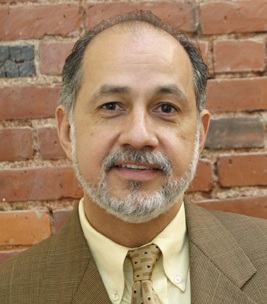
Author
Dr. Roberto Miranda
Summary: In this sermon, the speaker continues the discussion of Abraham's sacrifice of Isaac and its lessons on giving and sacrifice. He emphasizes the importance of giving in the zone of discomfort and the need for death to self in the act of giving. The speaker also highlights the various reasons why God tests us, including to glorify himself, bring out what is in us, strengthen our faith, establish spiritual principles, and promote our growth.
The speaker then focuses on Abraham's attitude in the face of God's request for the final sacrifice of Isaac. He notes that Abraham obeys immediately and without negotiation, demonstrating a willingness to give the Lord anything. The speaker also emphasizes the importance of a good disposition and cheerful giving, as demonstrated by Abraham's early morning rise.
Overall, the sermon encourages listeners to adopt a sacrificial and generous mindset in their giving and to trust in God's provision.
In Genesis 22, God asks Abraham to sacrifice his son Isaac, and Abraham obeys without hesitation. He displays cheerful giving by offering a significant amount to God and going to the place God instructed him to go. Abraham also exercises faith by declaring that he and Isaac will return, and relying on divine provision by believing that God is powerful enough to resurrect Isaac if necessary. Through Abraham's willingness to sacrifice and obey, God blessed him and fulfilled his promise to make Abraham's descendants as numerous as the sands of the sea. We should strive to have the same attitude of sacrifice and obedience in our own lives.
We are going to go from verse 1 to 14 more or less, if you please follow me.
The word of the Lord says: “...it happened after these things that God tested Abraham and said to him: Abraham, and he answered “here I am”, and said: “take now your son, your only son, Isaac whom you love, and go to the land of Moriah and offer him there as a burnt offering on one of the mountains that I will tell you about.” And Abraham got up early in the morning and saddled his donkey and took with him two of his servants and Isaac his son, and he cut wood for the burnt offering and got up and went to the place of which God had told him. On the third day Abraham raised his eyes and saw the place in the distance, then Abraham said to his servants: "Wait here with the donkey and I and the boy will go there and worship and return to you." And Abraham took the wood for the burnt offering and put it on Isaac his son, and he took the fire and the knife in his hand and they both went together. Then Isaac spoke to Abraham, his father, and said: "My father", and he answered: "Here is my son", and he said: "Here is the fire and the wood, but where is the lamb for the holocaust? ?” and Abraham answered: "God will provide himself a lamb for a burnt offering, my son," and they went together. And when they came to the place of which God had told him, Abraham built an altar there and arranged the wood, and bound Isaac his son, and put him on the altar on the wood, and Abraham stretched out his hand and took the knife to slay the man's throat. your son. Then the angel of the LORD called out to him from heaven and said, “Abraham, Abraham,” and he answered, “Here I am,” and said, “Don't stretch out your hand on the boy or do anything to him because I already know that you fear God. because you did not deny me your son, your only son”, then Abraham raised his eyes and looked and here behind him a ram caught in a thicket by its horns, and Abraham went and took the ram and offered it as a burnt offering instead of his son, and Abraham called the name of that place Jehovah will provide. Therefore it is said today in the mount of the Lord it will be provided.”
Thank you Lord for your blessed word. We entrust it to you now for our food, Father, our instruction. Use all the resources that you want to use Lord to carry this message to our hearts. In the name of Jesus. Amen.
We said that last Sunday we had a series of very important thoughts and I don't want to leave this beautiful and rich text half finished, so we are going to continue with our study this morning.
We have said, brothers, in the context of our financial campaign about the importance of living a life of giving, a life of generosity, a life of dedication to the Lord. We said that the Christian has to give in the zone of discomfort. When we only give what is comfortable for us, what does not force us, what does not make us uncomfortable, in reality it does not honor the Lord as God deserves. What honors the Lord is the holocaust, the sacrifice, it is the life that burns, the life that burns, that is the idea of the sacrifice and the holocaust. It is the sacrifice of something precious, valuable, that is released and that goes up to the presence of God as an offering and God then receives it. But that idea of death and crucifixion that is in every act of giving that we see from Genesis to the same Apocalypse, which is a book of great worship and holocaust offered to the Lord.
We talked about the illustrations that there are in Scripture, the most eloquent and shortest is that of the widow who gave everything she had. When this woman gave everything she had, she was sacrificing her hopes, putting all her hope in the Lord, in other words. So it is that we have to give many times, we have to give placing our hope in that the Lord will supply us, the Lord will give us more. And it is interesting something that we will see later; when Abraham gives he says at all times: "The Lord will provide." Isaac does not understand: "where the sacrifice will come from." Abraham tells him: "don't worry, son, God will provide." Do you remember what we also said that when we give to the Lord, another very important principle in any area of life, in fact, we have to trust in the Lord's provision. Your wife or your husband is going to tell you: okay, but we are going to give this money to this project, but where is this going to come from, where is the other going to come from? And the answer is: God will provide. That is the basic position of the believer, always: God will provide. And we're going to see that Abraham was thinking in those terms in a very, very deep way.
So, brothers, giving to the Lord in the zone of discomfort implies crucifixion and death to self. There was a lot of death that was happening in Abraham's life. Abraham was dying, that is, brothers, there was a lot of death there in that drama: Isaac died, figuratively, as the writer of Hebrews 11 says. Isaac died spiritually, he died, he did not die physically but, at that moment when Abraham was going to put the dagger there was death, a spiritual, figurative death. But Abraham also died to his dreams, to his image of a coherent, loving God, because he was asking him to kill his son like any other pagan God, to his dreams of spiritual preservation that God had told him: your descendants will bless the nations . And now at this moment God was cruelly cutting off that hope and Abraham died many deaths while ascending Mount Moría, which I have said is a very interesting word play in Spanish.
Now, we have to die too, brothers. To give to the Lord is to die. We have to continually die. We have said that there are other additional principles here. It says in Chapter 22, verse 1 that “God tested Abraham”, and we have said that God tests us. How many know that God tests us? God tests us. We have said that God tests hearts and I did this quickly this morning, I did not touch that last Sunday. Why does God test us? Look, there are several reasons: he tests us for his glory, simply to glorify himself. In the case of Job versus Satan, God wanted his glory to be manifested, it was being questioned by the devil. God said: okay, let's see what happens. God was glorified.
God tests us to bring out what is in us. God also tests us to show what is hidden in us as in the case of Israel who said: "I tested you to find out what was hidden within you."
Third, God tests us to strengthen our faith. He tests us to strengthen our faith as in the case of Abraham. At the end of that bitter trial, Abraham's life was much stronger.
God also tests us to establish spiritual principles that are to be edifying for future generations. God also tests us to establish spiritual principles as in the case, let's say, of Peter, he was tested in that bitter test of denying the Lord. Peter was edified, but we too have been edified through the centuries by reading of the trial that Peter experienced.
Finally God tests us to promote our growth. Let's go back to the case of Peter, the test, denying the Lord engendered in him a sense of brokenness, humility and dependence on God and knowing himself better. Virtues each of them that are essential for someone who is going to serve the Lord. It was bitter, the price was great, but God had a purpose, so he tested him to build him up and strengthen him. The devil tempts you, God tests you. The devil tempts you to fail the exam. God tests you so that you are strengthened and blessed and become stronger for his glory. Amen.
There have some ideas. God tested Abraham. He did not test it because God is a cruel God, but because God is a tender God but also a stern and strong father who wants to create warriors, not weak and dependent people, only in a negative way.
But now, God tests us many times, brothers, in the Bible, I see something, that God tests our hearts through our attitude towards possessions and treasures. God tests us many times in affection to see where our hearts are and God says: well, are you willing to sacrifice that new washing machine to me? You never had one in Guatemala but here it is and you want to have it, ok. And God says_ well, are you willing to continue washing your clothes there in the laundry for a while? And if you look at the hands and say: wow, I don't know, Lord. But if you are willing to do it, here comes the blessing. Because sometimes our affection is there in those material things and it is important that God tests us many times as he tested Abraham. Abraham's treasure was his son. Brothers at 130 years old, if you care about your offspring, a child is going to matter a lot to you, and God told you: ok, what you appreciate the most, that possession that you love the most, are you willing to give it to me? Do you love me more than that possession, Isaac, that I have given you?
There is something that God has a desire for his children to honor. And God is like a father who has suffered so many violations from ungrateful children that when a son is good and noble to him, his heart is pleased. There's a little bit of healing in your heart, so to speak, although God doesn't need healing. God is perfect and totally self-sufficient, but there is something there, there is a drama that is important not to forget.
I'm going to jump right now and we're going to focus now very specifically on Abraham's attitude when God asks him for the final sacrifice. We are going to see Abraham now as an example and we are going to see him react and isolate the aspects of his reaction, we are going to learn how when something great is asked of us we must also act.
The first thing I see is that Abraham obeys immediately. We see that Abraham immediately obeys. He does not negotiate with God. He doesn't say to him, for example: well, Lord, what do you think if instead of giving you Isaac I give you Ishmael who is not the legitimate one? He doesn't go to Sara and say: well, Sara, I know you have a say in this matter, because after all you had something to do with Isaac's birth, so what do you think, we give him Isaac? No, he simply says: yes, Lord. Perhaps in his heart there was doubt, there was struggle, there was a kettle of emotions but he obeys immediately. He's willing. That is the basic position, brothers of the believer. We must be available everything we have. If the Lord asks you to give it to him. Don't question it. It is one of the most beautiful things that I see in Scripture over and over again. The great men and women of God were always willing to give the Lord anything at the moment God asked them to.
So it's important that when God asks us for something..... Corrie Ten Boom, a great Christian writer said, “I've learned to hold all possessions lightly in my hands so that if God snatches them away, I won't it hurts”.
So Abraham complies immediately. The second thing I see here is that Abraham has a good disposition. Where do we see this that Abraham has that good disposition? Look, it says in verse 3: "and Abraham got up..." at 12 o'clock thinking that perhaps God was going to repent and then he was going to forget what he had asked, reluctantly. How did Abraham get up? He says that "...he got up very early in the morning." Here I see a principle and it is that the Bible says that God loves a cheerful giver. Many of us give as if grumbling: well, if you're asking me, I'm going to do it because what else is left for me. So they don't say But God loves the person who says: amen, there is a need in God's people, here I am God first. That is a great blessing.
This week someone blessed us in a conversation saying: Pastor, my husband and I have been thinking and we have decided that God is calling us and we are going to make a pledge of $20,000 and these people, from retirement, they don't want that his name is known, they have decided to make a donation of $20,000 as part of this campaign. And that's what I call cheerful giving. These people said: pastor, the Lord has blessed us in so many ways and we have seen God's blessing and have been prospered that we want to give to the Lord beyond what we feel comfortable doing.
Brothers that's a cheerful giver. That is a person who is giving beyond the comfort line. One of my favorite images in Scripture is the image of Jesus, as he was going to Jerusalem on his way to be crucified. And if it was me that was going to be sacrificed, I would go to the end of the line, so they might not see me, right? But what does the Bible say? That the Lord went before his disciples. look it up. He says that he was going ahead of his disciples towards Jerusalem knowing that he was going to be sacrificed, because that is where the person is..... the Lord was not trying to slip away. He said; no, well, my father asks this sacrifice of me, I'm going to give it and I'm going to go ahead, heading the line. That is giving to the Lord cheerfully.
The third thing I see here; then we have seen that he obeys immediately, shows good disposition. The third thing here is that he went to the place that God told him to see. Here in verse 2, God tells him: "offer it there as a burnt offering on one of the mountains that I will tell you about." In verse 3, at the end of verse 3 it says, “and he got up and went to the place that God had told him.” Here is something important and it is specific obedience. We have to give to God where God says to give and in the way that God says to give, not in the way that we think is most convenient, or that we want to adjust.
Brothers, the Bible speaks, the Bible says that we take the tithes to the Alfolí. Do you know where you offer, where you tithe? In the place where you worship, in the church where you eat. And the Bible says that's where we bring our tithe, our offerings. It's not necessarily sending it to some evangelist on TV or whatever, that's in addition to our tithe and our offerings here at our church. Now if you want to give it and it should be like that for other works and adopt a little boy in Honduras, Glory to God, do it! Or in the Dominican Republic. Amen. But your tithe, your offering must be in the place where God blesses you. The tithe, the offering is brought to the house of the Lord.
We have to give to the Lord there on Mount Moriah, where God said to give it to him, we don't make adjustments. That's where we have to lead. God asked Abraham to do something in that place and Abraham did it.
Another very important principle, exercised faith. He exercised faith and declared it verbally. Look what it says in verse 5, Abraham tells his servants "wait here with the donkey and I and the boy will go there and worship and come back to you." Wow! What is Abraham implying here? That he is going to return to his son, that he does not know why God is asking him for this great sacrifice, he does not know all the minutiae and details of the process, but he knows that in the end God is faithful and God is coherent and that he will be able to return to his son. Hallelujah! That is faith, brothers. That is faith.
And brothers, that is why tithing and giving to the Lord financially is so important because it is a way for one to declare and demonstrate faith even when many times within one, one has doubts. That thing when you give to the Lord like this, in faith, contrary to what you are feeling in your flesh and in your mind, because you say: no, but my God is faithful, my God is good, my God is coherent, He has promised, He has to fulfill, and that is something that strengthens our lives, brothers, and that then becomes a consuming feeling within us. He exercised faith and declared it.
The last principle, he relied on divine provision, relied on divine provision, in a very specific way. Where do I see this? When Isaac asks him: Who will provide the sacrifice?, Abraham answers: God will provide himself a lamb, my son. Brothers, the good thing is that the Bible itself has provided us with an even deeper understanding of what was in Abraham's mind when he said: God will provide, in Hebrews Chapter 11.
Let's go to Hebrews 11:17. It says here: "... by faith Abraham when he was tested offered Isaac and he who had received the promises offered his only begotten, having been told "in Isaac shall your offspring be called." Look at verse 19, it says: "he thought that God is powerful to raise even from the dead." Hallelujah! That is what was in Abraham's mind. Abraham was thinking, which the writer of Hebrews suggests to us that he is the holy spirit and that he knows all the thoughts that were in Abraham's mind three thousand years ago, Abraham was saying: even if God asks me to kill my son, I I know that He is powerful to resurrect me. He was willing to kill his son, he did not know that God had another more benevolent plan and that was that he did not have to sacrifice him. But he said, although God is asking me to kill him, I know that He is powerful to lift me up, so that I can return to him and that God's promise can be fulfilled. Brethren, that is faith in divine provision. Glory to God. That means, my brothers, that there will be times when God will ask you for something and you will not see the way out, and days will go by and you will not be able to understand where the solution will come from, but you have to believe that God in some way that you can't even imagine, He is going to pull the rabbit out of the hat and He knows how He does it. God has methods that you can never understand. God's creativity knows no limits. The ways in which he blesses his children are limitless. The ways of showing himself faithful, consistent, fair are countless. Our part is to believe that He can do it, and leave the details to the Lord. That position of faith is difficult for everyone, including the one who preaches to them, but I know that this is where God wants me. And although I don't know all the details, I know that my God is powerful and that what He wants is simply for me to go through that process and learn certain things.
Brothers, God's response, the blessing was immediate. The angel of God told him: stop because you have shown me your faithfulness, I am going to bless you, I am going to give you not only Isaac, I am going to give you other children, I am going to give you descendants that if you could count the sands of the sea, you will be able to count your descendants. God told him: Abraham, your offspring will be so great that you will not be able to count them. Look, three thousand plus years later here are two hundred plus of those descendants of Abraham, here in Boston, in Roxbury. just imagine. What was Roxbury when God gave that promise to Abraham? I think it was just a piece of stone. Look today there is a city here and the descendants of Abraham are expounding that history. The blessing was fulfilled because Abraham was willing to open that zone of deficit, enter that zone of discomfort, sacrifice himself, die in the holocaust and God told him: now, from that holocaust I am going to draw a blessing for you and for many also that will be part of your drama.
May this be our heritage, brothers and may we honor this man's life as we give to the Lord in all aspects of our lives. Amen. Glory to the Lord.
Let's stand up. Let's just take a moment to offer our lives, consecrate that there in our hearts, that attitude of Abraham. Let's absorb it into our hearts. We are going to tell him: Father, I want to be like Abraham. That if you ask me for what I love the most, what gives me comfort, what I like the most, what brings me the most pleasure, that, Lord, I am willing to give it to you if you ask me, and by honoring you in that way. way, I know that you are going to bless me. Thank my Lord. We adore you, Father. We give ourselves to you. Lord, help me first to be able to absorb Abraham's position in my life. Help each one of us. Holy Spirit, we know that only you can give us that level of nobility. We know Lord, there is life, there is wealth, there is blessing. He who dies, lives. He who gives himself receives. He who buries himself rises. He who is denied is affirmed. He who is impoverished is enriched. The one that opens is filled. We want like this, Lord, to have that spirit. Thank my Lord. Thank you in your name Jesus. Thank my Lord. Amen. Amen.