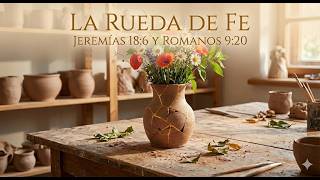
Reshaped for Glory: Embracing the Potter's Will
“O house of Israel, declares the LORD, can I not treat you as this potter treats his clay? Just like clay in the potter’s hand, so are you in My hand, O house of Israel. — Jeremiah 18:6
But who are you, O man, to talk back to God? Shall what is formed say to Him who formed it, “Why did You make me like this?” — Romans 9:20
Summary: The timeless metaphor of the Potter and the clay profoundly reveals God's character and our place in His divine plan. As believers, we learn that God, our Master, holds absolute authority to shape us as He sees fit. Our choices, however, are critical; a pliable heart allows for continuous purification, while stubbornness resists His touch. We are called to humbly trust His patience and His vast redemptive purpose, knowing He is tirelessly forming us into vessels fit for His eternal glory, encompassing all in His glorious mercy.
As believers, we find profound insight into God's character and our place in His divine plan through the timeless metaphor of the Potter and the clay. This imagery, deeply woven into the fabric of scripture, unveils truths about divine sovereignty, human responsibility, and God's enduring purpose for His creation.
From the prophetic message given through Jeremiah, we learn that God, our Master Potter, possesses absolute authority over His creation. He has the right to shape and reshape nations and individuals as He sees fit. The initial shaping observed by Jeremiah reveals God's dynamic responsiveness: when His people, represented as the clay, became marred by their rebellion and sin, the Potter did not immediately discard them. Instead, He patiently worked the clay into another vessel, indicating His willingness to relent from announced judgment if the people repented. This teaches us a crucial lesson: our choices and our posture toward God matter. He is a God who actively engages with His creation, offering opportunities for change and restoration when we turn from our waywardness. Stubbornness, however, can lead to a hardening, making the clay unworkable in its original form and necessitating a different, perhaps more severe, reshaping.
Centuries later, the Apostle Paul takes up this powerful metaphor to address the agonizing question of Israel's unbelief and the inclusion of Gentiles within God's redemptive plan. When confronted with questions about God's fairness in choosing some and hardening others, Paul emphatically asserts the Creator's unquestionable right. He reminds us that the "lump" from which all humanity comes is under God's ultimate authority. From this same lump, God has the prerogative to fashion vessels for honorable use and others for less honorable, or even destructive, purposes. This isn't a call to question God's justice, but to humble ourselves before His infinite wisdom, acknowledging that His ways are far above our comprehension.
A critical insight from Paul's use of this metaphor is God's "much patience" with those vessels destined for wrath. This patience is not a sign of indifference, but an active endurance, allowing time for His greater redemptive purposes to unfold. Just as the potter in Jeremiah worked with the marred clay, God's patience serves to facilitate a grander design: the salvation of a remnant of Israel and the ingathering of countless Gentiles into His family. The "vessels of wrath" are not necessarily abandoned; rather, their temporary hardening or role serves to highlight God's power and to open the door for mercy to others, ultimately ensuring that His name is proclaimed and His plan of salvation extended globally.
The interplay between these profound scriptural passages illuminates several edifying messages for believers today:
- Embrace Divine Sovereignty with Humility: We are indeed the clay, and God is the Potter. We are called to surrender to His masterful hand, trusting that His design for our lives, even through difficult or painful reshaping, is always for His glory and our ultimate good. We do not have the right to question His methods, but to bow in humble submission to His perfect will.
- Cultivate a Pliable Heart: The lesson from Jeremiah is clear: our response to God's word is critical. When we are marred by sin, God yearns for us to turn from our evil ways so that He might rework us into a vessel of honor. A hardened heart resists the Potter's touch, but a pliable heart, quick to repent and obey, allows for continuous shaping and purification.
- Trust God's Patient Purpose: When we observe circumstances that seem unjust or difficult, whether in our own lives or in the wider world, we are to remember God's "much patience." He endures with longsuffering, meticulously working through history to achieve His ultimate redemptive purposes. His plans are vast and often extend beyond our immediate sight, encompassing the salvation of many and the display of His glorious mercy.
- Recognize the Inclusivity of God's Family: Paul's revelation that God forms vessels of mercy from both Jew and Gentile underscores that God's new covenant community, the Church, is open to all who believe. Our identity in Christ transcends ethnic or societal distinctions. We are all "vessels of mercy," called into His glory, reflecting the rich diversity of His grace.
Ultimately, the Potter and the clay metaphor serves as a powerful reminder that God is actively at work, constantly shaping, reshaping, and perfecting His people. We are called to trust His hand, remain malleable to His Spirit, and embrace His sovereign will, knowing that He is tirelessly forming us into vessels fit for His eternal glory.
What do you think?
What do you think about "Reshaped for Glory: Embracing the Potter's Will"?
Related Content
The Wheel of Grace
Father, Your Will Be Done Because I Am a Mere Servant of Yours
The Lord did not cling to his privileged condition but he stripped himself of it and became like a man, and not just any man but a doulos, a slave of ...
The Potter and the Clay: an Exhaustive Exegetical and Theological Analysis of the Intertextual Dynamics Between Jeremiah 18:6 and Romans 9:20
Jeremiah 18:6 • Romans 9:20
1. Introduction The metaphor of the potter and the clay constitutes one of the most enduring and evocative images within the Judeo-Christian scriptur...
Read in Context
Click to see verses in their full context.
Song (Other Languages)