The Architecture of Trust: Embracing Childlikeness for Kingdom Living
Surely I have stilled and quieted my soul; like a weaned child with his mother, like a weaned child is my soul within me. — Psalms 131:2
“Truly I tell you,” Jesus said, “unless you change and become like little children, you will never enter the kingdom of heaven." — Matthew 18:3
Summary: True spiritual maturity is not self-sufficiency, but a profound, childlike dependency on God. This journey involves a spiritual weaning from worldly consolations, transforming our faith from being provision-centered to presence-centered, where we seek God's presence above all else. As Jesus taught, it requires us to reverse our adult values, embracing humility and surrender as true strength. Cultivating this "weaned-child spirit" through disciplines fosters a secure attachment with God, ultimately leading to profound contentment, peace, and a joyous relationship with our Divine Parent.
The journey of faith culminates not in self-sufficiency, but in a profound, mature dependency on God—a state best understood as "childlikeness." This divine truth is beautifully woven through the scriptures, from ancient psalms to the teachings of Jesus, offering believers a pathway to deep peace and true spiritual maturity.
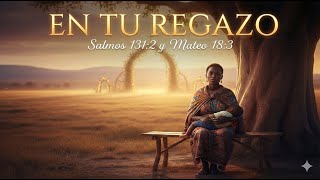
In the Old Testament, the imagery of the "weaned child" speaks volumes about this spiritual transformation. Unlike a nursing infant driven by immediate, agitated demands for sustenance, the weaned child has moved beyond the "battle" of weaning. This process, often occurring in early childhood in ancient cultures, involved a significant psychological shift from biological necessity to relational choice. The weaned child sits calmly with its mother, not for milk, but for the simple joy and security of her presence. This depicts a soul that has been "calmed and quieted," having intentionally worked, by grace, to level its stormy impulses and conquer fretful desires. Spiritual weaning, then, is God's loving process of removing our reliance on "worldly consolations"—whether it be comfort, provision, or status—to draw us into a higher, more intimate form of dependence, where we seek His presence above all else. It's the journey from a provision-centered faith to a presence-centered love.
Jesus radically redefines greatness in the New Testament by pointing to the "little child." In a world that valued honor, status, and self-sufficiency, Jesus declared that unless we "turn" and "become like little children," we cannot enter the Kingdom of Heaven. The children Jesus referred to were those at the lowest rung of society—vulnerable, without status, and utterly dependent. His command is a call to a fundamental reversal of our adult values, urging us to intentionally choose a posture of weakness and surrender our self-sufficiency. It's not about being childish in our immaturity or demanding nature, but childlike in our humility, trust, and willingness to embrace a position of lowliness.
When we synthesize these profound insights, a clear picture emerges. True spiritual maturity is not an ascent to independent strength, but a "reversion" to a stilled dependency on God. This means actively engaging in the "labor" of humility—like David calming his own soul—and radically "turning" from the world’s pursuit of rank and ambition, as Jesus instructed. This is the paradox of "active passive rest": we work to surrender our anxieties and desires, only to find profound contentment and peace in God's embrace.
This divine architecture of dependency has deep implications for our inner lives and our communities. Psychologically, it fosters a secure attachment with God, replacing anxious striving with trust in His constancy. It helps us navigate seasons of spiritual dryness, understanding them as divine weaning that deepens our longing for God's presence, not merely His provisions. Sociologically, it calls us to abandon social competition within the church and to genuinely welcome and uphold the "little ones"—all those marginalized or overlooked by society. It challenges "productivity idolatry," reminding us that our worth is not tied to our achievements, and encourages leaders to find true rest in God's presence rather than through aggressive ambition.
To cultivate this "weaned-child spirit," we are called to embrace spiritual disciplines:
Ultimately, Jesus Himself is the perfect model of childlikeness, demonstrating total dependency on the Father and embodying authority exercised in humility. He made Himself weak and vulnerable, choosing surrender, and in doing so, revealed true strength. As we follow His example, we embrace an eschatological hope—a settled confidence in God that assures us of His provision for both today and eternity.
This pursuit of childlikeness—a sanctified weanedness—is a fundamental requirement for all who seek to enter and truly live within the Kingdom of Heaven. It is a reversal of pride and self-worship, inviting us into a secure and joyful relationship with our Divine Parent, where His presence surpasses all earthly desires and anxieties. It is in this profound, quiet dependence that we find the pearl of peace and unlock the gate to a life truly lived in God's embrace.
What do you think?
What do you think about "The Architecture of Trust: Embracing Childlikeness for Kingdom Living"?
Related Content
In Your Embrace
An Attitude of Total Humility and Total Surrender to the Will of the Father
The Lord wants to instill in us that attitude of complete humility, complete subjection, total surrender to the Lordship and the Will of God. In this ...
The Architecture of Spiritual Dependency: a Comprehensive Lexical and Theological Analysis of the Interplay Between Psalm 131:2 and Matthew 18:3
Psalms 131:2 • Matthew 18:3
The theological concept of childlikeness serves as a fundamental pillar in the biblical understanding of the relationship between humanity and the Div...
Read in Context
Click to see verses in their full context.
Song (Other Languages)