 Predicas.orgPredicas.org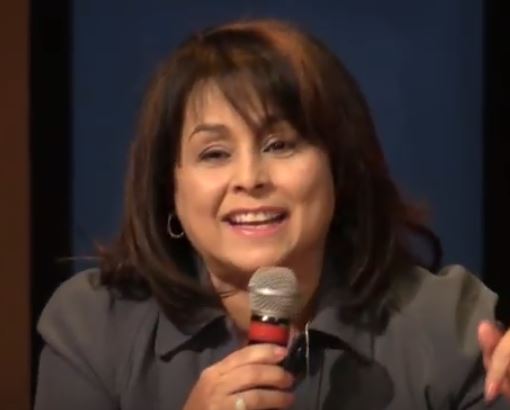
Author
Awilda Gonzalez
Summary: The theme of this sermon is "Does God know?" and it is based on the book of Hosea in the Old Testament. The speaker begins by reading Hosea 8:1-4, which talks about how Israel had turned away from serving Jehovah and was worshiping other gods, but still wanted to continue worshiping God. The speaker explains that when God says "I did not know" in verse 4, it actually means that Israel did not consult with Him and rejected His divine government, which was a form of belittling Him.
The speaker then applies this theme to our own lives, saying that sometimes we may not consult with God about a particular matter and try to hide it from Him. However, God knows everything and expects us to come to Him daily and consult with Him about all matters of our lives.
The speaker also talks about the lack of congruence between what is said and what is done, and mentions that fear of the answer, experiences and emotions, and lack of discipline are some possible reasons why we may avoid talking to God. However, the speaker emphasizes that we must turn our hearts to God and worship only Him, and not let anything else take first place in our lives.
In Hosea, God tells the people that they were destroyed because they lacked knowledge of His Word. It is important to trust in God, worship only Him, and obey His Word. We must also tell God everything and appeal to His mercy. When we consult with God in all decisions, we can have peace in the midst of circumstances and accept God's sovereignty. God's grace is available to us, no matter how many times we have failed. Let us come closer to God and consult everything with Him.
(Audio is in Spanish)
The theme for today is titled: Does God know? I want to invite you to situate yourself, the Book of the prophet Hosea in the Old Testament, chapter 8 verses from 1 to 4 we are going to read. But first let us pray: Father, we thank You for Your Presence in this place. We have come to adore You and to bless Your Name, but we have also come to listen to Your Word, and we open our hearts, taking every thought captive to the obedience of Christ Jesus, in such a way that Your Word does in us that for which You send it. , amen.
Hosea 8, verses from 1 to 4 read as follows: "Put a trumpet in your mouth. He comes like an eagle against the house of the Lord, because they have transgressed my covenant and rebelled against my law. Israel will cry to me: My God, we have known you. Israel has rejected good; the enemy will pursue him. They have set up kings, but not chosen by me; they have set up princes, but I did not know it."
When reading this biblical verse, especially verse 4, when God declares that I did not know that you made kings, that you made princes, we might ask ourselves: but did God really not know? Of course not, God did know. And we could ask ourselves: is it possible that, at some point in our Christian life, God says of us: But I didn't know?
When the prophet Hosea speaks to Israel in this way, God through the prophet Hosea uses irony to capture Israel's intention. In other words, what God is really saying to them is: I really did know what they were doing but it also gives strength to the fact that Israel did not consult him.
But the interesting thing about the whole context and the moment in the life of Israel in which this occurs is that Israel had turned away from serving Jehovah and was worshiping other gods, but at the same time they wanted to try to continue worshiping God, so They make determinations to establish their own kings, their own princes, but they do not consult their God. And doing things contrary to the Will of God they still think that Jehovah is on their side and in their favor.
Now, if we briefly analyze the historical background of the establishment of kings in Israel, we will understand a little more what is happening here. God had established a theocracy where He ruled over His people. The people see that other nations, Israel see that other nations are governed by kings and ask that a king be the one to govern them, but God responds to that request, but God considered that his first king, the first king to be established in Israel, God considered him as chosen by the people, not by Him, and He even warns them of the negative things that would happen because of that choice, and also indicates that by doing this they were belittling Him, the God and Lord, and the Almighty King. .
So when God is saying: And I didn't know it, really what he is saying is: They have belittled Me in their choices, in their decisions. The phrase: "I did not know" means not consulting with God, rejecting the divine government and belittling the Lord.
Now, applying this to our life we could say, or talk a little about what God "did not know" about us. Although we are not necessarily in a condition like Israel was in, sometimes being Christians and having a life of prayer seeking God, we may at some point in our lives want not to tell him or consult with God about a particular matter. As if not telling God made God not know.
And more than anything, the fact that God knows, because God obviously knows everything, implies the fact of an intimate relationship with God where we hide nothing from him. I want to illustrate this with an example from everyday life regarding, for example, the relationship between parents and children.
When my youngest son Jonathan was a teenager, he went out for a bike ride and decided to ride in the area where he hadn't been allowed to ride and we didn't know about it. When a policeman knocks on my door, I am surprised and scared thinking that something terrible had happened to my son, thank God nothing negative happened to him, but I did not know. In the same way, when we do not consult with God about a particular aspect or issue, we can put our Christian life, our relationship with God, family relationships, social relationships, ministry, different areas and roles in our lives at risk.
We can say that in our relationship with God it is fundamental to keep in esteem who the Lord is, when we do not consult with Him properly we are despising the Lordship of God in our lives. Now, I want to clarify: it does not imply that God is watching us like a policeman to see where we move and what we do, and every detail of our lives we have to be desperately running before the Presence of God because He knows everything, but He does wait that we go to Him daily, constantly in a relationship of love, in a relationship of intimacy and closeness with God.
Was Israel playing hide and seek with God? we might wonder. Looks like. In the Scriptures we also see many cases where people tried to play hide and seek with God, like Adam and Eve at creation, like David when he sinned with Bathsheba who tried to hide God, but God knew everything.
Sometimes there is a particular matter that we do not want to take to God for whatever reason, for whatever reason, and we keep it within ourselves and we do not bring it out before the Presence of God, and that is precisely what can affect our lives. .
I tell you when my son was in sixth grade, I went to pick him up at school and he was sitting in the back seat when we went home. At the moment my sister was with me, she looks at the back seat and doesn't see anyone, and she gets scared, and I get scared, I stop my car and I don't understand what is happening because my son was in the back seat. Silence, nothing happens and for the moment, the back seat is lowered and it was because it was hidden in the trunk, or the trunk. Tremendous scare!
Sometimes we want to play hide and seek with God but we cannot hide anything in the Presence of God, nothing is hidden, God knows everything, but He expects us to go before His Presence, He expects us to consult Him about all the matters of our lives.
Now, returning to Israel God did not know but the idols did. They were worshiping Baal, a pagan god, the god of rain, they were trying to keep worshiping God but worshiping what? false religions. And what brought Israel to this condition? I will mention a few points briefly.
First: trespass and rebel. Hosea 8:1 said, "Because they have transgressed My covenant and rebelled against My law." The pact was a pact of love, a pact where the established law had to be complied with, but behind that law was the love of God. Behind the aspect of the principle of consulting with God is the love for our life that wants to take care of us, protect us, keep us in the midst of any circumstance that may come to us. I think that sometimes, like Israel, we fail to understand the magnitude of God's love for us.
I will tell you the experience of a woman I met, who got married and had a very peaceful home, but economically it was very limited, although all needs were covered, all needs. One day a man falls in love with her, a man of economic position who offers her well-being and many material things, and she decides to leave her home. She belittled the care and love of her husband and went to other arms in order to look for other areas, and that those areas were supplied.
One day I ran into her in a restaurant and with tears in her eyes she told me: "I lost the best thing I had." Sometimes we can lose, in some sense, the intensity of our relationship with our God, because of what? because of not esteeming the God we serve.
Another aspect that I want to mention regarding Israel to apply it to us is: the lack of congruence between what is said and what is done. Verse 2 said, "Israel will cry out to me: My God, we know you." But it is interesting that Israel is going to claim this, when? when the time of judgment comes because of the condition in which the people are. "We have met you" but what? but we are not serving you Lord, there is no congruence between what they declare and what they do.
And knowing God is not simply knowing God, it is being intimate with God. In fact, Israel's relationship with God in the Book of Hosea is described by example, the image of marriage, and God's love for Israel is described in this way in this Book, but infidelity is also described with the same image. .
In Hosea 11:7 God declares to him: "My people are clinging to rebellion against Me. Although they call me The Most High, no one absolutely wants to exalt me." One thing is what they say and another thing is what they do. We must have harmony between what we say and what we do. Jesus declared: "Why do you call me: Lord, Lord, and do not do what I tell you?
Other possible reasons why, applying it now to us, we can try to avoid talking to God about a particular matter, and I will mention it briefly: fear of the answer. We want something so much and so much, and we think that God is going to tell us no, and how is he going to tell us that we are putting up with it a little, a little bit and we don't consult with God.
I want to give an example: on one occasion I wanted to ask God for something and I prayed about it but not directly, but then at a given moment I am saying: Lord, I need to place this in front of Your Presence and for You to speak to me, tell me yes. or tell me no, and no one knew this. I receive a call from a woman of God that God uses in prophecy and in the gift of knowledge, and although we should not be looking for this type of thing, but God has these gifts in the midst of his people. And God spoke to me and said: If I tell you A, you will be happy; I'm not counting what it was, just assigning it as A. If I tell you B, I know you'll obey me.
That is, if God answered me in one way I would be happy, that was what I wanted, but if God told me the other way that was not what I would have wanted, He knew that I was going to obey him. And in that God's way of speaking to me at that particular moment let me see God's love, care, and that He understands my internal struggles, and that He understands my heart. There are occasions, to mention some other possible reasons, in which the experiences that we have lived in our life, and emotions, our affected emotions, are the ones that want to prevent us from getting closer to God.
I will tell you the experience of a man who, when I prayed in public, referred to God as "Daddy." And then it turns out that this man, this brother is listening and at the end of the sentence he approaches me and says: "I can't call God daddy." Dialogue with him I discover that his father, his earthly father did not treat him with love, he did not treat him with affection but rather spoke to him loudly. So he did not have the experience, the figure of a loving father, therefore that affective experience in childhood transferred her to her relationship with God.
There could be many other reasons that we could mention, such as letting ourselves be deceived by the enemy, carelessness and lack of the spiritual discipline of prayer, seeking God, reading the Word and many other reasons, but I want to mention a few main points in as to what to do if God did not know.
And the first thing God tells Israel is to turn to Him, "You then turn to your God." And this turning to God implies a change of direction, and a change of heart, and a change of action. So we can ask ourselves: does God know? and if God does not know, let us turn our hearts to Him.
Another quick point I want to mention: let God take first place and worship only Him. Israel turned to idolatry but there are people, not us, none of us, who can turn to idolatry for work, for career, by social position. The friendships, the house, the car, the possessions that we have. In the different stages and experiences in our life we can run the risk of falling into some sense of idolatry and leaving God in second place.
For example: in the women's conferences I have noticed that many women, while they are married, have a very encouraging relationship with God, very close to God, they have a negative experience in their marriage and that relationship cools off, the relationship with God cools down because of the events that have occurred. Or people who have been alone and when they get married, and already have a partner, then their relationship with God cools off. Or, for example, an elderly person who has an excessive concern for health and spends his time visiting doctors, visiting doctors, and concern for health occupies priority in his life.
I am not saying with this that we are oblivious or that I am oblivious to the needs that we go through in life, emotional needs and lacks that we go through and experience. When I tell you this I am telling you honestly and telling you that what I say and what I preach I have lived. Being accompanied, or being alone, I will serve my God. And whoever has ears to hear, let him hear.
When we have that close relationship with God, we can then trust in God and not in our ways, and it is precisely the other point that I wanted to mention regarding what we have to do: trust in your God that He will support you in the midst of your circumstances. God has not come down from His Throne, God continues to reign.
The other point I want to mention is that we must know and obey the Word of God. Precisely in Hosea God tells the people: "My people were destroyed because they lacked knowledge" and after having the knowledge of the Word of God, take it to action.
The other point I want to make briefly is that we must uphold the principle of telling or telling God everything. Sometimes we want to hide something from God and that is precisely what can cause us harm. I suggest that when for some particular circumstance we would like to guard our hearts, we say: Lord, I don't know how I'm going to tell you, or tell him: I have something I should tell you but it's hard for me to get it out, but here I am Lord. The Lord knows your struggles, your temptations, your problems and He is willing to help you.
Remember that our relationship with God is based on love. God is not waiting for you to go to His Throne and since before your arrival he is pointing his finger at you, on the contrary, he is with open arms to receive you, no matter what you come to tell him or tell him.
The other point I want to mention is: appeal to God's mercy. Hosea declares: "Take with you words of supplication, return to Jehovah and say to him: remove all iniquity, accept what is good, we will offer you the offering of our lips" and then he says: "Because in You the orphan will obtain mercy." So that metaphorical image of an orphan reaching mercy speaks to me that we in the new covenant are not orphans, we are sons, daughters of God and in Him we have mercy.
I want to briefly tell the experience of a young woman in Costa Rica who had to appeal to God's mercy because she got sick with a stomach condition, the doctors couldn't find what she had, she was a Christian and given this situation she distanced herself from God and got angry With God. The doctors determine that she has a bacterium in her stomach and she continues with a spiritual condition far from God. His body deteriorates, he becomes seriously emaciated.
And one day he decides to return to the Lord. She reconciles with the Lord and goes to a women's camp that I was going to be ministering to. When I made the call, she remained kneeling in the place, waiting for the line to be shorter, and she said to the Lord: I need You to heal me, I need healing of the soul, body, and spirit. When she comes forward and I go to pray for her, the first thing God shows me and I declare: Lord heal her spirit, soul and body. And before declaring that Word, God led me to place my hand on his stomach. I didn't know but God did know.
So God's mercy is available to us. When God knows it, His Grace is upon our lives, and we are grateful for that grace that is granted to us. When God knows we know that God is our help. When God knows we have God's care. We are productive people, full of encouragement in God. And when God knows it we can have peace in the midst of circumstances and accept God's sovereignty.
Let us take care to consult everything with the Lord. Before you text or post anything on Facebook, check with your God first. Ask yourself, yourself: does God know? in every decision to make ask yourself: does God know? stand up please.
We adore you God. We thank You, Lord, for Your Word. Thank you because the example of Israel helps us to make us aware that we have to be in contact with You. We come before Your Presence acknowledging that if at any time we have failed, no matter how many times it has happened, Your arms are outstretched to embrace us. And in this hour I ask you Holy Spirit that You minister to every life. Spirit of God, I ask you to occupy every heart that opens to You, Lord, who is recognizing the need in his life to get closer to You, consulting everything with You, Lord.
And at this hour, Lord, minister Your peace, minister Your Grace, minister, Lord, Your Presence of love over every heart, and I declare that from now on we are going to walk closer to You, consulting all Lord, because in You we will find help. Thank you Lord, amen, amen.