 Predicas.orgPredicas.org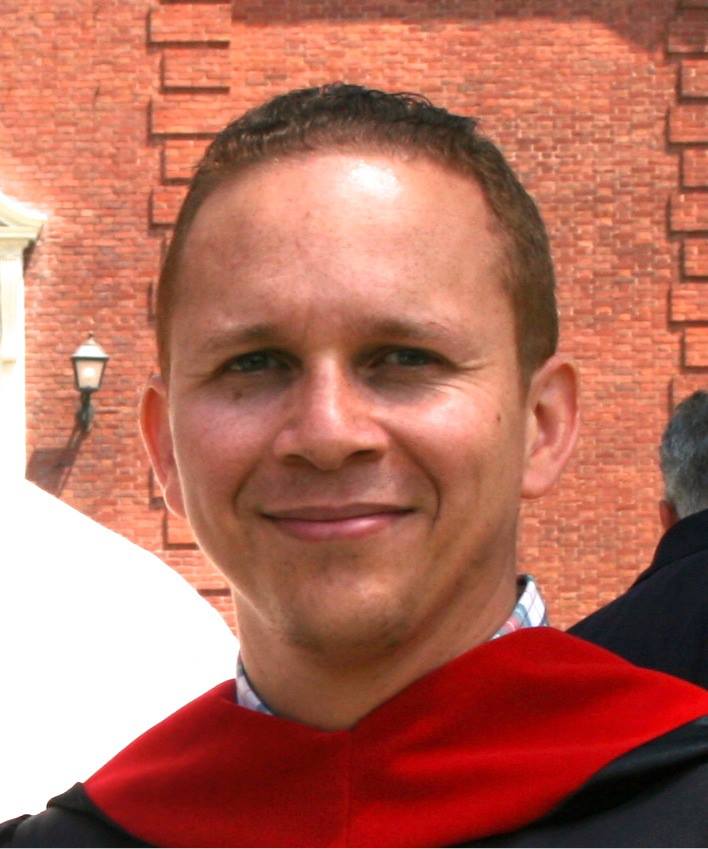
Author
Samuel Caraballo
Summary: The author's daughter was born with Down syndrome and autism, leading him to reflect on what will happen to her when he is no longer here. He calls upon the Church to be a light in the dark for people like his daughter, by showing empathy and affective participation. He suggests ways in which congregations can support families with disabilities, such as assisting with medical appointments, providing accessible transportation, and creating an inclusive community. The author's family has established a non-profit organization to promote and train communities of faith to receive and include people with disabilities.
(Audio is in Spanish)
Four years ago a very special person came to my family. My daughter Natalia Luz Caraballo Martínez, was born to fill our lives with love and joy. Natalia's arrival introduced both my wife and me to the world of people with special needs. "Nati" was born with a condition known as Down syndrome. Over time Natalia has also been diagnosed within the Autism spectrum. And what I want to share with you is a reflection based on a question that both I and many parents of children like Natalia ask themselves every day, and this is,
What will happen to my daughter when we are no longer here?
The future is uncertain, and what tomorrow holds for us only God knows, but as our Lord Jesus Christ taught us, the wise man takes the initiative to build his house on the rock before any eventuality arrives. Whatever happens, me and my family would like the body of Christ, the Church, to take the initiative to be light in the dark for people like Natalia. Needless to say, the many obscurities that exist in our society such as rejection and prejudice that people like Natalia have to face every day of their lives.
You may wonder, how can I be an agent of the light of Christ in the lives of people with physical or intellectual disabilities? In Natalia's case, being light means that we will not see her as a recipient of our sorrow. In Puerto Rico, my homeland, there is a well-known expression when we feel sorry for someone or something: “Hay blessito” is what we usually say when grief strikes us. However, being a light in the lives of people with special needs does not mean feeling “sorry”. What is needed to be light in these people is a good dose of "empathy." Empathy, unlike "grief", is the ability to affectively participate in the experiences that affect our neighbor. While grief leads us to feel sorry, empathy leads us to walk hand in hand with people with physical or intellectual disabilities and their families. The clearest call to empathy is given to us by the Apostle Paul in his letter to the Romans: "Rejoice with those who rejoice: weep with those who mourn." (Rom 12:15).
In my personal experience as the parent of a girl with an intellectual disability, I have experienced countless events that fill me with great joy. There have also been times of pain and tears. However, whether in joy or sadness, the call of the Church of Jesus Christ remains the same; a call for affective participation. Being present in an affective way in the family life of people with disabilities is a challenge open to all congregations. The reality is that both the affected individual and the caregivers can easily become disengaged from the congregation as they plunge into the task of dealing with the complications of their condition. Providing proper care for these individuals requires physical, emotional, and spiritual effort 24 hours a day, 7 days a week. Therefore, pastoral and lay care for such families also requires a proactive, intentional, and creative mindset.
For example: Yes, Carmen, Carlitos' mother, a little boy who has cerebral palsy, has not attended church the last two Sundays, most likely her absence is related to the care of her child. It would be good to take initiatives that help both Carmen and Carlitos to integrate into the life of the congregation.
Type of affective actions:
It is important to recognize that the common denominator of these and many other examples is the need to form an affective community around these people. The goal is not to meet all the needs that exist. Rather, it is walking hand in hand with our neighbor through the stages of life.
For this reason my family has taken on the task of creating a non-profit organization that seeks to promote and train communities of faith to receive and include people with disabilities, whether physical or intellectual. I invite you to join this effort! Please visit our website www.todahabilidad.org
Remember that in actions of intentional service for people with disabilities the words of that beautiful song based on Psalm 133 are fulfilled: “See how good and how delightful it is to live the brothers together in harmony! For there the Lord sends blessing, And eternal life. "
Thank you and always forward in the Lord!
What do you think about "A Call for Empathy: Reflecting the Light of Christ in the Lives of People with Disabilities"?
Click to see verses in their full context.