Late Fruit
The result of humility and the fear of Yahweh Is wealth, honor, and life. — Proverbs 22:4
Therefore bring forth fruit worthy of repentance! — Matthew 3:8
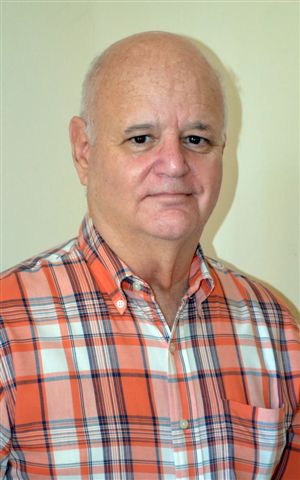
Author
Alberto González Muñoz
Summary: The author reflects on the stories of his father and a friend, both of whom professed atheism in their youth but returned to religious beliefs and practices in their old age. The author acknowledges that their return to faith may have been due to unresolved internal conflicts, but believes that there may have also been a genuine spiritual need that was suppressed. He encourages readers not to wait until old age to seek a relationship with God, and to pray for atheists and renegade believers who may be struggling with their faith.
The stories I told in previous meditations of my elderly and sick father praying every night, and of Joseph, also in the same situation, repeating Psalm 23 have common elements. They both believed in God in their childhood and youth and then boasted of being unbelievers.
They professed to be atheists in the most productive, important and meaningful time of their lives. They rejected all religious sentiment and if someone had told them then that in the end they were going to experience these manifestations of religiosity, they might have been offended. They felt strong, owners of themselves, promoting life projects to which they passionately dedicated all their strength and abilities.
The return, already close to death, to Christian feelings and practices, was in their case only a senile act with no further implications? Was it simply a psychological regression of which they weren't aware? Even so, regression is a regression to previous psychological states or forms of behavior, due to unresolved tensions or conflicts. Therefore, I dare to assure you that the experience of abandoning faith and relationship with God was very traumatic for them, although they both hid it very well for a long time. It is possible that the decision to abandon the faith - perhaps driven by strong social currents that at that time in Cuba were presented as absolutely scientific - provoked in them an intense internal conflict that they tried to calm by finding reasons for their behavior and at the same time reaffirming their disbelief radically, never daring to confess their mistake when they realized their need for God ...
Although this psychological explanation of their stories satisfies me, I personally believe that there is much more behind these two lives and their outcomes. It is quite possible that at some point they began to feel the need for God again, and I believe that in some way they both manifested it. My father visiting our parsonage, strengthening his relationship with me, and eavesdropping on my sermons from the parsonage window. José, assiduously visiting a church, even if he did not make a public profession of faith.
Respect for their privacy does not allow me to share other clear indications that they offered of a change in their ways of thinking and acting. In the end, when by the law of life all the barriers that they raised fell, perhaps as a result of the incredulous environment in which their lives developed as adults, what was well guarded all the time in privacy emerged and manifested itself the only way that already in his physical condition was possible.
There are reasons that encourage me to insist on their stories. I am afraid that there are people in the same condition and I want to encourage you not to wait until so late to start the path back to Godhead. On the other hand, I deeply believe that the gospel seed planted in a heart can bear fruit when we least expect it. Behind an atheist or a renegade believer there may be a heart like my father's or José's.
So shouldn't we pray for those people?
God bless you!