Prophets Wanted
For the Lord takes pleasure in his people. He crowns the humble with salvation. — Psalms 149:4
For if I preach the Gospel, I have nothing to boast about; for necessity is laid on me; but woe is to me, if I don't preach the Gospel. — 1 Corinthians 9:16
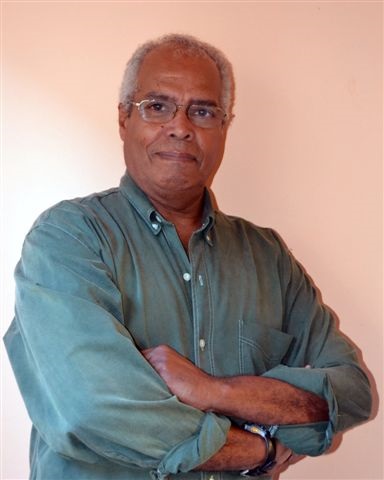
Author
Faustino de Jesús Zamora Vargas
Summary: We need to continue preaching the Gospel even if some reject it or choose not to listen. Like the Apostle Philip who was sent to find the Ethiopian, we should approach those who may already have access to the Word but still need someone to explain it to them. We cannot be afraid of rejection or confrontation, as Christ Himself confronted His peers with the truth. We must also act in justice, embrace mercy and piety, and help those who suffer. There are still many people in the world who need to hear the Good News, and we must be willing to share it with them.
There will be crowds, despite our preaching, who will choose not to listen to the message or to consciously reject it. God will not send them to hell, but they will do it themselves; our thing is to deal with darkness as Christ did and try again and again , that our neighbor is brought to light by the power of the Gospel. We have not been sent into the world by Jesus Christ to live for ourselves alone, but to glorify him in everything and preach to “the Ethiopians”.
God sent the Apostle Philip to find the Ethiopian (Acts 8: 26–39). The Ethiopian was looking for someone to explain the Scripture to him. It was a sovereign act of God to disturb the Ethiopian to receive and understand the Word and an act of the will of Philip, guided by the Spirit, to approach the Ethiopian and announce the gospel of Jesus Christ. It was a divine encounter that culminated in the conversion and baptism of the Ethiopian.
On countless occasions, people we approach because of the itch that the Spirit of proclaiming the Gospel gives you, stop you in your tracks and tell you that since childhood they have had a Bible at home, that they have read it many times and that they have not we need to preach to them "what they already know" for a long time. These are the least. Most are those who admit that there has always been a bible in their house, but they have seldom or never been interested in knowing what it is about, or they simply declare themselves staunch atheists who do not want to know anything about God because such does not exist.
We all know people who, like the Ethiopian, have the Word "in their hands" or in a nearby place and yet they long to find someone who will explain what it is about and tell them about saving faith and the person of Jesus. It depends on you and me. There is a world turned to religiosity, it does not matter which God is worshiped, nor the sacrifices that have to be made. The important thing is to ride the train of fallacy to be in tune with the trends. People no longer only deny God, but they do not even fear the consequences of living turning their backs on him. If we don't preach the true God, they go to the first god they come across. I am sure that you have a few Ethiopians in your family, acquaintances and friends who are waiting for you, deliberately and consciously, to explain the truths of the Gospel to them.
Sometimes it is up to our will to tell other people about Christ. We do not want anyone to reject us in the endeavor of presenting the Good News, as if we were the authors of the faith and the apostles who try to get along with those who listen to them. If there was one person who was not concerned about being good with crowds, it was Christ himself. He confronted his peers with the weapons of truth without fear of being rejected. He taught in the synagogues and invited those who called themselves experts of the Law to repentance. On a certain occasion, He was expelled by the Nazarenes who, before His preaching, felt marked by Jesus as being unworthy to deserve God's favors. In that preaching he said that no prophet was welcome in his own land (Luke 4:24). In this same passage in Luke the Word says: “When they heard this, all those who were in the synagogue were enraged. They got up, expelled him from the town and took him to the top of the hill on which the town was built, to throw him off the cliff ”. (Luke 4: 28-29). Finally Jesus miraculously escaped. There are still crowds who fear his Word for fear of being confronted.
God cannot be tamed. The Christ we love cannot be accommodated to our needs and desires. Many people close their ears to the message of salvation because it does not fit their deficiencies and ambitions, nor is there in their hearts the desire to serve and help those who suffer because there are others who have their feet on them. That is why it is vital for the Christian to confront wrongdoing, act in justice, and embrace the theology of mercy and piety. All of that is Christianity, all of this is the Gospel.
There are no deserts if we are in Christ. He is irresistible. We have no right to give up and lay down the weapons that his Gospel gives us. We cannot be indifferent to the sad reality of the more than one billion people in this world who go to bed daily without having taken a bite to their stomach, nor to the more than 100 million children who spend the night without shelter on the streets of Calcutta, Manila , New York, Rio de Janeiro, Manila, Bangkok and other sites of the great vineyard of the Lord. Many of them are like the "Ethiopian" in the Luke passage and need us to tell them about Christ. For others, the Good News could come turned into a piece of bread that calms hunger and despair. Jesus can do it, but He needs you and me.
God bless you!